





Why Salon Work Makes Your Body Ache & What You Can Do to Feel Better
We learn some simple moves and strategies to keep the blood pumping through the muscles and limit posture problems from The Balanced Beauty Pro
by Anne Moratto


 MENU
MENU SEARCH
Improper storage of nail products can spoil product, make your salon smell worse than a chemical lab, and could present a health or fire hazard.
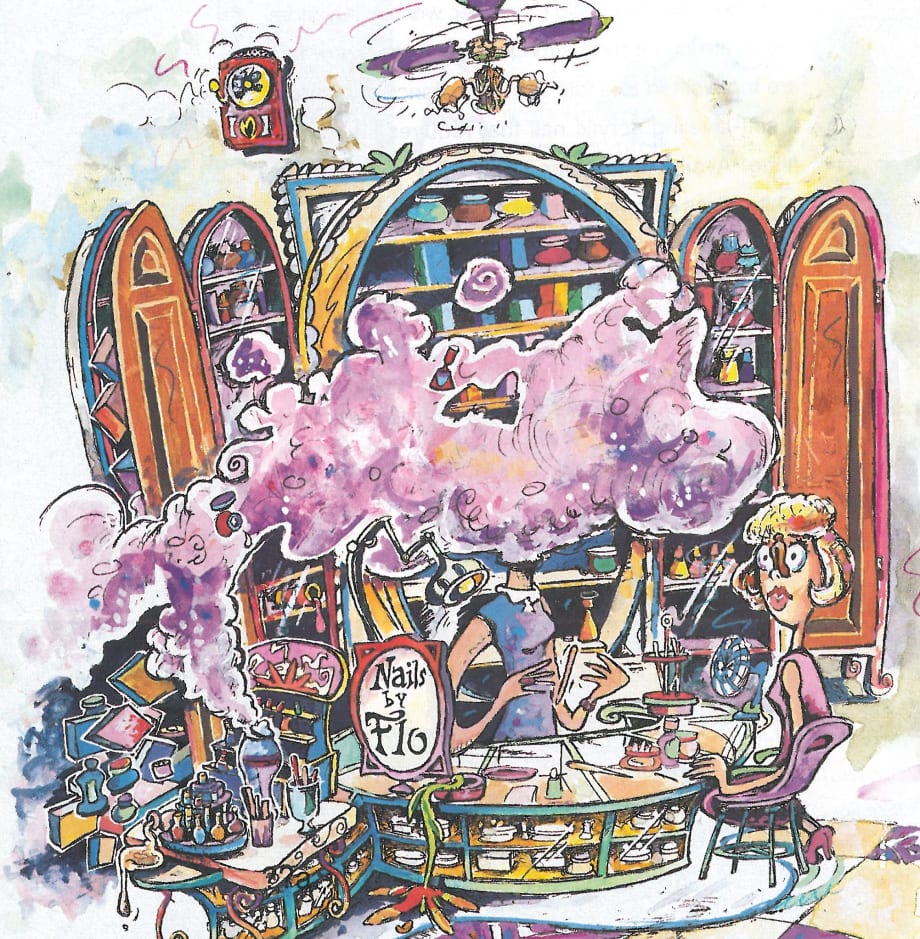
Illustration by Marc Galindo

Illustration by Marc Galindo
Everyday handling or nail care chemicals can make you so accustomed to being around them that you forget they have special storage needs. The consequences of improper storage range from the merely annoying (a product becoming weakened or contaminated) to the more serious — bodily harm or a fire. Proper product storage means more than just keeping the product in the bottle or jar. It means storing your stock in a manner that prevents waste and accidents. How are your products stored?
Nail salon products are potentially hazardous chemicals. They need to be stored in the right container at the right temperature, in the right place in the salon, with use and safety guidelines close at hand. Following are a few tips to getting the most out of what you’ve got.
All products should be clearly identified. It should be immediately evident to you and anyone else what is inside a container, both by its label and w hero it’s stored. You don’t want anyone in your salon mistakenly grabbing a bottle of primer and applying it as top coat, for example. Many entirely different products come packaged in similar containers, and it’s easy to grab the wrong product if you’re rushed or careless. Nail plate sanitizers can be mistaken for fiberglass catalysts, for example, and nail adhesive containers can look like (and have been mistaken for) eyedrop bottles. Keeping like products together in the same area — for instance, on a labeled shell — can help prevent this scenario.
In case you accidentally do grab the wrong bottle, have all MSDS close at hand so you’ll know what to do next. MSDS give all necessary information on proper storage and handling of the product and what to do in case the product was mishandled.
Proper storage also means minimizing evaporation and contamination. Keep containers tightly closed when not in use and use small quantities of product at a time. A familiar (and pertinent) nail product warning is “Use Only With Adequate Ventilation.” Keeping containers closed when not in use and using small quantities are essential components of conscientiousness to limit exposure. Minimizing product evaporation can help minimize product odor in the salon, as well.
Product Refills — Use The Correct Container
Buying refill sizes of products can help you keep costs down in the salon, but be careful refilling old bottles. Here are some guidelines to make your smart shopping pay off:
Make sure that you follow the manufacturer’s instructions when refilling containers.
Never refill one type or maker of a product into another’s container.
Never put anything in a container that isn’t intended to hold it.
Nail products require storage in special containers because the chemicals can be reactive, which means they can be affected or contaminated by a variety of sources, including light, minute particles in the salon air, other products, or the container itself.
For example, many primers, acrylic liquids, and top coats require storage in an opaque container. This is because the products contain light-sensitive (“photo-chemically reactive”) chemicals that cause the product to weaken or prematurely harden when exposed to light. Says Carol Helms of CLM Distributors, a distributor of professional nail care products, “Primer, especially the methacrylic kind, is light-sensitive. Putting it into a clear bottle will weaken it.”
Powders can be stored in any type of container (except metal), as long as it is tightly sealed. If powder becomes contaminated, it can yellow.
Gene Packer, a chemist at California Chemical in Orange, Calif., says, “Most nail products require storage in an amber glass bottle or a white or black plastic container or else they can become discolored or hardened. Nail liquid can gel prematurely if it is exposed to light. The disadvantage of plastic is that liquid and activator can go through plastic. The molecules can go through the plastic and even through caps on glass containers if they aren’t tightly sealed.”
The disadvantage of glass containers is that they can break in the salon, causing a hazard both because of the glass and because of the spilled product. Packer says metal containers have a disadvantage, as well. “A metal container itself, especially the soldered metal kind, can contaminate product.”
Charles Knight, president of Menda Scientific Products, which makes product dispensers, says you should store products in the original manufacturer’s container, or, when pouring out a quantity to work with, in a container made for that purpose.
Product Storage Temperature Can Affect Products
The temperature in the salon can have an effect on products. Heat is generally more of a problem than cold. Explains Packer, “Chemicals in the salon are reactive. Heat speeds up the redaction, and cold slows down the reaction. Nail adhesives and liquid are okay at room temperature, but if it gets too warm you’re going to have problems. They may harden prematurely. Newer use product at a higher or lower than room temperature, which should be between 70° and 77°.”
Unopened cyanoacrylate rosins and adhesives can be refrigerated (under 40o) to extend their shelf life. According to Bill Hunter, president of Satellite City an adhesives manufacturer in Simi Valley, Calif., refrigeration can double their shelf life. When you’re ready to use the adhesive, take it out of the freezer and let it come to room temperature. Wipe off any condensation from the container to prevent premature curing of product. However, Packer says, “Don’t store nail products with food products, because you can contaminate both. You should have two refrigerators, one for food and one for product.” Allow the cooled product to come to room temperature before using it to avoid cracking or crystallization.
Says Helms, “Primer can freeze at 63°, but once it’s been warmed to room temperature (75°), it’s fine to use.”
Products That React Should Be Kept Separate
While unopened containers of adhesives and resins maybe refrigerated, opened nail resins and adhesives are best stored in a cool, dry place in the salon. Minute amounts of moisture can cause adhesives to cure, and so can soaps, alkalies, and any solvent-based product.
Products that are designed to react with each other should be stored well away from each other, even in separate cabinets, so they don’t commence their chemical relations prematurely. Just as you would store light-sensitive products in an opaque container in a dark cabinet or drawer away from any light, you need to store activator away from resin and liquid away from powder. Says Helms, “Liquid and powder, even when they are each stored in tightly closed containers, can evaporate in minute quantities from their containers and contaminate each other if stored improperly. I recommend storing them on different shelves.”
Solvents And Sparks Are A Dangerous Mix
Solvents are both combustible and evaporative. When a solvent evaporates and becomes a vapor, it can be actually heavier than the air in the salon and can sink to the ground and spread out. It can travel to your water heater or to an area of the salon where employees or clients smoke, and a spark there can ignite it. Once ignited, the fire will travel quickly, following the trail of solvent vapor to its source, igniting other improperly stored volatile materials in the salon on its way.
Pouring solvents down the drain isn’t environmentally friendly nor does it get rid of their danger. The rapidly evaporating solvent can form pools of vapors in drain traps. A spark near the sink can be enough to trigger a mini-explosion.
To reduce the risk of fire, Joel Coster, hazardous materials specialist for the Redondo Beach, Calif., Fire Department, advises minimizing the number of open containers in the salon, using small quantities of product at a time, and discarding contaminated product properly. “Chemicals should not be randomly mixed. When a product is contaminated, it can become combustible.”
However, according to Coster, the quantities of dangerous chemicals in nail salons are so small that they aren’t considered a fire hazard. “The fire code starts requiring special storage of hazardous materials in quantities of 1-10 gallons. Nail salons are dealing with relatively small quantities. An exception would be a salon chain where the products are purchased in bulk and stored all at one location. In this case, we recommend spreading the bulk sizes of products among several of the salons.”
Activators, primers, and accelerators are examples of solvent-based chemicals. They are best kept stored tightly closed in a cool, dry place away from any area that has a possible exposure to heat, sparks, or flames.
Storing Products Safety
Keep all products labeled
Keep MSDS for all products easy to reach and find
Always keep containers tightly capped
Dispose of any containers that cannot be opened, closed, and reused
When in doubt, throw it out (follow your local toxic disposal regulations)
Do not permit smoking in the salon
Minimize the number of open containers
Use small amounts of product at a time
Place a fire extinguisher near the exit, and check it at intervals for leakage
We learn some simple moves and strategies to keep the blood pumping through the muscles and limit posture problems from The Balanced Beauty Pro
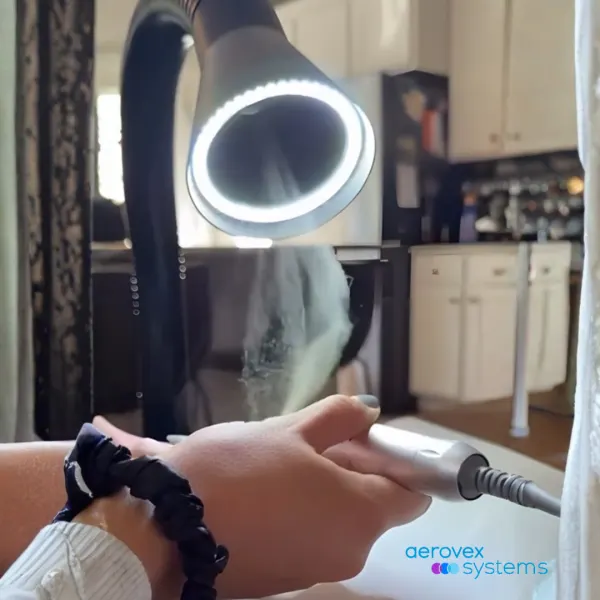
Uncured gel polish and microscopic e-file dust contain active acrylates that penetrate the skin, triggering permanent contact dermatitis. Learn the chemistry behind these irritants and how to protect your clients and yourself.
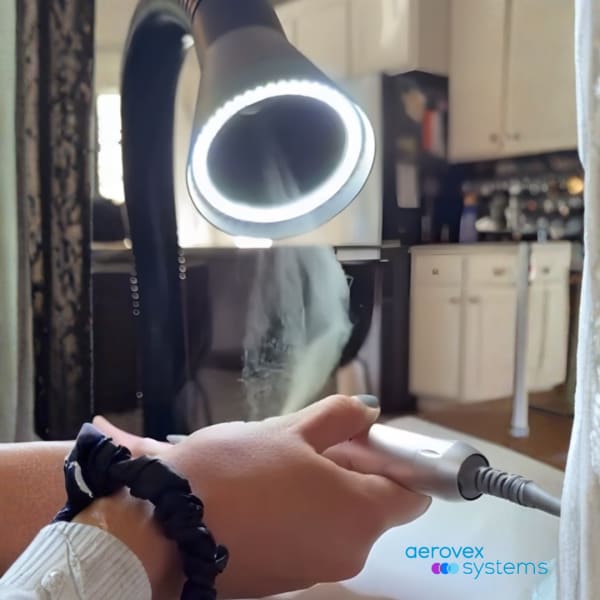
What actually counts as 'source capture' under nail salon ventilation code, and what doesn't (even if it feels like it should).
Sponsored by Aerovex Systems
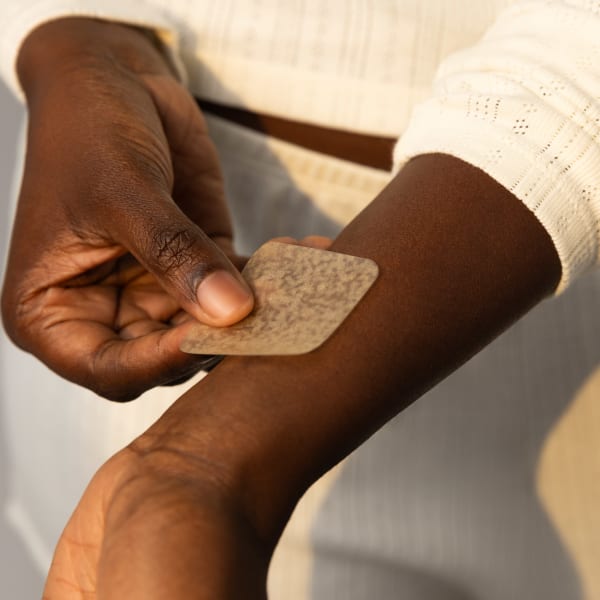
The Good Patch is a leading wearable wellness patch brand, offering wellness and skincare patches that support everyday needs including energy, sleep, relaxation and more.

Orthopedic PT reveals three daily exercises plus ergonomic advice that can help salon professionals avoid the aches and injuries caused by standing, bending and repetitive overhead work.

From breaking free of external validation to creating joy-based goals, discover a more sustainable and fulfilling path to success.
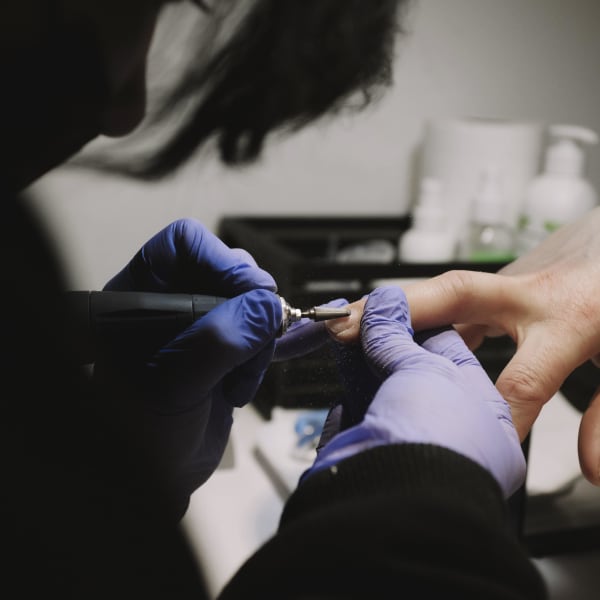
From acrylic monomers to airborne bio-dust, the air inside a nail salon carries risks most professionals never see coming. Aerovex Systems reveals the source-capture and room-purification strategies that are setting a new standard for salon safety.
Sponsored by Aerovex Systems
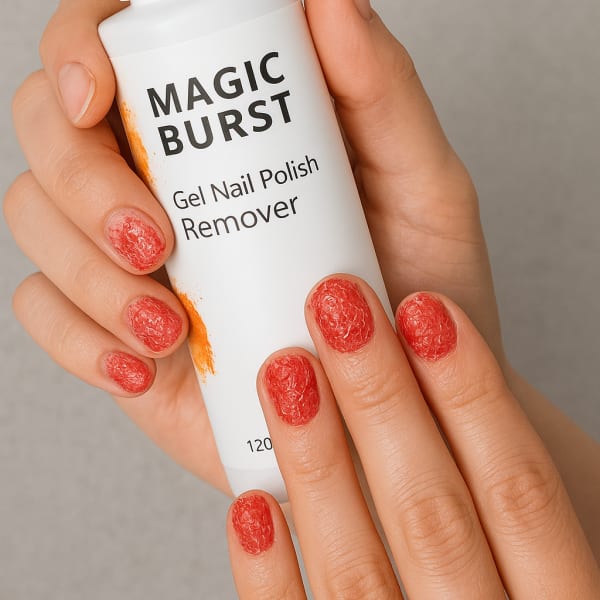
Products marketed as 'magic' or 'burst' gel removers may contain methylene chloride, a federally banned, highly toxic chemical.
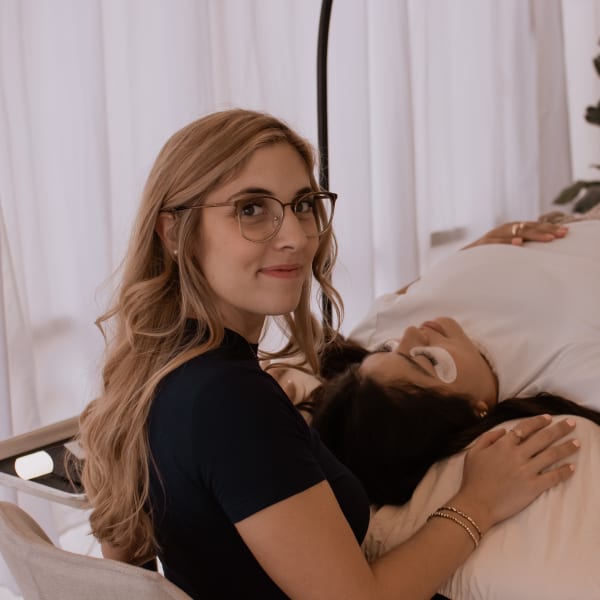
Working in beauty doesn’t have to hurt. Learn how Somatic Movement helps hairstylists, lash artists, and other beauty pros release tension, improve posture, and extend their careers.
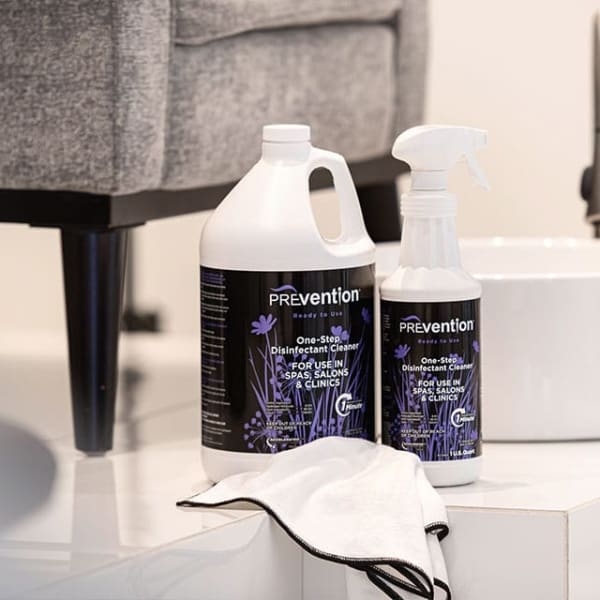
As a spa or salon professional, your clients expect more than just beauty—they expect safety, hygiene, and peace of mind. Fungal infections like Athlete’s Foot and Nail Fungus are more common than you think, especially in environments where tools and footbaths are reused without proper sanitation. This blog covers how to stop these issues before they start, using proven infection prevention strategies for salons and spas.
A federal initiative aimed at studying chemical exposure in nail salons has ended due to staffing and budget changes. Here’s what the project set out to do—and what its conclusion means for salon professionals.
For many people, a pedicure is a relaxing beauty ritual. But what most don’t realize is that this simple service, if done without proper hygiene and sanitation, can cause serious infections and long-term health issues.
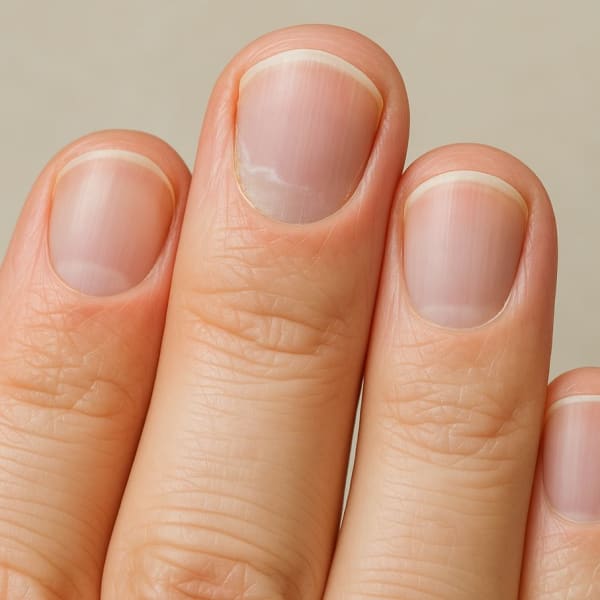
Onycholysis is the separation of the nail plate from the nail bed. While it may look painful, it typically isn’t—at least not at first. But without proper care, this common nail disorder can lead to infections, deformities, and long-term damage.

Mckenzie Kool, Psychologist, MC, RPsych provides us with guidance on what may or not be helpful in speaking with someone who has suffered a significant loss.
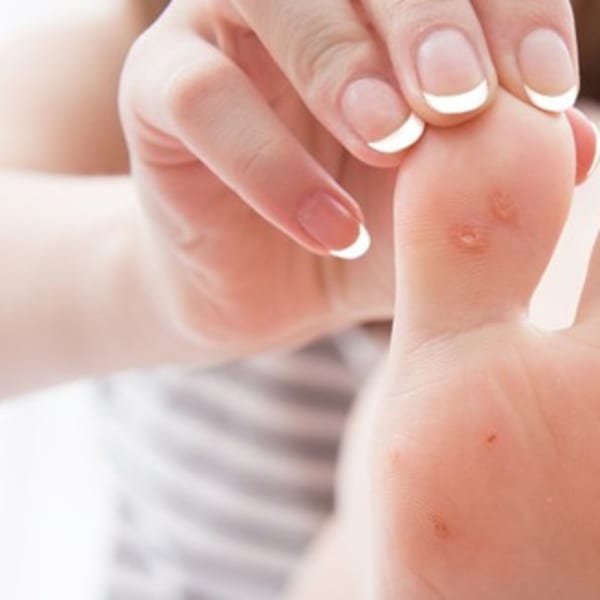
Clients come to you to feel their best—not leave with a viral souvenir. Warts and cold sores can spread fast in busy salons, but a few smart habits make all the difference. Let’s talk about what’s really lurking in your salon (and how to kick it to the curb).

As Earth Day approaches, The Green Beauty Community Foundation and the Green Spa Network invite beauty pros to step forward and embrace sustainability through the Green Pledge--a powerful initiative designed by and for beauty industry leaders.

Don’t cancel Valentine’s Day altogether, urges Jill Palmquist. Instead, think of it as a (frilly, flowery, Champagne-bubbly) wake-up call to fall deeply in love with your own life.