




Why Salon Work Makes Your Body Ache & What You Can Do to Feel Better
We learn some simple moves and strategies to keep the blood pumping through the muscles and limit posture problems from The Balanced Beauty Pro
by Anne Moratto


 MENU
MENU SEARCH
Earthing, also called grounding, is the practice of connecting with and drawing energy from the Earth by touching soil, grass, sand or water. Our Wellness Blogger Mary Wilson discusses the benefits of grounding and shows you how to get started.
Have you recently taken off your shoes and walked in the new growing grasses with your toes spread wide and breathed deeply while connecting with the Earth? If not, maybe it’s time to. I’m not sure about you, but for me, childhood included toughening up the bottoms of my feet in the spring time and being mostly barefoot all summer long. Turns out, it’s potentially good for you!!
Earthing, also called grounding, is the practice of connecting with and drawing energy by making direct physical contact, such as touching the soil, grass, sand, or water. As we evolved as humans, we created ways to separate our energy from that of the Earth, including rubber soled shoes. Grounding is being used and studied in various fields, including electrical engineering, physics, and even psychology.
Grounding is not a new idea, however, many 21st century humans have never heard of it. This technique that has been practiced for thousands of years by walking barefoot, sitting, or lying directly on the ground. It is believed to allow us to receive the transfer of the Earth's electrons into our bodies.

How does it work? Chronic inflammation is caused by free radicals and some studies have shown that when you make direct contact with the Earth by something as simple as walking barefoot in your yard, electrons from the earth enter your body and destroy those free radicals. Our body innately knows how much energy from electrons to absorb from the earth to bring us back into balance. We use electrons in all our metabolic processes including cellular production. The benefits of grounding for humans are still being studied, and more research is needed for scientific proof.
This technique has many fans who swear by the physical, mental and emotional improvements. Some potential benefits include; improved sleep, reduced inflammation, pain relief, reduced blood pressure, stress reduction, wound healing, improved athletic performance, mood, energy and vitality!
Ready to try it?
Here are some common methods for Earthing:
Take off your shoes and walk on natural surfaces like grass, sand or soil. This allows direct contact between your feet and the earth, promoting grounding. Walk with supportive sandals and remove them whenever you feel safe to do so.
Spend time in nature, particularly in forests or wooded areas. Leaning against or hugging trees and connecting with plants can help you absorb the Earth's energy and feel grounded.
Engaging in gardening activities, such as planting, weeding, or digging, can help you connect with the Earth. Touching the soil with your hands and being in close proximity to nature can have grounding effects. Not to mention the incredible benefits of eating or enjoying something you planted and cultivated!
Taking a dip in a lake, river or ocean can be a great way to physically ground yourself. The water and its minerals conduct energy, providing a sense of connection to the earth.
Going for a hike or a leisurely nature walk can help you feel the energy! Pay attention to the sights, sounds, and sensations around you to fully immerse yourself in the experience.
These practices incorporate grounding techniques, such as standing barefoot on the Earth or focusing on your connection to the ground. Engaging in these activities can help you establish a physical and energetic connection with the
Earth.
The Root Chakra connects us to the Earth and we can do specific exercises designed to ground your energy. One example is the "rooting" exercise, where you visualize roots growing from your feet deep into the Earth, anchoring you and providing stability. Have a blanket in the trunk of your car and spread it out and meditate/rest whenever you can!
Remember, grounding is a personal experience, and what works for one person may not work for another. Experiment with different methods and find what resonates with you the most.
It's important to note that while Earthing is generally considered safe, it's always advisable to consult with a healthcare professional before adopting any new health practices, particularly if you have specific medical conditions or concerns.
About the Author: Mary Wilson has been a beauty industry pro for 40 years and has contributed in many arenas including marketing, sales, education, communication and presentation skills. She has always believed the very best way to find overall happiness is to create authentic beauty while maintaining your own physical, mental and emotional health.In addition to being a beauty industry leader, Mary has been a certified yoga teacher for the past 10 years, leading wellness retreats and teaching yoga, breath work. reiki and energy healing. Since launching Wilson Collective in 2019, Mary has embarked on sharing her message directly with stylist and salon owners by traveling the country in an RV with her partner and husband and sharing the Wilson Brand, teaching the Wilson Method of Haircutting, as well as Styling and Wellness. Mary will host the Mountain High Yoga at Data-Driven Salon Summit in Denver!
Originally posted on Salon Today
We learn some simple moves and strategies to keep the blood pumping through the muscles and limit posture problems from The Balanced Beauty Pro
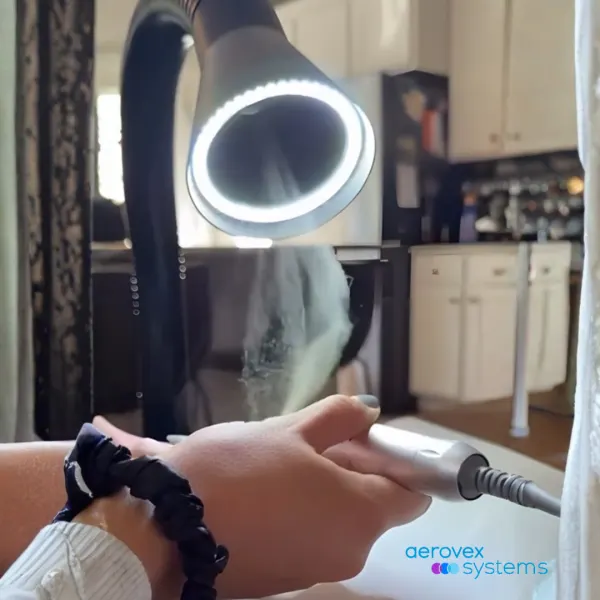
Uncured gel polish and microscopic e-file dust contain active acrylates that penetrate the skin, triggering permanent contact dermatitis. Learn the chemistry behind these irritants and how to protect your clients and yourself.
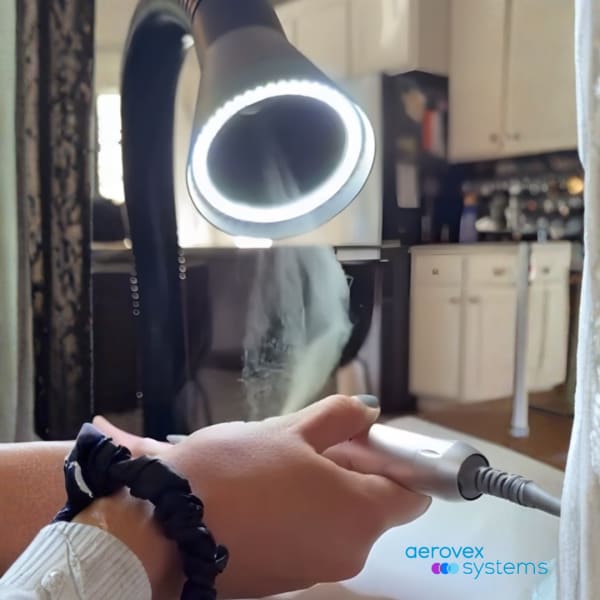
What actually counts as 'source capture' under nail salon ventilation code, and what doesn't (even if it feels like it should).
Sponsored by Aerovex Systems
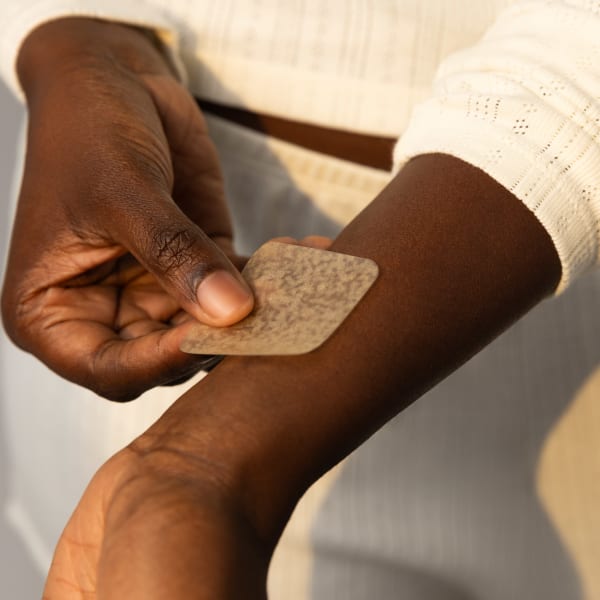
The Good Patch is a leading wearable wellness patch brand, offering wellness and skincare patches that support everyday needs including energy, sleep, relaxation and more.
Orthopedic PT reveals three daily exercises plus ergonomic advice that can help salon professionals avoid the aches and injuries caused by standing, bending and repetitive overhead work.

From breaking free of external validation to creating joy-based goals, discover a more sustainable and fulfilling path to success.
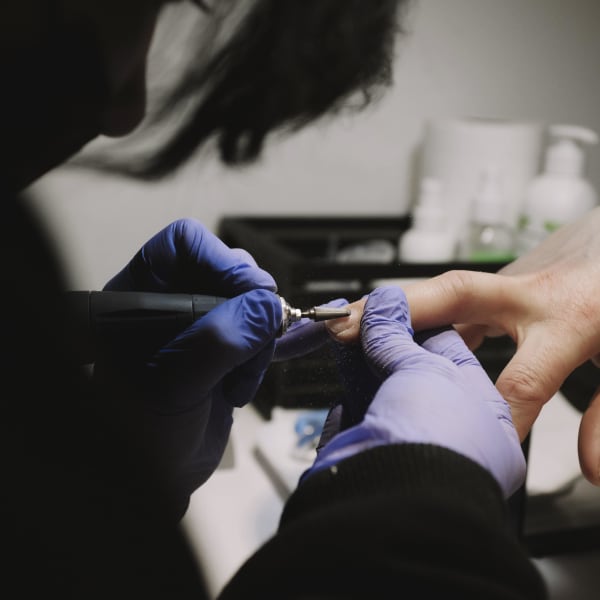
From acrylic monomers to airborne bio-dust, the air inside a nail salon carries risks most professionals never see coming. Aerovex Systems reveals the source-capture and room-purification strategies that are setting a new standard for salon safety.
Sponsored by Aerovex Systems
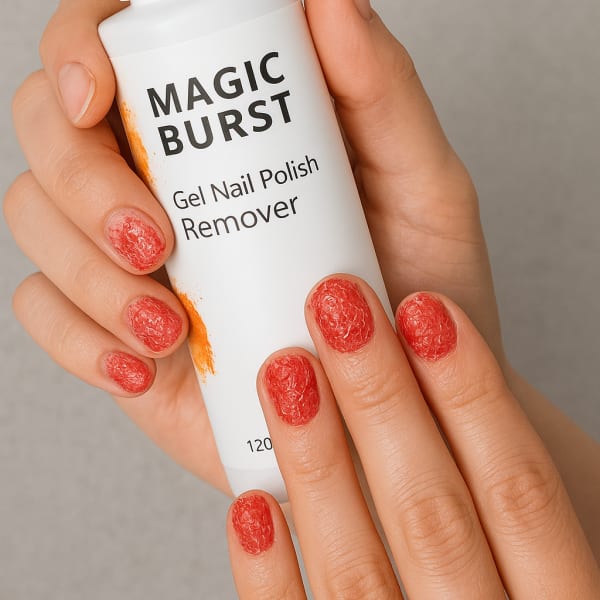
Products marketed as 'magic' or 'burst' gel removers may contain methylene chloride, a federally banned, highly toxic chemical.
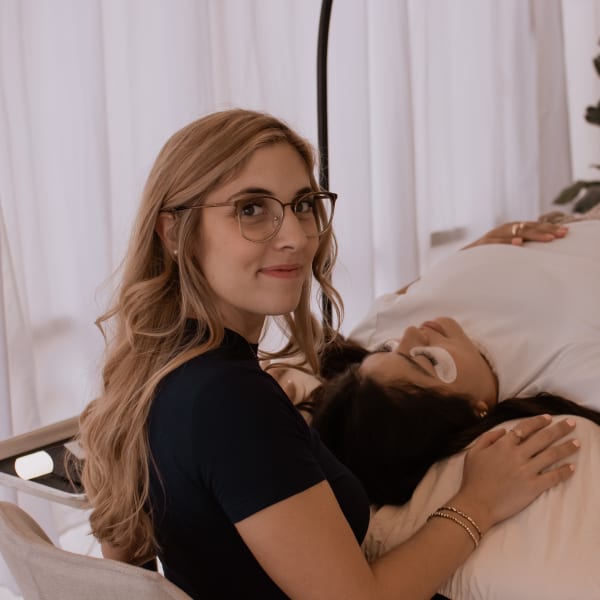
Working in beauty doesn’t have to hurt. Learn how Somatic Movement helps hairstylists, lash artists, and other beauty pros release tension, improve posture, and extend their careers.
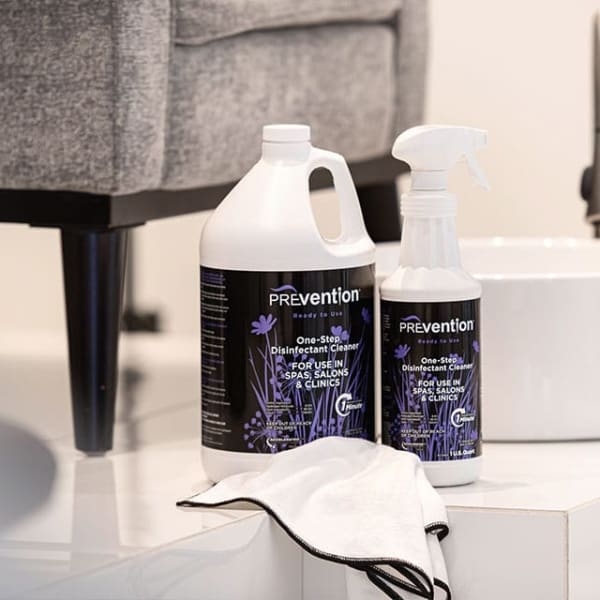
As a spa or salon professional, your clients expect more than just beauty—they expect safety, hygiene, and peace of mind. Fungal infections like Athlete’s Foot and Nail Fungus are more common than you think, especially in environments where tools and footbaths are reused without proper sanitation. This blog covers how to stop these issues before they start, using proven infection prevention strategies for salons and spas.
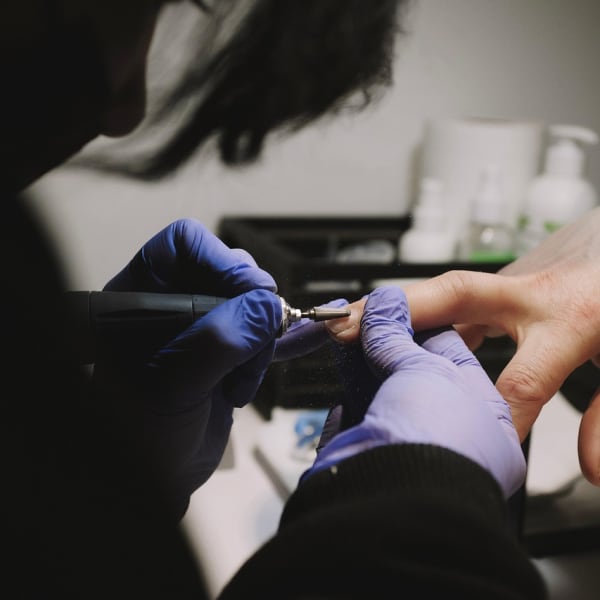
A federal initiative aimed at studying chemical exposure in nail salons has ended due to staffing and budget changes. Here’s what the project set out to do—and what its conclusion means for salon professionals.
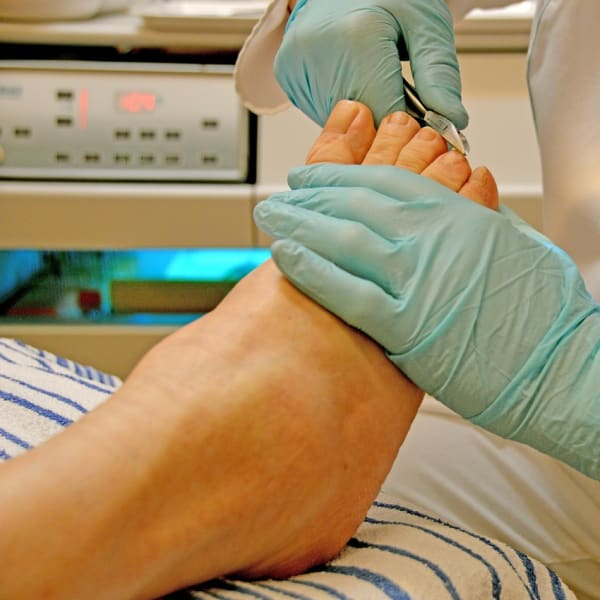
For many people, a pedicure is a relaxing beauty ritual. But what most don’t realize is that this simple service, if done without proper hygiene and sanitation, can cause serious infections and long-term health issues.
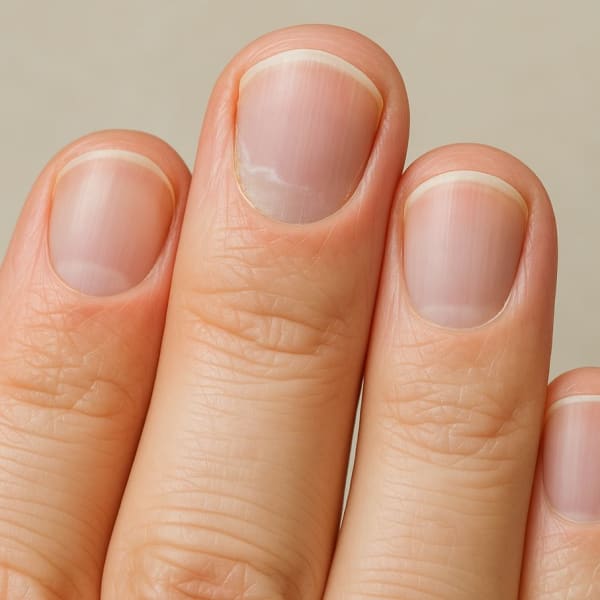
Onycholysis is the separation of the nail plate from the nail bed. While it may look painful, it typically isn’t—at least not at first. But without proper care, this common nail disorder can lead to infections, deformities, and long-term damage.

Mckenzie Kool, Psychologist, MC, RPsych provides us with guidance on what may or not be helpful in speaking with someone who has suffered a significant loss.
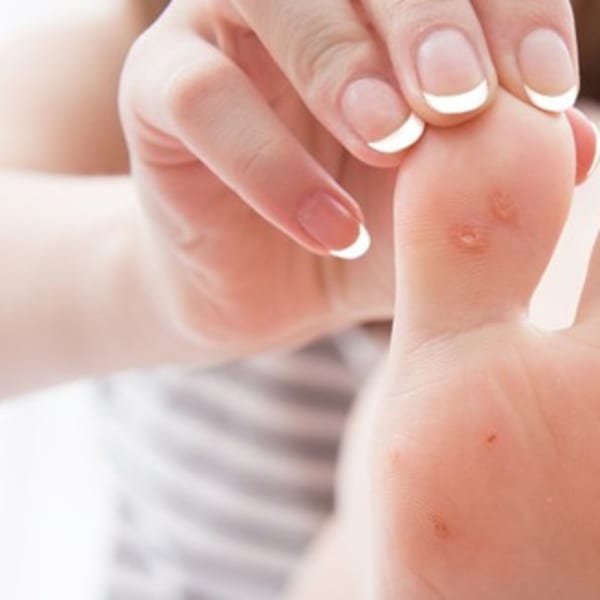
Clients come to you to feel their best—not leave with a viral souvenir. Warts and cold sores can spread fast in busy salons, but a few smart habits make all the difference. Let’s talk about what’s really lurking in your salon (and how to kick it to the curb).

As Earth Day approaches, The Green Beauty Community Foundation and the Green Spa Network invite beauty pros to step forward and embrace sustainability through the Green Pledge--a powerful initiative designed by and for beauty industry leaders.

Don’t cancel Valentine’s Day altogether, urges Jill Palmquist. Instead, think of it as a (frilly, flowery, Champagne-bubbly) wake-up call to fall deeply in love with your own life.