This essential oil — a natural antifungal that hails from the Land Down Under — seems to be showing up in everything from pedicure products to hand cream. What can this product do for your clients and why is it being hailed as the next miracle of nature?
by Vanessa Jezin, staff writer
July 1, 2001Although it’s been in beauty products for years, tea tree oil has gotten popular again as a “magical ingredient” because this extremely versatile natural ingredient has broad-spectrum antimicrobial and anti-inflammatory properties, as well as excellent solvency and dermal penetration. In other words, it seems to work.
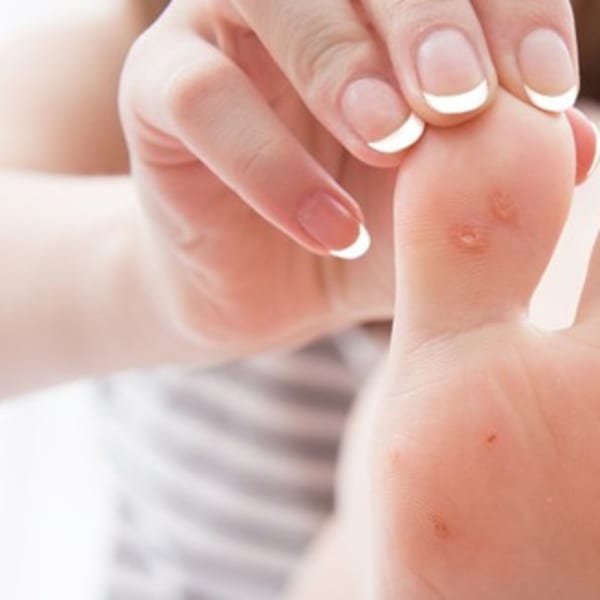
Tea tree oil’s antifungal properties have been known to reduce fungus-related ailments such as athlete’s foot and cracked heels. As a preventative, it can combat foot odor and sweaty feet.
“Tea tree oil is truly a magical product that can assist greatly with infections and the improvement of general health and the immune system,” says Christopher Dean, chairman of Thursday Plantation Laboratories (New South Wales, Australia), which manufactures the oil. “Some might think it is hype, but it really is an amazing product.”
Used in Australia for centuries, tea tree oil has long been considered a healing antiseptic. As early as 1923, clinical trials in Australia began to provide scientific evidence for tea tree’s antiseptic properties.
“The aborigine tribes used it as an antibacterial. They may not even have known that’s what they were using it for. They just knew that if someone had a cut, this was something you’d put on it to keep it from getting infected,” explains Ellen Genco, marketing director of Orly International (Chatsworth, Calif.).
Aiding and Abetting
These days, lotions, pedicure soaks, aromatherapy oils, and fungus creams and oils are saturated with tea tree oil. While using tea tree oil-laden products can prevent mild topical foot and nail ailments, growing evidence shows that topically applied pure tea tree oil can safeguard skin from the outside in. The way tea tree oil works is as an active ingredient against various infectious organisms including bacteria, fungi, and viruses.
It is a powerful immune-stimulant, with the result that when the body is threatened by any of these organisms, it increases the body’s ability to respond,” says Dean.
Lorna Nehme, sales manager for Divi International (Miami), which manufactures pure tea tree oil as well as products like its No Sweat Lotions, says there are numerous uses for the oil.
“Nail techs can add the pure oil to pedicure soaks,” says Nehme. “It can be used on mosquito bites, minor cuts, and scrapes.
Genco recommends using it on clients after removing hangnails as a soothing ailment.
“It has a relative low incidence of skin sensitivity so people don’t react poorly to it, which is another good reason to use it in the salon,” says Genco. “In general, it’s a good antiseptic and that’s why we put it in our products.”
Dr. Ivan Roth, a podiatrist in Irvine, Calif., and maker of Dr. Roth’s Foot Fixer Kit, spent nearly two years developing his own line of tea tree oil products, and says that although tea tree oil isn’t recognized as a medication or “active ingredient” by the FDA, he has found it very effective as a foot cleaner and bacteria fighter.
He says as a preventative it will maintain clean feet and as a bacteria fighter it will kill any superficial bacteria and fungus, which also protects the nail tech.
“After researching the oil, I found that it was antifungal, but it doesn’t have the ability to penetrate well,” explains Roth. “After more research, I decided to mix the active ingredient of the tea tree oil with the active ingredients of eucalyptus oil, which penetrates the skin well.”
Adds Dean: “Tea tree oil offers a natural, less expensive, effective alternative to currently used drugs for fungus of the fingernails. It is safe and easily accessible.”
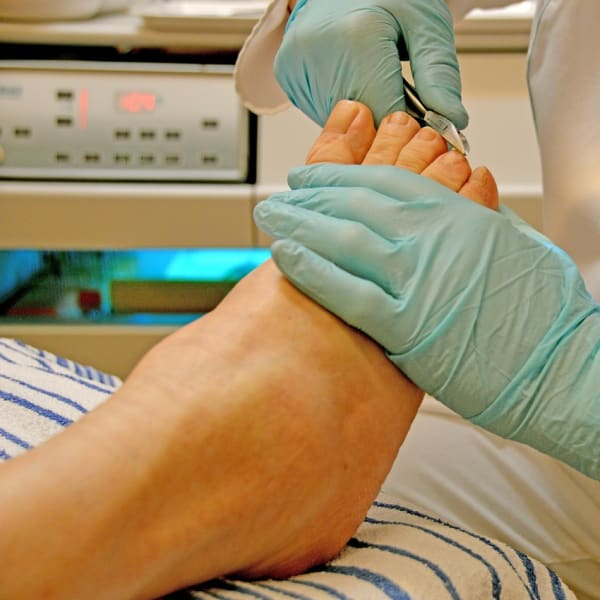
Using tea tree oil in the salon can be as simple as squirting a few drops in the client’s foot bath before a pedicure or applying it directly to cracked heels, nails, or feet as a cleanser.
“At that point a nail tech has helped the client by killing superficial bacteria and fungus and the foot will also smell wonderful. So, it’s not that it just looks clean, it’s that it smells clean, too,” says Roth. “The client will know that her foot was washed so to speak because of its aroma”
As a retail item, you can recommend clients use the tea tree oil for at-home maintenance.
“They can take it home and apply it to their feet before taking a shower, to treat athlete’s foot, or before athletic activity to avoid sweating,” explains Roth.
“I recommend it to clients to put on the nail bed before bed at night as a preventative,” says Sheryl Goldberg of the Right Dimension Salon & Spain Palatine, Ill.
For clients suffering from fungi or athlete’s foot, using tea tree oil is a process that can take years to clear up. The best reason for using it in the salon is as a preventative for potential infections and general sanitation practices.
Born Down Under
Tea tree oil is made from a tree indigenous to only one area in the world—New South Wales, Australia The essential oil is obtained by the steam distillation of the foliage and branches.
There are more than 300 varieties of tea tree growing in die wilds of Australia. Many of them produce essential oils with healing properties. However, only one, Melaleuca alternifolia, has the medicinal, beauty aid, personal hygiene, pet, plant, and home care cleaning properties. Pure tea tree oil consists of many compounds, all of which work together to give the oil its versatility. Research has shown that none of die compounds by themselves is as effective as the combination.
When stored in glass, aluminium, or stainless steel, out of direct sunlight, tea tree oil can be expected to have a shelf life of between two and three years. Prolonged exposure to light and air may cause components of the oil to oxidize, resulting in reduced activity and potential irritation.
“Pure tea tree oil can also be used in a humidifier to bring relief to someone suffering from a cold, flu, bronchitis, or emphysema,” says Dean.
Indeed, tea tree oil’s health applications appear limitless, with new research investigating its effects on skin disorders and as an anti-inflammatory. While more research is needed, the results look promising.
“I think more and more people in general are feeling comfortable using natural ingredients versus chemical products and tea tree oil is just one of many that is becoming popular for professional products,” notes Genco.