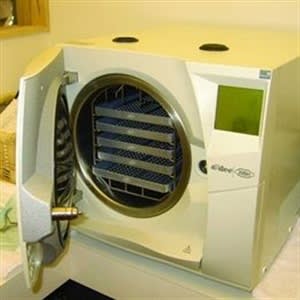
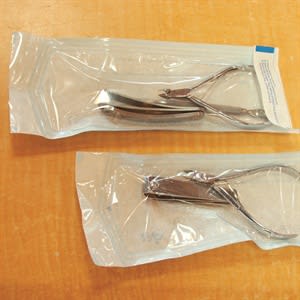
Autoclaves are used to sterilize implements through the use of high pressure steam.
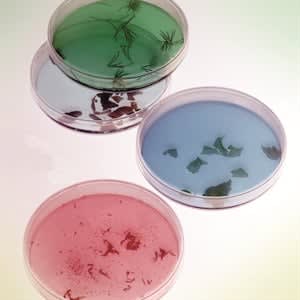
Bacteria are single-celled microorganisms that come in a variety of shapes. Some cause infections, while others can be beneficial.
Ad Loading...
Contamination not only undermines your sanitation efforts by introducing potential disease-causing pathogens but can also lead to service breakdown. Always start with squeaky clean implements and fresh products.
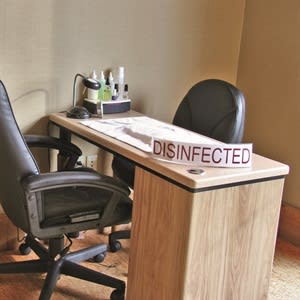
Disinfection is the use of a chemical procedure that eliminates virtually all recognized pathogenic microorganisms (including spores), but not necessarily all microbial forms. All implements and equipment used on clients must be disinfected before use.
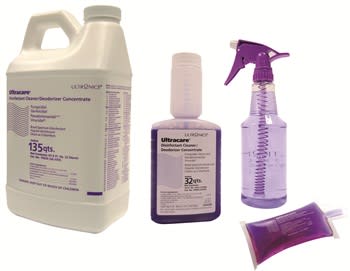
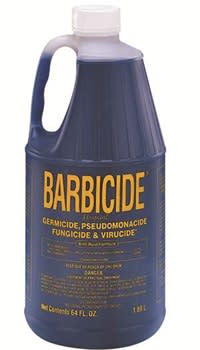
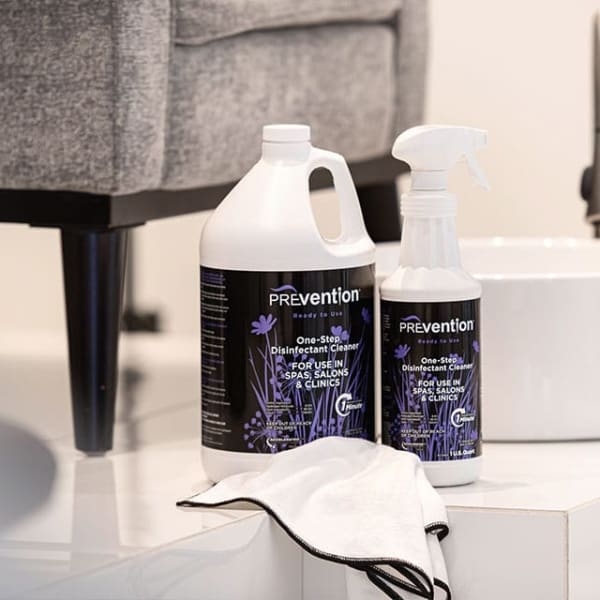
EPA-registered hospital-grade disinfectants are available to deliver effective disinfection on pre-cleaned implements and tools. Always handle chemicals in a manner consistent with their labeling, including using gloves and protective eyewear.
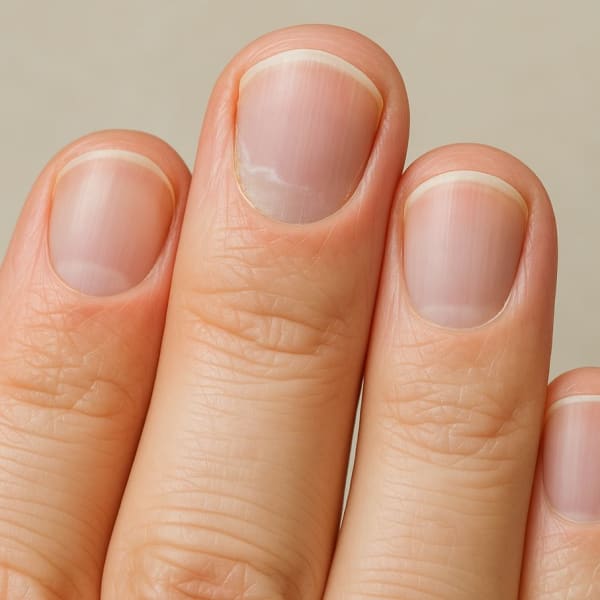
Fungi reproduce via spores. Spores are difficult to kill, as they form a hard, outer layer. Sterilization (with thorough pre-cleaning) is the best salon method to kill them. Remember: Never attempt to treat or work on clients you suspect may have a nail disease or disorder. Instead, refer them to a physician for guidance.
Germs are microorganisms that may cause disease.
Ad Loading...
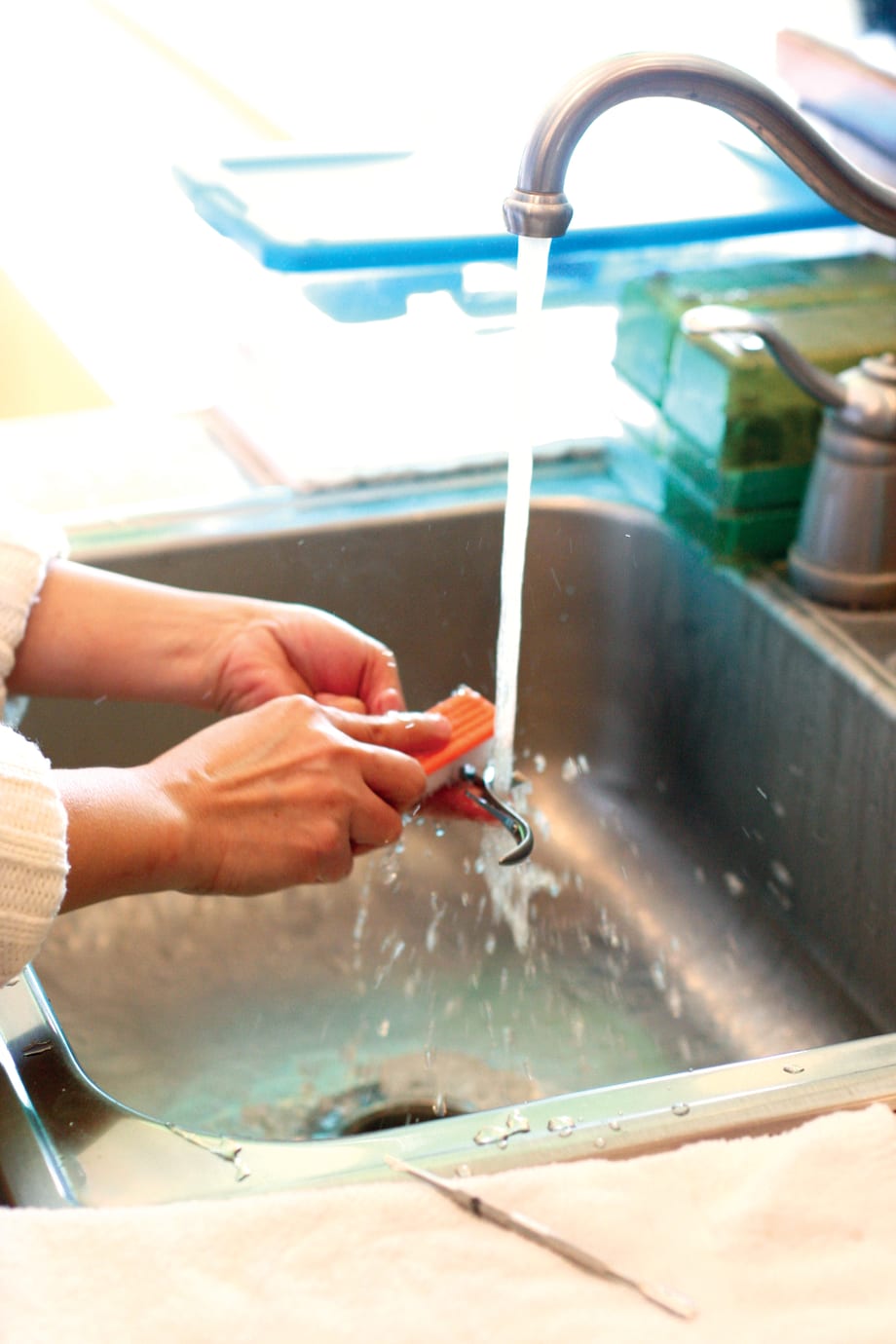
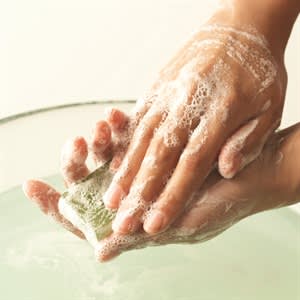
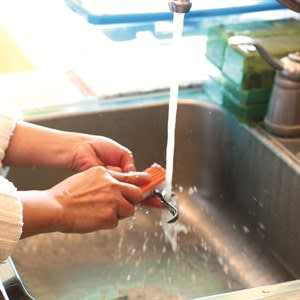
Hand-washing with soap and water is one of the most effective practices to prevent the spread of germs in the salon. Technicians should wash before and after every client and clients should wash up before being seated for services.
Infections can be caused by a colonization of organisms like bacteria, viruses, or fungi. The best course of action is preventing the spread of undesirable organisms in the salon through generally accepted sanitation procedures.
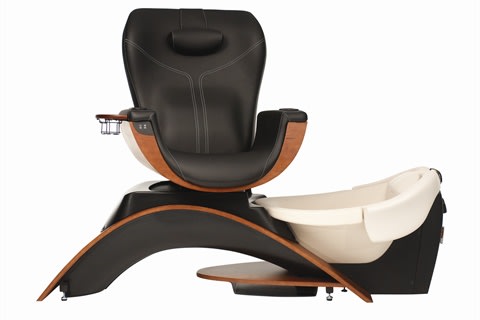
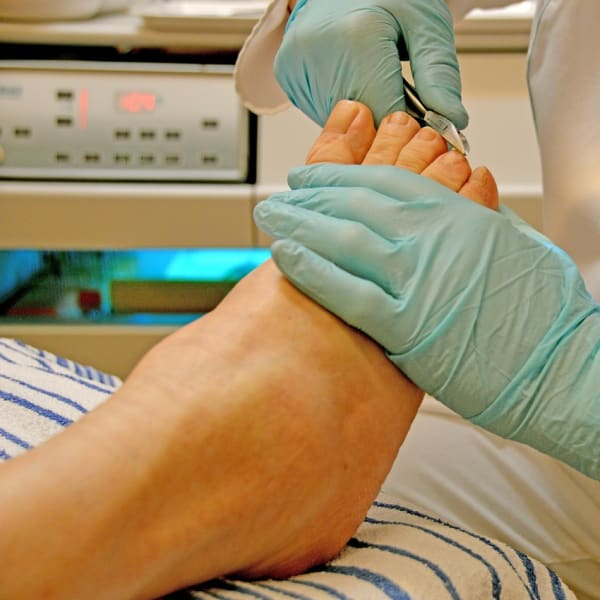
Jetted footbaths must be carefully cleaned and disinfected according to the manufacturer’s instructions and state board regulations. If not thoroughly cleaned, a biofilm can build up, creating a breeding ground for dangerous bacterial colonies. A log of the cleanings must be kept. If you are unsure how to disassemble the parts in your footbath, consult your owner’s manual.
Kill time is the required exposure time for a disinfectant or sterilizer to work effectively.
Laws are created at the federal, state, and local level to direct how we approach sanitation in the salon. States maintain a body of regulations aimed at protecting public safety; OSHA is mainly charged with workplace safety; and public health agencies may regulate yet other areas of our salon life. Get involved with industry issues, visit regulatory web sites, and join mailing lists to stay up to date on changes that may affect how you do business.
Ad Loading...
M. Fortuitum is a mycobacterium found in the environment. In recent years it has been blamed in concert with poorly cleaned footbaths for serious skin and soft-tissue infections after visits to nail salons.
Nail professionals are the best people to educate the public about salon standards. Go ahead, invite clients into the back room to see your procedures and answer questions. Show your clients what to look for in a healthy salon and you won’t ever lose their business to a non-standard nail salon.
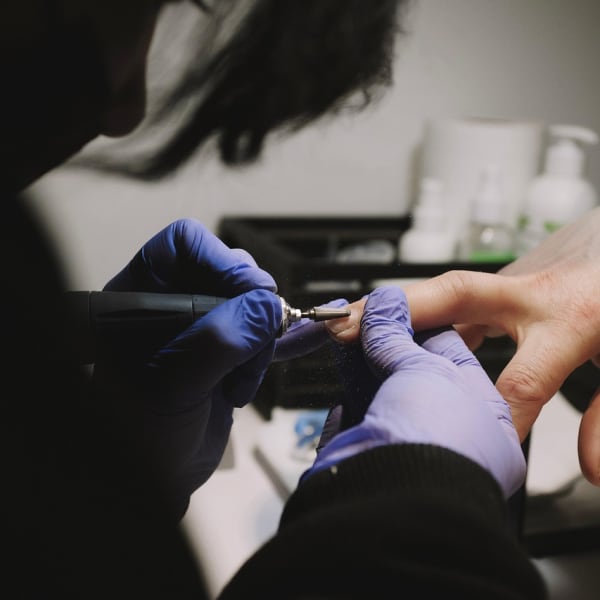
Opportunistic pathogens are always looking for a place to set up house! In addition to keeping everything sparkling clean, maintaining nail health can keep out infectious invaders. A light touch, proper abrasives, and electric file training may enhance your nail skills and infection prevention efforts. Ditto, nixing clients’ bad habits, like cuticle or nail picking.
Pathogens may cause disease. The existence of blood-borne pathogens, such as HIV, demands that any implement that comes in contact with a break in the skin be promptly cleaned or disposed of safely. OSHA-compliant biohazard spill kits are available through medical, office, and cosmetology suppliers and come complete with a nifty red biohazard bag.
Quaternary ammonium solution (Quats) is a popular method of salon immersion disinfection. Remember that soiled items must be pre-cleaned before placing in the solution for the required time. Quats solution must be fresh, so change it according to the manufacturer’s directions.
Ad Loading...
Reusable items, such as towels, files, and implements, must be sanitized or disinfected according to state board guidelines before being used on another client.
Sanitize vs. sterilize. Sanitizing reduces the number of disease-causing pathogens on a surface. Sterilization kills all living organisms.
Throw away any implements promptly that can’t be sterilized or disinfected appropriately.
Ultra-violet light may be used for sanitation and disinfection in some states (check yours). The major drawback is that the ultraviolet light can only destroy pathogens it can reach, leaving portions (hinges, undersides, etc.) of implements untreated.
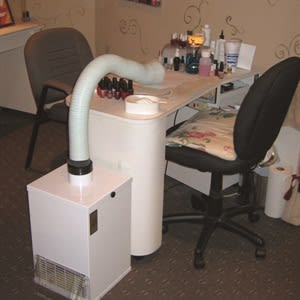
Ventilation exhausts contaminated salon air to the outside. Think of it as a way to remove some particulates, vapors, and contaminates from your breathing space. Local area exhausts capture dust and vapors at the source.
Ad Loading...
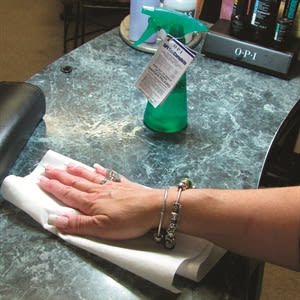
Washable equipment is able to withstand scrubbing to be used again and again. Washable items include towels, nonporous surfaces, special files, etc. State board regulations dictate which washable items may be used in the salon.
Xanthic. Can you say, “yellow”? If you are seeing yellow on your table towels or in enhancements, look for sources of contamination. Dirty sculpting brushes, dusts in the air, or dirt (oil or contamination) trapped under enhancements may lead to service breakdown…or worse.
You are the first line of defense in protecting your clients while providing the hottest nail trends in the industry.
Zilch. The number of sanitation-related issues your salon will have if you stick to a strict routine of comprehensive salon sanitation and disinfection. For the complete guide to your state requirements, refer to your state board regulations.
Uncured gel polish and microscopic e-file dust contain active acrylates that penetrate the skin, triggering permanent contact dermatitis. Learn the chemistry behind these irritants and how to protect your clients and yourself.
The Good Patch is a leading wearable wellness patch brand, offering wellness and skincare patches that support everyday needs including energy, sleep, relaxation and more.
Orthopedic PT reveals three daily exercises plus ergonomic advice that can help salon professionals avoid the aches and injuries caused by standing, bending and repetitive overhead work.
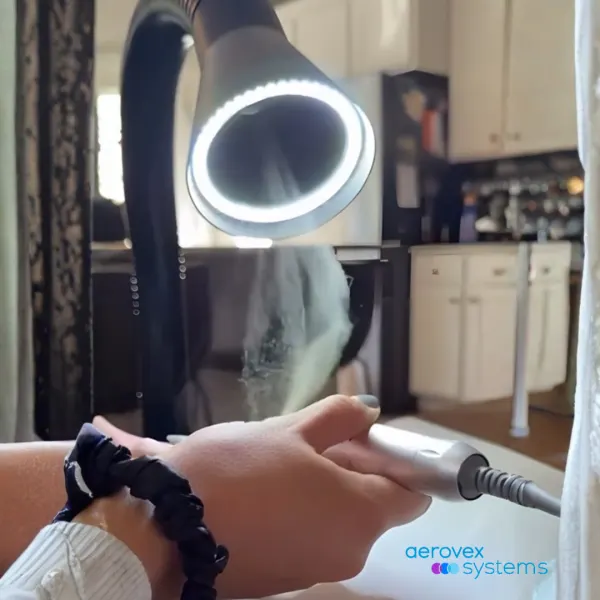
From acrylic monomers to airborne bio-dust, the air inside a nail salon carries risks most professionals never see coming. Aerovex Systems reveals the source-capture and room-purification strategies that are setting a new standard for salon safety.
Working in beauty doesn’t have to hurt. Learn how Somatic Movement helps hairstylists, lash artists, and other beauty pros release tension, improve posture, and extend their careers.
As a spa or salon professional, your clients expect more than just beauty—they expect safety, hygiene, and peace of mind. Fungal infections like Athlete’s Foot and Nail Fungus are more common than you think, especially in environments where tools and footbaths are reused without proper sanitation. This blog covers how to stop these issues before they start, using proven infection prevention strategies for salons and spas.
A federal initiative aimed at studying chemical exposure in nail salons has ended due to staffing and budget changes. Here’s what the project set out to do—and what its conclusion means for salon professionals.
For many people, a pedicure is a relaxing beauty ritual. But what most don’t realize is that this simple service, if done without proper hygiene and sanitation, can cause serious infections and long-term health issues.
Onycholysis is the separation of the nail plate from the nail bed. While it may look painful, it typically isn’t—at least not at first. But without proper care, this common nail disorder can lead to infections, deformities, and long-term damage.
Mckenzie Kool, Psychologist, MC, RPsych provides us with guidance on what may or not be helpful in speaking with someone who has suffered a significant loss.
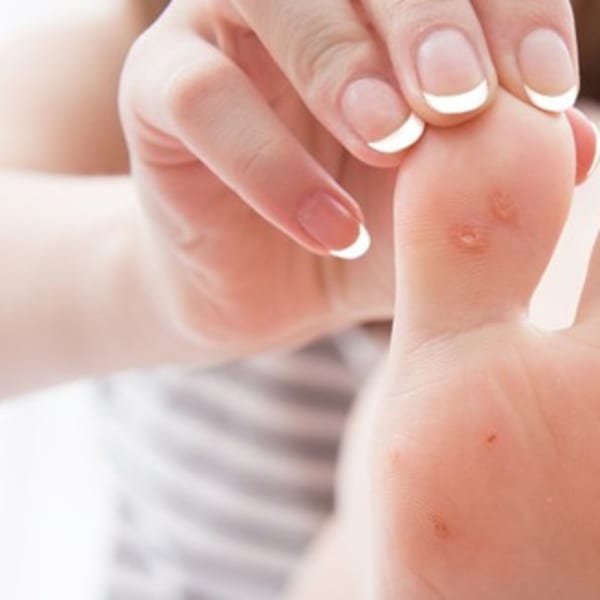
Clients come to you to feel their best—not leave with a viral souvenir. Warts and cold sores can spread fast in busy salons, but a few smart habits make all the difference. Let’s talk about what’s really lurking in your salon (and how to kick it to the curb).
As Earth Day approaches, The Green Beauty Community Foundation and the Green Spa Network invite beauty pros to step forward and embrace sustainability through the Green Pledge--a powerful initiative designed by and for beauty industry leaders.
Don’t cancel Valentine’s Day altogether, urges Jill Palmquist. Instead, think of it as a (frilly, flowery, Champagne-bubbly) wake-up call to fall deeply in love with your own life.
Life coach and Culture Ambassador of Sam Villa, Andrew Carruthers, outlines how to tell if your burnout is temporary - or if it's time to make a bigger career change.