Have you been interested in adding aromatherapy to your nail service menu, but were unsure about where to start? We provide you with some handy tips on working with essential oils, plus a closer look at some of the most popular ones.
Essential Oil: a natural, volatile, aromatic substance that can be extracted (mainly by distillation or expression) from a plant. Among other uses, the scents are employed in aromatherapy and perfume making.
Ad Loading...
For an upclose look at essential oils and an understanding of their properties, go to the NAILS photo gallery Acquaint Yourself with Essential Oils by clicking here.
1. Start Slow. As you gain more experience working with essential oils, you’ll be able to successfully blend up to four or five different scents together, but it’s a good idea to start with combining only two or three, so you don’t overwhelm or confuse your and your client’s noses.
2. Overall Odor. Essential oils can be useful in controlling the overall odor level in your salon. To mask the smell of acrylic, place a cotton pad in a small glass dish, then add a few drops of essential oil to the pad. Just make sure the scent complements the fragrances used in your salon services. You can also create a signature scent to spray on your business cards (and possibly sell to clients to remind them of your salon).
Ad Loading...
3. Oil & Water Don’t Mix. You might be tempted to dilute an essential oil by blending it with water instead of a carrier oil, but your blend won’t last very long. The oil and water will separate. The only exception is for room air fresheners. In this case, add a few drops of essential oil into distilled water and store in a spray bottle. Shake it up before each use.
4. Not Sure Where to Start? Lavender, peppermint, rosemary, and any citrus blend are some of the most popular essential oils for hand and feet services. There are also plenty of aromatherapy recipe books available, like 556 Aromatherapy Formulas for Mind & Body by David Schiller and Carol Schiller and Aromatherapy for the Beauty Therapist by Valerie Ann Worwood. You can also let your clients decide. Offer them a choice between an “energizing” (citrus), “rejuvenating” (peppermint), “relaxing” (lavender), or “aphrodisiac” (jasmine) blend.
5. Making Beautiful Music Together. When selecting oils to use in a particular service, keep in mind that different oils have different perfume “notes,” much like in music. “Top notes” are the strongest scents but don’t last as long. “Base notes” are milder but carry the fragrance longer. And “middle notes” fall into the middle of the strength and length spectrum.
6. Talk to Me. It’s important to do a client consultation before using essential oils on any client because many oils can cause adverse reactions. Some are photosensitizers (causing skin irritation if skin is exposed to UV light too soon) and others are inappropriate for clients with certain allergies or disorders. Arm yourself with knowledge from your product manufacturer, books, and reputable websites before you offer services.
7. Storage Solutions. Always store your essential oils in dark bottles. The oils are light sensitive and will otherwise start to break down over time, including possibly eating away at the bottle in which they’re stored. Keep oils fresh; citrus oils (including orange, lemon, and lime) and conifer oils (like pines, spruce, and fir) quickly lose antiseptic powers and become more irritating to the skin as the oils age.
Ad Loading...
8. Can’t Touch This. Only two essential oils can be applied directly to the skin: tea tree and lavender. The rest must be blended into a carrier oil (see sidebar for popular carrier oils) to dilute the essential oil to help prevent adverse reactions. A 5% dilution is recommended; this means 15 drops of essential oil to one ounce of carrier oil.
[SIDEBAR]
POPULAR CARRIER OILS
Mix your choice of essential oils into one of these common carrier oils in order to dilute the essential oil.
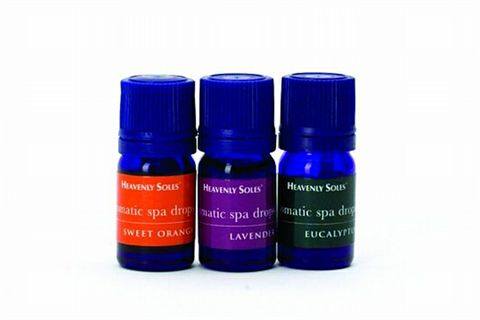
From Backscratchers Salon Systems comes Aromatic Spa Drops, six different essential oils packaged in dropper bottles. Available scents are sweet orange, lavender, eucalyptus, French vanilla, sandalwood, and balsam fir. The dropper makes it easy to add the oils to pedicure soaks and lotions.
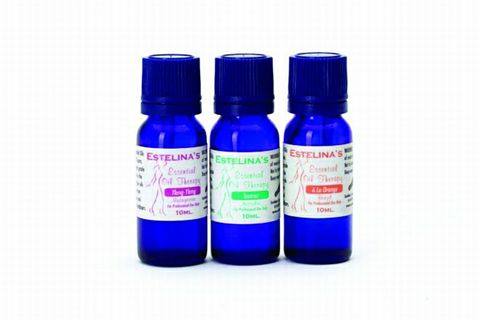
Estelina’s Essential Oil Therapy 100% pure oils line features seven different oils from all over the world. Three are intended for men’s services — simpático woody oil, sport athletique oil, and lemon spice oil. The other available oils for use in any service are tea tree, a la orange, ylang-ylang, and lavish lavender.
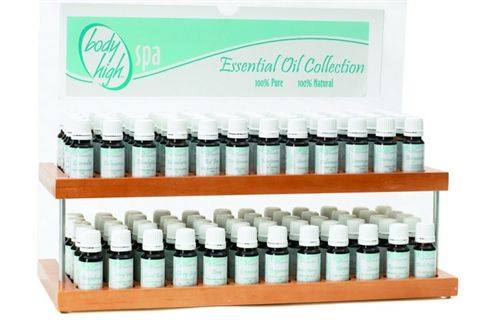
Body High Spa/EOH Beauty Brands offers its 24 most popular essential oils in a convenient retail display. Each display contains four bottles of each essential oil, plus a tester. The display easily fits on retail shelves of salons and beauty supply stores.
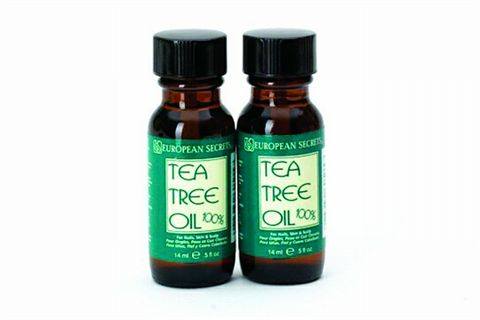
Known for its antiseptic properties, 100% Tea Tree Oil from European Secrets Nail can be used on nails, skin, and scalp. It has a clean scent that is great at eliminating odors.
Ad Loading...
Sensuous Solutions’ As You Like It aromatherapy essential oil blends are ideal for use in hand and foot soaks. They can be purchased as themed kits, like the Coffee Collection, or individually. The oils are packaged in dropper bottles for easy dispensing.
Uncured gel polish and microscopic e-file dust contain active acrylates that penetrate the skin, triggering permanent contact dermatitis. Learn the chemistry behind these irritants and how to protect your clients and yourself.
The Good Patch is a leading wearable wellness patch brand, offering wellness and skincare patches that support everyday needs including energy, sleep, relaxation and more.
Orthopedic PT reveals three daily exercises plus ergonomic advice that can help salon professionals avoid the aches and injuries caused by standing, bending and repetitive overhead work.
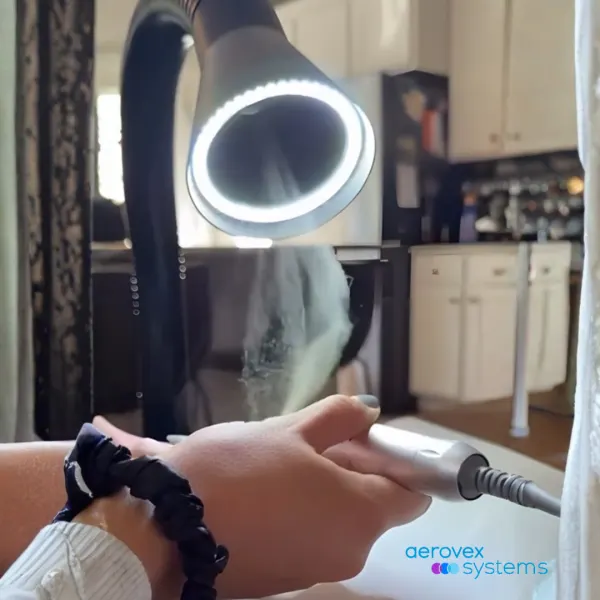
From acrylic monomers to airborne bio-dust, the air inside a nail salon carries risks most professionals never see coming. Aerovex Systems reveals the source-capture and room-purification strategies that are setting a new standard for salon safety.
Working in beauty doesn’t have to hurt. Learn how Somatic Movement helps hairstylists, lash artists, and other beauty pros release tension, improve posture, and extend their careers.
As a spa or salon professional, your clients expect more than just beauty—they expect safety, hygiene, and peace of mind. Fungal infections like Athlete’s Foot and Nail Fungus are more common than you think, especially in environments where tools and footbaths are reused without proper sanitation. This blog covers how to stop these issues before they start, using proven infection prevention strategies for salons and spas.
A federal initiative aimed at studying chemical exposure in nail salons has ended due to staffing and budget changes. Here’s what the project set out to do—and what its conclusion means for salon professionals.
For many people, a pedicure is a relaxing beauty ritual. But what most don’t realize is that this simple service, if done without proper hygiene and sanitation, can cause serious infections and long-term health issues.
Onycholysis is the separation of the nail plate from the nail bed. While it may look painful, it typically isn’t—at least not at first. But without proper care, this common nail disorder can lead to infections, deformities, and long-term damage.
Mckenzie Kool, Psychologist, MC, RPsych provides us with guidance on what may or not be helpful in speaking with someone who has suffered a significant loss.
Clients come to you to feel their best—not leave with a viral souvenir. Warts and cold sores can spread fast in busy salons, but a few smart habits make all the difference. Let’s talk about what’s really lurking in your salon (and how to kick it to the curb).
As Earth Day approaches, The Green Beauty Community Foundation and the Green Spa Network invite beauty pros to step forward and embrace sustainability through the Green Pledge--a powerful initiative designed by and for beauty industry leaders.
Don’t cancel Valentine’s Day altogether, urges Jill Palmquist. Instead, think of it as a (frilly, flowery, Champagne-bubbly) wake-up call to fall deeply in love with your own life.
Life coach and Culture Ambassador of Sam Villa, Andrew Carruthers, outlines how to tell if your burnout is temporary - or if it's time to make a bigger career change.