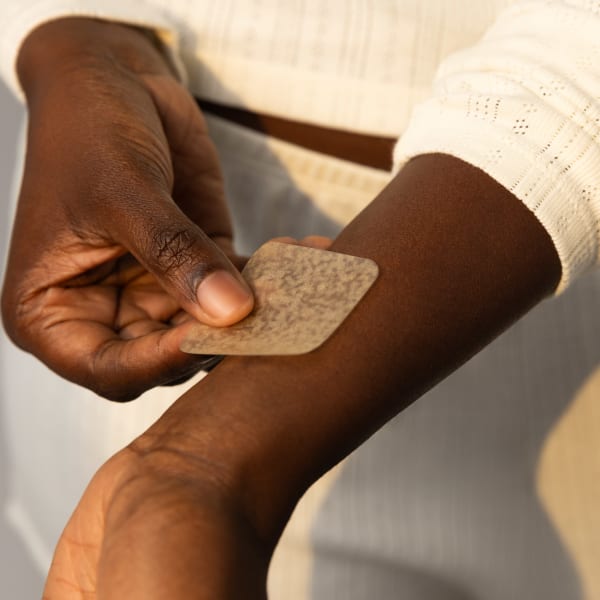
It’s natural for clients to want to cover a nail injury or disease with a bandage. After all, it seems harmless to conceal a broken acrylic nail or a natural nail bruised from being slammed in a window. But what clients don’t realize is that covering up a nail problem can actually make it worse, and possibly even cause a new problem.
Covering problem nails with a bandage is the most common aggravating factor I see in nail disorders. The reason that bandaging is potentially so harmful is because bandages trap moisture on the skin, creating an ideal growing area for bacteria and yeast. Covering a broken acrylic nail with a bandage for just a few days can cause a yeast infection under the posterior nail fold (chronic paronychia) or a green nail (pseudomonas bacteria). Uncovered skin is too dry for bacterial or yeast infections to survive.
Another result of trapped wetness can be vascular overgrowth, commonly called “proud flesh.” When any wound is wet, the recovering blood vessels sometimes overgrow, producing extra tissue. The nail area is especially prone to this. Proud flesh occurs most commonly around ingrown nails, but it can occur as a result of injury as well. The lesion is also more common in pregnant patients. Some other nail problems I see aggravated by bandaging are pyogenic granuloma (a growth of blood vessels that create a small tumor) and proliferative wart tissue. Sometimes a nail will even fail to regrow because of bandaging.
When working on any nail disorder that appears related to wetness, such as a green nail, ask the client if she’s been bandaging her nail. Marked wetness of the skin and pinkness are obvious clues that she has.
A foul smell around the nail is also a good indicator that a client is bandaging her nail. I often see patients with soggy tissue and foul-smelling nails that general physicians have treated with internal antibiotics when the cause was simply constant bandaging. Unfortunately, the condition is self-perpetuating: The longer the client wears a bandage, the more likely the nail is to smell, which means she will continue wearing a bandage to mask the odor.
I have found that these symptoms can be cleared up quickly by forbidding the patient to wear bandages and prescribing an alcohol-based antibiotic. In the salon, you can get good results by discouraging bandaging and using a topical over-the-counter polysporin spray.
Before you can correct any problems caused by wearing bandages, however, you need to address the problem that caused the client to wear the bandage in the first place. If the nail is diseased, refer the patient to a dermatologist. If she is covering an unsightly injury that will eventually grow out, you can recommend an alternative treatment to bandaging. For example, have the client apply an over-the-counter polysporin spray several times a day instead of wearing a bandage. This will quickly decrease the organisms that cause odor and speed drying of the area.
Sometimes, wetness will persist under a separated distal nail (which is when the nail plate is separated from the nail bed at the free edge).
Polysporin spray or rubbing alcohol will help dry the area. If the nail is lifted and damp underneath, trim the loosened nail carefully. A few days of fresh air in conjunction with a topical, over-the-counter alcohol-based or polysporin spray should start the healing process. Be prepared for clients to balk because trimming the nail back causes temporary disfigurement until a new nail grows.
When nails are loose or only attached at a small area, it is better to trim away the loosened nail rather than bandage it. If the patient has a loose nail and is doing work that would continue to subject her nails to trauma, trim the loosened nail and tell the client to wear tube gauze or gloves to prevent tearing. Cotton gloves work best because cotton absorbs moisture and “breathes.” Rubber and plastic gloves retain heat and will often become wet inside. Discourage the client from wearing tight bandages. If she insists, tell her to remove it whenever she isn’t working or eating.
By eliminating constant bandaging, about 50% of all nail problems referred to me by physicians will clear on their own.