Cold weather can wreak havoc on your clients’ hands and nails. Special care must be taken during the winter months to combat the nail- related problems associated with this time of year. Following are some of the nail conditions you are likely to see:
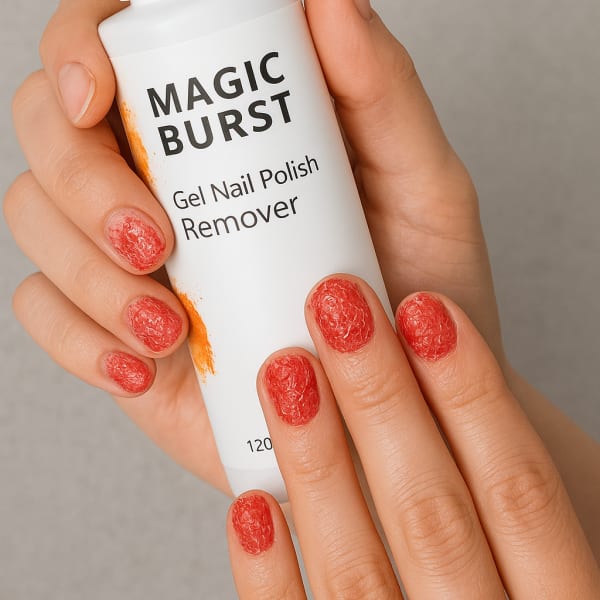
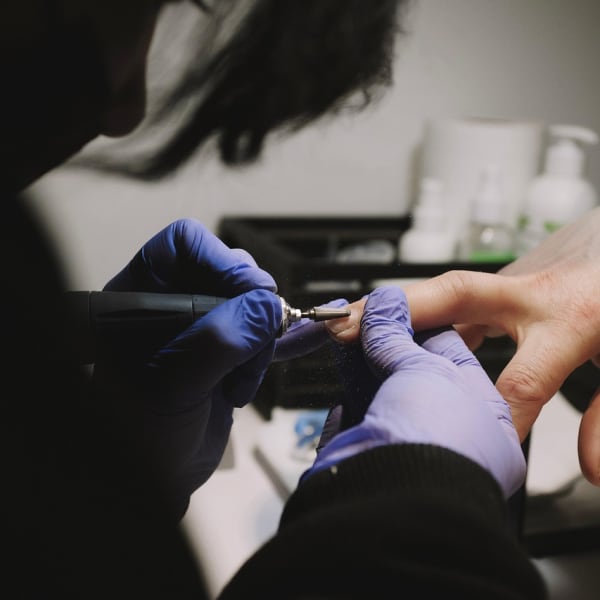
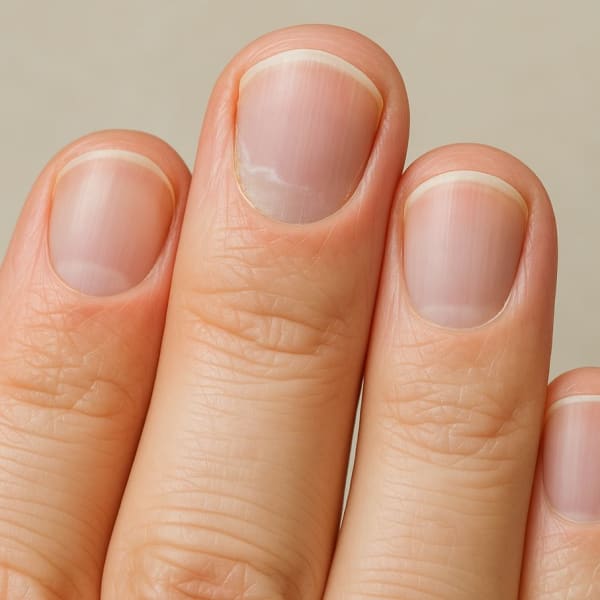
Brittle Nail Syndrome. During cold weather, the nail plate becomes dehydrated, resulting in peeling and splitting nails, which fray at the edges. As a consequence, the nails may break and become more fragile, and can easily catch on clothing. It may also be harder for clients with brittle nails to pick up small objects or button a shirt, and even tactile sensation at the fingertip may be reduced. This condition also causes nail polish to chip and peel, although I still recommend the client wear polish because it may help protect the nail plate and can reduce further dehydration. Use a non-acetone polish remover, which is also less drying. Treatments, such as formaldehyde- and toluene-free nail strengtheners and hardeners, will also protect brittle nails. Treating brittle nails is relatively simple. First, remind the client that excessive handwashing with soap and water is very drying, and recommend she wear gloves when using cleaning agents and detergents. Have her avoid trauma to the nail, and not use her nails as tools. Also, recommend clients use a hand moisturizer daily, preferably one containing alpha-hydroxy acids, which help moisturize nails. When working on clients with this condition, you should avoid excessive mechanical manipulation in the cuticle area. Vigorously pushing back the cuticles with a metal implement, or cutting them, injures the matrix (the nail growth center), and causes the nail to weaken.
Raynaud’s Phenomenon. Another consequence of cold weather is decreased circulation to the fingers and toes, which may result in Raynaud’s Phenomenon. It may cause fingers to become discolored, alternating from red to white to blue, and is often painful. Wearing gloves is recommended for people who have this condition because gloves keep the fingers warmer, thus improving blood flow to the nail area. If the symptoms become severe, do not improve, or continue to get worse, then your client should see a dermatologist.
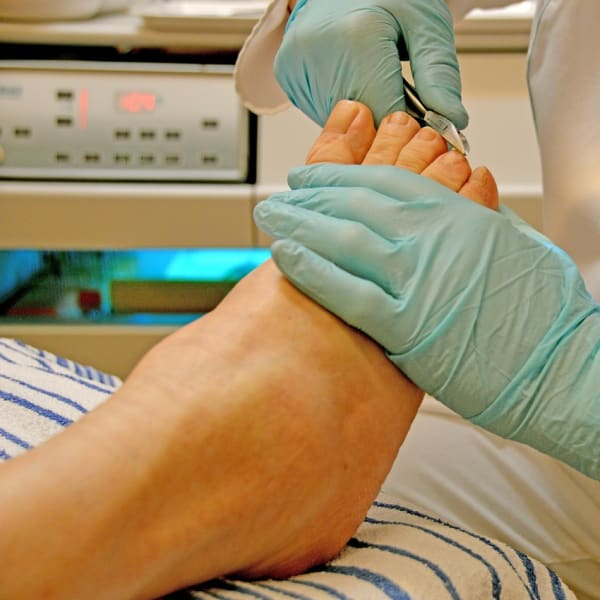
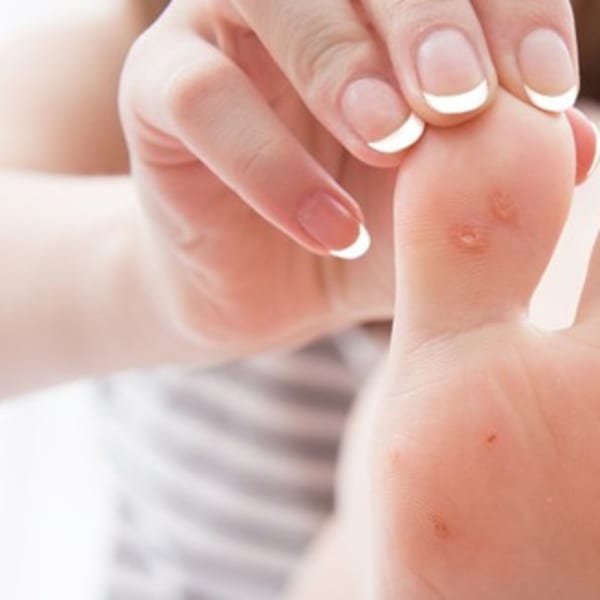
Fungal Infections. One consequence of Raynaud’s Syndrome is lifting of the nail plate from the nail bed (onycholysis). Should this persist, the nail may become susceptible to fungal infections. Fungus organisms love to infest these wide, open spaces. Keeping nails trimmed short will help prevent this, thus reducing trauma and creating less area for the fungus to invade. Keep in mind that fungal infections occur more often in toenails than in fingernails due to the moist environment in shoes. There are excellent topical and oral medications available for treating nail fungus, which should be discussed with a dermatologist. The yeast fungus candida thrives in open spaces beneath the nail plate and is often the culprit in this situation. If the infection persists, antifungal therapy should be administered by a dermatologist.
Bacterial Infections. Nails grow more slowly during cold weather. As a result, they are thicker than normal. Although thicker nails are not usually a problem, they are more susceptible to injury and could likewise be invaded by fungus and bacteria. The most common bacterial infection is due to pseudomonas, referred to as “green nails,” which causes a greenish-colored nail plate. Pseudomonas is generally caused from air pockets under the nail plate. Moisture gets in the air pocket and the green pigment-producing organism thrives in the moist environment. This is usually accompanied by onycholysis, so a dermatologist should intervene. Removal of the infected, lifted nail is performed — painlessly, I might add — and then appropriate antibiotics administered.