Onycholysis is a condition that causes nails to separate from the nail bed. If addressed quickly, this common nail disorder poses no danger to clients.
by Staff
June 24, 2011
3 min to read
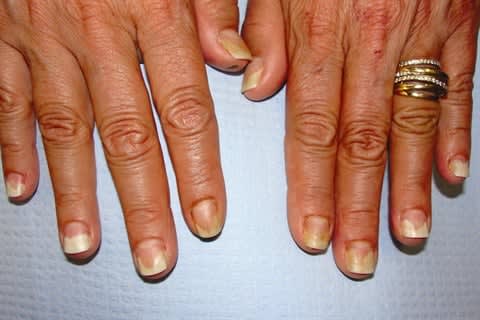
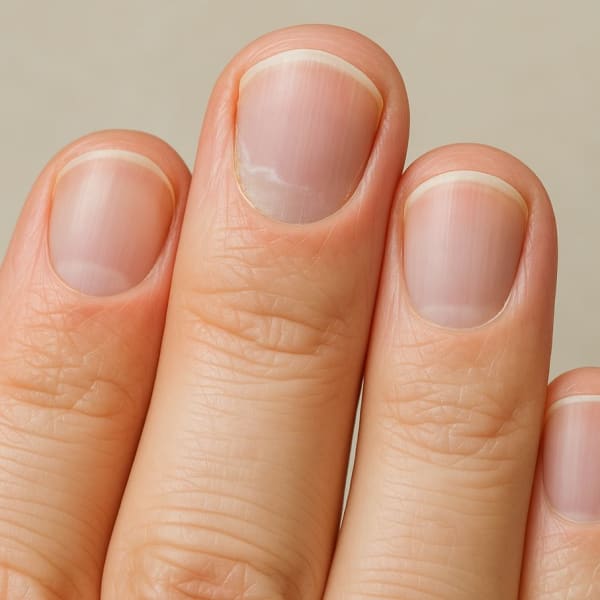
What is it?Onycholysis is a condition that causes nails to separate from the nail bed beginning at the distal end of the nail (under the free edge). The nail itself will appear healthy, often maintaining its shape and strength. Techs will be able to see the separation easily on natural nails and through light-colored enhancement products. The section of the nail that is separated will appear white in color, as there is air between the nail and the bed. When onycholysis is the result of a skin condition or medication, clients will have additional symptoms beyond nail separation.
How do you get it? So many factors can contribute to nail separation that the exact cause of onycholysis can be difficult to determine. The three most common causes are 1) the skin being exposed to an irritant; 2) some type of trauma to the nail; 3) over-exposure to water. Some skin conditions, such as eczema or psoriasis, can also cause onycholysis. Other times the condition is caused by medications, such as oral contraceptives, radiation, and some prescription drugs. More serious health issues, such as thyroid problems, may also cause nails to separate from the nail bed.
Ad Loading...
How is it treated? Secondary infections from onycholysis are not uncommon, so it’s important to catch and treat onycholysis early. Of course, treatment depends on identifying the cause of the problem for that particular sufferer. For example, treatment of hyperthyroidism will allow the nails to regrow normally and nail infections can be treated with antimicrobials. Onycholysis related to psoriasis or eczema may respond to a topical corticosteroid. In general, clients should clip the affected portion of the nail and keep the nails short, keep the nail bed dry, avoid exposure to contact irritants, and wear gloves for wet work. The portion of nail that has separated will not reattach to the nail bed, so you will have to wait until the nail is fully regrown for the condition to be completely gone.
What can a tech do? If the onycholysis is due to trauma or a skin irritant, trim the nail back, manicure the nail, and let the client know an enhancement can be added as soon as the nail has grown out. If the onycholysis is caused from a medical condition or prescription medication, clip the nail back, manicure the nail, and advise the client to see her doctor. In either case, do not apply product over the area. Instruct clients to keep the area dry between appointments. As clients see the nail grow, they can clip, file, or buff the nail at home.
What else? Fungal infection of the nail, also known as onychomycosis, appears first an onycholysis. Dermatologists estimate these fungal infections account for 50% of all nail disorders they treat. Recent studies suggest that as much as 13% of the U.S. population has a fungal infection of one or more nails. As the fungal infection advances, the separated nail appears yellow and opaque, then appears crumbled and can brown.
Uncured gel polish and microscopic e-file dust contain active acrylates that penetrate the skin, triggering permanent contact dermatitis. Learn the chemistry behind these irritants and how to protect your clients and yourself.
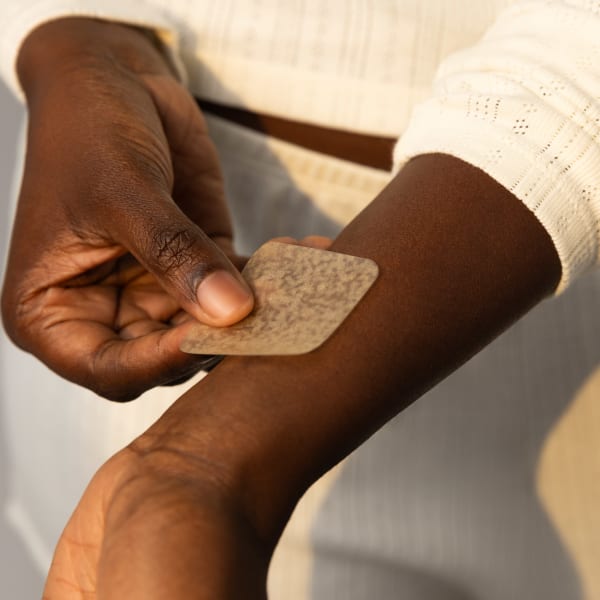
The Good Patch is a leading wearable wellness patch brand, offering wellness and skincare patches that support everyday needs including energy, sleep, relaxation and more.
Orthopedic PT reveals three daily exercises plus ergonomic advice that can help salon professionals avoid the aches and injuries caused by standing, bending and repetitive overhead work.
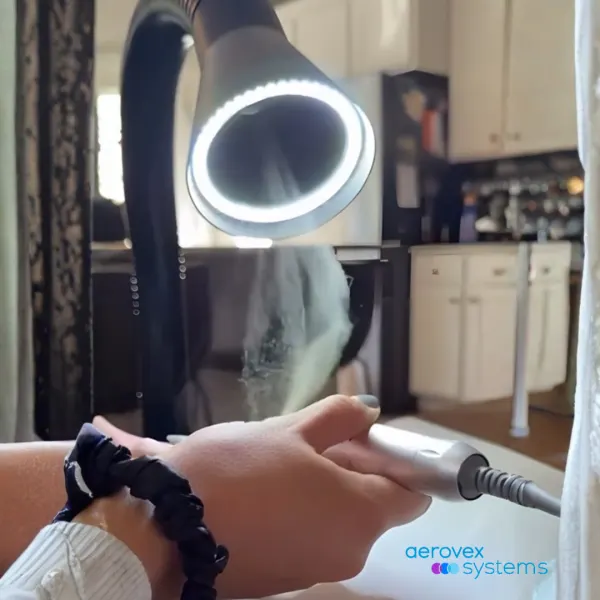
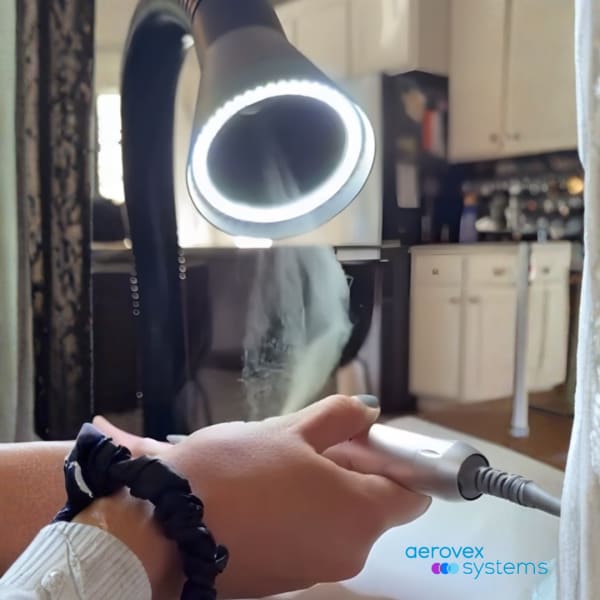
From acrylic monomers to airborne bio-dust, the air inside a nail salon carries risks most professionals never see coming. Aerovex Systems reveals the source-capture and room-purification strategies that are setting a new standard for salon safety.
Working in beauty doesn’t have to hurt. Learn how Somatic Movement helps hairstylists, lash artists, and other beauty pros release tension, improve posture, and extend their careers.
As a spa or salon professional, your clients expect more than just beauty—they expect safety, hygiene, and peace of mind. Fungal infections like Athlete’s Foot and Nail Fungus are more common than you think, especially in environments where tools and footbaths are reused without proper sanitation. This blog covers how to stop these issues before they start, using proven infection prevention strategies for salons and spas.
A federal initiative aimed at studying chemical exposure in nail salons has ended due to staffing and budget changes. Here’s what the project set out to do—and what its conclusion means for salon professionals.
For many people, a pedicure is a relaxing beauty ritual. But what most don’t realize is that this simple service, if done without proper hygiene and sanitation, can cause serious infections and long-term health issues.
Onycholysis is the separation of the nail plate from the nail bed. While it may look painful, it typically isn’t—at least not at first. But without proper care, this common nail disorder can lead to infections, deformities, and long-term damage.
Mckenzie Kool, Psychologist, MC, RPsych provides us with guidance on what may or not be helpful in speaking with someone who has suffered a significant loss.
Clients come to you to feel their best—not leave with a viral souvenir. Warts and cold sores can spread fast in busy salons, but a few smart habits make all the difference. Let’s talk about what’s really lurking in your salon (and how to kick it to the curb).
As Earth Day approaches, The Green Beauty Community Foundation and the Green Spa Network invite beauty pros to step forward and embrace sustainability through the Green Pledge--a powerful initiative designed by and for beauty industry leaders.
Don’t cancel Valentine’s Day altogether, urges Jill Palmquist. Instead, think of it as a (frilly, flowery, Champagne-bubbly) wake-up call to fall deeply in love with your own life.
Life coach and Culture Ambassador of Sam Villa, Andrew Carruthers, outlines how to tell if your burnout is temporary - or if it's time to make a bigger career change.