Somewhat unsightly and decidedly painful, plantar warts are an annoying, persistent nuisance. But early, consistent treatment could be all it takes to eliminate this common virus.
(plan’ tär werts’) benign growths that occur on the sole (plantar surface), heel, or ball of the foot.
Even if you haven’t had occasion to view someone’s plantar wart, you’ve likely seen the run-of-the-mill, everyday wart. Warts develop from exposure to the human papillomavirus (HPV). HPV thrives in warm, moist environments, such as in locker rooms or around swimming pools, so exposure to the virus is common. HPV enters the body through cuts or breaks in the skin, but doesn’t always develop into a wart because the immune system may kill the virus. However, there are times when conditions are perfect, and the virus begins to grow — and warts develop. When warts form on the plantar surface — or bottom — of the feet, they are referred to as “plantar warts.”
Ad Loading...
Children and teenagers are more likely to develop plantar warts, but adults are not immune from them. Because plantar warts are often located on weight-bearing areas of the foot, they can grow deep into the skin and be quite painful.
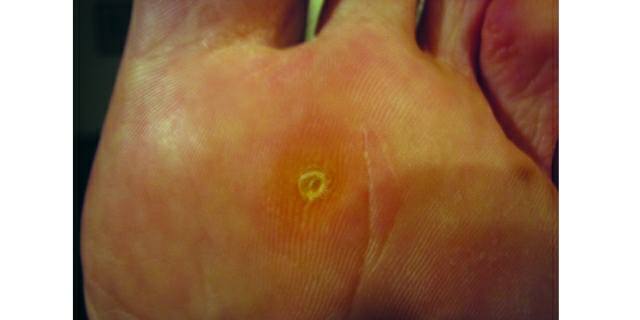
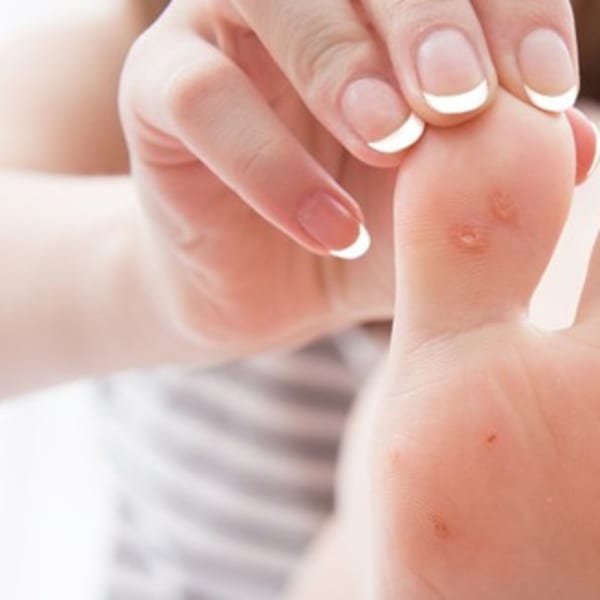
Clients can alert techs to plantar warts by complaining that an area of the foot is tender or that it feels as if there’s a bump under the skin. To identify plantar warts, look for firm, round, flat bumps on the foot. A single wart can multiply quickly, creating clusters of warts. Techs may see small black dots among the clusters. These dots have been called the “seeds” of new warts, but they are actually clotted blood vessels. One way to distinguish between warts and corns or calluses is the appearance of these black dots. This indicates a blood supply, making it distinctly different from the thick, protective skin that forms to produce a corn or callus. Another way to distinguish warts from corns and calluses is in how quickly they grow. A corn or callus can take several years to grow; in comparison, a wart can grow in a matter of months.
Plantar warts can spread rapidly from one part of the foot to another. According to the Mayo Clinic “the virus can spread by touching or scratching. The virus can also spread by contact with skin shed from a wart or blood from a wart.” The ability for warts to spread from one client to another should be a concern for any tech.
Plantar warts often heal through the body’s own immune system, but most people prefer to be proactive in an attempt to clear them up quickly. For clients who are willing to try over-the-counter remedies, techs have a number of options to recommend. First, use an over-the-counter wart treatment that contains salicylic acid. When the salicylic acid is applied, it destroys skin cells, so warn clients to use caution. The destroyed cells should be removed by filing, and the application/removal process repeated until the warts are eliminated.
Clients who find little success with over-the-counter treatments can make an appointment with their doctor. Doctors remove warts by using an acid solution stronger than the one available over the counter, plus they are able to shave the skin that has been destroyed from the acid. Another option that has proven to be effective is freezing. Doctors administer liquid nitrogen to the site of the wart, and within a few days dead skin peels away. Laser surgery can also be used to remove plantar warts, but because of the expense, many doctors shy away from it.
Ad Loading...
WHAT'S A TECH TO DO?
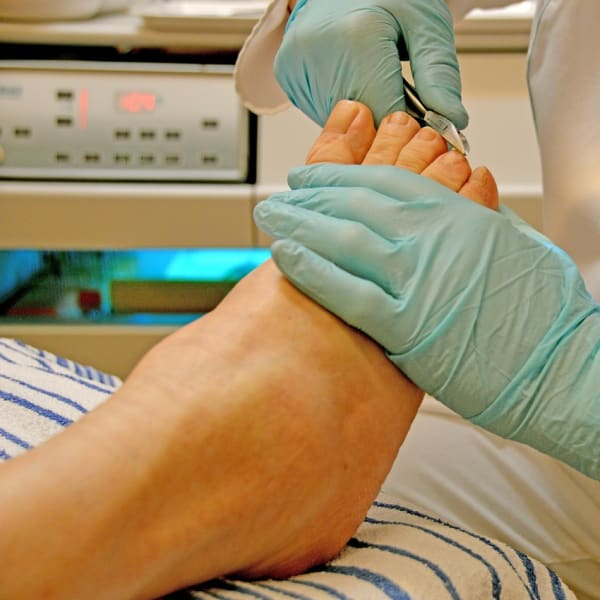
While plantar warts are treatable and pose little risk for the client, they are contagious. Techs should be very careful with implements and foot baths after servicing a client with plantar warts. Use disposable files and wash the foot bath with hospital-grade disinfectant. Thoroughly clean the service area, as warts can be spread through exposure to skin cells. Let clients know that at-home remedies have proven to be effective, but treatments received at a doctor’s office eliminate warts more quickly. Consult with clients about their preferred treatment plan. When techs see plantar warts on clients with diabetes or circulation problems, they should refer clients to a doctor for treatment. If a client complains the wart is not responding to at-home treatments or that it has spread to other parts of the foot during treatment, refer the client to a doctor.
COMMON HOME REMEDIES
It’s possible for warts to go away without treatment, thanks to the body’s immune system. However, if one chooses to treat a wart, one step of the treatment is to buff, file, or shave off the thick, dead skin that covers the wart. Water soaks and vitamin A soften that skin, making it easier to remove. However, clients may get frustrated with this slow, gentle treatment, because it could take months to see results.
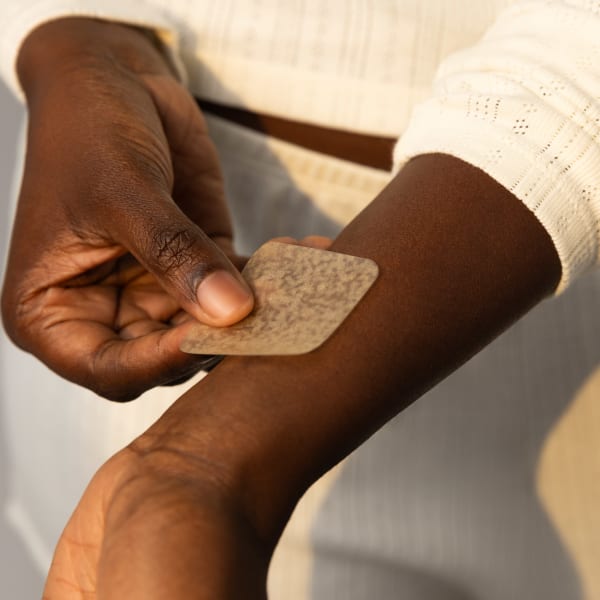
Another option is duct tape. It may sound like an old wives’ tale, but it’s true. The Mayo Clinic reports: In “duct tape therapy,” people covered their warts in duct tape for six days, soaked them in water, and then gently rubbed warts with an emery board or pumice stone. The hypothesis of why duct tape works is that the irritation caused by the tape may stimulate the body’s immune system to fight off the wart.
Uncured gel polish and microscopic e-file dust contain active acrylates that penetrate the skin, triggering permanent contact dermatitis. Learn the chemistry behind these irritants and how to protect your clients and yourself.
The Good Patch is a leading wearable wellness patch brand, offering wellness and skincare patches that support everyday needs including energy, sleep, relaxation and more.
Orthopedic PT reveals three daily exercises plus ergonomic advice that can help salon professionals avoid the aches and injuries caused by standing, bending and repetitive overhead work.
From acrylic monomers to airborne bio-dust, the air inside a nail salon carries risks most professionals never see coming. Aerovex Systems reveals the source-capture and room-purification strategies that are setting a new standard for salon safety.
Working in beauty doesn’t have to hurt. Learn how Somatic Movement helps hairstylists, lash artists, and other beauty pros release tension, improve posture, and extend their careers.
As a spa or salon professional, your clients expect more than just beauty—they expect safety, hygiene, and peace of mind. Fungal infections like Athlete’s Foot and Nail Fungus are more common than you think, especially in environments where tools and footbaths are reused without proper sanitation. This blog covers how to stop these issues before they start, using proven infection prevention strategies for salons and spas.
A federal initiative aimed at studying chemical exposure in nail salons has ended due to staffing and budget changes. Here’s what the project set out to do—and what its conclusion means for salon professionals.
For many people, a pedicure is a relaxing beauty ritual. But what most don’t realize is that this simple service, if done without proper hygiene and sanitation, can cause serious infections and long-term health issues.
Onycholysis is the separation of the nail plate from the nail bed. While it may look painful, it typically isn’t—at least not at first. But without proper care, this common nail disorder can lead to infections, deformities, and long-term damage.
Mckenzie Kool, Psychologist, MC, RPsych provides us with guidance on what may or not be helpful in speaking with someone who has suffered a significant loss.
Clients come to you to feel their best—not leave with a viral souvenir. Warts and cold sores can spread fast in busy salons, but a few smart habits make all the difference. Let’s talk about what’s really lurking in your salon (and how to kick it to the curb).
As Earth Day approaches, The Green Beauty Community Foundation and the Green Spa Network invite beauty pros to step forward and embrace sustainability through the Green Pledge--a powerful initiative designed by and for beauty industry leaders.
Don’t cancel Valentine’s Day altogether, urges Jill Palmquist. Instead, think of it as a (frilly, flowery, Champagne-bubbly) wake-up call to fall deeply in love with your own life.
Life coach and Culture Ambassador of Sam Villa, Andrew Carruthers, outlines how to tell if your burnout is temporary - or if it's time to make a bigger career change.