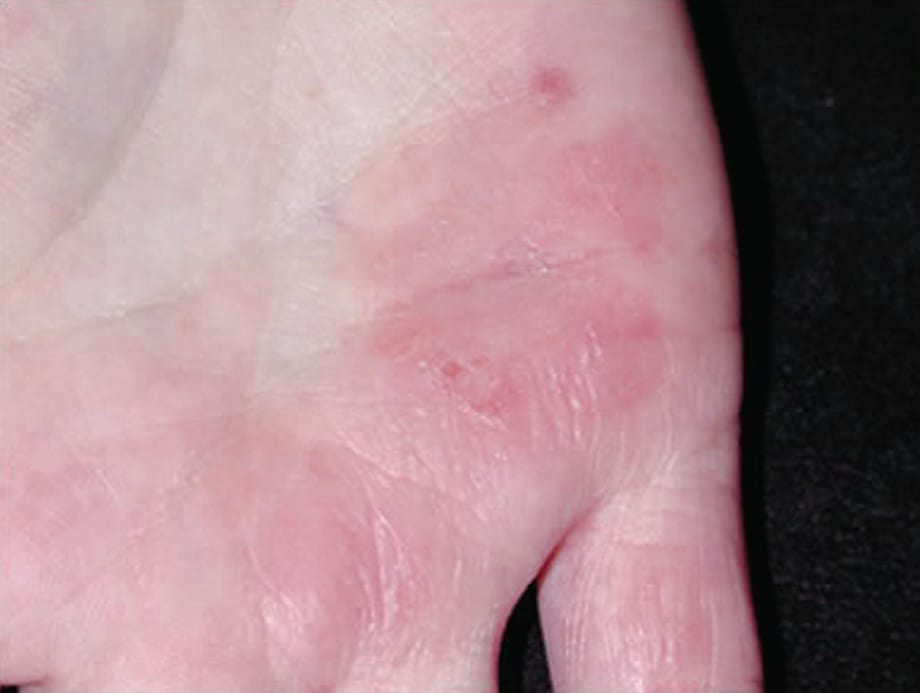
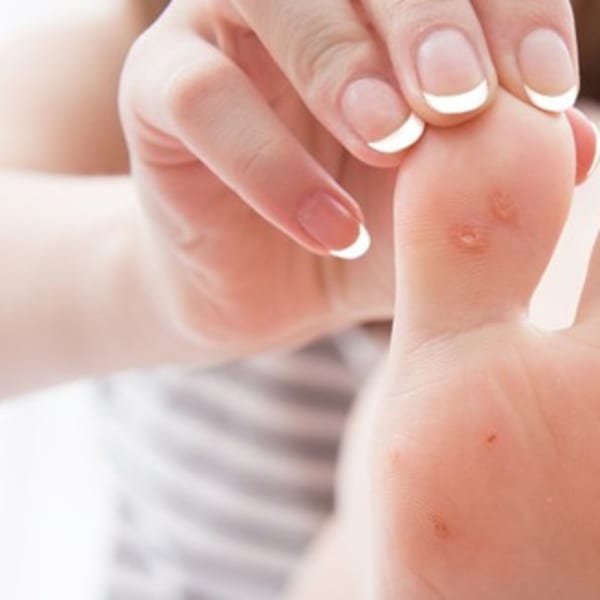
eczema (‘ek ze me) a chronic skin condition that is characterized by red, itchy, swollen rashes on the skin.
5 min to read
eczema (‘ek ze me) a chronic skin condition that is characterized by red, itchy, swollen rashes on the skin.
According to the American Academy of Dermatology, about 15 million Americans suffer from eczema. With numbers like that, it’s likely a nail tech is going to encounter a client who has it. Eczema is a word we throw around easily, but it’s actually a generic term for many different skin conditions. A more accurate term for what we normally identify as eczema is “atopic dermatitis.” It’s accurate to call atopic dermatitis “eczema,” but it’s important to note that not all eczema is acute dermatitis.
The eczema we’re discussing here appears as a red, swollen rash. Depending on the stage of the eczema, the rash could appear scaly or thick; it could appear moist or leak fluid; it may even contain small, raised bumps. Clients will complain of itching, a classic tell-tale indicator of eczema. Small rashes may appear around the eyes and lips, but most flare-ups are on the inside of elbows, the backs of the knees, or the underside of the hands.
Ad Loading...
This form of eczema is called atopic dermatitis because the condition is believed to be the result of an allergen. An allergen is anything that triggers an allergic reaction. Often this form of eczema is hereditary; the client may have suffered from it since childhood. This isn’t always the case, however; it is possible to develop eczema as an adult.
Allergens that trigger flare-ups of eczema can come from food, animals, the sun, the cold, or any number of environmental factors. Triggers are as unique as the person suffering. What’s important to remember is that during a flare-up, a person’s immune system is working overtime to try to combat a foreign substance. Often the immune system has been compromised prior to the exposure to the allergen, so it is too weak to provide adequate protection. Stress, illness, or exhaustion can weaken one’s immune system. Because of this, treatment of eczema works best with a two-prong approach.
The first is to strengthen the body’s immune system through supplements. Healthy eating, regular exercise, and adequate rest also help build a healthy immune system, allowing the body to heal itself as its first line of defense.
But even the healthiest among us still reacts to allergens, so the second approach is external. It’s important to pinpoint the source of the allergen and get rid of it, but sometimes it’s impossible to identify the trigger. In this case the only thing left to do is to treat the rash. Warm soaks, creams, light therapy, cotton material against the skin, and antihistamines are all useful treatments.
Proper moisture is crucial to reduce the itch of eczema, so creams should be applied immediately after a warm soak, and the skin should be kept hydrated throughout the day. Creams can be natural, such as calendula cream, or they can be by prescription, such as cortisone or steroid creams. If it’s difficult for a client to manage her eczema and prevent flare-ups through topical creams, she may need more aggressive treatments, such as light therapy or medications that can modify the immune system.
Ad Loading...
WHAT’S A TECH TO DO?
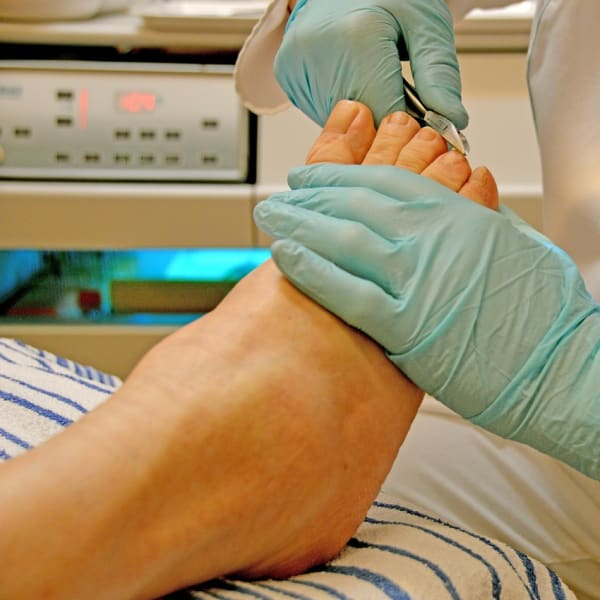
Though the condition is often heredity and is never contagious, techs can still be intimidated to touch a client’s hands when eczema is severe. Techs have a couple of options when they recognize eczema on the client’s hands or feet. First, they can choose to hold the client’s hands or feet as they would any other client, bravely touching the rash if necessary. A second option is to offer a gentle treatment during the service. Soak the client’s hands or feet in a warm bath. Apply a gentle, unscented lotion to her skin after the soak. Wrap her hands/ feet loosely in a cotton cloth, leaving the toes or fingernails exposed. Perform the service on the exposed digits, holding the towel when you need to move the hands and feet.
[PAGEBREAK]
Techs may need to make a tough decision if a client arrives for an appointment with a flare-up of eczema. Since a flare-up indicates an overly sensitive immune system, application of nail products could worsen the eczema rash, because nail products are known allergens. Use your professional judgment. Let the client know about the increased risk with exposure to product. It’s likely the client will know her body well enough to know if it’s a risk she wants to take. Educate your client on ways to avoid flare-ups, and always recommend she see a doctor to develop a personalized treatment plan.
Techs may not recognize eczema on the nail in its earliest stages, mistaking it for a case of common dry skin.
ECZEMA ON THE NAILS
Ad Loading...
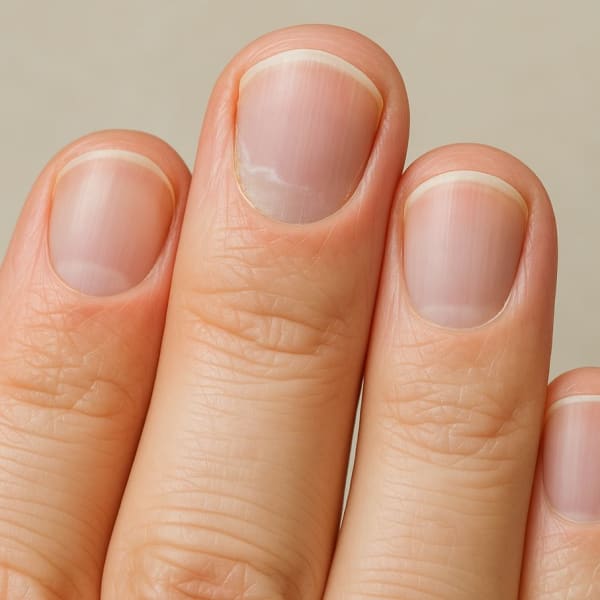
Sometimes eczema strikes the hands, sometimes the nails. On the nails, the condition can present itself as severe dry skin or as a red, itchy rash. Techs may not recognize eczema on the nail in its earliest stages, mistaking it for a case of common dry skin. However, as the condition worsens, eczema will be evident both by the red, scaly look of the skin and by the client’s complaint of severe itch and irritation.
When techs suspect eczema is present on the skin, they should remove any artificial product that’s been applied. Nail products or other chemicals are known allergens, and if the skin is already compromised from eczema, these allergens may prevent the eczema flare-up from healing. Suggest clients visit their doctor for a diagnosis and treatment plan. Let clients be aware that the treatment could take a number of months, so they shouldn’t be discouraged if they don’t see immediate results.
Uncured gel polish and microscopic e-file dust contain active acrylates that penetrate the skin, triggering permanent contact dermatitis. Learn the chemistry behind these irritants and how to protect your clients and yourself.
The Good Patch is a leading wearable wellness patch brand, offering wellness and skincare patches that support everyday needs including energy, sleep, relaxation and more.
Orthopedic PT reveals three daily exercises plus ergonomic advice that can help salon professionals avoid the aches and injuries caused by standing, bending and repetitive overhead work.
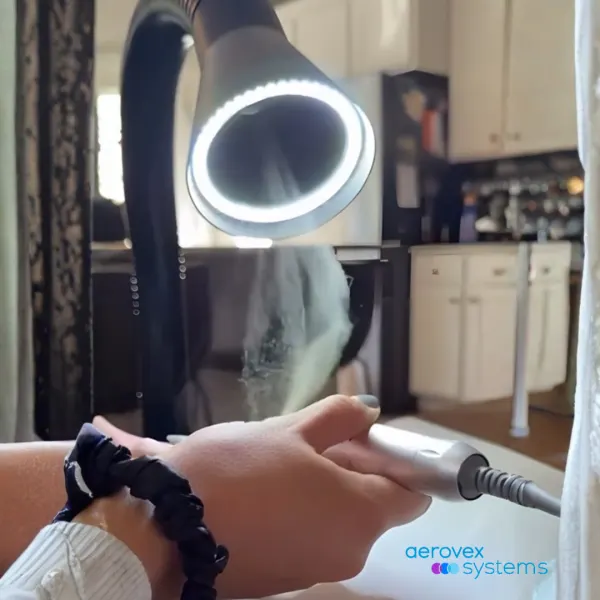
From acrylic monomers to airborne bio-dust, the air inside a nail salon carries risks most professionals never see coming. Aerovex Systems reveals the source-capture and room-purification strategies that are setting a new standard for salon safety.
Working in beauty doesn’t have to hurt. Learn how Somatic Movement helps hairstylists, lash artists, and other beauty pros release tension, improve posture, and extend their careers.
As a spa or salon professional, your clients expect more than just beauty—they expect safety, hygiene, and peace of mind. Fungal infections like Athlete’s Foot and Nail Fungus are more common than you think, especially in environments where tools and footbaths are reused without proper sanitation. This blog covers how to stop these issues before they start, using proven infection prevention strategies for salons and spas.
A federal initiative aimed at studying chemical exposure in nail salons has ended due to staffing and budget changes. Here’s what the project set out to do—and what its conclusion means for salon professionals.
For many people, a pedicure is a relaxing beauty ritual. But what most don’t realize is that this simple service, if done without proper hygiene and sanitation, can cause serious infections and long-term health issues.
Onycholysis is the separation of the nail plate from the nail bed. While it may look painful, it typically isn’t—at least not at first. But without proper care, this common nail disorder can lead to infections, deformities, and long-term damage.
Mckenzie Kool, Psychologist, MC, RPsych provides us with guidance on what may or not be helpful in speaking with someone who has suffered a significant loss.
Clients come to you to feel their best—not leave with a viral souvenir. Warts and cold sores can spread fast in busy salons, but a few smart habits make all the difference. Let’s talk about what’s really lurking in your salon (and how to kick it to the curb).
As Earth Day approaches, The Green Beauty Community Foundation and the Green Spa Network invite beauty pros to step forward and embrace sustainability through the Green Pledge--a powerful initiative designed by and for beauty industry leaders.
Don’t cancel Valentine’s Day altogether, urges Jill Palmquist. Instead, think of it as a (frilly, flowery, Champagne-bubbly) wake-up call to fall deeply in love with your own life.
Life coach and Culture Ambassador of Sam Villa, Andrew Carruthers, outlines how to tell if your burnout is temporary - or if it's time to make a bigger career change.