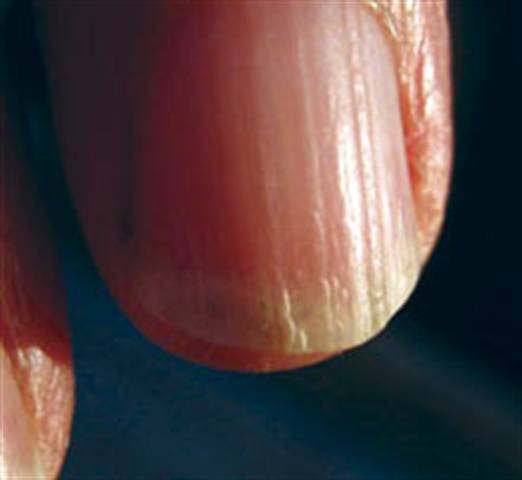
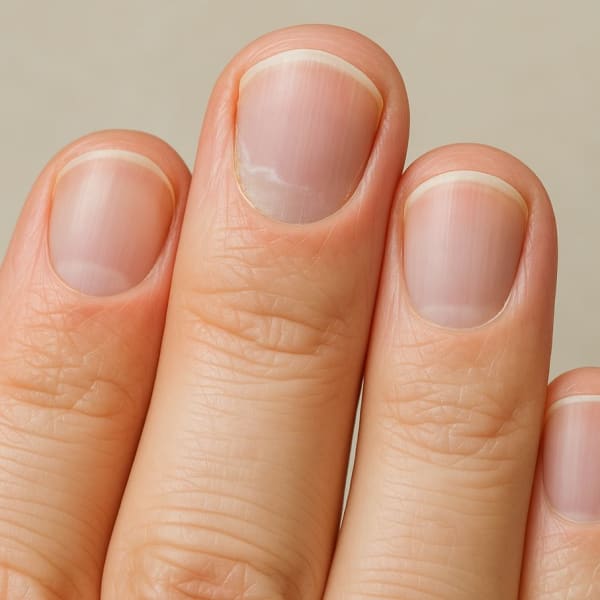
It’s a long name for a common condition — longitudinal ridging — and just the type of problem that makes nail techs look like miracle workers in the eyes of their clients.
“Onychorrhexis just means brittle nails,” says Dr. Joseph Jorizzo, a dermatologist and professor at Wake Forest University in Winston-Salem, N.C. When nails are brittle, they often split at the ends and have longitudinal ridging. The appearance of longitudinal ridging alone is referred to as onychorrhexis. The appearance of split ends alone is referred to as onychoschisis. However, many times a client will have both longitudinal ridging and split ends together, making brittle nails a common complaint, says Jorizzo. Many times a cause for split ends can be determined. However, Jorizzo says, many clients want to know a cause for onychorrhexis when often there isn’t one.
Ad Loading...
Eventually, says Jorizzo, nearly everyone will get onychorrhexis because it’s something that happens with age. “This is not the slightest bit a health issue,” assures Jorizzo. When clients come in looking for a solution to longitudinal ridging, Jorizzo says he’s put in the position of having to find an appropriate way to say it’s because they are getting older. Because onychorrhexis is a natural result of aging, it affects both men and women, and both the fingernails and toenails.
Some clients will have onychoschisis, splitting on the ends, but they have no evidence of longitudinal ridging. The culprit for splitting ends in an otherwise healthy nail could be environmental. Nails can split at the tips when the hands are frequently in solvents, such as alcohol or water, or if their nails tap frequently against a keyboard or piano keys.
While the most common cause of onychorrhexis is age, there are times when onychorrhexis is not the result of aging. When this is the case, doctors look for a systemic health problem that is changing the structure of the nails. “I’ve had clients come in with onychorrhexis who are also suffering from bulimia, anorexia, and cancer,” says Jorizzo. When the body’s systems are affected, the structure of the nail will also change. These health conditions, or their treatments, can cause a change in the protein make up of the nail, which will result in onychorrhexis.
Onychorrhexis can also be the result of psoriasis, eczema, and other skin conditions. The good news is that generally these skin conditions can be treated, and when they have been resolved, the nails will recover. However, even in these cases, onychorrhexis itself isn’t a problem, per se. It’s simply evidence of a larger problem within the body.
No treatment for onychorrhexis exists, and the condition isn’t seen as a health concern. As with split ends or dryness in the hair, the condition may be an inconvenience to a client, but it doesn’t pose a health risk. Cosmetic solutions exist, such as nail creams and strengtheners, but “no FDA-approved treatment for brittle nails exists,” says Jorizzo. There was a time when gelatin had a reputation of improving nails, says Jorizzo, but this is based more on myth than medical evidence.
Ad Loading...
What’s a Tech to Do? Conditions like onychorrhexis are rewarding to nail techs because we specialize in beautification. When a client comes in with splitting at the tips of the nail plate and longitudinal ridging, determine whether she has a skin condition such as psoriasis or eczema. If not, ask about the overall health of the client: Is she under a doctor’s care for any health problems? Is she taking medications with side effects to the nail? If she is under the care of a doctor, make sure the doctor is comfortable with her getting nail enhancements. As we know, the nails are the window to the body. The doctor might want to keep the nails natural so she can continue to use them as a gauge of what is happening internally. If a client has no known health conditions, but the skin around the nails looks compromised, or the nails show signs of pitting, refer her to a dermatologist.
If she has no health condition, and her cuticles are not compromised from a skin problem, do your magic. Enhancements are no danger to clients with onychorrhexis, and the difference in the appearance of her nails after a visit to your salon will earn you a loyal, grateful client. Keep in mind whatever is causing the nails to split — the nails in solvents or constant keyboard tapping, for example — may mean that the enhancements will take more of a beating.
If clients prefer natural nails, techs can beautify nails that are split and ridged by performing a natural nail manicure or pedicure. Dr. Jorizzo says there is no treatment on the market that “cures” onychorrhexis; however, anecdotal evidence offers a possible solution. The ingredient biotin has been shown to improve the overall strength of the nail. Appearex is an oral, over-the-counter product that contains biotin. It can be found at health food stores and drugstores. “It makes the cosmetic claim that it improves nails,” says Jorizzo, “and it seems to make people with brittle nails happier.”
Techs can recommend a client learn more about the health supplement Appearex, but be sure to remind clients that results will take a while to notice. Nails grow at an average rate of 1 mm per week, so even if it does help a client, she won’t see improvement immediately. “The matrix extends 4 mm back from the cuticle,” says Jorizzo. It will take four weeks for the matrix to improve, then four more weeks for it to be evident at the base of the nail, and then four more weeks for the nail to show overall signs of improvement. It can take up to six months for the total nail to be replaced. In the meantime, regular manicure appointments will keep nails looking beautiful.
Uncured gel polish and microscopic e-file dust contain active acrylates that penetrate the skin, triggering permanent contact dermatitis. Learn the chemistry behind these irritants and how to protect your clients and yourself.
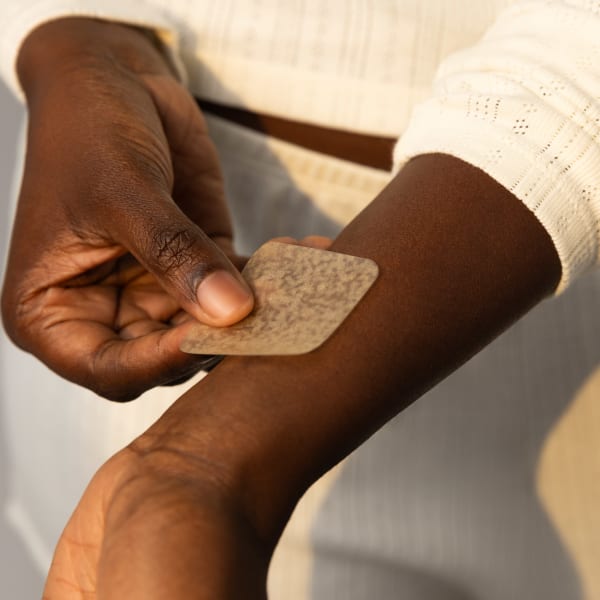
The Good Patch is a leading wearable wellness patch brand, offering wellness and skincare patches that support everyday needs including energy, sleep, relaxation and more.
Orthopedic PT reveals three daily exercises plus ergonomic advice that can help salon professionals avoid the aches and injuries caused by standing, bending and repetitive overhead work.
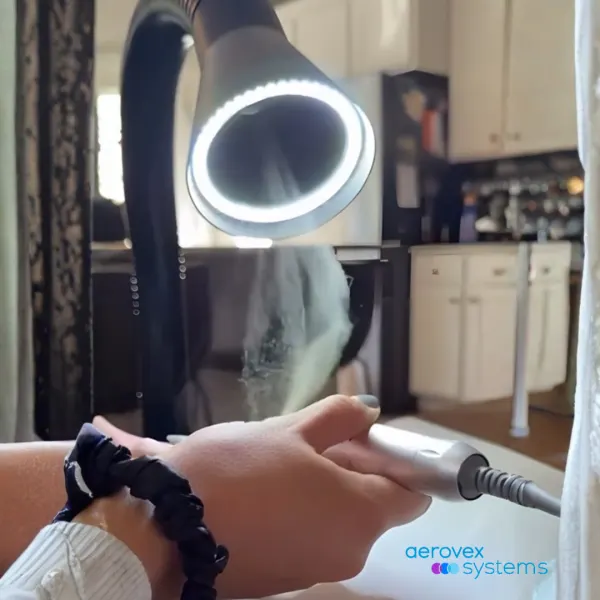
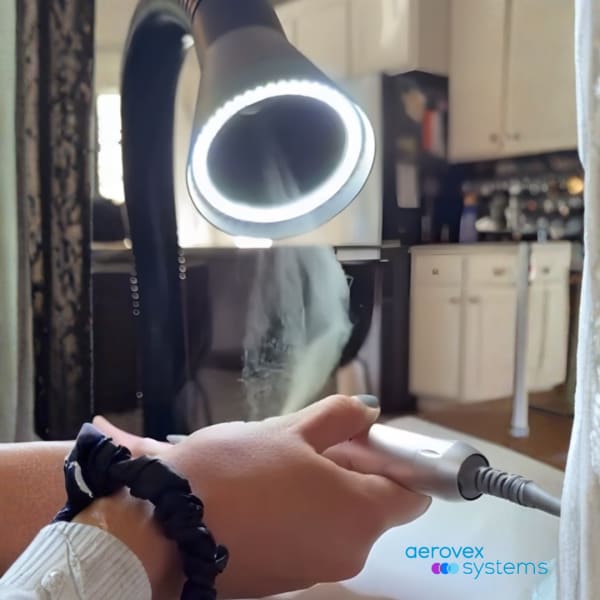
From acrylic monomers to airborne bio-dust, the air inside a nail salon carries risks most professionals never see coming. Aerovex Systems reveals the source-capture and room-purification strategies that are setting a new standard for salon safety.
Working in beauty doesn’t have to hurt. Learn how Somatic Movement helps hairstylists, lash artists, and other beauty pros release tension, improve posture, and extend their careers.
As a spa or salon professional, your clients expect more than just beauty—they expect safety, hygiene, and peace of mind. Fungal infections like Athlete’s Foot and Nail Fungus are more common than you think, especially in environments where tools and footbaths are reused without proper sanitation. This blog covers how to stop these issues before they start, using proven infection prevention strategies for salons and spas.
A federal initiative aimed at studying chemical exposure in nail salons has ended due to staffing and budget changes. Here’s what the project set out to do—and what its conclusion means for salon professionals.
For many people, a pedicure is a relaxing beauty ritual. But what most don’t realize is that this simple service, if done without proper hygiene and sanitation, can cause serious infections and long-term health issues.
Onycholysis is the separation of the nail plate from the nail bed. While it may look painful, it typically isn’t—at least not at first. But without proper care, this common nail disorder can lead to infections, deformities, and long-term damage.
Mckenzie Kool, Psychologist, MC, RPsych provides us with guidance on what may or not be helpful in speaking with someone who has suffered a significant loss.
Clients come to you to feel their best—not leave with a viral souvenir. Warts and cold sores can spread fast in busy salons, but a few smart habits make all the difference. Let’s talk about what’s really lurking in your salon (and how to kick it to the curb).
As Earth Day approaches, The Green Beauty Community Foundation and the Green Spa Network invite beauty pros to step forward and embrace sustainability through the Green Pledge--a powerful initiative designed by and for beauty industry leaders.
Don’t cancel Valentine’s Day altogether, urges Jill Palmquist. Instead, think of it as a (frilly, flowery, Champagne-bubbly) wake-up call to fall deeply in love with your own life.
Life coach and Culture Ambassador of Sam Villa, Andrew Carruthers, outlines how to tell if your burnout is temporary - or if it's time to make a bigger career change.