





Gloves and Barrier Creams Protect Working Hands
Protecting oneself against chemical absorption at the salon starts with the simple practice of wearing gloves or applying a barrier cream.

 MENU
MENU SEARCH
Loading data...
Protecting oneself against chemical absorption at the salon starts with the simple practice of wearing gloves or applying a barrier cream.
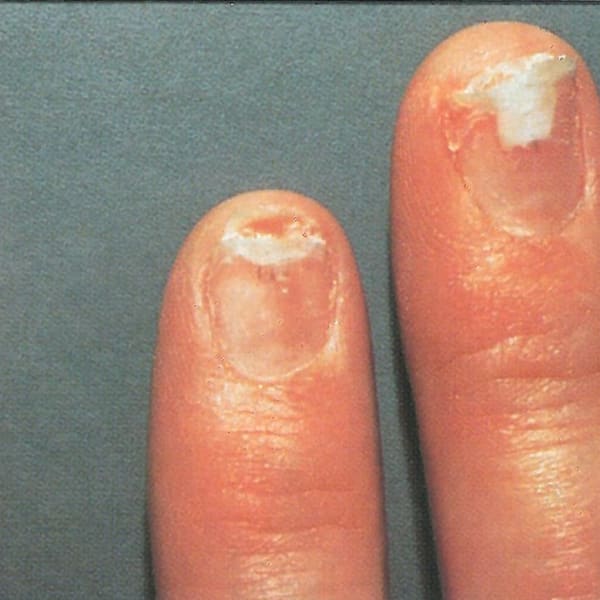

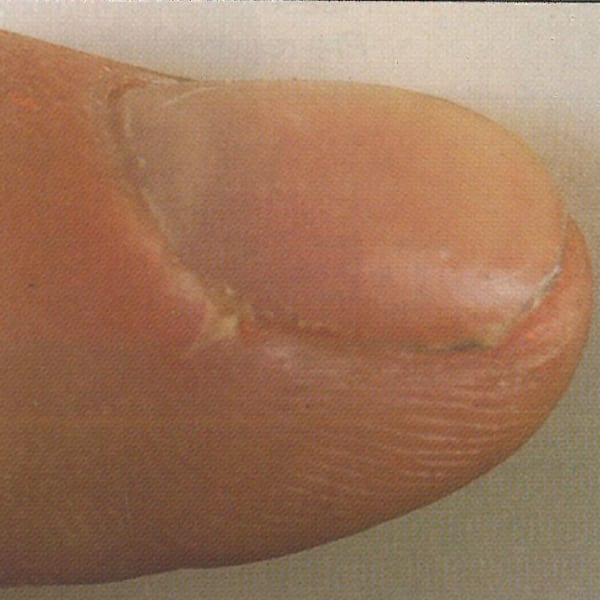
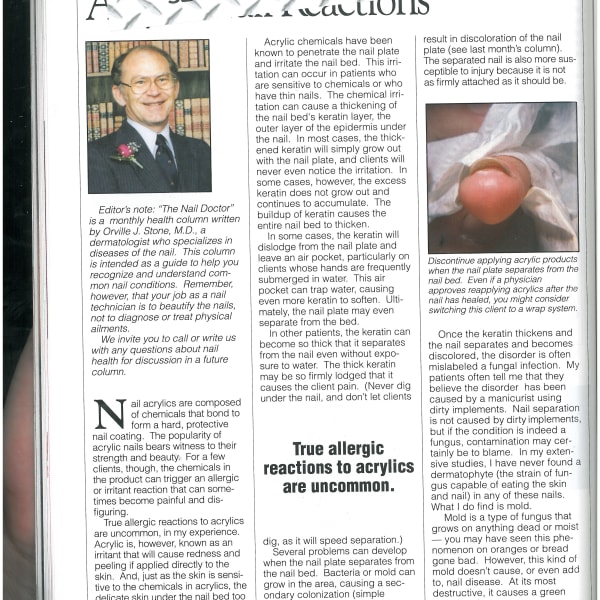
Does red, rough skin, small blisters, and separated nails sound familiar? What you may be calling a fungal infection could be an allergy to nail products.
Several years ago nail technicians expressed concern about the use of formaldehyde in nail polish and nail treatments because it is a know skin irritant and some people are allergic to it. However, I suspect that less than 1/10,000 of human exposure to formaldehyde comes from nail products.
I allow most patients I treat for nail disorders to keep their acrylics while undergoing therapy unless wearing them would be detrimental to their recovery.
Every month, our nail doctor answers readers' questions about any health-related issue.
“The Nail Doctor” is a monthly health column written by Orville J. Stone, M.D., a dermatologist who specializes in diseases of the nail. This column is intended as a guide to help you recognize and understand common nail conditions. Remember, however, that your job as a nail technician is to beautify the nails, not to diagnose or treat physical ailments.
What causes troublesome infections, and what to do about them.