





The Beauty Pro Book Club: 4 Reads to Inspire Growth and Success
Four publications for beauty industry professionals to enhance their leadership skills, financial awareness, professional growth, and joy!
by Anne Moratto


 MENU
MENU SEARCH
Booth renters need to know he rules if they are going to retail effectively. Understanding the terms of your lease and the law governing retail sales is essential. Applying commonsense marketing strategies allows you to maximize profits.
After developing a clientele and perfecting her skills, often the next step in a nail technician’s career is to become a self-employed booth renter. But before a booth renter puts up a “products for sale” sign, she should make sure she knows the rules on retailing. She needs to proceed legally and create an environment conducive to generating retail sales.
Learn the Rules
A well-written contract between the salon or spa owner landlord and the booth renter helps each party understand what to expect from the business relationship. The exact wording in the contract regarding retail is important. Unless the sub-lease contract specifically contains a non-compete clause explicitly prohibiting the renter from selling products that directly compete with the salon retail, it is perfectly legal for the renter to sell products.
In order to maintain an orderly and consistent retail message, many salon or spa owner landlords opt to pay commission or a percentage to the booth renter instead of allowing the booth renter to create her own retail display. However, depending how the funds are paid, this becomes dangerously close to being more of an employee/employer relationship. An owner cannot dictate how a booth renter runs her business.
Another important aspect of the contract is the exact space the booth renter will be renting. Start by checking with the state board; most states have a legal definition of the minimum space allowed per booth rental. In some cases state law will only specify how many nail stations or hair stations can be within a defined square footage-area, from there the salon or spa owner landlord has to divide the space up for booth renters.
It is also important to identify whether or no the renter has the ability to alter the décor in her rented area and if the construction of permanent shelves is allowed. The best way to view a true booth rental situation is that it’s like renting a house. Both parties agree to all the defined rules – such as no pets – before the tenant moves in. But once in, as ling as the contract is abided by, it is the renter’s home. No one is constantly stopping by to tell the renter when to make dinner or what color towels to hang in the bathroom.
Once the contract is ironed out, the next step is to obtain all of the proper permits and licenses. First, get a small business license and then apply for a tax ID number. Also check to see if there are local or county taxes required on resale businesses. A resale tax ID number allows booth renters to buy wholesale products for retail and not pay taxes on the purchase until the merchandise has been sold. The sales income is reported and the collected taxes need to be paid either quarterly or at the end of the year.
Getting Down to Business
Two challenges that renters often face are adequate space for retail product and customer volume. Booth renters should always keep in mind that they are renting a whole “booth” not just a nail table. Every square inch should be used to its maximum potential. With a little extra shelving and some strategically placed lighting, even a small area can generate considerable income for the self-employed nail technician.
For ideas on usage of space, I suggest visiting some of the most intimate boutiques. Even the bath and body section of Victoria’s Secret can be an invaluable source of ideas. These stores pay an incredibly high rental price per square foot, so they have really mastered how to maximize space to generate income. Avoid the common mistake of putting only one of each product out to sell because most consumers are uncomfortable taking the “last one.” Or worse yet, don’t put items behind glass. Retail products cannot be treated like art. If it is behind glass, it doesn’t say “buy me.”
Another simple but often overlooked technique to ensure high retail sales is to proudly display pricing and promotions. Female consumers – more so then male consumers – are often uncomfortable asking how much something costs, but are also hesitant to make a buying decision without knowing the price. Pricing products also helps the technician get past the “guilt” of selling. With a little education from the technician during the service describing what products she is using, the consumer can see the product displayed and decide whether to purchase after she has reviewed the pricing.
Lastly, if the booth renter wants to have spill-over purchases from other salon patrons besides her own, then she has to keep consistent hours. Remember it is a retail business, just like any store – if the store isn’t open, the consumer can’t purchase. Don’t rely on other salon members to handle your retail sales. If the technician works only part time or inconsistent hours, then the product mix needs to be strategically focused on her particular type of customers. For example, if the majority of the clientele is mature or elderly, then the retail focus might be on “anti-aging” type products.
Remember, selling retail products requires an initial investment. You’ll be spending money for inventory, so approach it as a business. Retail can add an incredible boost to the self-employed technician’s income, but don’t set yourself up for failure: know the rules and make it legal before you get down to business.
Four publications for beauty industry professionals to enhance their leadership skills, financial awareness, professional growth, and joy!
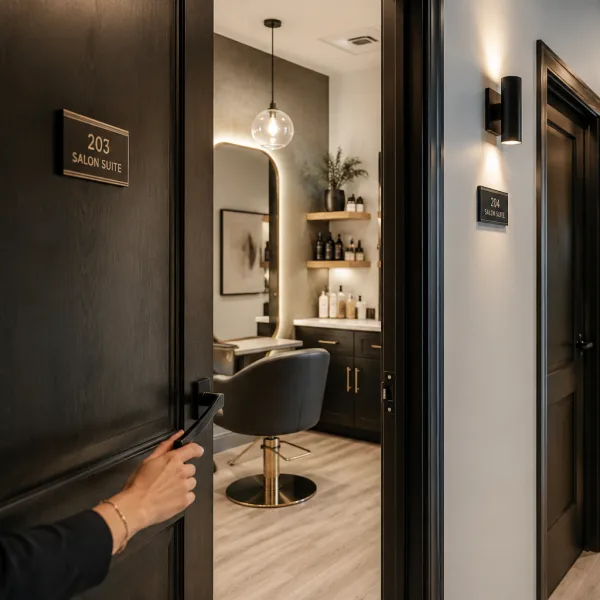
The most successful salon suites balance personality, function, and comfort. Megan Communale of My Salon Suite shares her best advice for designing a space that supports your business goals and leaves a lasting impression on every guest.
Square data shows that regular customers tip 11% higher and are shared across 32% of businesses in the same ZIP code, driving thousands of dollars in additional revenue per connection.
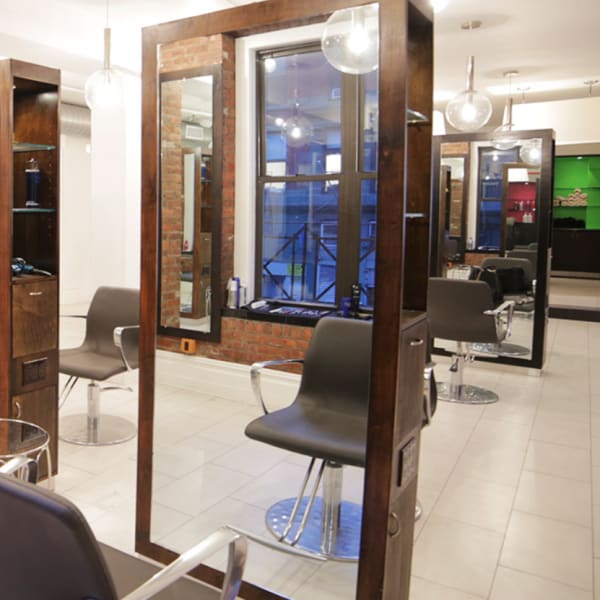
When Bowie Lau and Jeffrey Ching opened JBW Jeffrey Ching Salon in 2011, they weren’t just launching another luxury hair destination—they were building a business rooted in passion, artistry, and thoughtful growth.
Sponsored by Amex

Inside the Systems That Power an Elevated Salon Experience From seamless online booking to a team-first culture, J Gold Salon in Atlanta offers more than great hair—it delivers consistent, high-touch service with the help of partners like Boulevard and American Express.
Sponsored by Amex

Want to grow your career as a beauty professional? K18 Sales Manager Sabrina Sanborn shares advice on networking, mentorship, and self-advocacy—from attending hair shows to finding the right guidance to reach your goals.

A combination of clear policies, effective communication, and strong client relationships has helped me create a more reliable and efficient booking system.
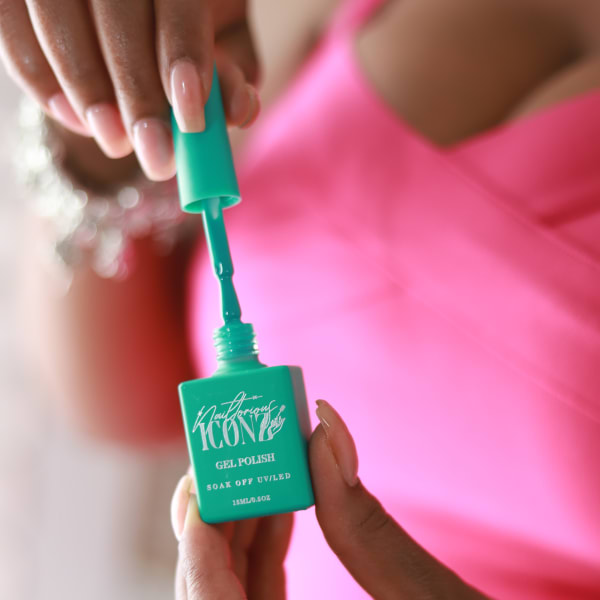
Founded by Cleveland serial entrepreneur Shaura Rodgers, Nailtorious has grown to include a nail supply megastore, training facilities, and retail line for nail techs.

This period after the holidays can bring on a huge lull for hairstylists. We asked Cosmo Prof's team of professionals to offer their best advice on how to deal with the January-February slow period.

Key highlights include a push toward inclusive spaces for all abilities, an emphasis on maximizing livable square footage, and a continued love for modern farmhouse exteriors.

The busy holiday season is here, and with it comes jam-packed days, last-minute client requests and booming retail sales. For many salon owners, the highlight of the season is Small Business Saturday® (SBS). This year on Saturday, November 30, consumers can take their shopping into the small businesses in their communities.
Sponsored by Amex

Want to become savvy about your personal finances, but don't quite know where to start? Anna Manukyan identifies six important concepts for building a strong financial foundation.
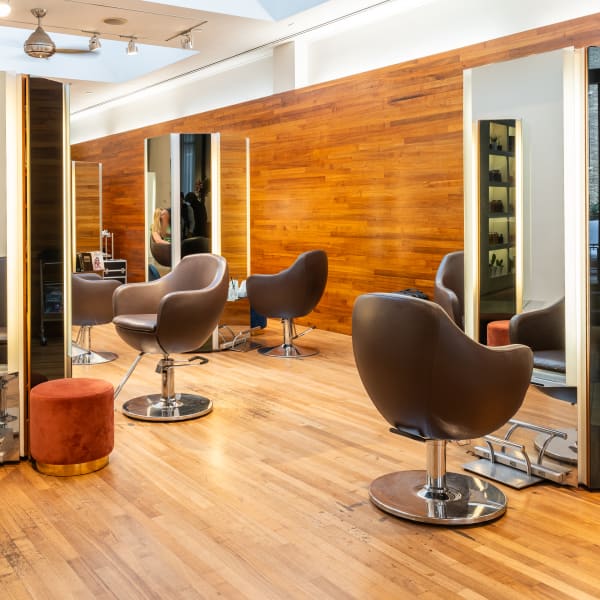
Salon owner Nuri Yurt had a dream of owning a salon on New York City’s Madison Avenue. "Through perseverance, hard work and stellar customer service, he and partner John Kaygisiz founded Toka Salon in 2007.
Sponsored by Amex

This guide is your one-stop shop for a plethora of technology tools, software and services created to keep your salon or spa thriving.

Anna Manukyan shares a breakdown of what different types of financial accounts should be used for.

Vagaro has consistently been at the forefront of salon software technology, helping businesses be more efficient, create more effective communication, and even improve company culture. Now, Connect by Vagaro, the platform’s two-way communication capability, and Vagaro’s new generative AI tools are giving owners new opportunities to grow and expand.
Sponsored by Vagaro

Young Nails' Greg, Habib, and Tracey discuss whether getting too close to clients can damage your business.