




The Beauty Pro Book Club: 4 Reads to Inspire Growth and Success
Four publications for beauty industry professionals to enhance their leadership skills, financial awareness, professional growth, and joy!
by Anne Moratto


 MENU
MENU SEARCH
OPI’s Suzi Weiss-Fischmann shares details of her career in nails in this Q&A.
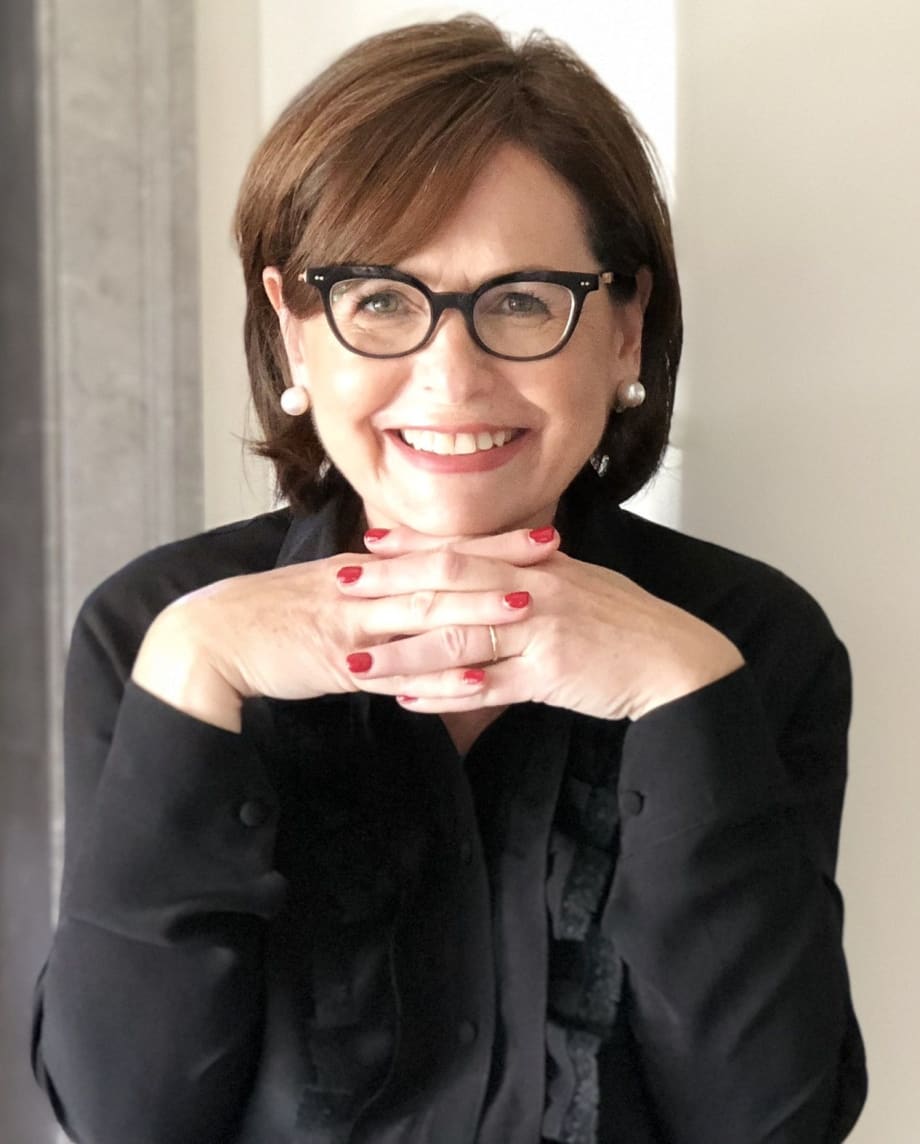
Photo by credit Nicole Schaeffer
OPI’s Suzi Weiss-Fischmann claims the titles co-founder and brand ambassador. And now she’s an author as well. Her book, I’m Not Really a Waitress: How One Woman Took over the Beauty Industry… One Color at a Time is set to be released in March 2019.
Weiss-Fischmann shares details of her career in nails below:

Photo by
Nicole Schaeffer
How did you get your start in the beauty industry?
Suzi Weiss-Fischmann: My start in the beauty industry actually came by way of the dental industry—the artificial nail extensions that were so popular in the 80s share a similar chemistry to dentures. I was in my 20s, working with my brother-in-law at a small dental supply company in L.A., and we noticed that nail technicians kept coming in to buy our products. When we realized what they were using them for, we knew we could make a safer, higher quality product. After two years of formulation I began dropping off OPI’s “Rubber Band Special” at every salon on Ventura Boulevard in Los Angeles. A jar of powder, liquid, and primer, rubber-banded together, became the OPI Traditional Acrylic System and was a huge hit, giving OPI its entryway into the professional nail industry.
What’s with the crazy names for all the nail polishes?
SWF: Before OPI, nail color really wasn’t marketed to the average woman—it was marketed to nail technicians. The generic, utilitarian names already on the market – like Red No. 4, Pink No. 2—were boring and completely forgettable because they didn’t really need to be remembered. At OPI, we wanted to make nail color an affordable luxury for women everywhere. (That’s also why we call our product lacquer—it really is of a finer quality than plain old “polish,” but it also speaks to the feeling of luxury we wanted to give our customers.) We were the first beauty company to advertise in women’s magazines because we wanted to reach consumers directly. By giving OPI nail lacquers unique monikers, women not only remembered the colors but asked for them by name. Many of the names are designed to make people laugh (like Toucan Do It If You Try), and others are imbued with personal meaning for their wearers—like Mimosas for Mr. and Mrs. worn at an engagement party or It’s A Boy! or It’s A Girl! used to announce a pregnancy.
How did you come up with the name I’m Not Really a Waitress for your trademark red?
SWF: In Los Angeles, “I’m not really a waitress—I’m an actress (or singer/model/artist)!” is a well-known mantra. The name exemplifies that we’re more than just our job. It speaks to anyone laboring for a dream, offering a reminder that our goals are worth pursuing. This shade is more than just a color, but a form of self-expression.
What was one big decision you had to make about OPI that affected the future of the business?
SWF: When it comes to big decisions, those are easier to define in your personal life—getting married, having kids, buying a house, etc. In business, it’s not so clear. Every day there are decisions to be made, and most often it’s not until much later that those choices become recognizable as big decisions that change or shape your business. The key here is to make those decisions quickly and with confidence—I consider making decisions to be my “business superpower” and think it’s crucial to meeting the ever-changing demands a business leader must face to grow a company. For example: I once developed a color that everyone in the office hated. They described it as “poop in a bottle.” Usually my colleagues loved my colors, or at least liked them, but everyone was in agreement that this color was terrible. I decided to trust my gut and put it out there, and You Don’t Know Jacques became one of our most popular colors.
What’s one business decision you regret?
SWF: I don’t regret anything because all the decisions we made ultimately contributed to our success. There were definitely some that didn’t turn out as planned, though. For example: At one point we decided to start making lip color to complement our lacquers. We shipped thousands of tubes of lipstick, and every single one of them “bloomed” in transit. (Translation: they were ruined.) At that point, we decided to stick to what we knew best, and we became a stronger company for it.
What is your favorite OPI color, and why?
SWF: Everyone wants to know which color is my favorite, but of the many hundreds I’ve created, it’s impossible to pick just one! I can easily narrow to a hue: red. I love the glamour of a perfect red nail. From there, three stand out—OPI Red earns a special place in my heart as the first red I ever created. Big Apple Red is another favorite and reminder of the city that gave me a new life after my family emigrated from Hungary when I was a little girl. Of course, I’m Not Really a Waitress, this book’s namesake and OPI’s bestselling shade, earns a spot on this list. It’s a candy apple, shimmery red that’s universally flattering with a name that captures the spirit behind fighting for your dreams—what’s not to love?!
What’s one thing that non-entrepreneurs don’t realize about founding a company?
SWF: It’s easy to underestimate the importance of a culture of a company. At OPI, we started as a family business and as we grew, we knew we wanted to deliberately foster an environment filled with warmth, collegiality and a sense of fun. I personally wanted to look forward to work every day, and I wanted our employees to feel the same. We wanted everyone to know they were valuable, and in return, many people made working at OPI their lifelong careers. At the end of the day, your organization is only as good as its people. We did whatever we could to invest in our employees, and I truly believe we wouldn’t have experienced all our success without them.
We heard a rumor that you used to bite your nails. We assume you are always perfectly manicured these days?
SWF: It’s true, I used to be a terrible nail biter. During my college years, you could find me on the NYC subway on test days with my nails completely destroyed. After becoming the face of OPI, that habit had to go. It was tough but testing and wearing nail lacquer daily certainly helped!
You are known for predicting — and setting — trends in nail color. What do you think is the next big thing?
SWF: In 2019, expect to see nail lacquer shades in pastel hues of lavender, baby blue, and pearlized white. Metallic glitter hues and embellishments like crystals will keep growing in popularity, and in nail art, negative space will be more defined and used in unique ways. In today’s era of embracing individuality, nails serve as a great medium for self-expression.
Four publications for beauty industry professionals to enhance their leadership skills, financial awareness, professional growth, and joy!
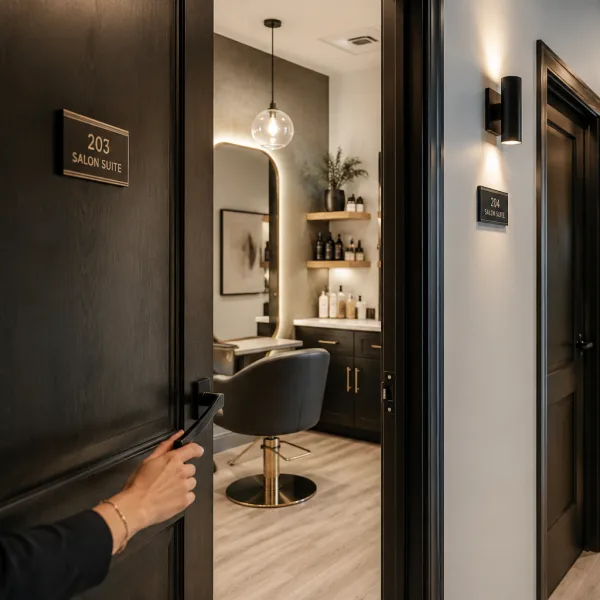
The most successful salon suites balance personality, function, and comfort. Megan Communale of My Salon Suite shares her best advice for designing a space that supports your business goals and leaves a lasting impression on every guest.
Square data shows that regular customers tip 11% higher and are shared across 32% of businesses in the same ZIP code, driving thousands of dollars in additional revenue per connection.

When Bowie Lau and Jeffrey Ching opened JBW Jeffrey Ching Salon in 2011, they weren’t just launching another luxury hair destination—they were building a business rooted in passion, artistry, and thoughtful growth.
Sponsored by Amex

Inside the Systems That Power an Elevated Salon Experience From seamless online booking to a team-first culture, J Gold Salon in Atlanta offers more than great hair—it delivers consistent, high-touch service with the help of partners like Boulevard and American Express.
Sponsored by Amex

Want to grow your career as a beauty professional? K18 Sales Manager Sabrina Sanborn shares advice on networking, mentorship, and self-advocacy—from attending hair shows to finding the right guidance to reach your goals.
A combination of clear policies, effective communication, and strong client relationships has helped me create a more reliable and efficient booking system.
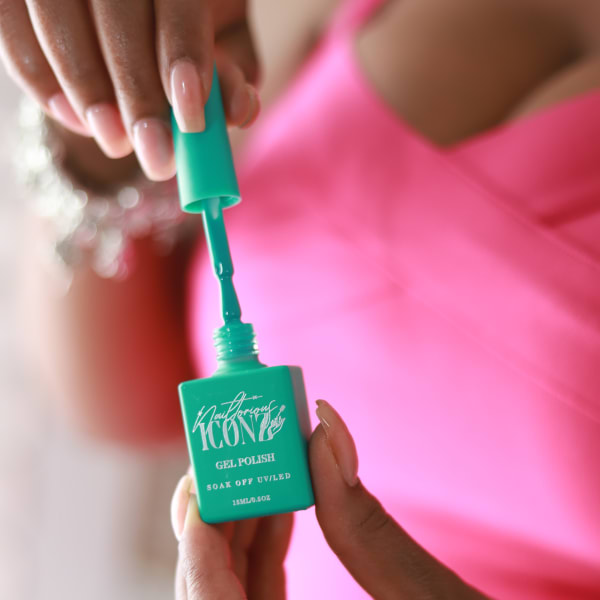
Founded by Cleveland serial entrepreneur Shaura Rodgers, Nailtorious has grown to include a nail supply megastore, training facilities, and retail line for nail techs.

This period after the holidays can bring on a huge lull for hairstylists. We asked Cosmo Prof's team of professionals to offer their best advice on how to deal with the January-February slow period.

Key highlights include a push toward inclusive spaces for all abilities, an emphasis on maximizing livable square footage, and a continued love for modern farmhouse exteriors.
The busy holiday season is here, and with it comes jam-packed days, last-minute client requests and booming retail sales. For many salon owners, the highlight of the season is Small Business Saturday® (SBS). This year on Saturday, November 30, consumers can take their shopping into the small businesses in their communities.
Sponsored by Amex

Want to become savvy about your personal finances, but don't quite know where to start? Anna Manukyan identifies six important concepts for building a strong financial foundation.
Salon owner Nuri Yurt had a dream of owning a salon on New York City’s Madison Avenue. "Through perseverance, hard work and stellar customer service, he and partner John Kaygisiz founded Toka Salon in 2007.
Sponsored by Amex

This guide is your one-stop shop for a plethora of technology tools, software and services created to keep your salon or spa thriving.

Anna Manukyan shares a breakdown of what different types of financial accounts should be used for.

Vagaro has consistently been at the forefront of salon software technology, helping businesses be more efficient, create more effective communication, and even improve company culture. Now, Connect by Vagaro, the platform’s two-way communication capability, and Vagaro’s new generative AI tools are giving owners new opportunities to grow and expand.
Sponsored by Vagaro
Young Nails' Greg, Habib, and Tracey discuss whether getting too close to clients can damage your business.