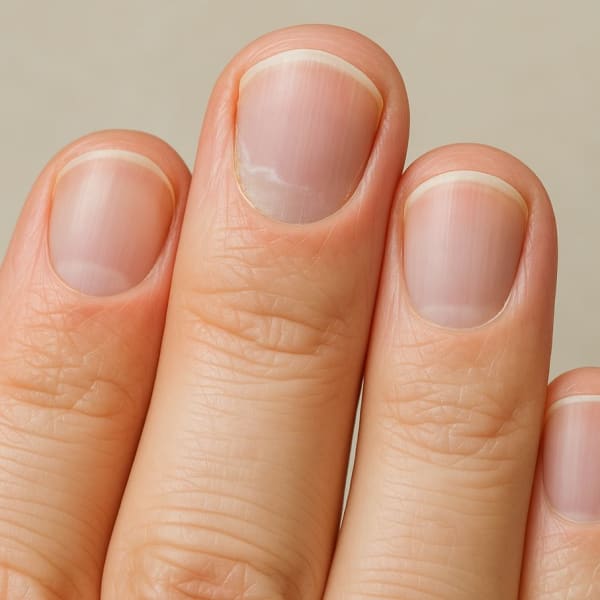
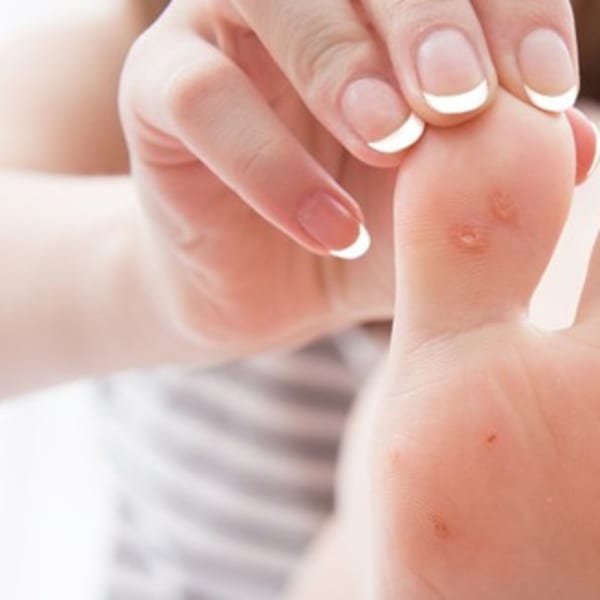
A New York City-based dermatologist specializing in nails, Dr. Dana Stern takes us on a tour of her day — complete with melanomas, onycholysis, paronychia, and more.
by Dana Stern M.D.
August 19, 2011
New York City-based dermatologist Dr. Dana Stern specializes in nails and nail disorders.
6 min to read
New York City-based dermatologist Dr. Dana Stern specializes in nails and nail disorders.
Dermatologists treat skin, hair, and nails. I am a board-certified dermatologist who specializes in the treatment of nail disorders including nail infections, inflammatory diseases of the nail, cosmetic issues related to the nail, and cancers of the nail. I also perform surgery on the nail unit including biopsies and excisions. Many people ask me how I became interested in such a niche area given that there are so few physicians with a specialty in nails. Like most things in life, it was somewhat random. Early on in my training at Mount Sinai Hospital in New York City the chairman of my department encouraged me to apply for a research grant to study nails. He suggested I study brittle nails because it was such a controversial topic in the medical literature. In 2007, our first study was published in The Journal of The American Academy of Dermatology and contributed a lot of useful information to the field. I have been passionate about nails ever since.
I typically see nail consultations and do nail procedures on Mondays. Most of my consults are from other dermatologists, physicians, or patients who have read about me. Occasionally I see patients referred from nail salons. While I don’t see my first patient until 10 a.m., by then I have fed breakfast to my three boys and our dog, skimmed the morning papers, answered e-mails, gotten everyone dressed, and taken my oldest, who is 3, to a gym class. By the time 10 a.m. rolls around, I’m on my third coffee and ready to see my first patient.
Ad Loading...
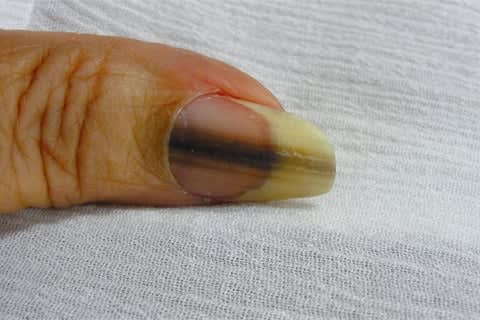
Consult #1 Patient is an 80-year-old Latina female who presents with a complaint of a dark pigmented band at the left first fingernail that has gotten wider within the last several months. She is referred by another dermatologist. There is no family history of skin cancer or melanoma. She denies trauma to the digit.
Assessment: I recommended that the nail be biopsied given the recent change in width, the involvement of the thumb (the most common digit for melanoma), the single digit involvement, as well as the appearance of the nail (the band has several colors within it and is very dark). Multiple pigmented bands are very common in certain ethnic groups, however, when I see a single band I am more concerned. The biopsy that I performed showed a melanoma in situ, which is an early and treatable stage of melanoma.
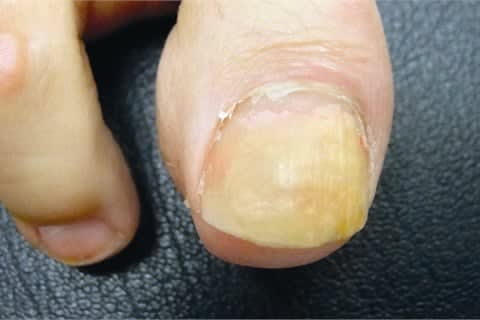
Consult #2 The patient is a 52-year-old French woman who has a separated right great toenail for one and a half years after someone stepped on her toe. The nail tested positive for fungus at one point and has been treated with several medications.
Assessment: Severe onycholysis (separation of the nail plate from the nail bed) with possible onychomycosis (fungus). The yellow area of the nail plate is the area that is entirely separated. When the nail is separated, there is a space under the nail where infections such as yeast, bacteria, and fungus can occur. When cosmetic products such as polish remover leak under the nail, they come into contact with the unprotected nail bed and can cause an irritation and prevent the nail from reattachment. When I see these patients, I test the nail to see what is growing underneath. It is important for these patients to avoid any nail cosmetics during the treatment period. They are advised to keep the nail as dry as possible because things like yeast love warm, moist environments. These patients are also instructed to keep the nail clipped as short as possible. This patient was dedicated to the regimen and achieved complete reattachment of the nail.
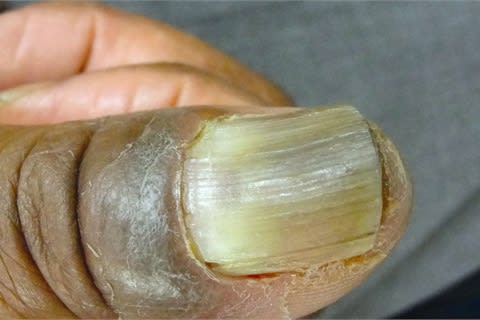
Consult #3 The patient is a 69-year-old African-American male who presented with a history of several infections at the right first fingernail on and off for two years. He has recently been seen by a dermatologist who prescribed an oral antibiotic, but the patient had not started taking it yet. He reports picking and cutting at the cuticles.
Ad Loading...
Assessment: Acute paronychia is a bacterial infection of the nail. If you look at this image, you can see that the area near the cuticle is inflamed and that beneath the nail plate there is a whitish coloration. There was significant pus beneath the nail and it had a foul odor. It is important that a patient with an infection like this is treated by a dermatologist as soon as possible. The nail fold was drained and he responded nicely to a regimen of oral antibiotics, topical antibiotics, and soaks. This may have occurred because the cuticle was cut and picked at. The cuticle is the nail’s natural seal and it serves to protect the nail from infection. When there is no protective seal, infections can enter the nail and result in paronychia.
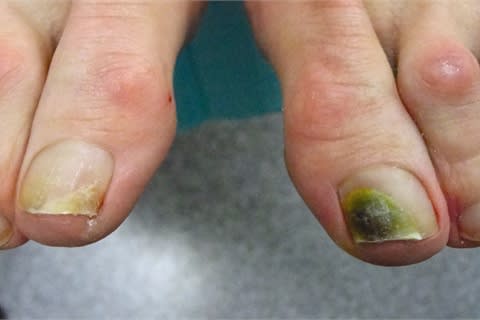
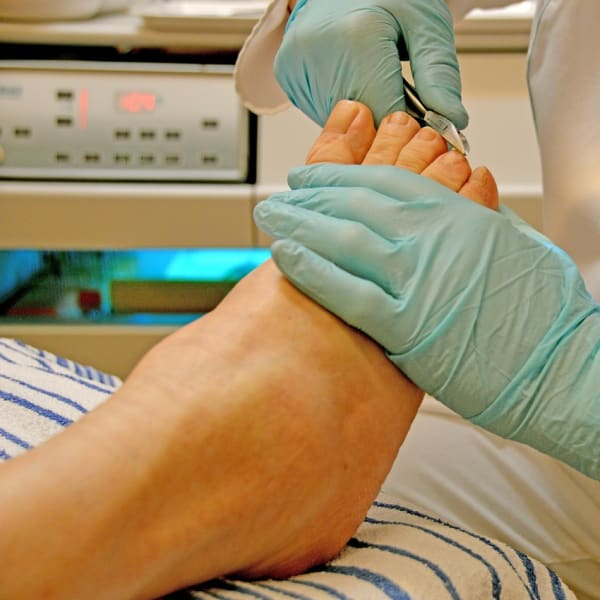
Consult #4 The patient is a 61-year-old female with a complaint of problems with her big toes for approximately one year. Most recently the left great toe-nail has turned green. She has not been treated previously. She has pedicures every two weeks at a professional nail salon.
Assessment: Onycholysis and secondary pseudomonas infection of the left great toenail. Pseudomonas is a type of bacteria that likes to live on nails. It produces a greenish pigment. The patient was given an onycholysis handout and we reviewed a detailed treatment regimen together. She was also given a prescription to treat the bacterial infection. She was advised to refrain from getting pedicures during the treatment period. So far she is responding nicely. Toenails take approximately 12 to 18 months to replace themselves, so treatment regimens involving the toenails require patience. Once her nails normalize I will give her the OK to have pedicures again. If onycholysis is not treated in a timely fashion it can result in permanent separation of the nail plate from the nail bed.
Around 1 p.m. I eat luch, go through pathology and laboratory results, and call patients.
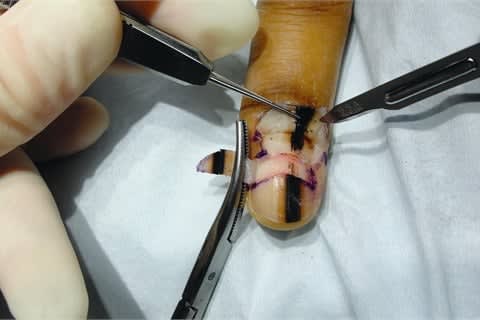
Nail Biopsy This patient is a 34-year-old African-American female who had been seen in consultation for a pigmented band at the left second fingernail that she has had for 10 years but that had recently widened. I scheduled her for a nail biopsy. This turned out to be another early stage melanoma. Treatment is complete permanent removal of the nail with a skin graft. The patient is doing great.
Ad Loading...
When melanoma of the nail is in the early stage (in situ), the treatment is to remove the entire nail unit. When the nail unit is removed, the nail matrix is also removed and there is subsequently no further growth of the nail ever. Any melanoma that is more advanced results in amputation of the digit and the patient’s prognosis depends on whether the cancer has spread to the lymph nodes and beyond.
I spend the rest of the afternoon seeing general dermatology patients and nail follow-ups.
By the time 5 p.m. rolls around I want nothing more than to soak my own tired feet and sit down for a manicure and pedicure. Unfortunately, I rarely have time to myself these days but I did manage to go out for a mother’s day treat at the salon I love in my neighborhood.
Uncured gel polish and microscopic e-file dust contain active acrylates that penetrate the skin, triggering permanent contact dermatitis. Learn the chemistry behind these irritants and how to protect your clients and yourself.
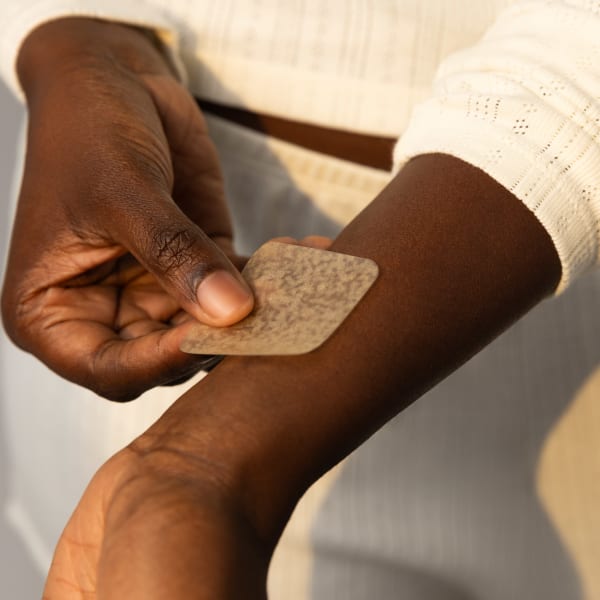
The Good Patch is a leading wearable wellness patch brand, offering wellness and skincare patches that support everyday needs including energy, sleep, relaxation and more.
Orthopedic PT reveals three daily exercises plus ergonomic advice that can help salon professionals avoid the aches and injuries caused by standing, bending and repetitive overhead work.
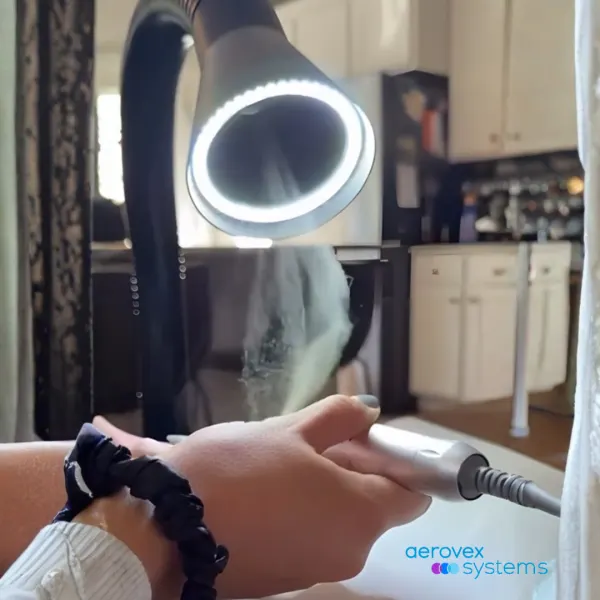
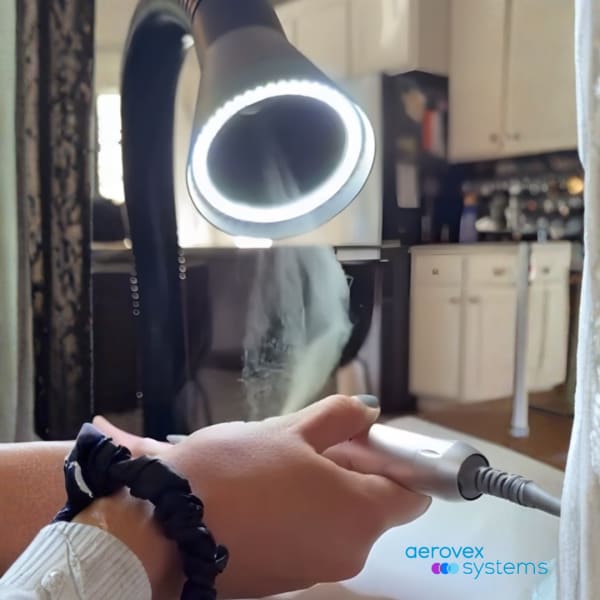
From acrylic monomers to airborne bio-dust, the air inside a nail salon carries risks most professionals never see coming. Aerovex Systems reveals the source-capture and room-purification strategies that are setting a new standard for salon safety.
Working in beauty doesn’t have to hurt. Learn how Somatic Movement helps hairstylists, lash artists, and other beauty pros release tension, improve posture, and extend their careers.
As a spa or salon professional, your clients expect more than just beauty—they expect safety, hygiene, and peace of mind. Fungal infections like Athlete’s Foot and Nail Fungus are more common than you think, especially in environments where tools and footbaths are reused without proper sanitation. This blog covers how to stop these issues before they start, using proven infection prevention strategies for salons and spas.
A federal initiative aimed at studying chemical exposure in nail salons has ended due to staffing and budget changes. Here’s what the project set out to do—and what its conclusion means for salon professionals.
For many people, a pedicure is a relaxing beauty ritual. But what most don’t realize is that this simple service, if done without proper hygiene and sanitation, can cause serious infections and long-term health issues.
Onycholysis is the separation of the nail plate from the nail bed. While it may look painful, it typically isn’t—at least not at first. But without proper care, this common nail disorder can lead to infections, deformities, and long-term damage.
Mckenzie Kool, Psychologist, MC, RPsych provides us with guidance on what may or not be helpful in speaking with someone who has suffered a significant loss.
Clients come to you to feel their best—not leave with a viral souvenir. Warts and cold sores can spread fast in busy salons, but a few smart habits make all the difference. Let’s talk about what’s really lurking in your salon (and how to kick it to the curb).
As Earth Day approaches, The Green Beauty Community Foundation and the Green Spa Network invite beauty pros to step forward and embrace sustainability through the Green Pledge--a powerful initiative designed by and for beauty industry leaders.
Don’t cancel Valentine’s Day altogether, urges Jill Palmquist. Instead, think of it as a (frilly, flowery, Champagne-bubbly) wake-up call to fall deeply in love with your own life.
Life coach and Culture Ambassador of Sam Villa, Andrew Carruthers, outlines how to tell if your burnout is temporary - or if it's time to make a bigger career change.