




The Beauty Pro Book Club: 4 Reads to Inspire Growth and Success
Four publications for beauty industry professionals to enhance their leadership skills, financial awareness, professional growth, and joy!
by Anne Moratto


 MENU
MENU SEARCH
Painting a perfect Mickey Mouse might earn you first place in a nail art competition, but it could also land you in legal hot water. Your nail art could be a copyright infringement.
Do you go loony over Wile E. Coyote? Do you think Campbell’s Soup looks Mmm! Mmm! Good! as nail art? Have you made Simba king of nail art? Many nail technicians enjoy reproducing popular images on nails, and their clients love wearing it just as much as the technicians love painting it. But did you know that reproducing proprietary images — such as copyrighted cartoon characters, logos, or service marks — is illegal?
“[Reproducing proprietary images] is an infringement of copyright law, trademark law, and the law of unfair competition,” says Nils Montan, vice president and senior intellectual property counsel for Warner Bros, in Burbank, Calif. “Fundamentally it’s copyright infringement in the sense that the characters belong to the studios that created and developed them and spent the money to make them the icons that they are.” The images are also covered by trademark law, explains Montan, because someone might believe you were licensed by the copyright owner when, in fact, you were not. “And the law of unfair competition basically says you can’t reap where you didn’t sow,” he adds. “You didn’t create the images so you can’t make money off them.”
Drawing Over The Line
Cartoon characters, logos, and slogans are examples of intellectual property — property that doesn’t have an actual physical presence. “Intellectual properly is made from creative effort. A copyright protects artistic works like designs, books, and films,” explains Montan. Examples of intellectual properties include sports terms’ logos, cartoon characters, and ad campaign slogans. “If you’ve seen it, it’s probably been copyrighted,” says Montan.
Just as you would protect your physical property from theft, holders of copyrights have to protect their intellectual properties from unauthorized use. “If a copyright is illegally used and that use is not challenged, the image falls into public domain [the copyright owner loses his or her exclusive rights and the image can be used freely by the public] because no one seems to care about ownership,” explains Chuck Champlin, communications manager for The Walt Disney Company in Burbank, Calif. Legalities aside, adds Champlin, it’s also a fairness issue. “When someone is making money from what we’ve worked hard to create, that doesn’t seem very fair,” he says.
When is it fair to use copyrighted materials or a trademark? According to .Montan, never. Champlin, however, admits that the law does allow some uses of the materials for artistic expression under fair use laws. However, headds, “Fair use is pretty open to interpretation.” Montan and Champlin agree that nail technicians cannot re-create the images in competitions or for profit on clients’ nails.
Copyright owners vigilantly watch for copyright and trademark infringements and warn individuals and companies when they step out of bounds. For example, some large companies hire people just to scan magazines and newspapers for mentions of their brand names. Clorox, for example, sends warning letters to publications that use the brand name Clorox with a lowercase “c” or use Clorox instead of the generic term bleach. Likewise, those companies we spoke to say they would warn nail technicians caught re-creating their logos, trademarks, or copyrighted images on nails with a letter.
“We would send a cease-and-desist letter stating, ‘It’s come to our attention that you or your company are in violation of trademark laws. Please stop and nothing will happen,’” says Brian McCarthy, manager of corporate communications for the National Football League. If the nail technician continues to re-create a company’s images after being warned with a cease-and-desist letter, she could be sued by the copyright holder.
The only way to get permission to use the images is to be licensed by the company that holds the copyright or trademark. A licensee agrees to pay a percentage of his or her profits from the use of the image to the copyright holder, who also controls the quality of the products and images. While all three companies say they wouldn’t license individual nail technicians or salons to reproduce images, they would consider licensing a company to create nail decafs with their company’s trademarks. To date, they say, they aren’t aware of having ever been asked. Surely somewhere out there is an enterprising nail technician who won’t make them wait much longer
Four publications for beauty industry professionals to enhance their leadership skills, financial awareness, professional growth, and joy!
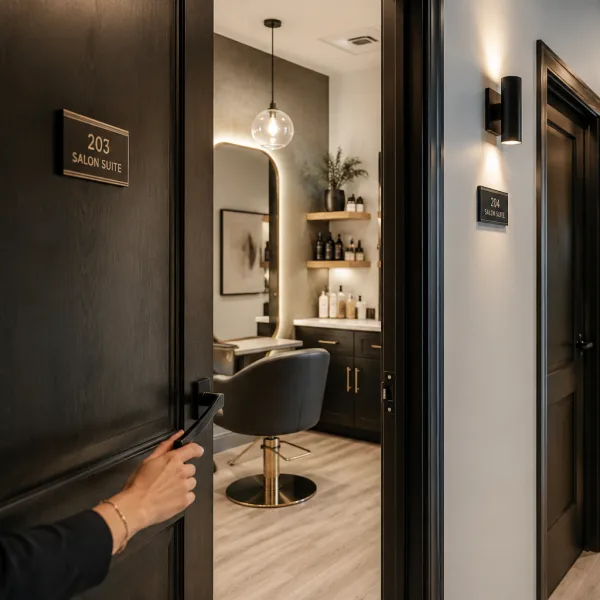
The most successful salon suites balance personality, function, and comfort. Megan Communale of My Salon Suite shares her best advice for designing a space that supports your business goals and leaves a lasting impression on every guest.

Square data shows that regular customers tip 11% higher and are shared across 32% of businesses in the same ZIP code, driving thousands of dollars in additional revenue per connection.
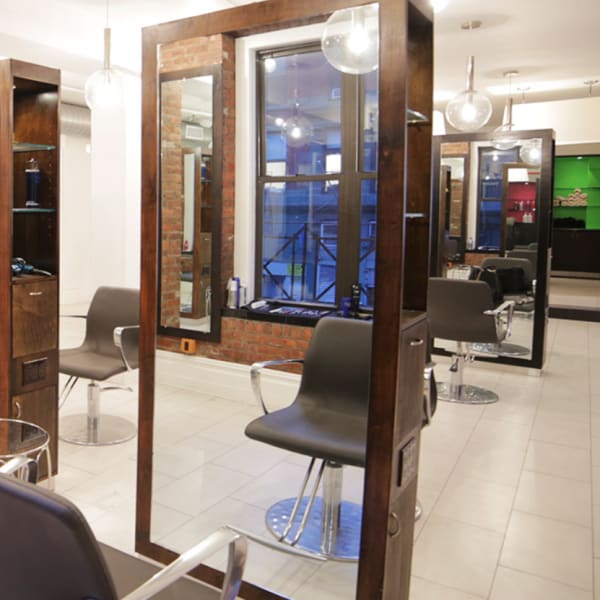
When Bowie Lau and Jeffrey Ching opened JBW Jeffrey Ching Salon in 2011, they weren’t just launching another luxury hair destination—they were building a business rooted in passion, artistry, and thoughtful growth.
Sponsored by Amex
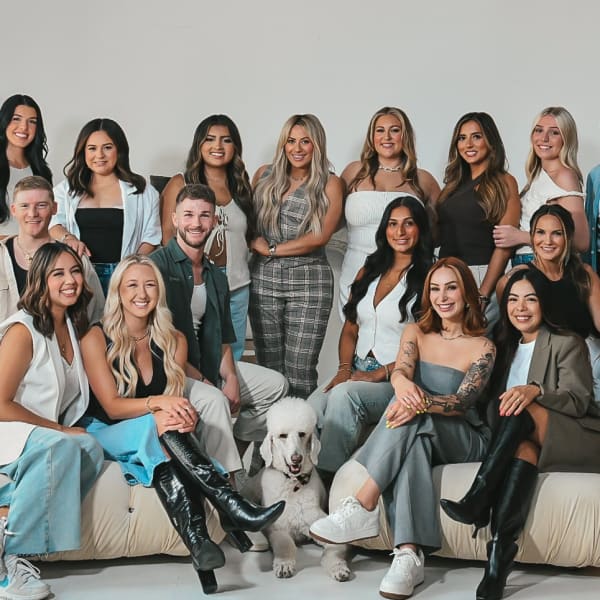
Inside the Systems That Power an Elevated Salon Experience From seamless online booking to a team-first culture, J Gold Salon in Atlanta offers more than great hair—it delivers consistent, high-touch service with the help of partners like Boulevard and American Express.
Sponsored by Amex

Want to grow your career as a beauty professional? K18 Sales Manager Sabrina Sanborn shares advice on networking, mentorship, and self-advocacy—from attending hair shows to finding the right guidance to reach your goals.
A combination of clear policies, effective communication, and strong client relationships has helped me create a more reliable and efficient booking system.
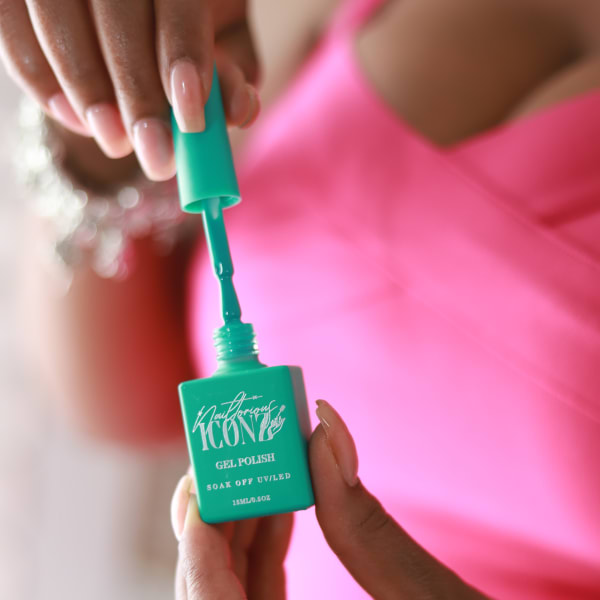
Founded by Cleveland serial entrepreneur Shaura Rodgers, Nailtorious has grown to include a nail supply megastore, training facilities, and retail line for nail techs.

This period after the holidays can bring on a huge lull for hairstylists. We asked Cosmo Prof's team of professionals to offer their best advice on how to deal with the January-February slow period.

Key highlights include a push toward inclusive spaces for all abilities, an emphasis on maximizing livable square footage, and a continued love for modern farmhouse exteriors.
The busy holiday season is here, and with it comes jam-packed days, last-minute client requests and booming retail sales. For many salon owners, the highlight of the season is Small Business Saturday® (SBS). This year on Saturday, November 30, consumers can take their shopping into the small businesses in their communities.
Sponsored by Amex

Want to become savvy about your personal finances, but don't quite know where to start? Anna Manukyan identifies six important concepts for building a strong financial foundation.
Salon owner Nuri Yurt had a dream of owning a salon on New York City’s Madison Avenue. "Through perseverance, hard work and stellar customer service, he and partner John Kaygisiz founded Toka Salon in 2007.
Sponsored by Amex

This guide is your one-stop shop for a plethora of technology tools, software and services created to keep your salon or spa thriving.
Anna Manukyan shares a breakdown of what different types of financial accounts should be used for.

Vagaro has consistently been at the forefront of salon software technology, helping businesses be more efficient, create more effective communication, and even improve company culture. Now, Connect by Vagaro, the platform’s two-way communication capability, and Vagaro’s new generative AI tools are giving owners new opportunities to grow and expand.
Sponsored by Vagaro
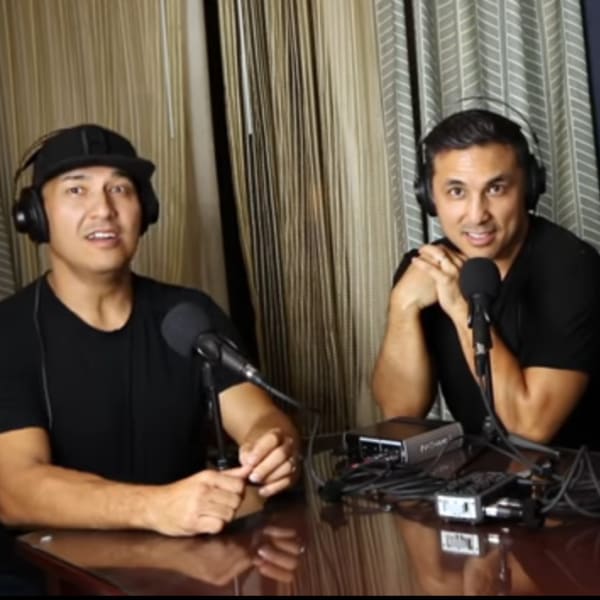
Young Nails' Greg, Habib, and Tracey discuss whether getting too close to clients can damage your business.