When a client is undergoing chemotherapy, you can often see it in her nails. By carefully modifying your standard manicure procedure, you can take steps to prevent problems.
by Karen Hodges
December 1, 2008
4 min to read
One thing not widely known about cancer treatments is that not only is the hair affected, but usually the nails are traumatized as well. Basically, the body is fighting for health, and the energy and resources needed to grow hair and nails are diverted to more necessary functions. Preventative care may reduce the trauma to the nails and help your clients recover more quickly.
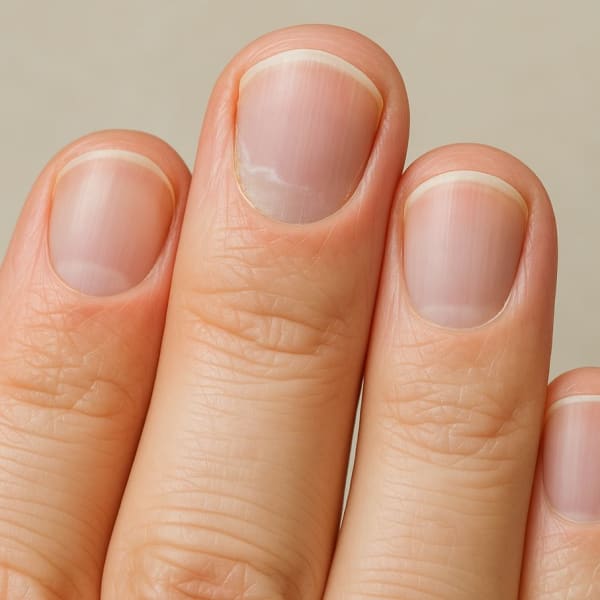
Common nail symptoms for clients undergoing chemotherapy are as follows: - Ridges running horizontally across the nail beds after every treatment, with thinning between each ridge - Dryness, splitting, and peeling - Lifting from the nail bed - Loss of all connective tissue under the nail plate - Loss of the nail plate and exposure of the sole horn - Infection by opportunistic microbes, such as yeast, fungi, and bacteria - If ignored, secondary infections can occur as these microbes enter the already immuno-compromised environment.
Ad Loading...
The Best Medicine Is Prevention When a client is undergoing chemotherapy, the first step is to get your client to ask her doctor the following question: “My nail technician wants to know if it’s OK for her to give me a gentle, sanitary manicure or pedicure?” This alerts the physician to the fact that you are aware of the situation and will take due care of the client, thus making it easier for her to say yes. If you’re given clearance, then set appointments when your client’s blood count is likely to be high. She’ll know when this is, and it will be healthier for her.
Next, work with your client by taking steps to prevent problems, rather than waiting to deal with them. Make the environment of fingernails and toenails as unfriendly to pathogens and as supportive to healing as possible. The key things are: light, bright, dry, and acidic pH.
- Light. No dark polishes (dermatophytes and other pathogens grow better in the dark). - Bright. No opaque polishes. Use sheer or clear if anything at all. - Dry. No enhancements or anything that will tend to seal in moisture. - Acidic pH. The body’s normal pH for skin is 4.5 or so (with 7.0 being neutral) and so often drug therapies make the body more alkaline. You have to restore the acid balance to help the body fight off fungi, bacteria, etc.
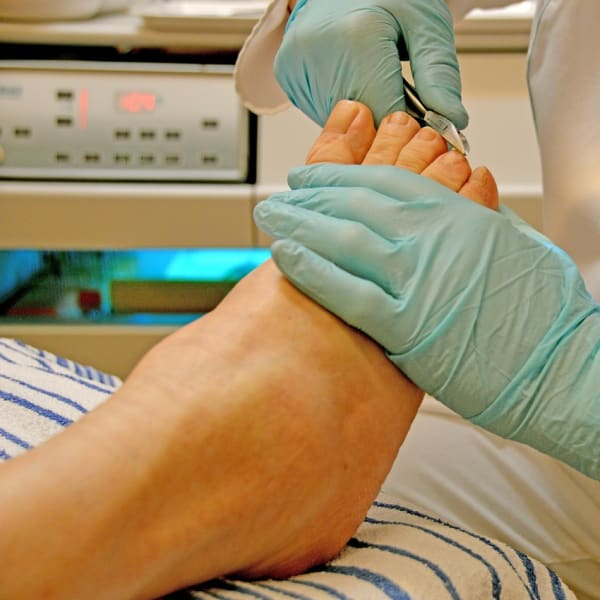
With these ideas in mind, recommend that your client remove all nail coverings and go with a grooming service. This service can include all the usual work, with some exceptions:
- Gentle stroking (effleurage) massage to stimulate circulation is OK, but no deep tissue massage as there may be neuropathy and they won’t feel that you’re hurting them.
Ad Loading...
- No abrasion on the skin. Even with a callus, it’s better to simply hydrate it. They might feel fine if you try to reduce the callus during the service, but will feel pain the next day. > Trim nails very carefully and file them short with a well broken-in file. Virtually all the free edge should be eliminated (except in the corners, so you don’t end up with ingrowns). You don’t want to leave a free edge to trap moisture.
- Use lots of really good hydration and botanical oils. Consider using an antimicrobial product such as Poshé’s Antimicrobial Oil. It can be generously applied all over the fingers and toes and very lightly buffed into the nail plates with a soft sponge buffer, followed by a great hydrating lotion.
- No high-shine buffing.
- Advise your clients they can make a warm foot bath with some of their bath salts or something that smells good to them, but add one-half cup of apple cider vinegar to the water. This will lower the pH but not burn their skin. Once a week would be good, if they feel up to it.
- Leave nothing on the nail plates. But for the sake of your client’s health, it’s better to not have anything on the nails that will a) harbor germs or moisture to support germs and b) stress the fragile nail structure. If the client insists, recommend an antimicrobial clear coat with a very thin white French done with a striping brush at the very tip.
Ad Loading...
- Recommend the daily, at-home application of good botanical cuticle oil and a wide-spectrum antimicrobial such as Dr. G’s Clear Nail all over the fingers and toes.
Assure your clients that as the body heals, the nails will begin to grow and any imperfections will gradually work their way forward to the free edge. Just be very careful of the unprotected nail beds that are exposed when they lose nails. Generally it’ll be around six months from cuticle to tip for fingers and up to a year from cuticle to free edge for toes. Continue your “special needs” protocols and have patience.
Help for Cancer Patients and Techs
The Look Good…Feel Better organization is always looking for volunteers. Their website offers excellent information about working with cancer patients and will put you in touch with your local chapter to help answer your questions. For more information, go to www.lookgoodfeelbetter.org.
Uncured gel polish and microscopic e-file dust contain active acrylates that penetrate the skin, triggering permanent contact dermatitis. Learn the chemistry behind these irritants and how to protect your clients and yourself.
The Good Patch is a leading wearable wellness patch brand, offering wellness and skincare patches that support everyday needs including energy, sleep, relaxation and more.
Orthopedic PT reveals three daily exercises plus ergonomic advice that can help salon professionals avoid the aches and injuries caused by standing, bending and repetitive overhead work.
From acrylic monomers to airborne bio-dust, the air inside a nail salon carries risks most professionals never see coming. Aerovex Systems reveals the source-capture and room-purification strategies that are setting a new standard for salon safety.
Working in beauty doesn’t have to hurt. Learn how Somatic Movement helps hairstylists, lash artists, and other beauty pros release tension, improve posture, and extend their careers.
As a spa or salon professional, your clients expect more than just beauty—they expect safety, hygiene, and peace of mind. Fungal infections like Athlete’s Foot and Nail Fungus are more common than you think, especially in environments where tools and footbaths are reused without proper sanitation. This blog covers how to stop these issues before they start, using proven infection prevention strategies for salons and spas.
A federal initiative aimed at studying chemical exposure in nail salons has ended due to staffing and budget changes. Here’s what the project set out to do—and what its conclusion means for salon professionals.
For many people, a pedicure is a relaxing beauty ritual. But what most don’t realize is that this simple service, if done without proper hygiene and sanitation, can cause serious infections and long-term health issues.
Onycholysis is the separation of the nail plate from the nail bed. While it may look painful, it typically isn’t—at least not at first. But without proper care, this common nail disorder can lead to infections, deformities, and long-term damage.
Mckenzie Kool, Psychologist, MC, RPsych provides us with guidance on what may or not be helpful in speaking with someone who has suffered a significant loss.
Clients come to you to feel their best—not leave with a viral souvenir. Warts and cold sores can spread fast in busy salons, but a few smart habits make all the difference. Let’s talk about what’s really lurking in your salon (and how to kick it to the curb).
As Earth Day approaches, The Green Beauty Community Foundation and the Green Spa Network invite beauty pros to step forward and embrace sustainability through the Green Pledge--a powerful initiative designed by and for beauty industry leaders.
Don’t cancel Valentine’s Day altogether, urges Jill Palmquist. Instead, think of it as a (frilly, flowery, Champagne-bubbly) wake-up call to fall deeply in love with your own life.
Life coach and Culture Ambassador of Sam Villa, Andrew Carruthers, outlines how to tell if your burnout is temporary - or if it's time to make a bigger career change.