





The Beauty Pro Book Club: 4 Reads to Inspire Growth and Success
Four publications for beauty industry professionals to enhance their leadership skills, financial awareness, professional growth, and joy!
by Anne Moratto


 MENU
MENU SEARCH
Even if you don’t think they are valid, you must pay attention to employee complaints. Here are some tips on handling the gamut of grousing, from whining to worrisome.
Let’s tell it like it is: Few salon and spa owners want to hear from employees who complain.
Small-business owners are among the least likely to want to hear negative feedback. Entrepreneurs who put everything on the line and work all hours of the day and night scarcely have enough time to eat, much less listen to an employee who has a beef about something. And the truth is, the majority of companies, big and small, tend to discourage employees from airing grievances, experts say. But it’s an extremely short-sighted policy.
How you address staff protests directly influences the company climate. And that weather report — fair or foul — is endlessly broadcasted to customers, and anyone else who will listen. If you don’t handle employee complaints, you create resentment, low morale, low productivity, and increased turnover. Ignoring worker concerns or objections could further land you in deep trouble, legal and otherwise. The best way to clear the air of complaints is to focus on problems before they fester. These five strategies make that easier:
1. Watch your tongue. The way you react to a complaint immediately sets a tone. Managers often discourage employees from telling them what’s wrong by subtle threats or outright punishment. In that case, the complaints go underground, surfacing as breakroom conversation.
Don’t trivialize the grievance, even if it’s a noisy protest about the lack of a coffee machine in the breakroom. You don’t have to remedy every complaint, but you should be courteous.
2. Recognize the individual. Don’t let complaints slide on slick reassurances or one-size-fits-all platitudes. Respond to the specific employee and her particular beef. So when addressing employee issues, it’s critical to tune in to those individual needs, not some generic response.
3. Direct traffic. Set up a formal process for submitting grievances that’s communicated to everyone. To avoid legal pitfalls, clearly define the process and ensure that it’s private and moves toward an outcome or resolution. Owners or managers should set a time in which to respond. Explain your company policy. After that, don’t forget to update any appropriate managers.
4. Be consistent. No employee likes surprises. The way around accusations of favoritism, pleas of ignorance, or similar unrest is by citing the policies of your formal employee handbook or manual. It’s in your best interest to have one.
5. Send the right message. To truly create an atmosphere that rewards employees for coming forward, you need to make it comfortable. Lip service won’t do. There are dozens of ways to achieve that, of course. In a salon or spa, it’s easy to get everyone in a room and get employee buy-in.
At the next staff meeting, the owner might talk about business trends, worries she has, the impact the new salon down the street is having on the business — basically, a casual “state of the company” address. In the course of the meeting, she might ask, “What else would you like us to address?” She might also invite employees to talk to her later, privately, if something’s on their minds.
With almost 10 years experience in new business start-ups and transformations, Ana Loiselle-Donahue is a specialist in finding new sources of revenue and growth for companies of all sizes. She founded theSECRET in 2004 to help businesses flourish through creative — and powerful — new solutions, including brand development, strategic financial planning, and employee training. Loiselle-Donahue can be reached at (866) 288-7353 or at www.thesecretconsultant.com.
Four publications for beauty industry professionals to enhance their leadership skills, financial awareness, professional growth, and joy!
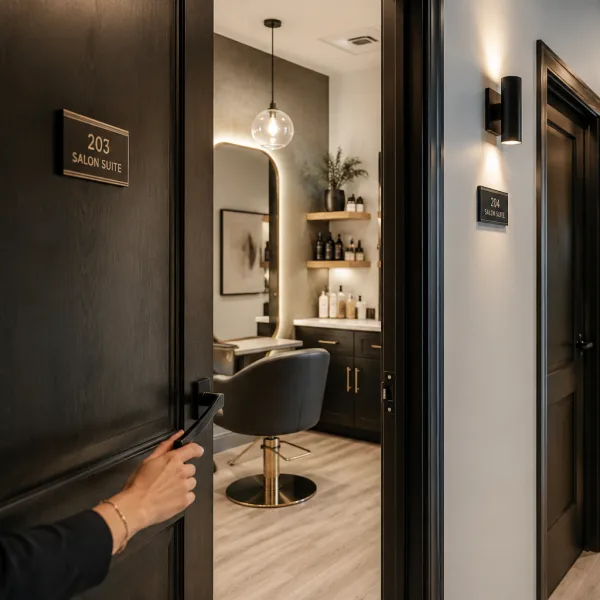
The most successful salon suites balance personality, function, and comfort. Megan Communale of My Salon Suite shares her best advice for designing a space that supports your business goals and leaves a lasting impression on every guest.

Square data shows that regular customers tip 11% higher and are shared across 32% of businesses in the same ZIP code, driving thousands of dollars in additional revenue per connection.
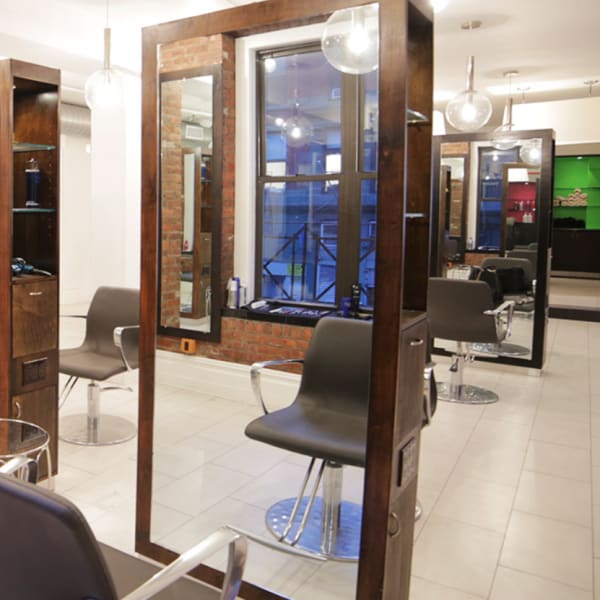
When Bowie Lau and Jeffrey Ching opened JBW Jeffrey Ching Salon in 2011, they weren’t just launching another luxury hair destination—they were building a business rooted in passion, artistry, and thoughtful growth.
Sponsored by Amex

Inside the Systems That Power an Elevated Salon Experience From seamless online booking to a team-first culture, J Gold Salon in Atlanta offers more than great hair—it delivers consistent, high-touch service with the help of partners like Boulevard and American Express.
Sponsored by Amex

Want to grow your career as a beauty professional? K18 Sales Manager Sabrina Sanborn shares advice on networking, mentorship, and self-advocacy—from attending hair shows to finding the right guidance to reach your goals.

A combination of clear policies, effective communication, and strong client relationships has helped me create a more reliable and efficient booking system.
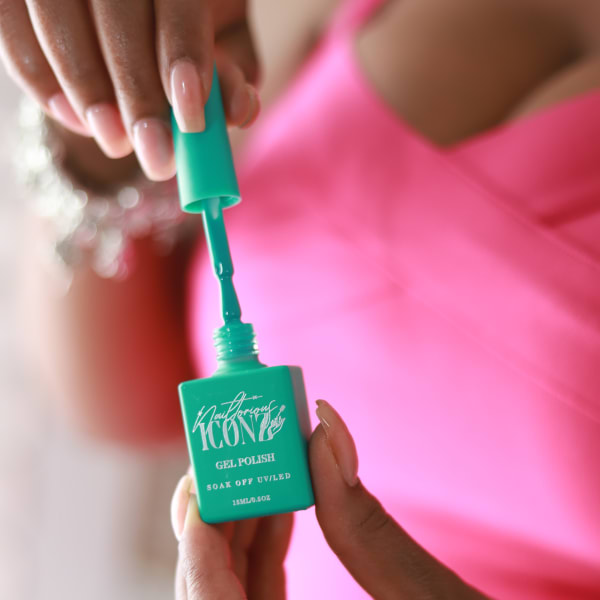
Founded by Cleveland serial entrepreneur Shaura Rodgers, Nailtorious has grown to include a nail supply megastore, training facilities, and retail line for nail techs.

This period after the holidays can bring on a huge lull for hairstylists. We asked Cosmo Prof's team of professionals to offer their best advice on how to deal with the January-February slow period.

Key highlights include a push toward inclusive spaces for all abilities, an emphasis on maximizing livable square footage, and a continued love for modern farmhouse exteriors.
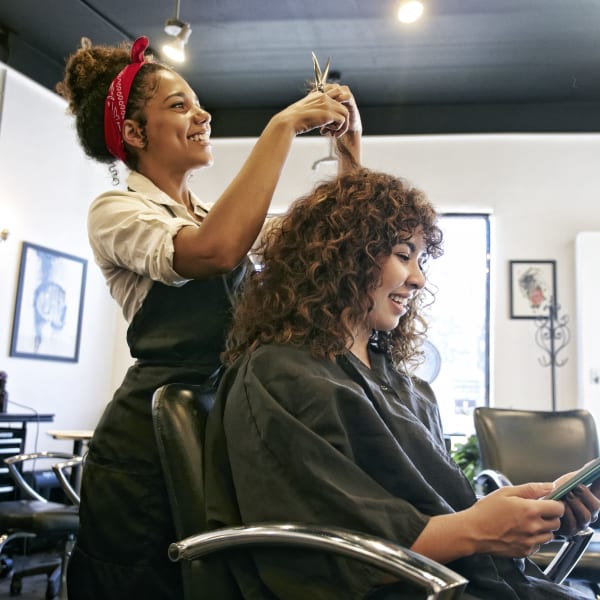
The busy holiday season is here, and with it comes jam-packed days, last-minute client requests and booming retail sales. For many salon owners, the highlight of the season is Small Business Saturday® (SBS). This year on Saturday, November 30, consumers can take their shopping into the small businesses in their communities.
Sponsored by Amex

Want to become savvy about your personal finances, but don't quite know where to start? Anna Manukyan identifies six important concepts for building a strong financial foundation.
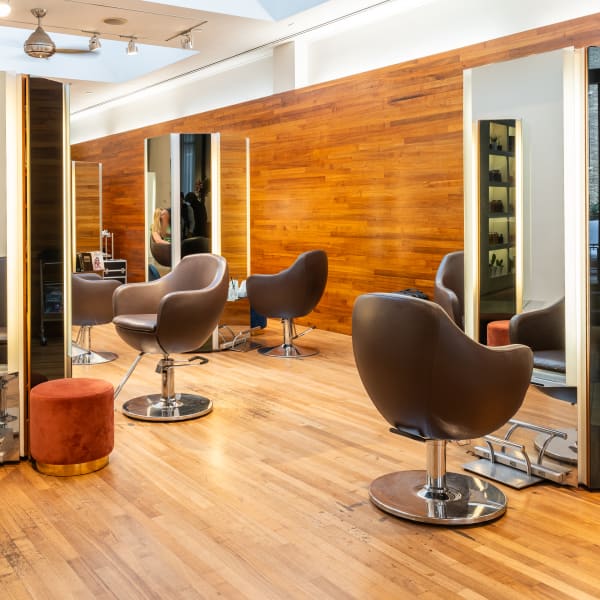
Salon owner Nuri Yurt had a dream of owning a salon on New York City’s Madison Avenue. "Through perseverance, hard work and stellar customer service, he and partner John Kaygisiz founded Toka Salon in 2007.
Sponsored by Amex

This guide is your one-stop shop for a plethora of technology tools, software and services created to keep your salon or spa thriving.

Anna Manukyan shares a breakdown of what different types of financial accounts should be used for.

Vagaro has consistently been at the forefront of salon software technology, helping businesses be more efficient, create more effective communication, and even improve company culture. Now, Connect by Vagaro, the platform’s two-way communication capability, and Vagaro’s new generative AI tools are giving owners new opportunities to grow and expand.
Sponsored by Vagaro

Young Nails' Greg, Habib, and Tracey discuss whether getting too close to clients can damage your business.