




The Beauty Pro Book Club: 4 Reads to Inspire Growth and Success
Four publications for beauty industry professionals to enhance their leadership skills, financial awareness, professional growth, and joy!
by Anne Moratto


 MENU
MENU SEARCH
Science & Medicine Panelists: Pheobe Rich, M.D., Doug Schoon, Johanna Youner, D.P.M. This Month's Nail Technician Experts: Jessica Zastopil is an instructor at Scot Lewis Schools in Plymouth, Minn. Angie Gross is the owner of skin & Nails by Angie in Stone Mountain, Ga.
Why are my tips lifting from the corner and underneath the nail? What can I do to prevent this?
Jessica Zastoupil: When using tips, lifting at the free edge tends to be caused by breakdown of nail adhesive. Adhesives are not waterproof and eventually will break down in water (though thicker adhesives tend to break down more slowly). To counteract this, you can reduce the wells of your tips. I never use a full well in its entirety, instead I file the well to just a sliver. A couple of companies have also introduced well-less tips. The point is to have as little adhesive on the nail as possible. You could get rid of adhesive altogether by either applying a tip with acrylic or sculpting the nail. A good quality cuticle oil applied under the nail daily--or several times daily--will help to keep the nail supple and prevent separation.
Angie Gross: Natural nails are made of fibers that twist and turn and wave up and down as they grow, especially once they leave the nail bed. Tips, on the other hand, usually have a perfect C-curve. If the differnce between the nail's C-curve and the tip's C-curve is great, the tip may eventually pull away. To combat this, I use a low-well tip on most of my full sets (the less tip on the nail the quicker it becomes an overlay). Etch properly close to the cuticle and make sure the tip's width matches the nail's width. Also make sure the corners are blended and no skin is attached to the tip or natural nail.
Many of my clients don't like to wear gloves when they garden. I know they're supposed to, but I don't know why. Can you tell me?
Doug Schoon: The main reason clients should wear gloves is to protect enhancements and prevent infections underneath the nail enhancement or nail plate. If the client decides to "repair" her own nails, (for example, using an adhesive to glue down a lifted area), it's unlikely she will properly cleanse the nail prior to the repair. Dirt contains a lot of bacteria, which may lead to an infection if trapped under the artificial nail. Also, long nails are not designed to become digging tools. A heavy force can pry back the artificial nail, breaking the hyponychium seal under the free edge of the natural nail. This creates a space underneath the natural nail that can harbor an infection. So, wearing gloves during gardening work is an important way clients can participate in the maintenance of their artificial nails.
How can I best describe to my client what a wart is and why it develops? What can she do to get rid of it? Do drugstore remedies work?
Dr. Rich: Warts are caused by a common virus called human papilloma virus (HPV), of which there are more than 75 different subtypes. Some of the subtypes have an affinity for the skin around and under the nail. Warts infect the epidermis (outer layer of the skin) and, contrary to popular myth, do not go down to bone. Warts on the bottom of the foot are called plantar warts because they are located on the plantar surface of the foot. The immune system in our skin that usually protects us from other skin infections often has a blind spot for the wart virus. Because the wart is very efficient in evading the normal surveillance of our immune system, it can be a challenge to eradicate. Most of the treatments (such as liquid nitrogen, various acids, cautery, and surgery) are destructive, meaning they work by destroying the skin in which the virus lives. Other treatments include injections and topical creams designed to stimulate the immune system in the skin. Over-the-counter products usually contain salicylic acid, which slowly dissolves the thick layers of the wart. These can be effective on some warts.
Interestingly, some warts will spontaneously disappear without any treatment at all, especially in children, presumably from an immune mechanism. That might be why some remedies like duct tape and caster oil--and even hypnosis--appear to be effective.
The most important things that nail professionals should be aware of with warts are:
1. The wart virus is contagious and can be spread from person to person. For example, if you file a callus associated with a wart during a pedicure, the filings contain wart virus that could spread to another person, including yourself. The wart virus is not blood-borne like many other infectious diseases.
2. Some subtypes of warts that occur around the nails can be associated with squamous cell skin cancers, so any wart around the nail that is present for many years and is resistant to treatment should be checked out by a physician. While this is not a common occurence, it is something that needs to be addressed promptly.
What, if anything, is the difference between polish, lacquer, and enamel?
Schoon: There is practically no difference between any of these products. Polish, varnish, lacquer, or enamel--all of these are marketing terms for the same type of product. Of course, some manufacturers add special performance-enhancing additives to their polishes, but these constitute a very small percentage of the overall formula. In general, each of these products use the same chemistry, the same type of ingredients, and generally have similar performance.
Four publications for beauty industry professionals to enhance their leadership skills, financial awareness, professional growth, and joy!
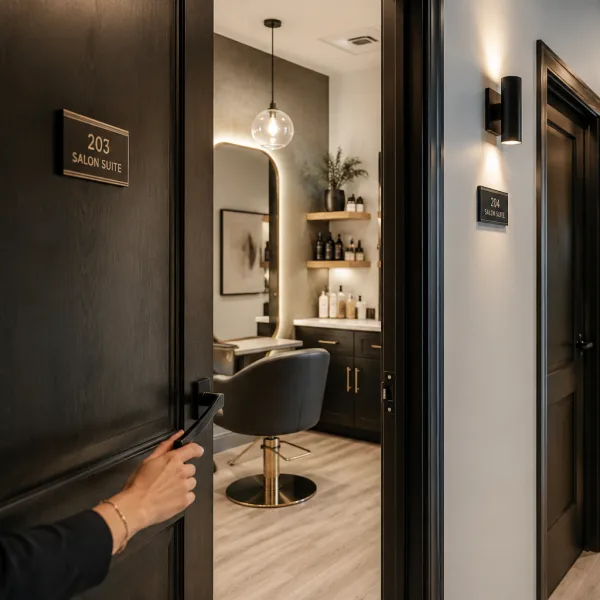
The most successful salon suites balance personality, function, and comfort. Megan Communale of My Salon Suite shares her best advice for designing a space that supports your business goals and leaves a lasting impression on every guest.

Square data shows that regular customers tip 11% higher and are shared across 32% of businesses in the same ZIP code, driving thousands of dollars in additional revenue per connection.
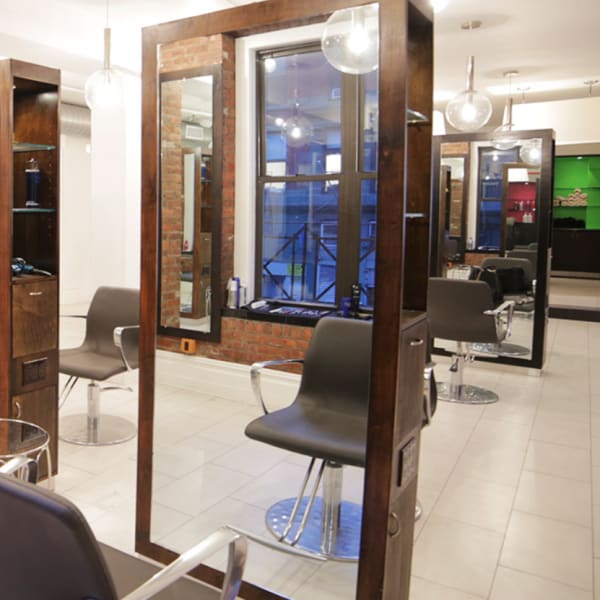
When Bowie Lau and Jeffrey Ching opened JBW Jeffrey Ching Salon in 2011, they weren’t just launching another luxury hair destination—they were building a business rooted in passion, artistry, and thoughtful growth.
Sponsored by Amex
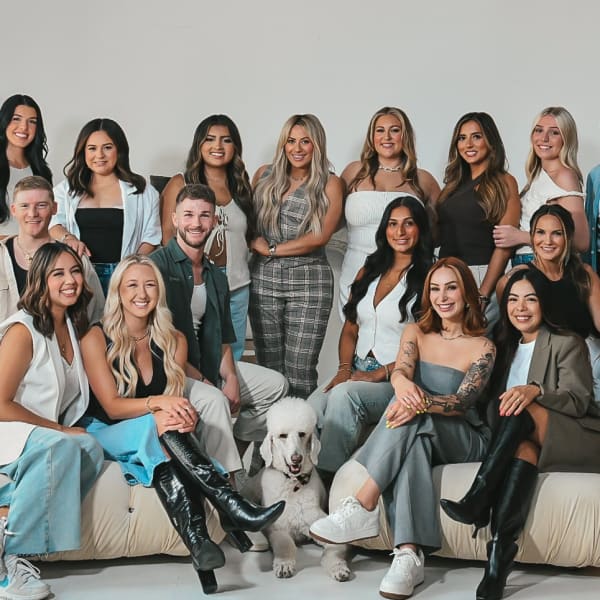
Inside the Systems That Power an Elevated Salon Experience From seamless online booking to a team-first culture, J Gold Salon in Atlanta offers more than great hair—it delivers consistent, high-touch service with the help of partners like Boulevard and American Express.
Sponsored by Amex

Want to grow your career as a beauty professional? K18 Sales Manager Sabrina Sanborn shares advice on networking, mentorship, and self-advocacy—from attending hair shows to finding the right guidance to reach your goals.
A combination of clear policies, effective communication, and strong client relationships has helped me create a more reliable and efficient booking system.
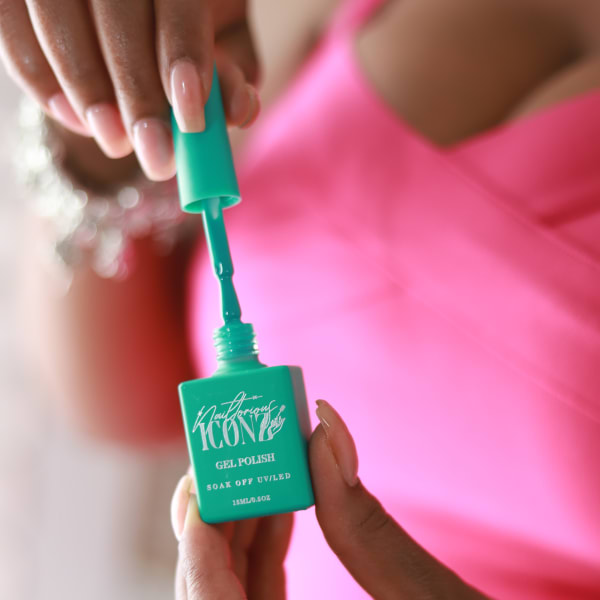
Founded by Cleveland serial entrepreneur Shaura Rodgers, Nailtorious has grown to include a nail supply megastore, training facilities, and retail line for nail techs.

This period after the holidays can bring on a huge lull for hairstylists. We asked Cosmo Prof's team of professionals to offer their best advice on how to deal with the January-February slow period.

Key highlights include a push toward inclusive spaces for all abilities, an emphasis on maximizing livable square footage, and a continued love for modern farmhouse exteriors.
The busy holiday season is here, and with it comes jam-packed days, last-minute client requests and booming retail sales. For many salon owners, the highlight of the season is Small Business Saturday® (SBS). This year on Saturday, November 30, consumers can take their shopping into the small businesses in their communities.
Sponsored by Amex
Want to become savvy about your personal finances, but don't quite know where to start? Anna Manukyan identifies six important concepts for building a strong financial foundation.
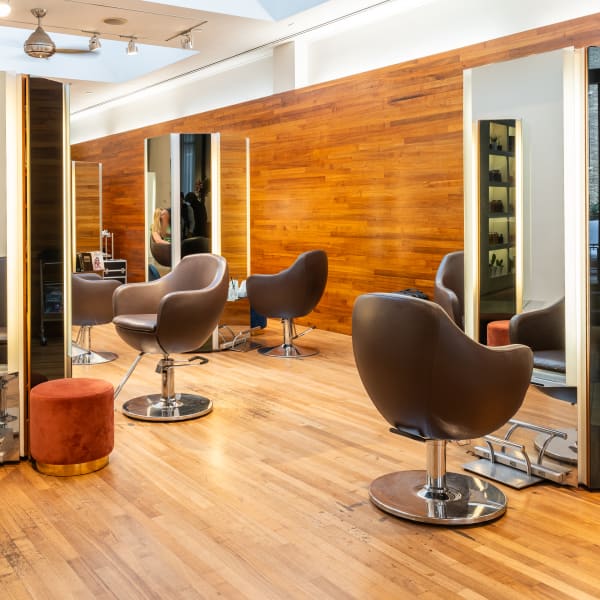
Salon owner Nuri Yurt had a dream of owning a salon on New York City’s Madison Avenue. "Through perseverance, hard work and stellar customer service, he and partner John Kaygisiz founded Toka Salon in 2007.
Sponsored by Amex

This guide is your one-stop shop for a plethora of technology tools, software and services created to keep your salon or spa thriving.

Anna Manukyan shares a breakdown of what different types of financial accounts should be used for.

Vagaro has consistently been at the forefront of salon software technology, helping businesses be more efficient, create more effective communication, and even improve company culture. Now, Connect by Vagaro, the platform’s two-way communication capability, and Vagaro’s new generative AI tools are giving owners new opportunities to grow and expand.
Sponsored by Vagaro

Young Nails' Greg, Habib, and Tracey discuss whether getting too close to clients can damage your business.