





The Beauty Pro Book Club: 4 Reads to Inspire Growth and Success
Four publications for beauty industry professionals to enhance their leadership skills, financial awareness, professional growth, and joy!
by Anne Moratto


 MENU
MENU SEARCH
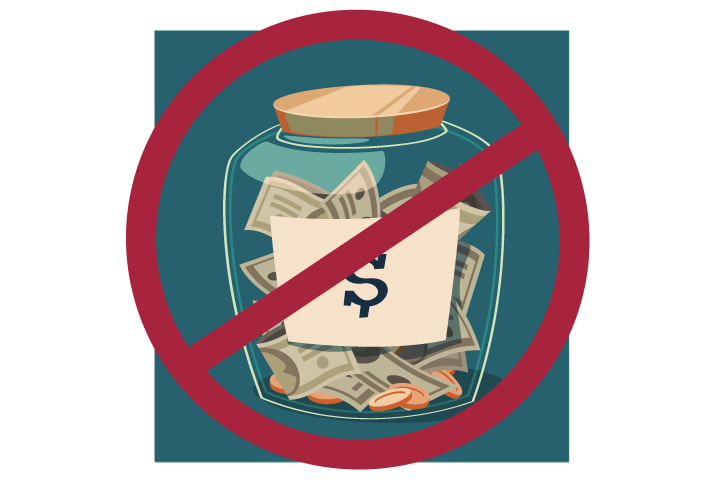
If tomorrow morning you posted a sign that said “no tips please,” what do you think would be the impact? No-tipping policies in salons, spas, and waxing studios are slowly but surely changing the way clients not only pay, but view their nail service professionals.
You’ve just completed a service and the client is fumbling with the bill. You can almost read her mind. “How much should I tip?” “Do I tip the owner?” “Will they think I am cheap if I only leave 10%?” This anxiety at checkout is the number-one reason cited for creating a no-tipping policy. Candice Everest, owner of Panache Nail Studio on Camano Island, Wash., eliminated this situation 13 months ago when since she implemented her no-tipping policy. Says Everest: “Most of my clients would gladly pay a little more for the service if they knew they could avoid this dilemma.” Clients are relieved and appreciative of the policy. “Many of my clients have shared, sometimes confi dentially, how much they appreciate knowing upfront what a service will cost,” she says.
Just do a simple web search on tipping etiquette and you will be overwhelmed by more than 2 million tips, suggestions, and postings. It’s a popular topic with little agreement about whom and how much to tip.
PROFESSIONAL VERSUS SERVICE PROVIDER
According to Wikipedia, a professional is “someone who has completed formal education and training in one or more professions. The term also describes the standards of education and training that prepare members of the profession with the particular knowledge and skills necessary to perform the role of that profession.” That certainly sounds like a licensed nail professional.
If you consider yourself a member of a professional occupation rather than a service worker, a no-tipping policy makes sense. A no-tipping policy can help educate clients about your training and promote the perception that you are a trained professional. Clients are generally willing to pay for professional services and promoting this aspect of your business helps you set yourself apart in a highly competitive industry. It may also support setting your nail service prices in line with other professionals.
Heather Archibald, general manager of Josephine’s Day Spa and Salon with two locations in the Houston area feels that in today’s social media- and review-driven world, a no-tipping policy is simply good business. “We build our business by recommendation — not by tips,” says Archibald. The power of positive reviews to drive new clients is another strong factor in supporting a no-tipping policy. Archibald adds, “What do you do when you are new to an area or looking for a new salon? Go to the review sites.” Josephine’s Day Spa and Salon promotes the idea that the best tip a happy client can offer is a favorable review and a personal recommendation.
THE PLAYING FIELD IS NOT LEVEL
Unlike restaurant and food service employees, salon owners do not benefit from tax credits when reporting employee tips. Under current law, tips must be reported and owners must pay Social Security, Medicare, and sometimes state taxes on employee tips. In addition owners often absorb the credit card processing fees on tips added to credit card payments, which can add another 2%-3%. The Professional Beauty Association (PBA) has initiated a campaign to support the passage of the Small Business Tax Equalization and Compliance Act, commonly referred to in the industry as the FICA Tip Tax Credit, to remedy this discrepancy. However, there is no assurance that the beauty industry will soon begin to enjoy the same benefi ts the restaurant industry has received since 1993.
NO-TIPPING POLICES ARE GROWING
Perhaps you have heard about Waxing the City — a Denver-based waxing business franchise with nine locations and plans for expansion. The website boldly proclaims that its no-tipping policy is not a joke. The rationale is that their cerologists are professionals first and foremost. Clients do not tip their doctors, dentists, or other professionals so why should waxing professionals expect a hefty tip? Waxing the City promotes referral and recommendation in lieu of a tip as a better way to acknowledge superior service.
Brenda Gilbert, owner of BG Makeovers, a day spa in Raymond, N.H., does not offer nail services. But her decision
to institute a no-tipping policy for her spa was inspired by her personal experience with her local nail salon. “I found myself holding off on getting my nails done or having a repair because of the expense. Often the extra tip amount on top of the service was more than I could justify,” says Gilbert. If this was happening to her, she realized that her clients must be feeling the same thing and postponing or cutting back on services. Gilbert addressed this by launching her “tip-free zone” at BG Makeovers. Gilbert reports that indeed clients are returning more frequently. She has also noticed an increase in referrals from appreciative clients who promote the no-tipping policy to friends and family.
In a no-tipping environment both the owner and the employee can calculate accurately what they can expect to collect in service revenue. This can be a powerful tool for planning and promotional efforts. Another benefi t is having accurate financial data for taxes or other audits. There is no confusion regarding what was paid out in terms of wages versus tips. The employee will no longer have to keep a daily tip record and calculate not only personal tips but tips gained from tip pools or tip sharing. Lessening or eliminating some of the paperwork burden for owners and employees while reducing a potential red fl ag for the IRS saves time, money, and worry.
CAREFUL CONSIDERATIONS
These tips can help you identify if a no-tipping policy can benefi t your business’s bottom line.
Calculate the amount of tips as a whole, and also for each employee.
Identify all related costs such as credit card fees and accounting.
Estimate the amount of additional hourly or commission split that would be required to replace tip income for each employee.
Calculate price increases needed to make up lost tip income and adjustments to wages.
Review client history both formally and informally using your salon software program. Ask yourself what is the average length of time between visits? Will a no-tipping policy impact this as well as attract new guests?
Poll your best clients on their feelings about tipping and no-tipping policies.
Discuss the potential impact with employees or contractors. Giving careful consideration to the benefi ts of a no tipping policy may bring your business a boost and create happy clients who choose to not only refer new clients but return more frequently.
Patti Biro is the owner and founder of Patti Biro and Associates (www.pattibiro.com), a consulting firm specializing in planning and providing innovative continuing education in the spa and wellness industry.
Four publications for beauty industry professionals to enhance their leadership skills, financial awareness, professional growth, and joy!
The most successful salon suites balance personality, function, and comfort. Megan Communale of My Salon Suite shares her best advice for designing a space that supports your business goals and leaves a lasting impression on every guest.

Square data shows that regular customers tip 11% higher and are shared across 32% of businesses in the same ZIP code, driving thousands of dollars in additional revenue per connection.
When Bowie Lau and Jeffrey Ching opened JBW Jeffrey Ching Salon in 2011, they weren’t just launching another luxury hair destination—they were building a business rooted in passion, artistry, and thoughtful growth.
Sponsored by Amex

Inside the Systems That Power an Elevated Salon Experience From seamless online booking to a team-first culture, J Gold Salon in Atlanta offers more than great hair—it delivers consistent, high-touch service with the help of partners like Boulevard and American Express.
Sponsored by Amex

Want to grow your career as a beauty professional? K18 Sales Manager Sabrina Sanborn shares advice on networking, mentorship, and self-advocacy—from attending hair shows to finding the right guidance to reach your goals.

A combination of clear policies, effective communication, and strong client relationships has helped me create a more reliable and efficient booking system.
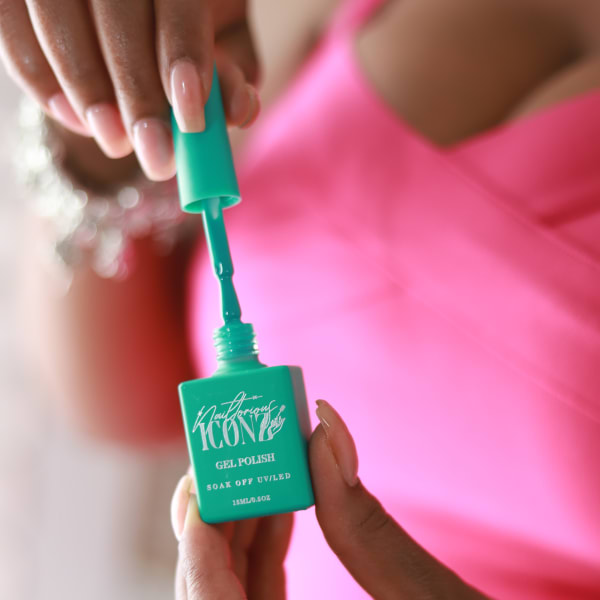
Founded by Cleveland serial entrepreneur Shaura Rodgers, Nailtorious has grown to include a nail supply megastore, training facilities, and retail line for nail techs.

This period after the holidays can bring on a huge lull for hairstylists. We asked Cosmo Prof's team of professionals to offer their best advice on how to deal with the January-February slow period.

Key highlights include a push toward inclusive spaces for all abilities, an emphasis on maximizing livable square footage, and a continued love for modern farmhouse exteriors.
The busy holiday season is here, and with it comes jam-packed days, last-minute client requests and booming retail sales. For many salon owners, the highlight of the season is Small Business Saturday® (SBS). This year on Saturday, November 30, consumers can take their shopping into the small businesses in their communities.
Sponsored by Amex

Want to become savvy about your personal finances, but don't quite know where to start? Anna Manukyan identifies six important concepts for building a strong financial foundation.
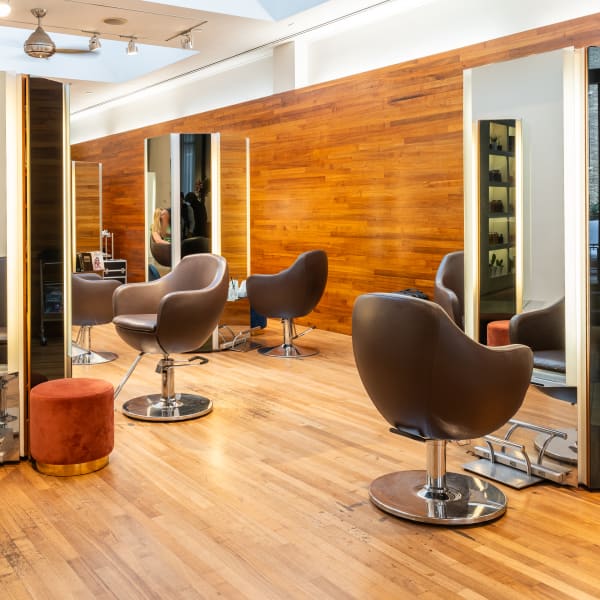
Salon owner Nuri Yurt had a dream of owning a salon on New York City’s Madison Avenue. "Through perseverance, hard work and stellar customer service, he and partner John Kaygisiz founded Toka Salon in 2007.
Sponsored by Amex

This guide is your one-stop shop for a plethora of technology tools, software and services created to keep your salon or spa thriving.

Anna Manukyan shares a breakdown of what different types of financial accounts should be used for.

Vagaro has consistently been at the forefront of salon software technology, helping businesses be more efficient, create more effective communication, and even improve company culture. Now, Connect by Vagaro, the platform’s two-way communication capability, and Vagaro’s new generative AI tools are giving owners new opportunities to grow and expand.
Sponsored by Vagaro
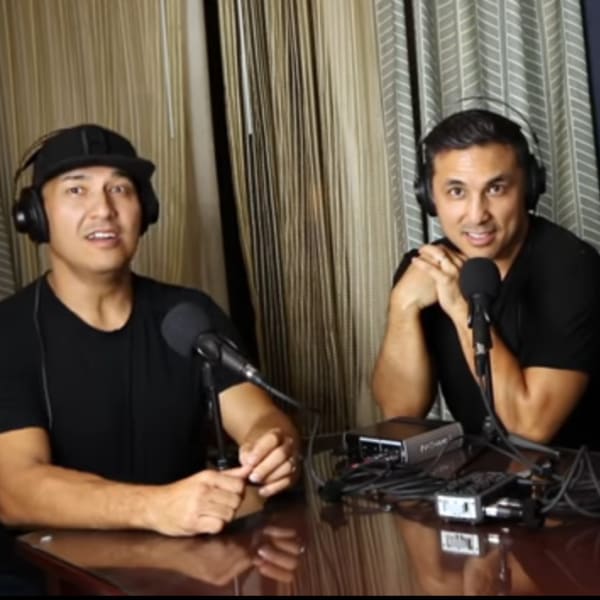
Young Nails' Greg, Habib, and Tracey discuss whether getting too close to clients can damage your business.