





The Beauty Pro Book Club: 4 Reads to Inspire Growth and Success
Four publications for beauty industry professionals to enhance their leadership skills, financial awareness, professional growth, and joy!
by Anne Moratto


 MENU
MENU SEARCH
Merchant cash advances are easier to get than traditional bank loans. Advantages include quick funding and a repayment schedule that is tied to the salon’s cash flow.


Every successful salon must invest in inventory and equipment to stay ahead of customer demand and to remain competitive. Every few years, a major upgrade is needed, such as a salon renovation, new equipment, or just capital for marketing.
The problem is, most owners don’t have the cash flow necessary for these outlays and must look at outside funding options to help grow their business. Many owners first try to secure traditional bank loans, but approximately seven out of 10 loan applications are rejected. For nail salons, seeking a traditional bank loan is even more challenging as an average loan for $15,000 is often considered a microloan, and too costly for a bank to underwrite.
One alternative finance option for nail salons is merchant cash advances (MCAs). An MCA offers businesses a lump sum payment in exchange for a share of future credit card sales. An MCA is a quick and flexible financing option that can provide solid businesses with necessary capital in a matter of days, not months like traditional lenders. Also while banks require approximately five years in business, most MCAs will provide financing to businesses in operation for just one year.
Merchant cash advance company American Finance Solutions counts hundreds of nail salons nationwide as clients. Most of these nail salons use the capital advance for equipment (i.e. more chairs and facility upgrades), product inventory, new hires, and marketing. Seasonal needs are also a key impetus for funding. For example, nail salons may need to gear up for an influx of summer business, so owners typically secure an advance in the spring to stock up on supplies.
Below are tips on what to look for when choosing an MCA, as not all are created equal.
Look for the following:
> An ethical, holistic approach. Banks reject half of small business loan applications because they rely on the credit quality of the owner and the value of collateral to support the credit decision. Banks can overlook and ignore good businesses because they don’t look at the overall health of the business based on its sales. A major benefit of working with an MCA involves a focus on the general health and future prospects of the business, not the owner’s personal FICO score. Also, an ethical MCA should be willing to tell a business what is truly the right amount they can afford.
> Quick turnaround time. A quality MCA can fund your salon in less than 10 days. This is important for times when you need to buy more inventory or supplies quickly, fix a piece of equipment, or make renovations.
> Flexible, realistic repayment schedule. The average repayment for a cash advance is less than 25% of the funded amount. That means that if a business is advanced $20,000, they will likely pay back about $25,000 total. It varies per business and depends largely on how much they need and the length of the term. Also, since many nail salons need cash during high season, the benefit of an MCA repayment schedule is that owners don’t have to repay a high, fixed amount per month during their slow season. Instead they pay by having a small percentage from each credit card transaction deducted so payment is tied to the salon’s cash flow.
What to watch out for:
> The MCA tries to advance you more money than you need. The reason some MCAs do this is to get a higher repayment amount from the salon. Beware of MCAs that try to charge more than approximately 25% of the amount advanced.
> The MCA charges interest on top of the repayment fee. Look for an MCA that does not charge an interest rate, though there may be a one-time processing fee.
> The MCA is an agent, broker, or reseller. Your business needs to work with a company that is the direct funding source. Otherwise the agent may take a cut of your advance or require his own fee for connecting you to an actual MCA.
Editor’s note: NAILS spoke to Scott Buchanan, owner of Scott J SalonSpa, for another point of view. Buchanan is also the vice chair on PBA’s board of directors, president of the Salon/Spa Leadership Council, and chair of the PBA Education Committee. He advises caution before taking any action that will affect your revenue stream. Not only is MCA an expensive way to get money, you may be unhappy when the credit card dollars you are used to receiving don’t come in.
Scott Griest is founder and chief executive officer of American Financial Solutions, one of the nation’s fastest growing merchant cash advances for small businesses. For more information, visit www.americanfinancesolutions.com.
Four publications for beauty industry professionals to enhance their leadership skills, financial awareness, professional growth, and joy!
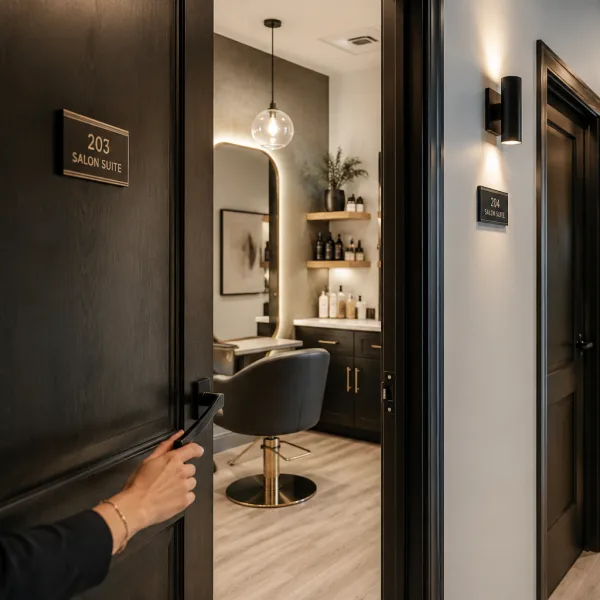
The most successful salon suites balance personality, function, and comfort. Megan Communale of My Salon Suite shares her best advice for designing a space that supports your business goals and leaves a lasting impression on every guest.

Square data shows that regular customers tip 11% higher and are shared across 32% of businesses in the same ZIP code, driving thousands of dollars in additional revenue per connection.

When Bowie Lau and Jeffrey Ching opened JBW Jeffrey Ching Salon in 2011, they weren’t just launching another luxury hair destination—they were building a business rooted in passion, artistry, and thoughtful growth.
Sponsored by Amex

Inside the Systems That Power an Elevated Salon Experience From seamless online booking to a team-first culture, J Gold Salon in Atlanta offers more than great hair—it delivers consistent, high-touch service with the help of partners like Boulevard and American Express.
Sponsored by Amex

Want to grow your career as a beauty professional? K18 Sales Manager Sabrina Sanborn shares advice on networking, mentorship, and self-advocacy—from attending hair shows to finding the right guidance to reach your goals.

A combination of clear policies, effective communication, and strong client relationships has helped me create a more reliable and efficient booking system.
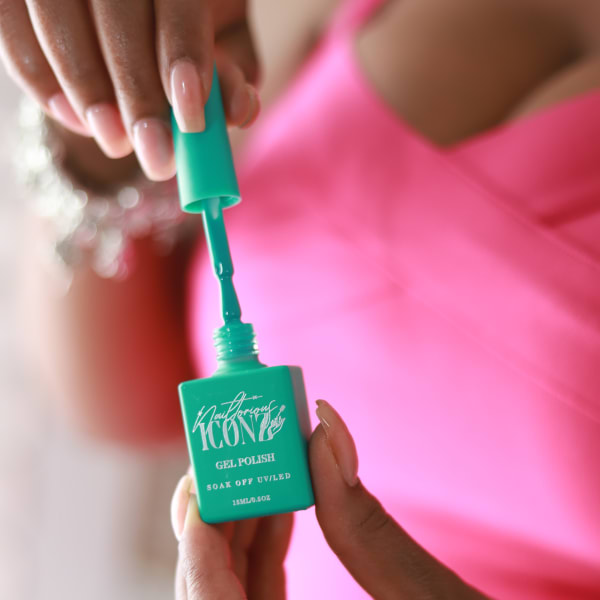
Founded by Cleveland serial entrepreneur Shaura Rodgers, Nailtorious has grown to include a nail supply megastore, training facilities, and retail line for nail techs.

This period after the holidays can bring on a huge lull for hairstylists. We asked Cosmo Prof's team of professionals to offer their best advice on how to deal with the January-February slow period.

Key highlights include a push toward inclusive spaces for all abilities, an emphasis on maximizing livable square footage, and a continued love for modern farmhouse exteriors.

The busy holiday season is here, and with it comes jam-packed days, last-minute client requests and booming retail sales. For many salon owners, the highlight of the season is Small Business Saturday® (SBS). This year on Saturday, November 30, consumers can take their shopping into the small businesses in their communities.
Sponsored by Amex

Want to become savvy about your personal finances, but don't quite know where to start? Anna Manukyan identifies six important concepts for building a strong financial foundation.
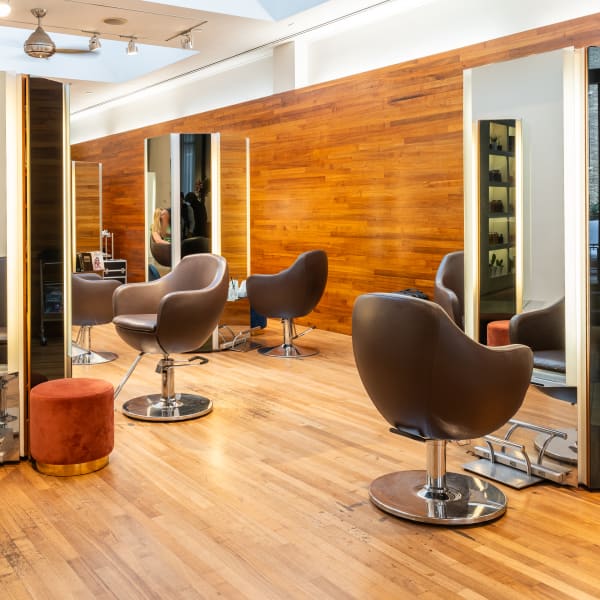
Salon owner Nuri Yurt had a dream of owning a salon on New York City’s Madison Avenue. "Through perseverance, hard work and stellar customer service, he and partner John Kaygisiz founded Toka Salon in 2007.
Sponsored by Amex

This guide is your one-stop shop for a plethora of technology tools, software and services created to keep your salon or spa thriving.

Anna Manukyan shares a breakdown of what different types of financial accounts should be used for.

Vagaro has consistently been at the forefront of salon software technology, helping businesses be more efficient, create more effective communication, and even improve company culture. Now, Connect by Vagaro, the platform’s two-way communication capability, and Vagaro’s new generative AI tools are giving owners new opportunities to grow and expand.
Sponsored by Vagaro

Young Nails' Greg, Habib, and Tracey discuss whether getting too close to clients can damage your business.