




The Beauty Pro Book Club: 4 Reads to Inspire Growth and Success
Four publications for beauty industry professionals to enhance their leadership skills, financial awareness, professional growth, and joy!
by Anne Moratto


 MENU
MENU SEARCH
Akiko Kimura develops beauty/manicuring school to develop market in Tokyo
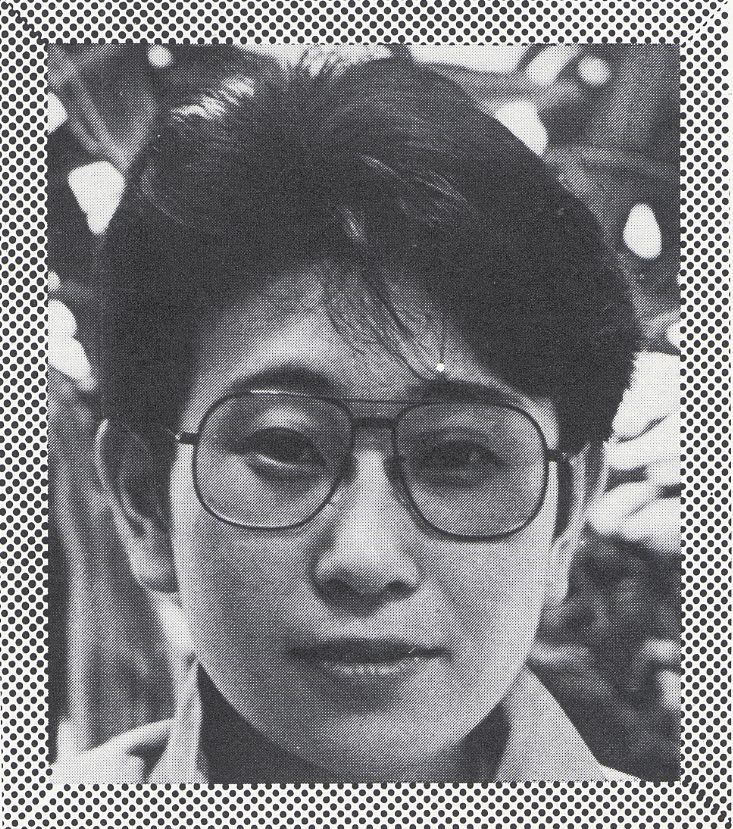
Akiko Kimura was a pioneering nail artist in Japan.
Akiko Kimura bills herself as a nail artist and illustrator. She is also a licensed manicurist. What piqued our curiosity was the fact that she served as guest judge at the recent World International Nail and Beauty Association competitions … and flew over from Japan for the event. She is a soft spoken young woman, quick with nervous laughter and modest demeanor. Judging from her work, as supplied by a portfolio she uses with and for her own clientele, Akiko is a talented artist.
She is currently working in Tokyo, Japan, and is developing plans for a manicuring school. She received her art training at California State University at Long Beach, and then proceeded with her manicuring training through that state’s cosmetology school. Having just recently graduated, she returned to Japan where she is attempting to establish a nail care service among a skeptical and wary public.
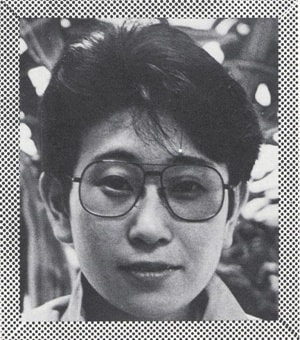
Akiko Kimura was a pioneering nail artist in Japan.
NAILS: Welcome, Akiko. Thank you for joining us today. May we begin by asking you how you became involved with nail care?
Akiko: Yes … it was when I was studying art at the university. I saw a friend of mine that was in a nail competition, had taken second place, and when I saw her nails I really liked them.
NAILS: Then you were in California from Japan to study art?
Akiko: Yes. That is why I was interested in those nails when I saw them. We do not have nail painting or even nail manicurists in Japan yet.
NAILS: When you finished your art training, why then did you decide to pursue manicuring?
Akiko: Because we do not have any manicurist that produce such work in Japan. What we do have only take care of the nails, they do not paint them. I was hoping to go back and start a service.
NAILS: How long have you been working with nail care in Japan?
Akiko: Only about six months…
NAILS: How have you been doing?
Akiko: It is a lot of work. The people in the beauty industry in Japan are paying attention to nails, but unfortunately, not from others yet. Only movie starts or singers or those in entertainment do things with their nails. But gradually it should develop.
NAILS: Do you think its popularity will grow in Japan as it has in the United States?
Akiko: Yes, but it will take time. Right now there are only four manicurists in Tokyo including me, but I am the only one doing work with acrylic or nail painting.
NAILS: Are you having to buy all your supplies from the United States?
Akiko: Yes … I can buy some polish and buffers and emery boards, but not acrylics. So I have to buy most of the product from one company and ship it over to Japan.
NAILS: Do you have any plans to set up a salon or beauty supply back home.
Akiko: Well, first I am concentrating on a school first, and possibly a salon, but the first thing I have to do is set up a school … there is no manicurist there that know about product, and I have to do everything myself. So it is very hard right now.
NAILS: A school … then you are saying that you need to teach manicuring in Japan in order to have manicurists to open a salon to develop an interest in nails?
Akiko: Right … I am talking about starting from the very beginning.
NAILS: How far have you progressed with your plans?
Akiko: I have found a location and set up an office. And I flew out here as a judge for the WINBA show and because I wanted to talk with Harold Jones of the California State Board because I am still working on the Curriculum, but I hope to be open within two months.
NAILS: Do you anticipate a lot of students, a lot of interest?
Akiko: No, not at first. Nobody knows manicuring, so through magazines and newspaper I will just try and let them know what it is and what I can do.
NAILS: As part of your curriculum, will you be teaching nail art?
Akiko: Yes, but not at first. The first steps are to teach them sterilization, sanitation, manicuring procedures and the basics of acrylics.
NAILS: Then you will be offering all the different procedures?
Akiko: Yes, the full range of techniques, such as tips, wraps, acrylics. It will be a lot of work, but I don’t think that I can have so many students at the same time. I think five to 10 will be the maximum.
NAILS: Out of curiosity, what does, in American dollars, a manicure cost?
Akiko: Ah…usually $15 for an oil or water manicure. More for the acrylics.
NAILS: Is that a lot of money in Tokyo?
Akiko: Quite a bit … that is why at this point only movie stars and wealthy people are able to afford it on a regular basis. Because we can’t get very much in Japan and we have to buy it from the United States and pay the shipping cost, we have to charge that much.
NAILS: Describe your current operation.
Akiko: I do not work in a salon … I receive a phone call and I go to the person’s house and work on their nails … sort of a home service.
NAILS: I would imagine with that approach that word-of-mouth advertising must be very important to your business.
Akiko: Yes, very important. But as soon as I can get some other manicurists, then we can develop a salon … that is why the school is very important.
NAILS: It must be very exciting to see a young industry begin in Japan … the idea for the school then was out of necessity?
Akiko: Out of necessity, yes. In a cosmetology school in Tokyo they do teach manicuring, but is a very poor technique, and people working in the salon need these better manicuring techniques. I receive a lot of phone calls from others to help in their salons and to help their clients.
NAILS: What is the reaction to your nail painting and 3-D work? I would guess that it is a little unusual…
Akiko: Yes, very unusual. Not so many years ago, the people that would wear red polish were treated down by people because they would think they were working in a bar … there used to be a lot of prejudices on the red polish or the long fingernail. But this has been changing. The big cosmetic firms in Japan are now pushing purple polish, red polish … so it is now loosening up. Some Japanese people now have long fingernails and they do not think of them as working in bars.
NAILS: What are some of the things you paint on the nails?
Akiko: Flowers, butterflies, celebrities … I can do whatever my client wants.
NAILS: Do you offer suggestions for these women?
Akiko: Oh yes, because certain things may not go well with what they wear or who they are.
NAILS: What then are your most popular designs, both in nail painting and 3-D work?
Akiko: The butterfly … it is very simple and doesn’t get in the way. And it is very delicate. Japanese people like some thing that are very delicate, something not so noticeable, something subtle.
NAILS: Do you charge extra for this service?
Akiko: Yes, the $15 price is only for manicuring. For the manicuring and painting, it is $20.
NAILS: Well, Akiko, I’m afraid that we have run out of time … I wish you the best of luck with your new venture in Japan … and please stay in touch. We would love to hear from you.
Akiko: Thank you.
Four publications for beauty industry professionals to enhance their leadership skills, financial awareness, professional growth, and joy!
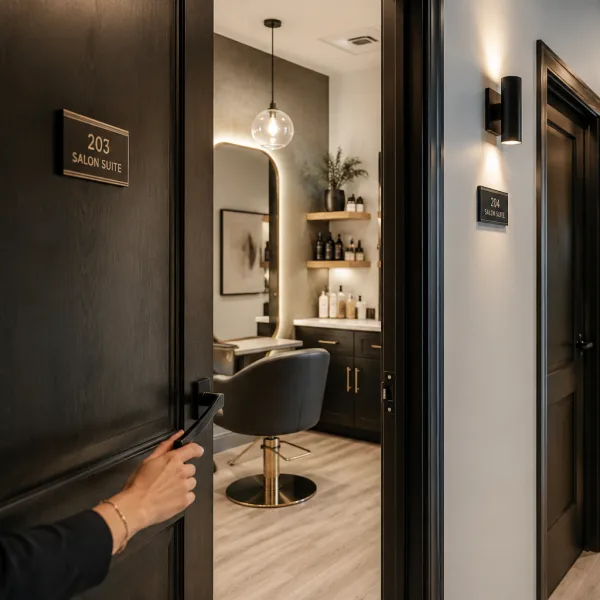
The most successful salon suites balance personality, function, and comfort. Megan Communale of My Salon Suite shares her best advice for designing a space that supports your business goals and leaves a lasting impression on every guest.

Square data shows that regular customers tip 11% higher and are shared across 32% of businesses in the same ZIP code, driving thousands of dollars in additional revenue per connection.

When Bowie Lau and Jeffrey Ching opened JBW Jeffrey Ching Salon in 2011, they weren’t just launching another luxury hair destination—they were building a business rooted in passion, artistry, and thoughtful growth.
Sponsored by Amex

Inside the Systems That Power an Elevated Salon Experience From seamless online booking to a team-first culture, J Gold Salon in Atlanta offers more than great hair—it delivers consistent, high-touch service with the help of partners like Boulevard and American Express.
Sponsored by Amex

Want to grow your career as a beauty professional? K18 Sales Manager Sabrina Sanborn shares advice on networking, mentorship, and self-advocacy—from attending hair shows to finding the right guidance to reach your goals.

A combination of clear policies, effective communication, and strong client relationships has helped me create a more reliable and efficient booking system.
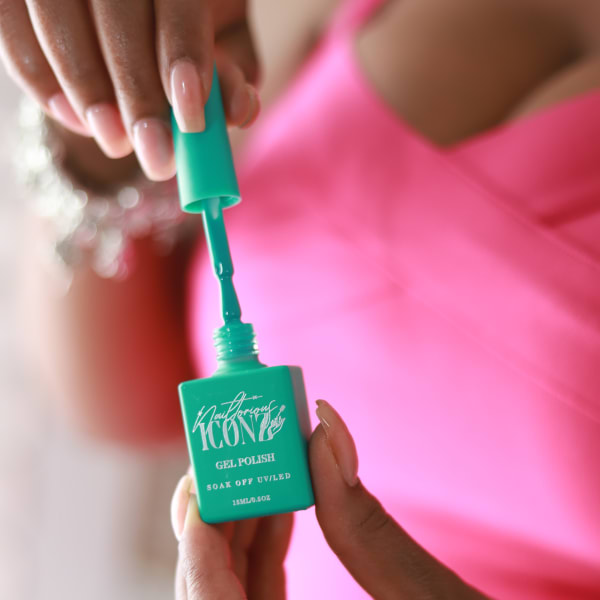
Founded by Cleveland serial entrepreneur Shaura Rodgers, Nailtorious has grown to include a nail supply megastore, training facilities, and retail line for nail techs.

This period after the holidays can bring on a huge lull for hairstylists. We asked Cosmo Prof's team of professionals to offer their best advice on how to deal with the January-February slow period.

Key highlights include a push toward inclusive spaces for all abilities, an emphasis on maximizing livable square footage, and a continued love for modern farmhouse exteriors.

The busy holiday season is here, and with it comes jam-packed days, last-minute client requests and booming retail sales. For many salon owners, the highlight of the season is Small Business Saturday® (SBS). This year on Saturday, November 30, consumers can take their shopping into the small businesses in their communities.
Sponsored by Amex

Want to become savvy about your personal finances, but don't quite know where to start? Anna Manukyan identifies six important concepts for building a strong financial foundation.
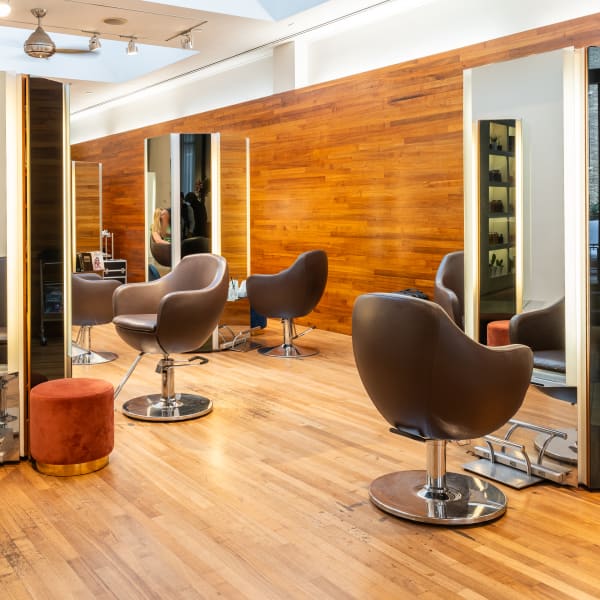
Salon owner Nuri Yurt had a dream of owning a salon on New York City’s Madison Avenue. "Through perseverance, hard work and stellar customer service, he and partner John Kaygisiz founded Toka Salon in 2007.
Sponsored by Amex

This guide is your one-stop shop for a plethora of technology tools, software and services created to keep your salon or spa thriving.

Anna Manukyan shares a breakdown of what different types of financial accounts should be used for.

Vagaro has consistently been at the forefront of salon software technology, helping businesses be more efficient, create more effective communication, and even improve company culture. Now, Connect by Vagaro, the platform’s two-way communication capability, and Vagaro’s new generative AI tools are giving owners new opportunities to grow and expand.
Sponsored by Vagaro

Young Nails' Greg, Habib, and Tracey discuss whether getting too close to clients can damage your business.