





The Beauty Pro Book Club: 4 Reads to Inspire Growth and Success
Four publications for beauty industry professionals to enhance their leadership skills, financial awareness, professional growth, and joy!
by Anne Moratto


 MENU
MENU SEARCH
Prevent issues from lingering and keep team informed with regular salon meetings.

Paula Gilmore

Paula Gilmore
Salon staff meetings — often called “bitch sessions” — are usually not called until the staff and management are at each other’s throats. The salon owner usually calls the meeting by standing up, red in the face, and veiling, “Things have got to change around here!” No wonder you have to threaten death to get anyone to attend and no wonder those who do show up bring along a bad attitude. Does it have to be this way? Absolutely not!
Salon meetings are vital to successful salon management and good team communication. In order for any group of people in a business situation to be “working from the same page,” they must all communicate regularly and have the same information available to them. It’s especially true in the salon arena, because days can pass at breakneck speed when people are focused only on the customer (as they should be). Salon meetings are a great way to get the same information to everyone at the same time and to clear the air on a regular basis. They help keep everyone on track. It’s your job as manager and facilitator to keep these meetings beneficial to everyone. And if the meetings are beneficial, believe me, everyone will attend.
The Elements Of A Good Meeting
Consistency is a key factor to success in all areas of salon management, and is especially so with meetings. Some pre-meeting preparation on your part is necessary for a smooth session. Start by gathering information that needs to be shared, such as sales reports, new product information, and upcoming promotions. Several days before the meeting, make copies of your handouts, confirm who will attend (especially if you’ve invited a special speaker or educator), and post the agenda. Your preparedness is key to an unruffled meeting. Let the .staff decide as a group a convenient day and time each month to have the salon meeting. There will always be someone; slightly more inconvenienced by the meeting time than others, but putting the decision in the group’s hands keeps the number of people inconvenienced to a minimum. Let everyone know how important you feel their participation is and encourage them to attend.
If you have a booth rental salon, remember that booth renters can not be required to be present at salon meetings. However, you can still have “Booth Renter Association” meetings, which can be similar to merchant meetings. If your meetings are perceived to be beneficial, booth renters will want to participate. Employees can be required to attend but they must be compensated for their time. These details should be agreed to at the time of hire and outlined in writing in your employment contract and employee handbook.
A good, productive meeting should be completed in an hour unless there is a special event in the works. Try having the meeting at lunch on an early day of the week, possibly with pizza provided by the salon, or try a continental breakfast meeting before the work day begins. Crockpot chili on a Monday evening assures an upbeat meeting. If you’re meeting in the salon, make sure the meeting starts on time and all clients are out of the salon. Turn the answering machine; on and a “Meeting in Progress” sign on the door. Set the example for your team that the meeting — and your time together — are important *** to you. It’s up to you as facilitator to keep the meeting moving. Start with old business that has not been resolved — things like promotions still in progress or the outcome of your latest direct mail piece. Everyone should have their last meeting notes and their date book up to date.
Monthly sales really are part of old business but need a .segment of their own. Create a simple report for the group that shows the retail sales of the group and individuals. Break down the services by category and dollar amount and set sales goals for the next month. Take a section such as booth rental income and show what type of expenses go against it and what the profit of that particular area is. List some extra expenses such as a plumbing bill or new pedicure cart you purchased. Open the team’s eyes to the salon’s expenses, because some technicians think that salon owners take home bags of money. Don’t get too complicated, but communicate your financial challenges as an owner.
Next, address the new business. This is a good time to turn the gavel over to a staff member. Have someone on the stall present a new promotional idea or a solution to a common problem. Have the group discuss it for a few minutes and decide if and when to act on the idea. Make sure someone is designated to take action on the new idea and follow up periodically during the next month.
The technical corner is one of the favorite segments of the; meeting. If you are rolling out a new product or service, set up a display before the meeting begins. Have product knowledge packets for everyone; and choose someone to demo the new product for the group. Open the floor for questions and service; problems that might concern everyone. Be careful not to let technicians bog down the meeting with complaints about their clients that don’t interest the group as a whole. Make time to see that particular nail technician after the meeting to resolve the problem.
Beware of the “open forum. You need to be ready to field just about any type of conflict when the “floor is open.” In order for these sessions to remain productive and under control, you need to remember rule number one — stay calm. Listen to what is said and make sure you understand what the problem is. It is not always necessary to make a decision at that instant. Often a team member has a question about compensation, fees in the salon, duties that need to be performed, and other dicey, complicated stuff. Avoid topics such as personal conflicts between you and staff or between members of the staff. You have to determine immediately what is meeting material and what should be handled privately, one-on-one. Learn to recognize problems before they become backroom bombs. Regular meetings are supposed to help you diffuse problems early if you handle them properly. If the whole group is unhappy about compensation or other money issues, you need to take action. You may need to educate them, for example, on what goes in and out of your business. Refer back to your monthly sales reports. You may need to hold a special meeting after you have gathered material to support your actions as an owner. There is a limit to what you should share with the group, however. The staff must understand and feel good about your business arrangement”, but you are not required to justify everything you do.
End your meeting on a positive note with awards and acknowledgements. If you pay out bonus checks, this is a great time to do it. Recognize someone who has gone out of her way to help another or has done a terrific job with the latest promotion. Encourage new people and celebrate birthdays, engagements, and anniversaries with the salon. Close with a reminder of the next meeting date or hand out a calendar for the next month with all the salon happenings. Meetings can be a fun and positive way to keep your team together. As owner, a successful meeting all comes down to you. Be prepared and put yourself in your staff’s place. Involve them and listen to their ideas.
Four publications for beauty industry professionals to enhance their leadership skills, financial awareness, professional growth, and joy!
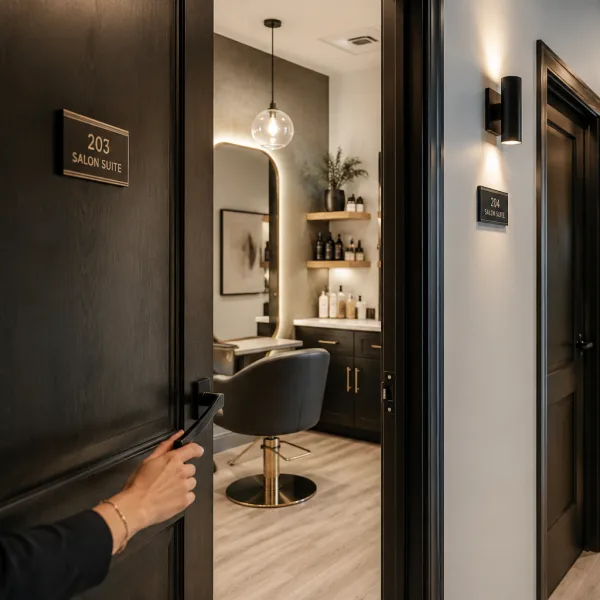
The most successful salon suites balance personality, function, and comfort. Megan Communale of My Salon Suite shares her best advice for designing a space that supports your business goals and leaves a lasting impression on every guest.
Square data shows that regular customers tip 11% higher and are shared across 32% of businesses in the same ZIP code, driving thousands of dollars in additional revenue per connection.
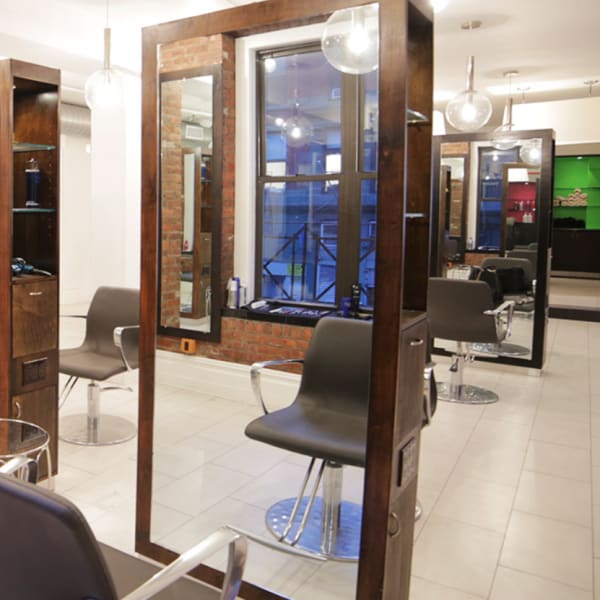
When Bowie Lau and Jeffrey Ching opened JBW Jeffrey Ching Salon in 2011, they weren’t just launching another luxury hair destination—they were building a business rooted in passion, artistry, and thoughtful growth.
Sponsored by Amex

Inside the Systems That Power an Elevated Salon Experience From seamless online booking to a team-first culture, J Gold Salon in Atlanta offers more than great hair—it delivers consistent, high-touch service with the help of partners like Boulevard and American Express.
Sponsored by Amex

Want to grow your career as a beauty professional? K18 Sales Manager Sabrina Sanborn shares advice on networking, mentorship, and self-advocacy—from attending hair shows to finding the right guidance to reach your goals.

A combination of clear policies, effective communication, and strong client relationships has helped me create a more reliable and efficient booking system.
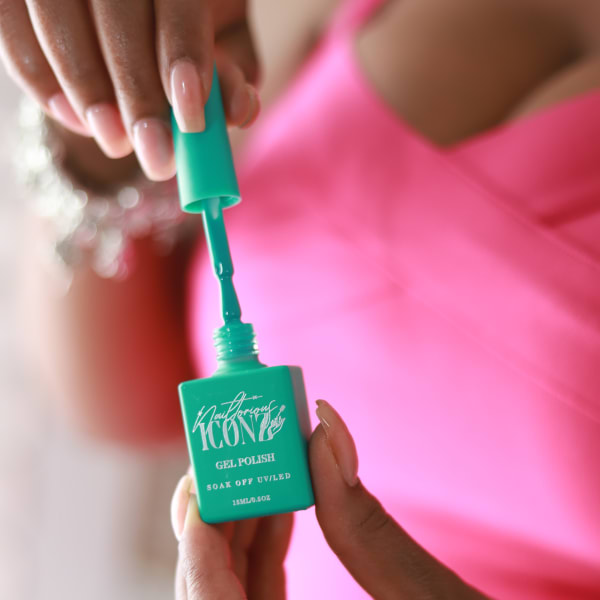
Founded by Cleveland serial entrepreneur Shaura Rodgers, Nailtorious has grown to include a nail supply megastore, training facilities, and retail line for nail techs.

This period after the holidays can bring on a huge lull for hairstylists. We asked Cosmo Prof's team of professionals to offer their best advice on how to deal with the January-February slow period.

Key highlights include a push toward inclusive spaces for all abilities, an emphasis on maximizing livable square footage, and a continued love for modern farmhouse exteriors.
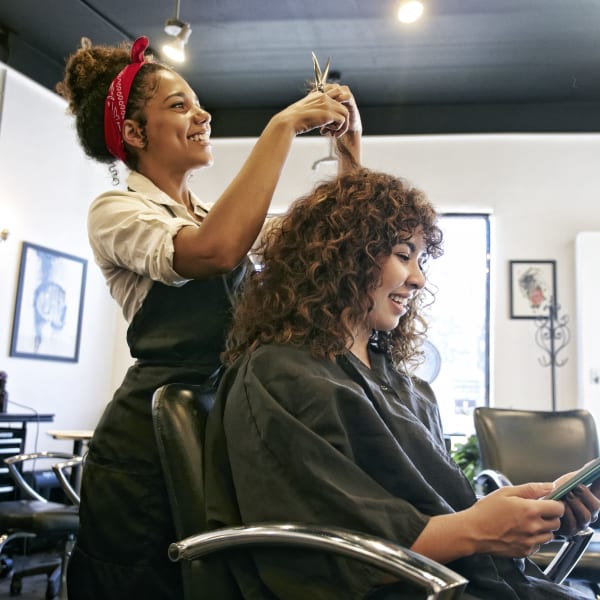
The busy holiday season is here, and with it comes jam-packed days, last-minute client requests and booming retail sales. For many salon owners, the highlight of the season is Small Business Saturday® (SBS). This year on Saturday, November 30, consumers can take their shopping into the small businesses in their communities.
Sponsored by Amex

Want to become savvy about your personal finances, but don't quite know where to start? Anna Manukyan identifies six important concepts for building a strong financial foundation.
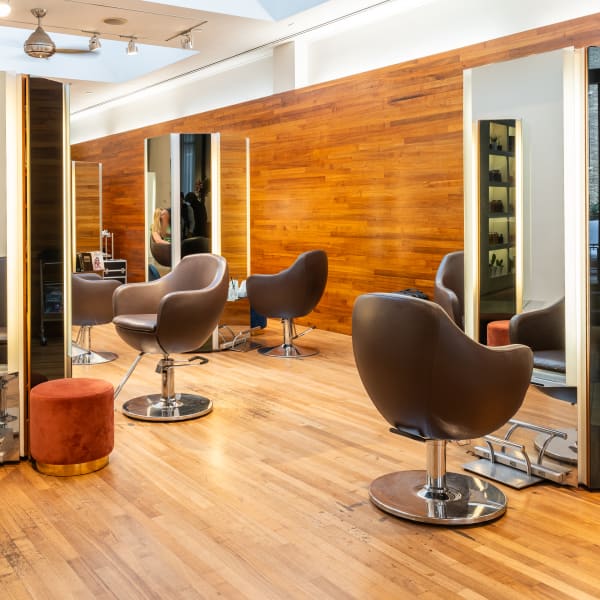
Salon owner Nuri Yurt had a dream of owning a salon on New York City’s Madison Avenue. "Through perseverance, hard work and stellar customer service, he and partner John Kaygisiz founded Toka Salon in 2007.
Sponsored by Amex

This guide is your one-stop shop for a plethora of technology tools, software and services created to keep your salon or spa thriving.

Anna Manukyan shares a breakdown of what different types of financial accounts should be used for.

Vagaro has consistently been at the forefront of salon software technology, helping businesses be more efficient, create more effective communication, and even improve company culture. Now, Connect by Vagaro, the platform’s two-way communication capability, and Vagaro’s new generative AI tools are giving owners new opportunities to grow and expand.
Sponsored by Vagaro
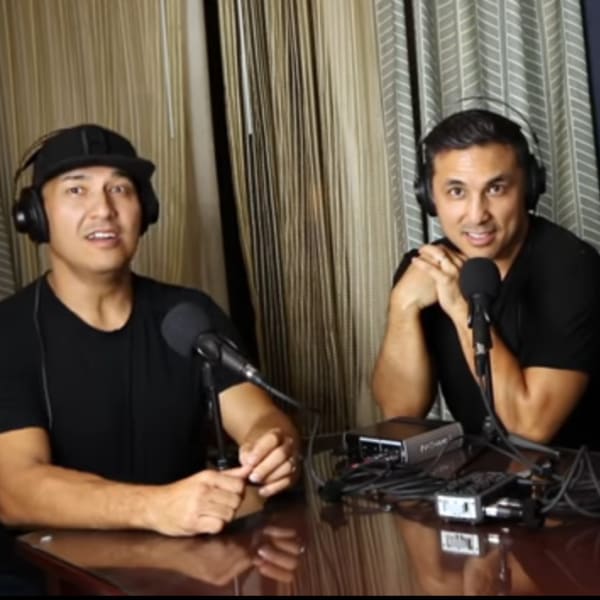
Young Nails' Greg, Habib, and Tracey discuss whether getting too close to clients can damage your business.