6 Ways Self-Love Will Help You Crush Your Goals
From breaking free of external validation to creating joy-based goals, discover a more sustainable and fulfilling path to success.
Clients gather information from a wide range of sources, and it’s likely at some point they’ll want to know the polish you use is “three-free.” Build trust by recognizing — and relieving — their concerns.
Today’s client is educated and engaged. Many are concerned about product ingredients, our responsibility to the earth, and the importance of healthy life choices. These clients will likely gather information about products you use in the salon and come armed with questions about product safety. One of the most common questions is about the ingredients in nail polish; specifically, the Big Three.
As always, questions are a great opportunity for you to educate a client and to build trust and loyalty. Answer honestly so she knows you understand her concerns. Let her know the ways you make choices that protect her health — and your own. Here’s how that conversation might look:
Client: I heard I should use polish that is “big three-free.” What does that mean?
You: “Three-free” refers to three ingredients: formaldehyde, DBP, and toluene. Most major manufacturers (OPI, Essie, CND, Zoya, and more) have removed these ingredients from polish because of their reputation of being dangerous.
Client: Are they dangerous?
You: Here’s the thing: There were enough studies that showed high exposure to large doses could cause either health problems or, possibly, damage to the environment. The doses were always much larger than anything you’d ever find in nail polish.
Actually, a lot of the bad press about formaldehyde was based around information that wasn’t even true! Formaldehyde was never in nail polish. Formaldehyde is a gas and can’t even be put into cosmetic products. However, the actual ingredient used in polish (called methylene glycol or formalin) is made from formaldehyde. The cosmetic industry was required to label that ingredient as formaldehyde, even though the chemical structure is entirely different. After all the bad press with formaldehyde, the Nail Manufacturers’ Council pressured the organization that regulates how the cosmetic industry names chemicals to rename the ingredient to make it accurate. The ingredient has been renamed “methylene glycol” — and it’s still in nail hardeners, not regular polish.
Client: Wow. That’s a lot of information. So, you don’t see those ingredients as a big problem?
You: Here’s where I land: I don’t think the small doses found in nail polish are a huge threat to our health. However, I’d prefer no danger at all ... so if any ingredient can be replaced with something better for us or the earth, that’s the better option, so those are the products I’ll choose to use on my clients.
Just the Facts:
1. Dibutyl phthalate (DBP): The EU banned DBP in 2001 after animal testing suggested the chemical may cause abnormal development in babies. Many manufacturers followed suit so they could sell to the European market. However, the levels of DBP in polish were never at a level where they were considered dangerous.
2. Formaldehyde: Big hype about an inaccurately labeled chemical. The chemical that was labeled “formaldehyde” has been correctly renamed to “methylene glycol.” Though made from formaldehyde, the chemical structure is entirely different. It is still present in nail hardeners.
3. Toluene: Removed because exposure in high doses over long periods of time suggested a link to cancer and reproductive problems. Beyond the possible health danger, it’s suspected as an air pollutant.
4. Camphor: Removed from some products because it is considered an irritant.
5. Formaldehyde resin: Formaldehyde resin is often mistaken for formaldehyde, so this product is being phased out of some products because of its public image.


From breaking free of external validation to creating joy-based goals, discover a more sustainable and fulfilling path to success.

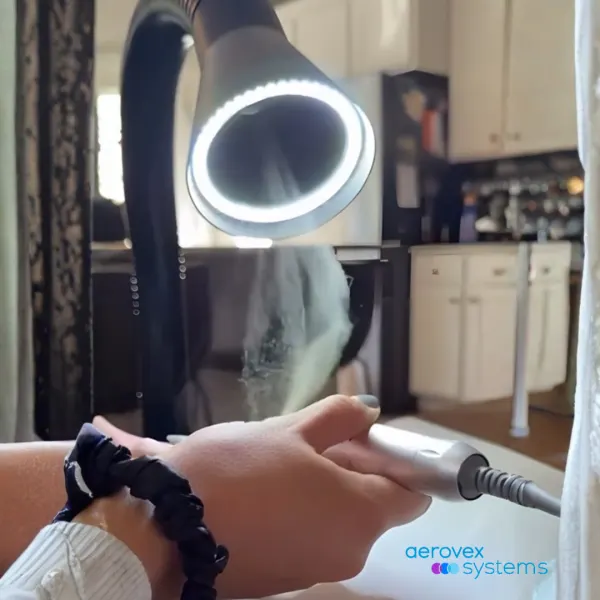
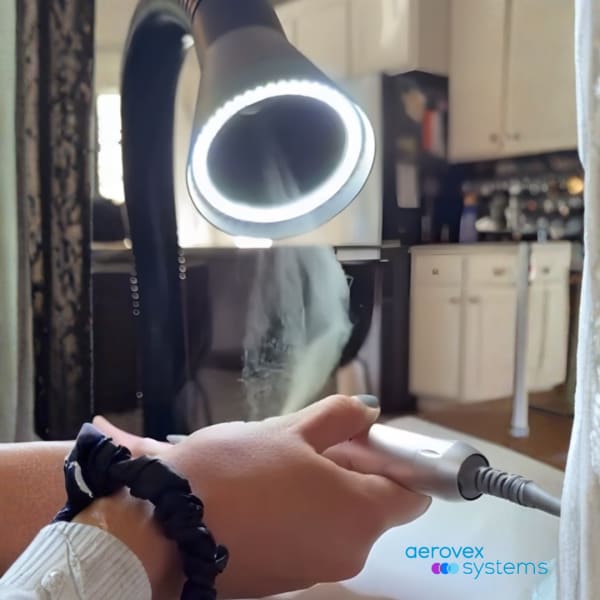
From acrylic monomers to airborne bio-dust, the air inside a nail salon carries risks most professionals never see coming. Aerovex Systems reveals the source-capture and room-purification strategies that are setting a new standard for salon safety.
Sponsored by Aerovex Systems

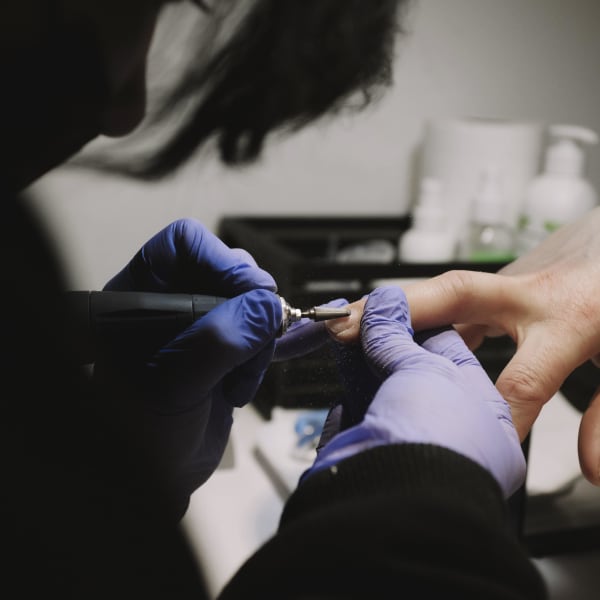
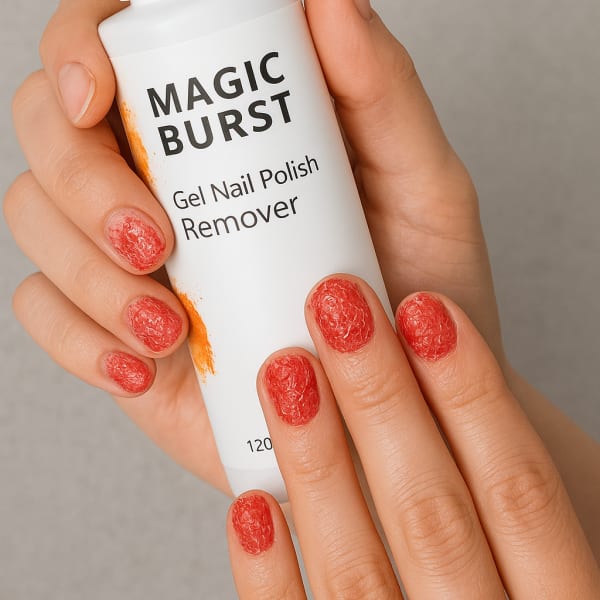
Products marketed as 'magic' or 'burst' gel removers may contain methylene chloride, a federally banned, highly toxic chemical.

Working in beauty doesn’t have to hurt. Learn how Somatic Movement helps hairstylists, lash artists, and other beauty pros release tension, improve posture, and extend their careers.

As a spa or salon professional, your clients expect more than just beauty—they expect safety, hygiene, and peace of mind. Fungal infections like Athlete’s Foot and Nail Fungus are more common than you think, especially in environments where tools and footbaths are reused without proper sanitation. This blog covers how to stop these issues before they start, using proven infection prevention strategies for salons and spas.

A federal initiative aimed at studying chemical exposure in nail salons has ended due to staffing and budget changes. Here’s what the project set out to do—and what its conclusion means for salon professionals.

For many people, a pedicure is a relaxing beauty ritual. But what most don’t realize is that this simple service, if done without proper hygiene and sanitation, can cause serious infections and long-term health issues.

Onycholysis is the separation of the nail plate from the nail bed. While it may look painful, it typically isn’t—at least not at first. But without proper care, this common nail disorder can lead to infections, deformities, and long-term damage.

Mckenzie Kool, Psychologist, MC, RPsych provides us with guidance on what may or not be helpful in speaking with someone who has suffered a significant loss.

Clients come to you to feel their best—not leave with a viral souvenir. Warts and cold sores can spread fast in busy salons, but a few smart habits make all the difference. Let’s talk about what’s really lurking in your salon (and how to kick it to the curb).

As Earth Day approaches, The Green Beauty Community Foundation and the Green Spa Network invite beauty pros to step forward and embrace sustainability through the Green Pledge--a powerful initiative designed by and for beauty industry leaders.

Don’t cancel Valentine’s Day altogether, urges Jill Palmquist. Instead, think of it as a (frilly, flowery, Champagne-bubbly) wake-up call to fall deeply in love with your own life.

Life coach and Culture Ambassador of Sam Villa, Andrew Carruthers, outlines how to tell if your burnout is temporary - or if it's time to make a bigger career change.

Cancer treatment can create very specific challenges for your guest when it comes to hair, skin, and also nails. Here are some tips for working with your salon client who is going through cancer treatment to help you provide a relaxing, enjoyable, and also safe experience.

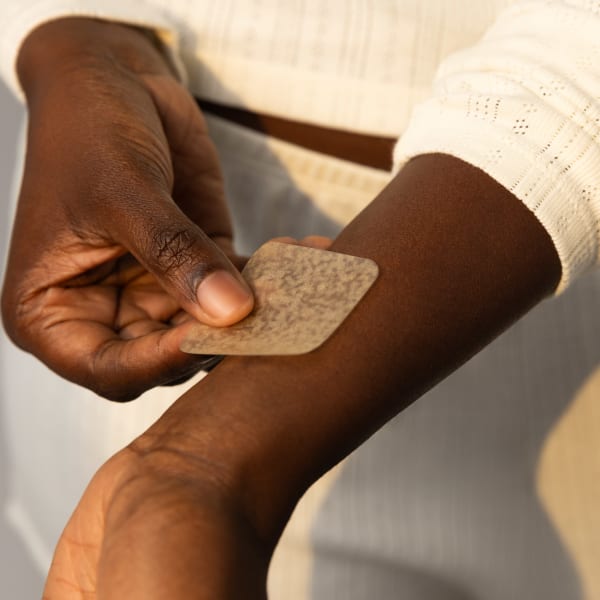
For those clients concerned about exposure from UV lamps, the Sun Patch might be a solution. Sun Patches are waterproof, reusable (up to 10 wears) block 98% of UVA/UVB rays, and maintain their UPF 50+ rating all day long.

One of the most common conditions that affects the nail is onycholysis, which is the separation of the nail plate from the nail bed. Onycholysis occurs as a result of or along with a great variety of nail traumas and disorders. Probably the most common cause of onycholysis is a fungal infection of the nail.

Hairdressing is a physically taxing career integrating simple stretches into your daily routine can reduce the strain repetitive motion puts on your body, help you stay flexible and strong and eventually prolong your career.