





The Beauty Pro Book Club: 4 Reads to Inspire Growth and Success
Four publications for beauty industry professionals to enhance their leadership skills, financial awareness, professional growth, and joy!
by Anne Moratto


 MENU
MENU SEARCH
Some people insist that booth rental is destroying our industry; others maintain booth rental is keeping our industry economically viable. No one sits on the fence on this issue. But no matter which side of the fence you choose, what used to be a trend has turned into a reality.
Editor’s Note. While booth rental is growing in popularity with nail technicians and salon owners alike, the issue of booth rental is also becoming more controversial for the industry. To help our readers better understand booth rental issues, this month NAILS introduces a quarterly column on booth rental by salon consultant Ken Cassidy.
Booth renting is the most talked-about, controversial subject in the beauty industry today. The topic is being addressed by the CEO of every major manufacturing and distributing company retail sales representative, salon owner, nail technician, and hairstylist.
Some people insist that booth rental is destroying our industry; others maintain booth rental is keeping our industry economically viable. No one sits on the fence on this issue. But no matter which side of the fence you choose, what used to be a trend has turned into a reality. With the percentage of booth rental salons increasing daily (as high as 90% in some states), no one can deny it is a viable way of doing business. And from a survival perspective, booth renting has become a necessary way of doing business.
THE HISTORY
Booth renting is not a new concept. It has been around for decades, but it achieved its real strength during the Reagan administration, a time when businesses were becoming more entrepreneurial. It was during this time the term independent contractor became more readily used within the business community.
What happened in the salon industry during the eighties was that many middle-income professionals, like successful salon professionals, found themselves over-taxed and over-regulated by every city, county, state, and federal government agency (I define a middle-income salon as having 7 to 17 employees). Many owners felt they could no longer pay the 60%+ commissions stylists demanded (and got) during the seventies and early eighties. To offset high commissions, salon owners tried charging employees a product and service fee so they could recoup some their expenses. Many salon employees felt they were being asked to bear the rising cost of living. For their part, salon owners were inundated with the paperwork required to track inventory. We began to see more stylists and technicians doing business out of their homes, and eventually the booth rental concept became an option to help bring back some of these “kitchen manicurists.”
THE GOVERNMENT
While federal interpretation classifies independent contractors as contract laborers, most state cosmetology boards classify any person operating as an independent owner within a salon as a booth renter. The difference between federal and state standards is clear:
The IRS states definitively that a contract labour person does not work at any one place on a regular basis or with regularly scheduled hours.
Most states define a booth renter as one who works in somewhat the same location, on somewhat the same schedule, with somewhat the same hours, even though a booth renter may work at more than one salon or location.
Booth rental really came into its own as an option when the current recession hit and salon owners couldn’t even afford to pay the nail technician the percentage she needed to make a decent living and still make some return on her own investment. So the salon owner gave up some of the responsibility and control of her business to her operators. From a legal standpoint, the salon owner and booth renter are equally responsible for the business. Control/responsibility are the key issues in determining a workers status. What makes the classification critical is that it affects your tax status.
In California, a bill to regulate booth rental in salons is currently before the state legislature. If this bill passes, everyone involved will be governed by the same set of rules. As responsible salon owners, we should welcome this long- needed support in our industry. Other states are drafting similar legislation, and other industries are following suit. Very few state cosmetology boards have any guidelines regarding booth rental.
TODAY
Of the thousands of salon owners, nail technicians, and stylists who have attended my seminars on booth renting, I can honestly say the vast majority are professionals who want to run their business with professional integrity and without interference from state and federal governments. Unfortunately, there are still too many owners and contractors trying to avoid paying taxes, whether they are considered employees or booth renters.
Since we all want our industry to survive, we need to work together to support ourselves, our peers, our employees, and our booth renters. Remember: booth renters are just as responsible as salon owners in the eyes of the government. It is in your best interest to be as professional as possible.
Here are a few simple guidelines to follow, whether you’re just getting started or are already involved in booth renting.
1. Put it in writing. It is imperative that a contract be written that describes the working relationship between the salon owner/landlord and technician/booth renter. Be sure to include:
lime period of contract
Rental amount
Number/location of space/table you are renting
Identification of anyone else using the space/table
List of equipment included with space/table
Whether a key is provided to the booth renter
Amount and kind of insurance required
Reception services fee
Security deposit
Agreement regarding retail products
Maintenance agreement
Have your attorney review the document before you sign it.
2. Set up an adequate records system. Set up a separate checking account and a system to keep track of supplies, estimate your quarterly taxes, etc. Get professional assistance if you need it.
3. Obtain a business license. Most cities require independent contractors to have a license to operate.
4. Obtain appropriate insurance. Protect yourself and your clients.
5. Professionally design your business card. Be sure to include the name, address, and phone number of the salon, but your name should be the largest item on the card. This maintains your independence and clearly indicates you are not an employee of the salon. The IRS likes this!
6. Maintain a log book. Record each transaction each day, including appointments, phone numbers, and services provided and amount charged. Be sure to include tips. The IRS expects 8%-15% of your income to be tips.
THE FUTURE
Booth renting is here to stay. Our best opportunities are to continue to conduct ourselves professionally and to work with our state cosmetology boards and legislators to assist us in maintaining the highest standards for ourselves and everyone in the industry. Upcoming articles will explore in depth specific booth renting issues.
Four publications for beauty industry professionals to enhance their leadership skills, financial awareness, professional growth, and joy!
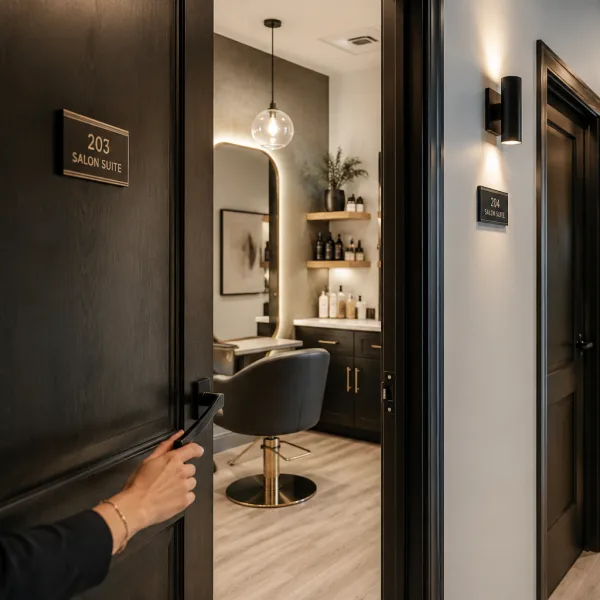
The most successful salon suites balance personality, function, and comfort. Megan Communale of My Salon Suite shares her best advice for designing a space that supports your business goals and leaves a lasting impression on every guest.
Square data shows that regular customers tip 11% higher and are shared across 32% of businesses in the same ZIP code, driving thousands of dollars in additional revenue per connection.
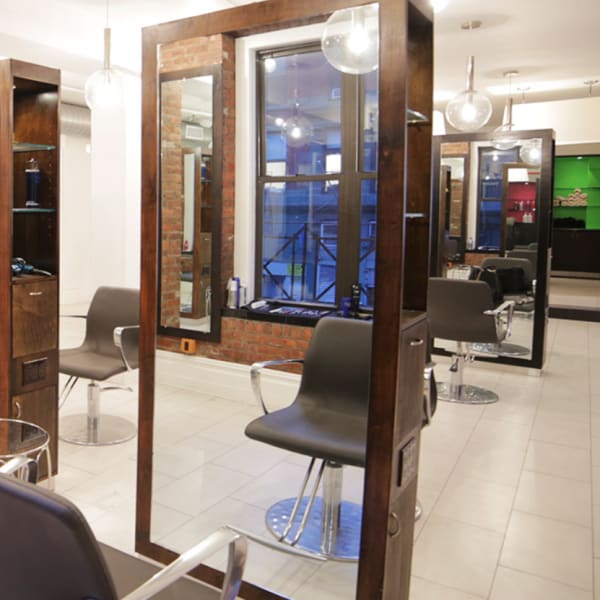
When Bowie Lau and Jeffrey Ching opened JBW Jeffrey Ching Salon in 2011, they weren’t just launching another luxury hair destination—they were building a business rooted in passion, artistry, and thoughtful growth.
Sponsored by Amex

Inside the Systems That Power an Elevated Salon Experience From seamless online booking to a team-first culture, J Gold Salon in Atlanta offers more than great hair—it delivers consistent, high-touch service with the help of partners like Boulevard and American Express.
Sponsored by Amex

Want to grow your career as a beauty professional? K18 Sales Manager Sabrina Sanborn shares advice on networking, mentorship, and self-advocacy—from attending hair shows to finding the right guidance to reach your goals.

A combination of clear policies, effective communication, and strong client relationships has helped me create a more reliable and efficient booking system.
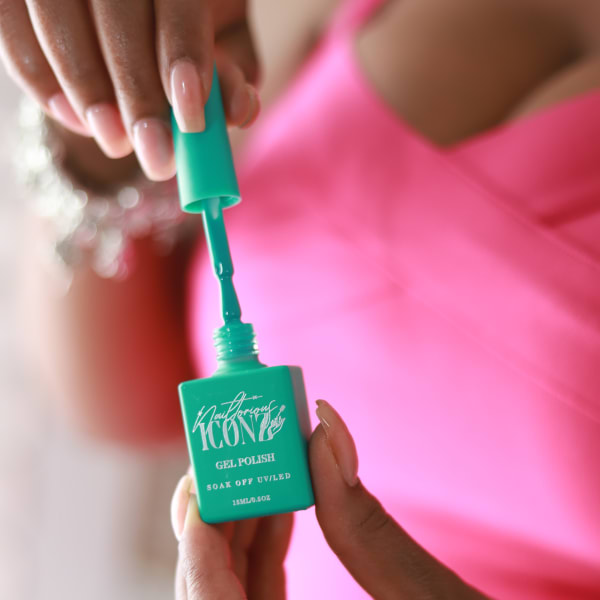
Founded by Cleveland serial entrepreneur Shaura Rodgers, Nailtorious has grown to include a nail supply megastore, training facilities, and retail line for nail techs.

This period after the holidays can bring on a huge lull for hairstylists. We asked Cosmo Prof's team of professionals to offer their best advice on how to deal with the January-February slow period.

Key highlights include a push toward inclusive spaces for all abilities, an emphasis on maximizing livable square footage, and a continued love for modern farmhouse exteriors.

The busy holiday season is here, and with it comes jam-packed days, last-minute client requests and booming retail sales. For many salon owners, the highlight of the season is Small Business Saturday® (SBS). This year on Saturday, November 30, consumers can take their shopping into the small businesses in their communities.
Sponsored by Amex

Want to become savvy about your personal finances, but don't quite know where to start? Anna Manukyan identifies six important concepts for building a strong financial foundation.
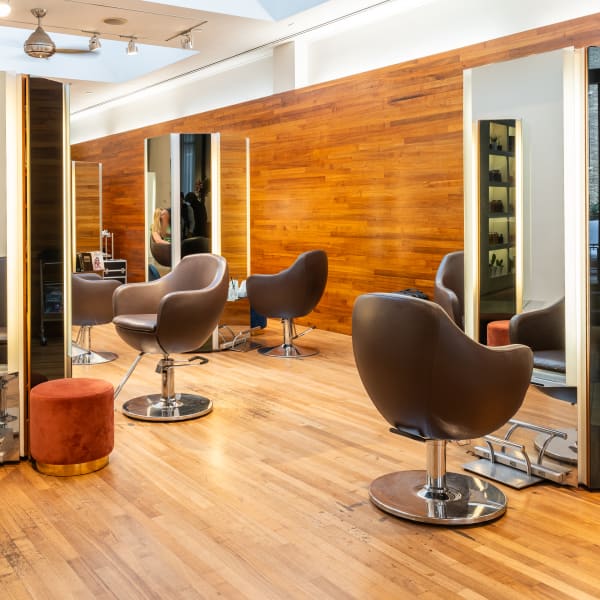
Salon owner Nuri Yurt had a dream of owning a salon on New York City’s Madison Avenue. "Through perseverance, hard work and stellar customer service, he and partner John Kaygisiz founded Toka Salon in 2007.
Sponsored by Amex

This guide is your one-stop shop for a plethora of technology tools, software and services created to keep your salon or spa thriving.

Anna Manukyan shares a breakdown of what different types of financial accounts should be used for.

Vagaro has consistently been at the forefront of salon software technology, helping businesses be more efficient, create more effective communication, and even improve company culture. Now, Connect by Vagaro, the platform’s two-way communication capability, and Vagaro’s new generative AI tools are giving owners new opportunities to grow and expand.
Sponsored by Vagaro

Young Nails' Greg, Habib, and Tracey discuss whether getting too close to clients can damage your business.