





The Beauty Pro Book Club: 4 Reads to Inspire Growth and Success
Four publications for beauty industry professionals to enhance their leadership skills, financial awareness, professional growth, and joy!
by Anne Moratto


 MENU
MENU SEARCH
The Small Business Administration (SBA) offers a number loan of programs designed to support businesses impacted by disasters. The two main loan programs currently offered in response to the COVID-19 pandemic are: Paycheck Protection Program (PPP) and Economic Injury Disaster Loan (EIDL).
The Small Business Administration (SBA) offers a number loan of programs designed to support businesses impacted by disasters. The two main loan programs currently offered in response to the COVID-19 pandemic are:
Paycheck Protection Program (PPP)
Economic Injury Disaster Loan (EIDL)
Here's an overview of the two:
The purpose of the PPP is to provide an incentive for businesses to keep workers on the company’s payroll. The loan amounts are forgiven if all employees are kept on the payroll for a minimum of eight weeks. The funds can be used for payroll (at least 75%), rent, mortgage interest and utilities. Any amounts not qualifying for forgiveness are repaid over two years at an interest rate of 1%. Loan payments are deferred for six months.
Borrowers can apply through most banks and credit unions that offer SBA loans. Borrowers can also apply through certain non-bank lenders such as PayPal, Kabbage, etc. Once the loan is approved the loan request is submitted to the SBA for its concurrence. The entire process is SUPPOSED to only take a matter of days.
Eligible borrowers are practically any business form with 500 or less employees including sole proprietors, independent contractors, self-employed, partnerships, C-corporations, S-corporations and Limited Liability Companies.
The eligible loan amount is subject to a semi-complex formula; but is basically equal to 2.5 times the monthly average payroll costs. The definition of payroll costs is fairly comprehensive and includes such items as tips, health insurance premiums, and employment taxes. The absolute maximum loan amount is $10 million.
The application is extremely streamlined and is basically two pages used to identify the borrower, certification that the borrower meets the eligibility requirements and calculation of the loan amount. The PPP program is designed to get as much money as possible into the pockets of as many people as possible as quickly as possible.
Unfortunately with literally hundreds of thousands of businesses applying for PPP funds in a short time period the systems of both the lenders and the SBA are overwhelmed. Plus, during the time the initial funds ran out and until the program was refunded much of the processing was put on pause. The SBA guidelines are that funds are supposed to be funded within 10 days of approval. However, due to bottlenecks at both the lenders and the SBA, due to the sheer volume of applications, the timeline has become extremely extended.
The EIDL is the other major loan program developed in response to the COVID-19 pandemic. While its general purpose is also to support small businesses during these challenging economic times, it has some distinct nuances relative to the PPP. This is the program I am more familiar with since I have been working with the SBA to process EIDL loans since early May.
One of the most significant differences is that application is made directly to the SBA and the loan funds come directly from the U.S. Treasury. So there is not the two-step application process involving both a lender and the SBA as with the PPP. Businesses can apply directly to SBA’s Disaster Assistance Program at DisasterLoan.sba.gov.
There are two primary components to an EIDL:
An emergency advance of $1,000 per employee up to a maximum of 10 employees. This amount is disbursed following application; and approval is essentially independent of the rest of the loan. Similar to the PPP this amount does not have to be repaid.
A term loan for the remainder of the eligibility amount that can be used for most business expenses and liabilities; e.g. fixed debts (rent, etc.), payroll, accounts payable and certain unpaid bills.
Repayment terms are that the loan is payable over 30 years; however payments are deferred for the first 12 months. The interest rate is 3.75% (non-profits 2.75%).
Similar to the PPP, eligible borrowers are practically any business form with 500 or less employees. Businesses must have been in existence prior to January 31, 2020.
The EIDL has two maximum loan amount limitations: each individual business has a maximum loan limit of $150,000; and businesses related by common ownership have a combined maximum loan limit of $2 million.
There are different calculations used to determine the maximum loan eligibility for a specific business; however the most prevalent method (and the one applicable to nail salons) is intended to cover six months of the business’ gross profit. This amount is calculated by taking the gross revenue for the 12 months ending January 31, 2020. From that amount is subtracted the cost of goods sold (COGS) for the same period and the difference is then divided by two. From this result is subtracted any EIDL emergency advance.
Similar to the PPP the application process is very streamlined. Although the application does ask for revenue information, approval does not involve a cash flow analysis to determine repayment ability. Also similar to the PPP, the EIDL program is designed to approve and fund loans as fast as possible. Based on the few data points analyzed the majority of loan applications are decisioned relatively quickly. If the loan can be approved it is swiftly sent on its way to the next stage. If not, it is often declined just as quickly so the processor can move on to the next loan in the queue. There may be some time allowed for follow-up issues but the window is very truncated.
To date there have been millions of EIDL applications submitted to the SBA and the SBA has responded by enlisting legions of additional processors to help with the tsunami of applications.
To those considering applying for an SBA disaster loan I would advise the following: be honest, be thorough, and be patient.
Gregory Fletcher comes from the financial services industry and is also a current nail student as well as NAILS' student blogger. You can read more about his him here.Follow him on Instagram @aladunsane.
Four publications for beauty industry professionals to enhance their leadership skills, financial awareness, professional growth, and joy!
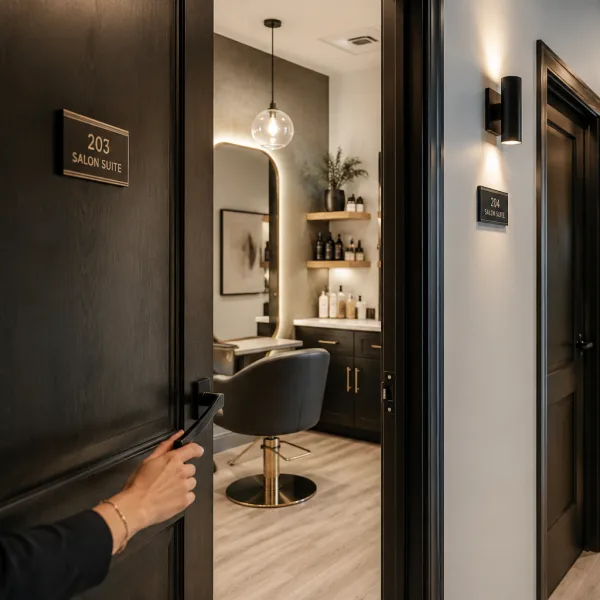
The most successful salon suites balance personality, function, and comfort. Megan Communale of My Salon Suite shares her best advice for designing a space that supports your business goals and leaves a lasting impression on every guest.

Square data shows that regular customers tip 11% higher and are shared across 32% of businesses in the same ZIP code, driving thousands of dollars in additional revenue per connection.

When Bowie Lau and Jeffrey Ching opened JBW Jeffrey Ching Salon in 2011, they weren’t just launching another luxury hair destination—they were building a business rooted in passion, artistry, and thoughtful growth.
Sponsored by Amex

Inside the Systems That Power an Elevated Salon Experience From seamless online booking to a team-first culture, J Gold Salon in Atlanta offers more than great hair—it delivers consistent, high-touch service with the help of partners like Boulevard and American Express.
Sponsored by Amex

Want to grow your career as a beauty professional? K18 Sales Manager Sabrina Sanborn shares advice on networking, mentorship, and self-advocacy—from attending hair shows to finding the right guidance to reach your goals.
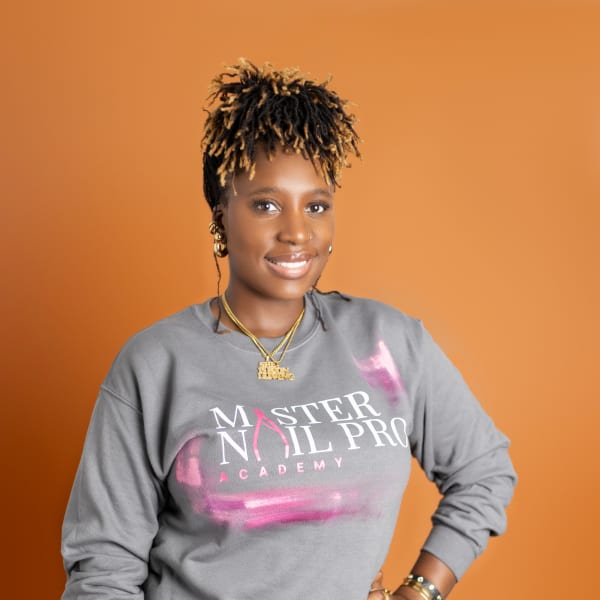
A combination of clear policies, effective communication, and strong client relationships has helped me create a more reliable and efficient booking system.
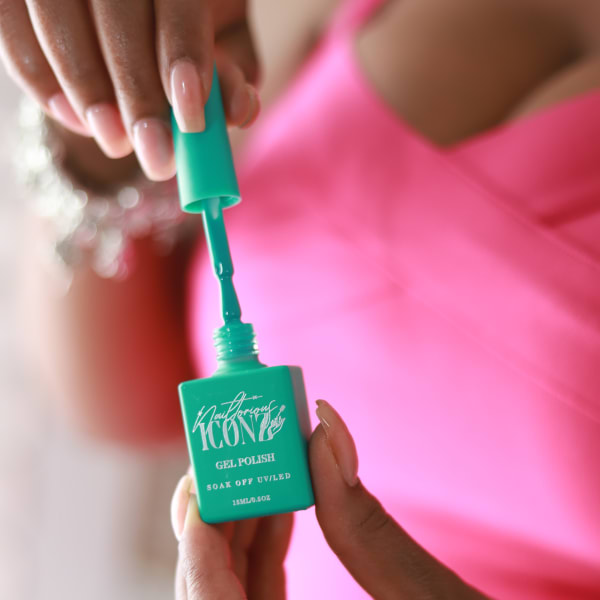
Founded by Cleveland serial entrepreneur Shaura Rodgers, Nailtorious has grown to include a nail supply megastore, training facilities, and retail line for nail techs.

This period after the holidays can bring on a huge lull for hairstylists. We asked Cosmo Prof's team of professionals to offer their best advice on how to deal with the January-February slow period.

Key highlights include a push toward inclusive spaces for all abilities, an emphasis on maximizing livable square footage, and a continued love for modern farmhouse exteriors.

The busy holiday season is here, and with it comes jam-packed days, last-minute client requests and booming retail sales. For many salon owners, the highlight of the season is Small Business Saturday® (SBS). This year on Saturday, November 30, consumers can take their shopping into the small businesses in their communities.
Sponsored by Amex

Want to become savvy about your personal finances, but don't quite know where to start? Anna Manukyan identifies six important concepts for building a strong financial foundation.
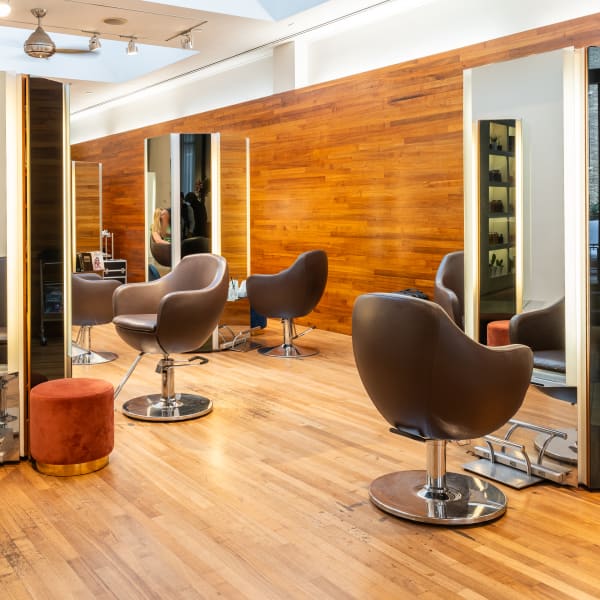
Salon owner Nuri Yurt had a dream of owning a salon on New York City’s Madison Avenue. "Through perseverance, hard work and stellar customer service, he and partner John Kaygisiz founded Toka Salon in 2007.
Sponsored by Amex

This guide is your one-stop shop for a plethora of technology tools, software and services created to keep your salon or spa thriving.
Anna Manukyan shares a breakdown of what different types of financial accounts should be used for.

Vagaro has consistently been at the forefront of salon software technology, helping businesses be more efficient, create more effective communication, and even improve company culture. Now, Connect by Vagaro, the platform’s two-way communication capability, and Vagaro’s new generative AI tools are giving owners new opportunities to grow and expand.
Sponsored by Vagaro
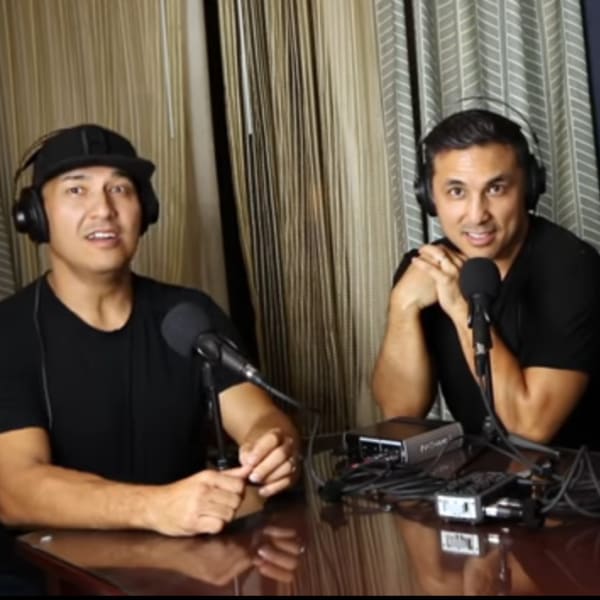
Young Nails' Greg, Habib, and Tracey discuss whether getting too close to clients can damage your business.