






The Beauty Pro Book Club: 4 Reads to Inspire Growth and Success
Four publications for beauty industry professionals to enhance their leadership skills, financial awareness, professional growth, and joy!
by Anne Moratto

 MENU
MENU SEARCH
The NYT story on exploited nail techs got the industry talking about how to enforce fair wages. Is new legislation the answer or should we just be better at following laws already on the books?

Cyndy Drummey

Cyndy Drummey
The recent New York Times story about exploitative practices in some New York area nail salons was deeply disturbing and a viral sensation like none we’ve witnessed in years. The idea that Americans could be unknowingly contributing to the exploitation of workers when they get their nails done shook many of us deeply. The conditions outlined and the treatment of people described in the article are an affront not only to every rule-following, employee-respecting salon owner, but to anyone with a heart.
While the article focused on one area in New York City, it shines a light on a problem that occurs in many industries: Consumers expect cheap goods and services and don’t always think about the real cost of those cheap goods, which is low wages for workers, many of whom often receive no benefits and toil in substandard working conditions. And greedy business owners pull the maximum profit out of their businesses, even if it means treating their workers unconscionably.
Most licensed professional nail technicians and salon owners would love nothing more than to see the ouster of these exploitative owners. They hurt fellow nail technicians, they bring shame to a vibrant industry that puts $8.5 billion into the U.S. economy and employs several hundred thousand workers, and they cause the public to question our entire industry.
But like many other stories that reveal illegal corners of an industry, this one is sensational and doesn’t represent the majority of our industry. I’m naturally inclined to mostly defend the professional nail industry as one that has contributed so much to so many, including many immigrants who found a career doing nails when they first came to the U.S. and received a legal manicuring license. I fear that many of those professionals, many of whom work in Asian-owned salons with low prices, will be lumped in with the law-breakers.
As a trade magazine dedicated to the professional nail industry, we applaud Governor Cuomo’s quick action, but we take some issue with the specifics of it. We believe there are ways to rectify the issue simply by enforcing laws already on the books. For one, licensing is required in New York and a conscious consumer who patronizes a salon with unlicensed nail techs surely senses that something is amiss, especially considering the conditions the NYT writer described: nail techs being forbidden to speak, salon signs that begged for tips, and workers hunching over a quick lunch just away from the service area.
Here are some simple things to do when questioned by clients, and how you can be an advocate for your industry in the midst of this very sad story:
Stay aware of what’s going on at your state level. Most states periodically review licensing and educational requirements for beauty professionals. Make sure your voice is heard when the debate begins. Shockingly few salons owners either attend state board meetings or even write a letter on behalf of their profession when it’s under fire.
Talk to your clients about what a good salon is and don’t focus on the bad ones. Don’t bash other salons or make generalizations about ethnic groups. The New York story may be isolated, but there may be more widespread abuse. NAILS will continue to report on new information and investigate some of the challenges brought to light in recent months.
Do the right thing. Pay your workers appropriately (whether it’s minimum wage plus commission if they’re employees or follow all the independent contractor rules if they are booth renters). Treat people right by giving them fair breaks during the day, providing the tools they need to work safely (including the best ventilation system you can afford), and providing good training.
Don’t make a client ask you for a license: Display it prominently and proudly.
Keep your salon scrupulously clean. Nothing will make your salon stand out more (not just from bad salons but even from average salons) than a clean salon.
Charge what makes sense for your business, and know your profitability. In this day and age, with service prices staying stubbornly low, you need to know how much it actually costs you to do a set of nails, including the products you use, your time, and your overhead. Some salons have opted to forego tips in favor of increasing their prices.
Wear protective gear with no shame. Smart nail techs wear masks when using an electric file and gloves when performing services. Explain that to clients as well that because you work around dust filings and acetone, for example, that you protect yourself with these barrier methods (and that she is in no danger).
We are all in this together: We're in the professional nail industry, we are working women (mostly), and we're caring people who believe that all workers should be treated fairly.
Four publications for beauty industry professionals to enhance their leadership skills, financial awareness, professional growth, and joy!
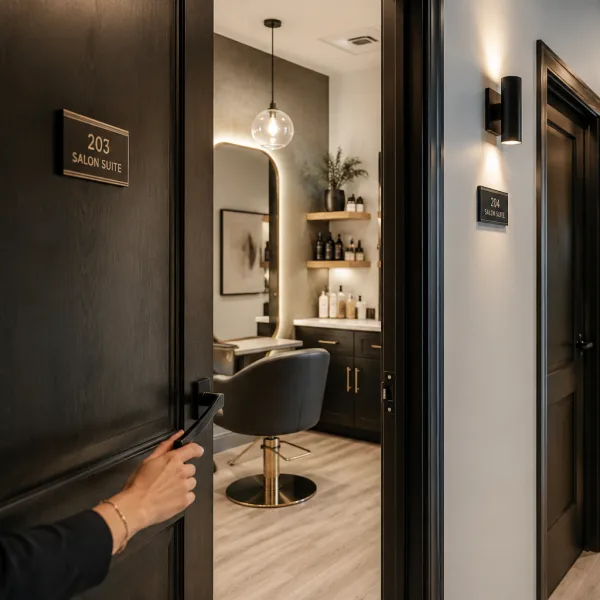
The most successful salon suites balance personality, function, and comfort. Megan Communale of My Salon Suite shares her best advice for designing a space that supports your business goals and leaves a lasting impression on every guest.

Square data shows that regular customers tip 11% higher and are shared across 32% of businesses in the same ZIP code, driving thousands of dollars in additional revenue per connection.
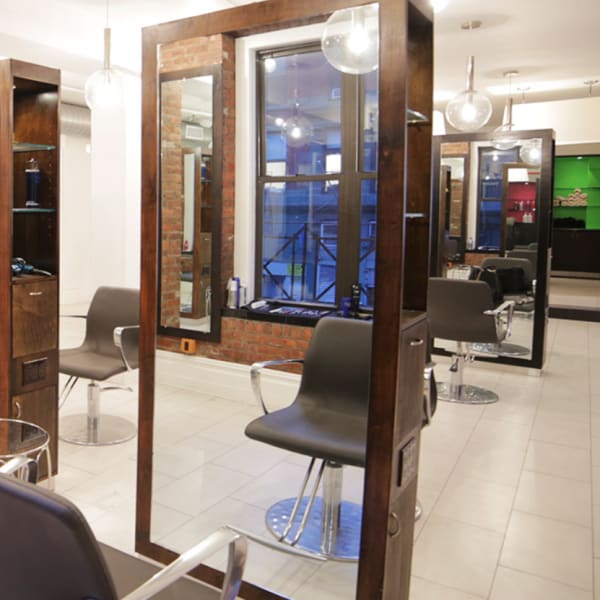
When Bowie Lau and Jeffrey Ching opened JBW Jeffrey Ching Salon in 2011, they weren’t just launching another luxury hair destination—they were building a business rooted in passion, artistry, and thoughtful growth.
Sponsored by Amex

Inside the Systems That Power an Elevated Salon Experience From seamless online booking to a team-first culture, J Gold Salon in Atlanta offers more than great hair—it delivers consistent, high-touch service with the help of partners like Boulevard and American Express.
Sponsored by Amex

Want to grow your career as a beauty professional? K18 Sales Manager Sabrina Sanborn shares advice on networking, mentorship, and self-advocacy—from attending hair shows to finding the right guidance to reach your goals.

A combination of clear policies, effective communication, and strong client relationships has helped me create a more reliable and efficient booking system.
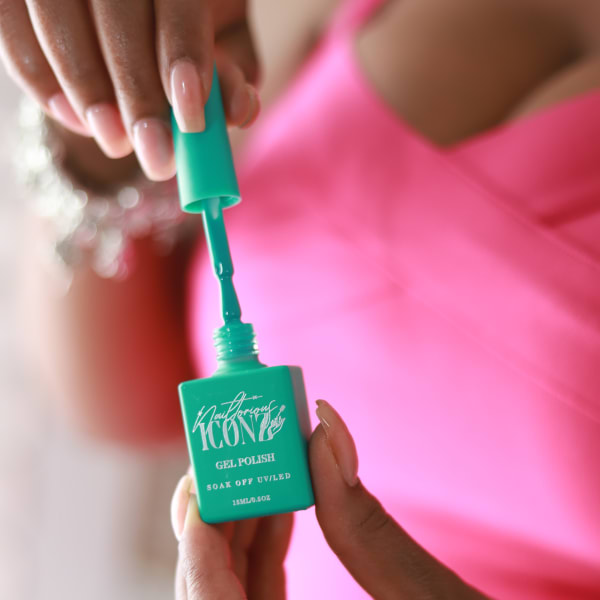
Founded by Cleveland serial entrepreneur Shaura Rodgers, Nailtorious has grown to include a nail supply megastore, training facilities, and retail line for nail techs.

This period after the holidays can bring on a huge lull for hairstylists. We asked Cosmo Prof's team of professionals to offer their best advice on how to deal with the January-February slow period.

Key highlights include a push toward inclusive spaces for all abilities, an emphasis on maximizing livable square footage, and a continued love for modern farmhouse exteriors.
The busy holiday season is here, and with it comes jam-packed days, last-minute client requests and booming retail sales. For many salon owners, the highlight of the season is Small Business Saturday® (SBS). This year on Saturday, November 30, consumers can take their shopping into the small businesses in their communities.
Sponsored by Amex

Want to become savvy about your personal finances, but don't quite know where to start? Anna Manukyan identifies six important concepts for building a strong financial foundation.
Salon owner Nuri Yurt had a dream of owning a salon on New York City’s Madison Avenue. "Through perseverance, hard work and stellar customer service, he and partner John Kaygisiz founded Toka Salon in 2007.
Sponsored by Amex

This guide is your one-stop shop for a plethora of technology tools, software and services created to keep your salon or spa thriving.

Anna Manukyan shares a breakdown of what different types of financial accounts should be used for.

Vagaro has consistently been at the forefront of salon software technology, helping businesses be more efficient, create more effective communication, and even improve company culture. Now, Connect by Vagaro, the platform’s two-way communication capability, and Vagaro’s new generative AI tools are giving owners new opportunities to grow and expand.
Sponsored by Vagaro

Young Nails' Greg, Habib, and Tracey discuss whether getting too close to clients can damage your business.