




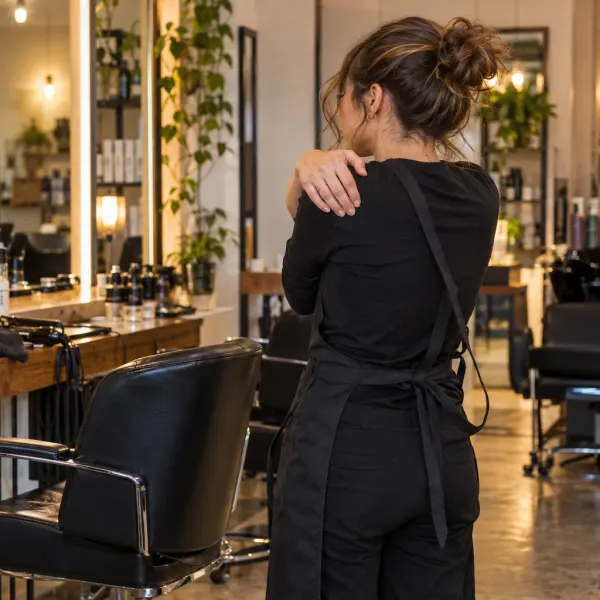
Why Salon Work Makes Your Body Ache & What You Can Do to Feel Better
We learn some simple moves and strategies to keep the blood pumping through the muscles and limit posture problems from The Balanced Beauty Pro
by Anne Moratto


 MENU
MENU SEARCH
Green discoloration of the nail plate is the most common change in nail color of the fingernails. Yellow-green, green, and green-black discolorations of the nail plate are caused by pseudomonas bacteria, which can grow in the cleft between the nail plate and nail bed at the base of the nail.

Green discoloration of the nail plate is the most common change in nail color of the fingernails. Yellow-green, green, and green-black discolorations of the nail plate are caused by pseudomonas bacteria, which can grow in the cleft between the nail plate and nail bed at the base of the nail. Pseudomonas bacteria ordinarily does not thrive on the skin and under nails because skin that is dry and cool inhibits the growth of microorganisms. Conditions have to be just right for bacteria to grow and produce the pigment pyocyanin, which causes the green discoloration.

Interestingly, pseudomonas infections of the nail usually develop first on the dominant thumb. Right-handed persons are most likely to develop the green discoloration on their right thumbnail, while lefties are more likely to develop it on their thumbnail. This is because thumbnails and fingernails are used as tools of counter-pressure. Whether picking up tiny objects or buttoning clothing, our nails enable us to grasp objects and make fine manipulations. Each time nails perform these functions, counter-pressure is applied between the thumbnail and one of the other four fingernails. Consequently, the thumbnail is subject to more frequent trauma throughout the day than any other digit. As a result, there is a tendency for the nail to separate from the nail bed on the thumbnail of the dominant hand, creating the ideal warm, damp environment for bacterial growth.
Fortunately, the bond between the nail plate and nail bed is strong, and nail separation rarely occurs. It is only when the nails are compromised that the nail plate and bed partially separate and infection develops at the site of separation.
How might nails be compromised? As a result of the “fulcrum” effect, long nails are more subject to trauma than short nails. Anyone who has ever tried to pry open a can understands the fulcrum effect. It is much easier to pry open a can with a long tool, such as a screwdriver, than with a small one, such as the edge of a coin. The longer instrument affords greater leverage and applies greater pressure with the same amount of effort as applied with a shorter object. The fulcrum principle applies to nails, as well. Longer nails experience greater counter-pressure than shorter nails. Routine activities are more likely to subject longer nails to injury and separation. As a result, the damaged tissue is more susceptible to bacterial invasion.
Nail enamels and artificial extension products can also compromise the nails. Under normal circumstances the nail plate is porous, meaning it will absorb water. When the hands are removed from water and dried, residual water evaporates from the nail bed through the nail plate. Evaporation allows nails to stay dry, which discourages the growth of pseudomonas bacteria and yeast (including the common candida albicans). People who have their hands constantly in water and wear artificial extensions are at highest risk for developing a nail infection.
Why doesn’t everyone who wears artificial nails or nail polish get a nail infection? Frankly, I’m not sure. How frequently the hands are immersed in water and how often the nails are traumatized are two important factors. Age seems to play a role as well, since this infection is more common in older persons. Poor circulation and underlying health conditions, such as diabetes, are also a factor.
You can help clients avoid pseudomonas bacteria infections by encouraging them to keep their nails at a moderate length and not to use them as tools. Also recommend that clients wear rubber gloves with cotton inserts to do wet work such as washing dishes.
We learn some simple moves and strategies to keep the blood pumping through the muscles and limit posture problems from The Balanced Beauty Pro
Uncured gel polish and microscopic e-file dust contain active acrylates that penetrate the skin, triggering permanent contact dermatitis. Learn the chemistry behind these irritants and how to protect your clients and yourself.
What actually counts as 'source capture' under nail salon ventilation code, and what doesn't (even if it feels like it should).
Sponsored by Aerovex Systems
The Good Patch is a leading wearable wellness patch brand, offering wellness and skincare patches that support everyday needs including energy, sleep, relaxation and more.

Orthopedic PT reveals three daily exercises plus ergonomic advice that can help salon professionals avoid the aches and injuries caused by standing, bending and repetitive overhead work.

From breaking free of external validation to creating joy-based goals, discover a more sustainable and fulfilling path to success.
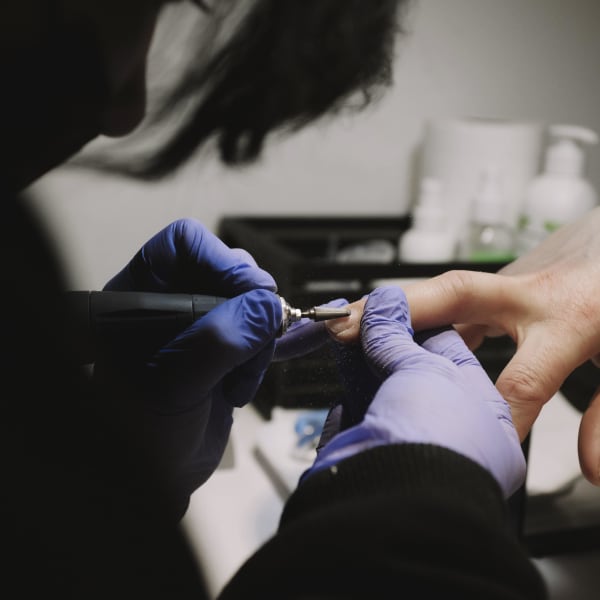
From acrylic monomers to airborne bio-dust, the air inside a nail salon carries risks most professionals never see coming. Aerovex Systems reveals the source-capture and room-purification strategies that are setting a new standard for salon safety.
Sponsored by Aerovex Systems
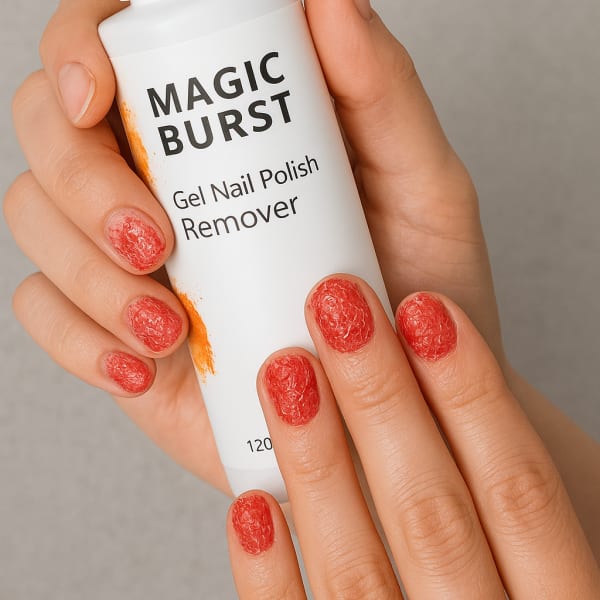
Products marketed as 'magic' or 'burst' gel removers may contain methylene chloride, a federally banned, highly toxic chemical.
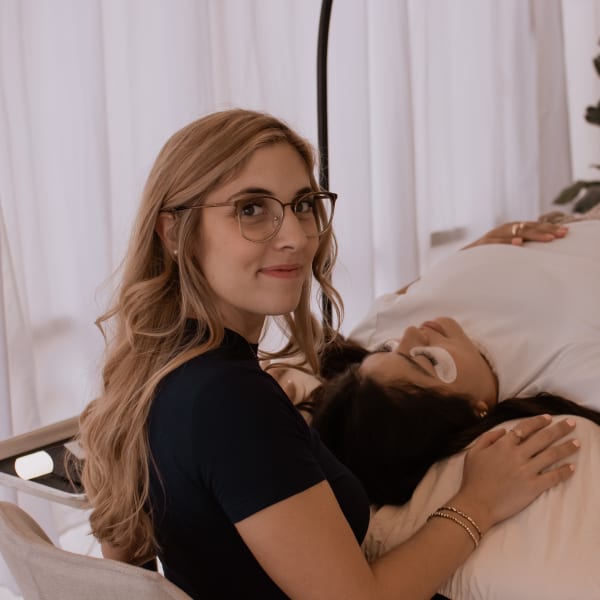
Working in beauty doesn’t have to hurt. Learn how Somatic Movement helps hairstylists, lash artists, and other beauty pros release tension, improve posture, and extend their careers.
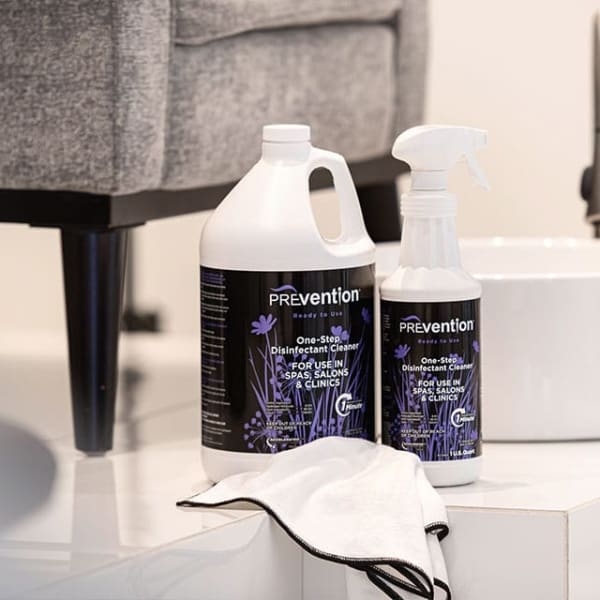
As a spa or salon professional, your clients expect more than just beauty—they expect safety, hygiene, and peace of mind. Fungal infections like Athlete’s Foot and Nail Fungus are more common than you think, especially in environments where tools and footbaths are reused without proper sanitation. This blog covers how to stop these issues before they start, using proven infection prevention strategies for salons and spas.
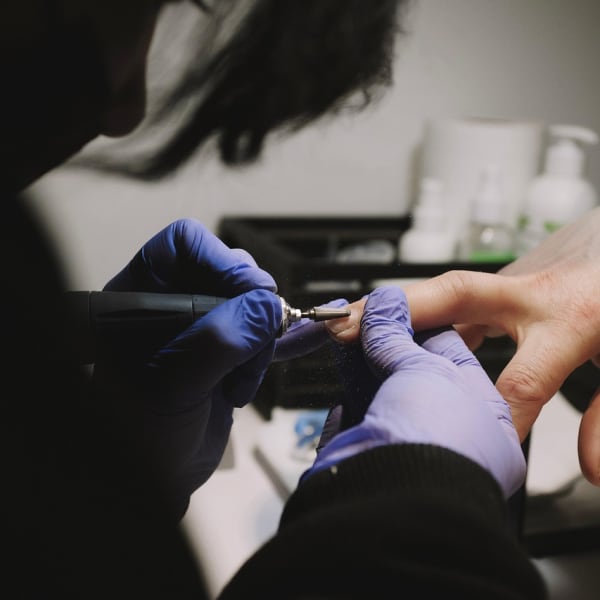
A federal initiative aimed at studying chemical exposure in nail salons has ended due to staffing and budget changes. Here’s what the project set out to do—and what its conclusion means for salon professionals.
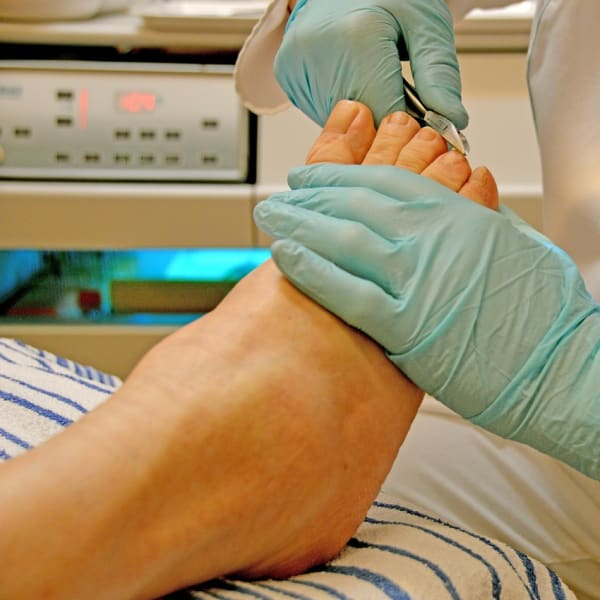
For many people, a pedicure is a relaxing beauty ritual. But what most don’t realize is that this simple service, if done without proper hygiene and sanitation, can cause serious infections and long-term health issues.
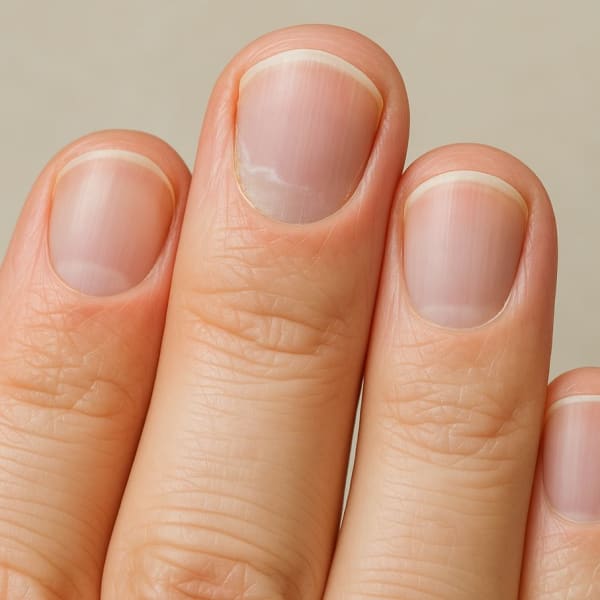
Onycholysis is the separation of the nail plate from the nail bed. While it may look painful, it typically isn’t—at least not at first. But without proper care, this common nail disorder can lead to infections, deformities, and long-term damage.

Mckenzie Kool, Psychologist, MC, RPsych provides us with guidance on what may or not be helpful in speaking with someone who has suffered a significant loss.
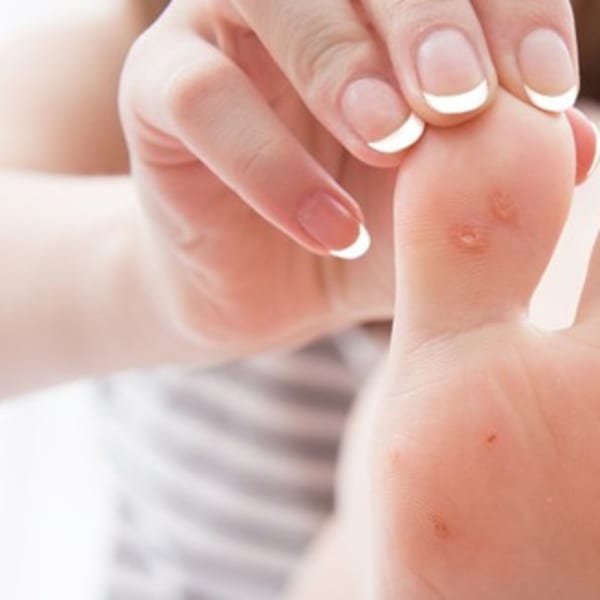
Clients come to you to feel their best—not leave with a viral souvenir. Warts and cold sores can spread fast in busy salons, but a few smart habits make all the difference. Let’s talk about what’s really lurking in your salon (and how to kick it to the curb).

As Earth Day approaches, The Green Beauty Community Foundation and the Green Spa Network invite beauty pros to step forward and embrace sustainability through the Green Pledge--a powerful initiative designed by and for beauty industry leaders.

Don’t cancel Valentine’s Day altogether, urges Jill Palmquist. Instead, think of it as a (frilly, flowery, Champagne-bubbly) wake-up call to fall deeply in love with your own life.