




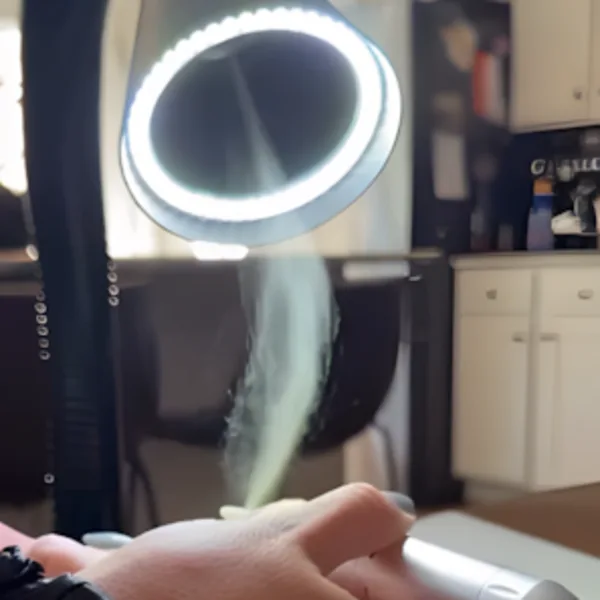
The Nail Salon Ventilation Code Every Owner Should Know
What actually counts as 'source capture' under nail salon ventilation code, and what doesn't (even if it feels like it should).
Sponsored by Aerovex Systems


 MENU
MENU SEARCH
Across the country, salons are finding that a water conservation program is an essential part of environmental awareness.
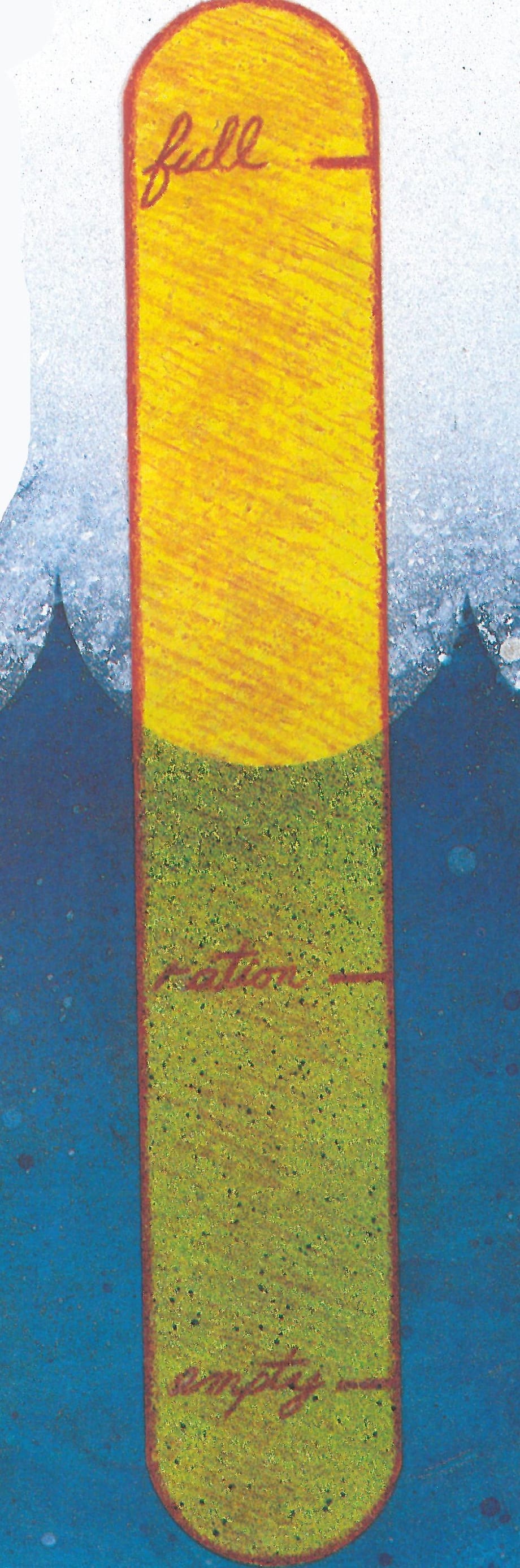
Illustration/Marc Galindo
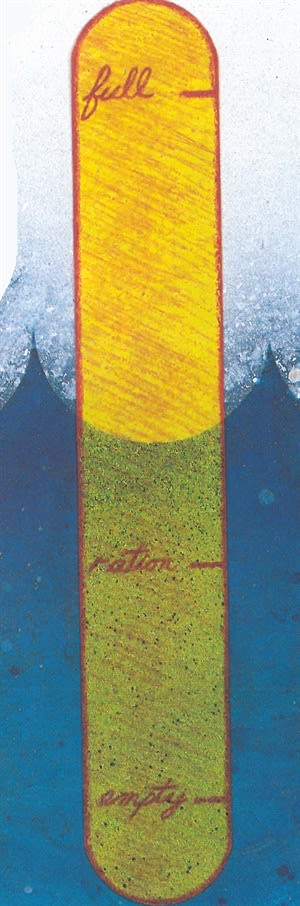
Illustration/Marc Galindo
The 1970s pop hit “It Never Rains in California” now seems prophetic. The Golden State takes on new meaning as California residents watch their landscape turn brown from the thirst. As much of the Southwestern United States faces another year of drought, business owners had to learn how to conserve what was formerly thought to be an unlimited resource. In some areas of the country, residents and business owners have even been required by law to reduce water consumption.
But whether you’re a Santa Barbara salon owner experiencing mandatory rationing or a Seattle technician who seems ample rainfall, a water conservation program is part and parcel of being and environmentally aware salon. Just as clients appreciates a salon that recycles, clients appreciate (and patronize) salons that are doing their part to conserve water.
For salon professionals conserving water can be simple cost-effective and implemented immediately.
SAVING WATER WILL SAVE YOU MONEY
Begin with your sinks. By installing a low-flow faucet aerator, you can reduce water flow by as much as 50%. An aerator mixes air and water to make the flow seem stronger. Low-flow aerators are inexpensive and can be purchased at your local hardware or plumbing store.
For the salon toilet, a displacement device will reduce the amount of water your tank can hold. An ordinary toilet uses seven gallons of water every time it’s flushed. With a displacement device, you can save one to two gallons with every flush.
You can create your own displacement device without even spending any money. A plastic bottle such as a juice bottle or large soap bottle works well. Simply soak off the label, fill the bottle with water, replace the cap the put it in the tank. You can place a few stones in the bottom of the bottle to weigh it down. The amount of space the bottle takes up is how much water is saved with each flush.
Make sure the bottle doesn’t interfere with the flushing mechanism. Since different toilets need different amounts of water to maintain proper pressure for an effective flush, you may need to experiment with different size bottle.
You can also use a displacement bag, which is specially designed to displace water. Simply fill the bag with water and hang it on the inside of the tank. Again, it may take some experimenting to find out how full to make the bag in order to maintain proper flushing performance.
Displacement bags are available at no charge from some utility companies or can be purchased inexpensively at your local hardware or plumbing store.
For the very dedicated conservationist, there is the do-it-yourself toilet dam, a unit that makes your tank artificially smaller. These plastic barrier devices isolate part of the tank so that the water in this portion doesn’t flow with the flush. Each dam can hold back one gallon of water, and two dams can be installed per toilet. They’re available at your local hardware or plumbing store.
If you’re buying a new toilet or replacing an old one, consider digging deep into your pockets to purchase an ultra-low-flush toilet. You will save the salon money in the long run because these toilets use only 1.6 gallons of water per flush. While a conventional toilet fills the tank with water and loses pressure, a ULF toilet keeps the water trapped at the high-line pressure until it squirts into the bowl. ULF toilets are available in many colors and styles and can be purchased at local plumbing supply stores.
SMALL STEPS, BIG RESULTS
The Los Angeles Department of Water and Power provides a step-by-step guide outlining water conservation tips for business. These tips can work for a salon owner in any area of the country.
Start with a desire to eliminate water waste. For a program to be successful, the intent to conserve water must be present from the highest level of management on down. A salon owner can motivate the salon staff to participate in the program by setting a water conservation goal together. For example, you may decide to reduce your water consumption by 10% within two months. If you devise an incentive to achieve that goal (perhaps spending the money saved from water bills on something to benefit the entire staff), you’re likely to find greater participation. It certainly wouldn’t hurt to make your clients aware of your program and how they can help. For example, put a sign in the restroom that says “We’re doing our part to save water by installing low-flow faucets. Could you please do your part and turn the water off when you’re not using it?”
Appoint a conservation manager. Put someone in charge of your conservation program, making it part of their regular duties. Assigning such a responsibility to someone will increase the likelihood of positive results.
Determine where your water is being used and how much is being use. This should be done before implementing a conservation program. You may be surprised to find it how much water is used in a typical salon day. Your water department may loan water meters free of charge to help you determine how your on-site water is being used. These figures will help you set internal goals and monitor your progress.
Check your current system for leaks or waste. Leaks can be detected by a periodic shutdown of all water-using facilities and reading the water meter at intervals during the shutdown. If any movement of the dials occurs, water is leaking. If you are able to locate the leak, have it repaired as soon as possible. How can you find leak in your toilet? Put some dye in the tank, if the color shows up in the bowl without a flush, you’ve got a leak. Your local water department may provide information to read your water meter.
Set a conservation goal. The conservation goal should be high enough to require substantial effort by all participants and should include progress reference points. A goal will help get everyone involved. The reward for achieving the goal should benefit everyone at the salon – not just the person who pays the bills.
Use common sense. Learn from other businesses that have established effective water conservation plans. Read brochures and bulletins available from your local water department regarding water conservation. It is up to you to apply these general suggestions to your particular situation in order to reduce water use.
Be aware of water-efficient equipment. As you replace the equipment in your business, find out how much water the new equipment will use. Water conservation could well be a determining factor in the selection process
Monitor your results. Each water bill includes your consumption history over the past billing periods. Compare your current monthly water use with prior periods to get an idea of how much water you are conserving. Use charts, graphs, and other records to keep track of your conservation progress. Once your program is running smoothly and you are meeting conservation goals, don’t become complacent. Be constantly aware of how every drop of water is used.
Share your success story with other salons and other businesses. If you’ve got a good system or have seen a sharp decrease in water use, blow your own horn. Call your local paper and offer to share your story with its readers. The benefits are obvious and two-fold: you’re doing your part for the planet, and you’re getting well-deserved (and free) publicity.
DON’T GO OVERBOARD
Do not become such a water conservation zealot, though, that you neglect any stage in salon sanitation. Don’t ever skimp on sanitation in favor of saving water. Cleaning your implements, work-station, and the rest of the salon probably uses much of the salon’s water supply. Reduce the water waste in these procedures, but don’t sacrifice cleanliness.
Conserving water doesn’t mean rearranging water your entire workstyle, but simple changing the way you think about water – use it, don’t abuse it.
What actually counts as 'source capture' under nail salon ventilation code, and what doesn't (even if it feels like it should).
Sponsored by Aerovex Systems
The Good Patch is a leading wearable wellness patch brand, offering wellness and skincare patches that support everyday needs including energy, sleep, relaxation and more.

Orthopedic PT reveals three daily exercises plus ergonomic advice that can help salon professionals avoid the aches and injuries caused by standing, bending and repetitive overhead work.

From breaking free of external validation to creating joy-based goals, discover a more sustainable and fulfilling path to success.
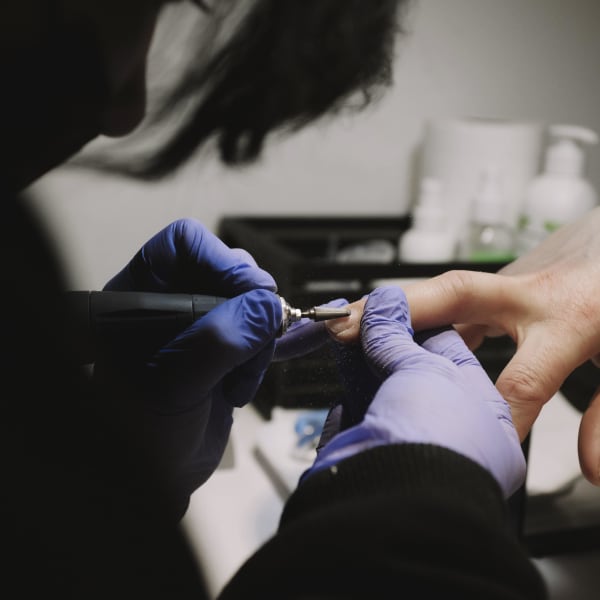
From acrylic monomers to airborne bio-dust, the air inside a nail salon carries risks most professionals never see coming. Aerovex Systems reveals the source-capture and room-purification strategies that are setting a new standard for salon safety.
Sponsored by Aerovex Systems
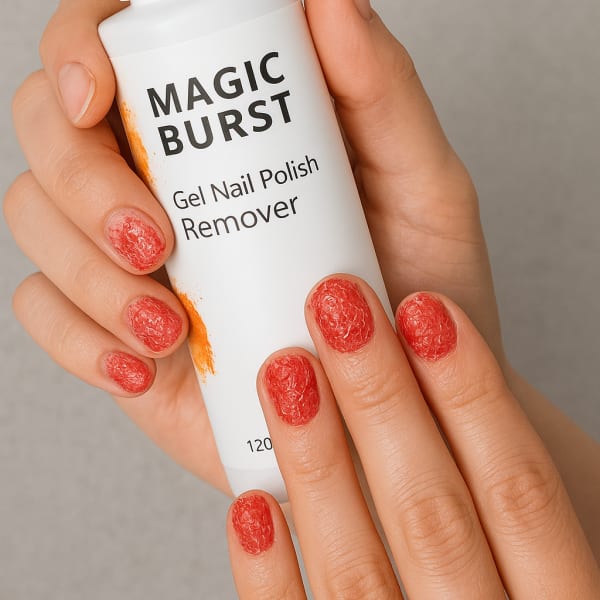
Products marketed as 'magic' or 'burst' gel removers may contain methylene chloride, a federally banned, highly toxic chemical.

Working in beauty doesn’t have to hurt. Learn how Somatic Movement helps hairstylists, lash artists, and other beauty pros release tension, improve posture, and extend their careers.
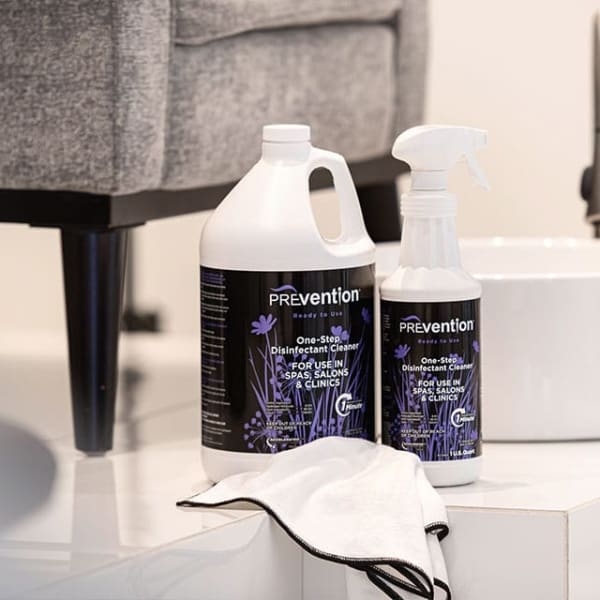
As a spa or salon professional, your clients expect more than just beauty—they expect safety, hygiene, and peace of mind. Fungal infections like Athlete’s Foot and Nail Fungus are more common than you think, especially in environments where tools and footbaths are reused without proper sanitation. This blog covers how to stop these issues before they start, using proven infection prevention strategies for salons and spas.
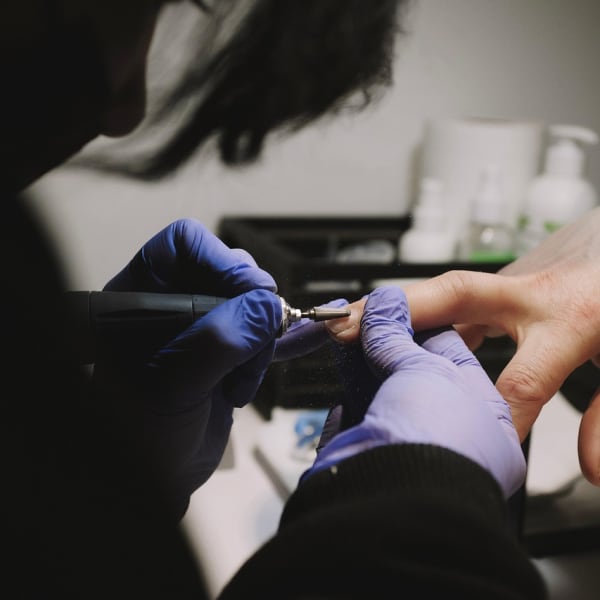
A federal initiative aimed at studying chemical exposure in nail salons has ended due to staffing and budget changes. Here’s what the project set out to do—and what its conclusion means for salon professionals.
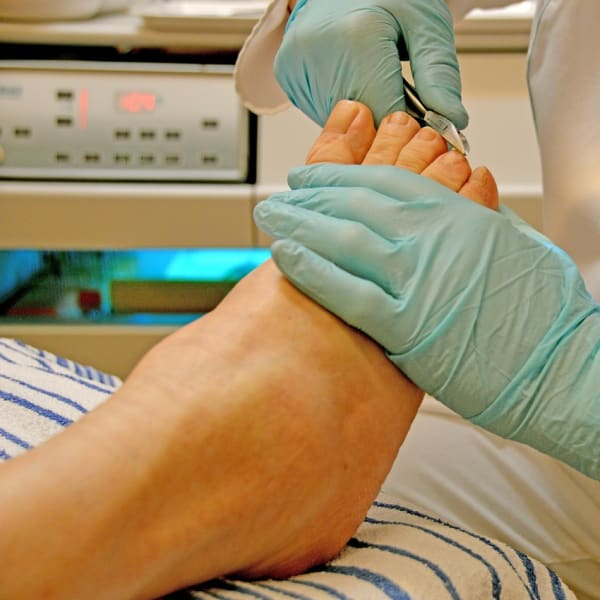
For many people, a pedicure is a relaxing beauty ritual. But what most don’t realize is that this simple service, if done without proper hygiene and sanitation, can cause serious infections and long-term health issues.
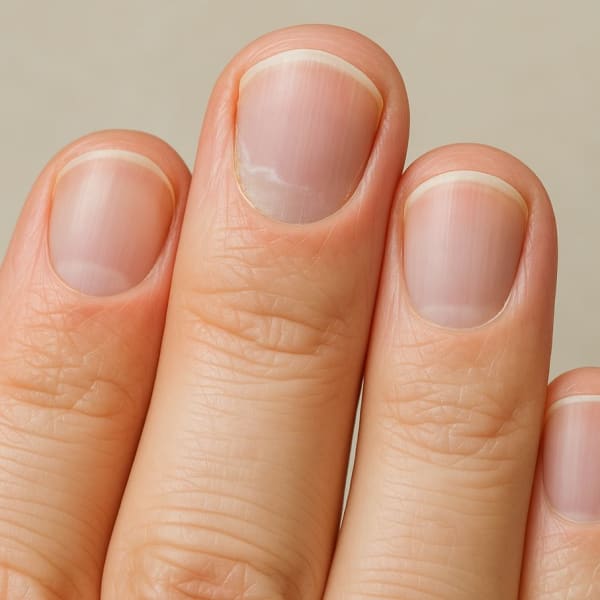
Onycholysis is the separation of the nail plate from the nail bed. While it may look painful, it typically isn’t—at least not at first. But without proper care, this common nail disorder can lead to infections, deformities, and long-term damage.

Mckenzie Kool, Psychologist, MC, RPsych provides us with guidance on what may or not be helpful in speaking with someone who has suffered a significant loss.
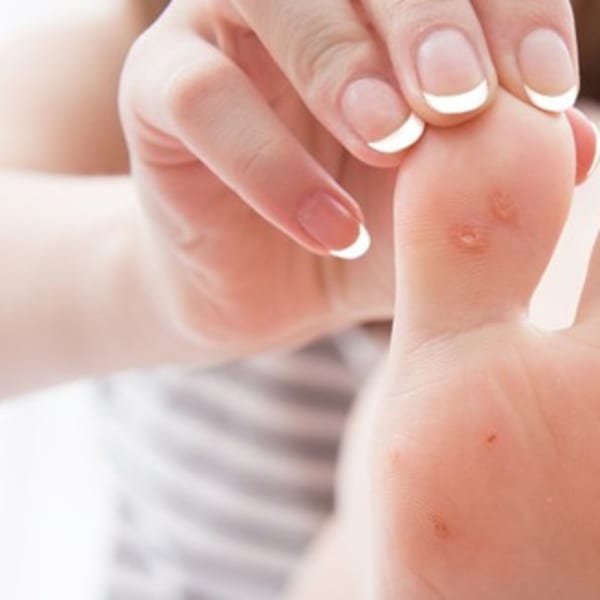
Clients come to you to feel their best—not leave with a viral souvenir. Warts and cold sores can spread fast in busy salons, but a few smart habits make all the difference. Let’s talk about what’s really lurking in your salon (and how to kick it to the curb).

As Earth Day approaches, The Green Beauty Community Foundation and the Green Spa Network invite beauty pros to step forward and embrace sustainability through the Green Pledge--a powerful initiative designed by and for beauty industry leaders.

Don’t cancel Valentine’s Day altogether, urges Jill Palmquist. Instead, think of it as a (frilly, flowery, Champagne-bubbly) wake-up call to fall deeply in love with your own life.

Life coach and Culture Ambassador of Sam Villa, Andrew Carruthers, outlines how to tell if your burnout is temporary - or if it's time to make a bigger career change.
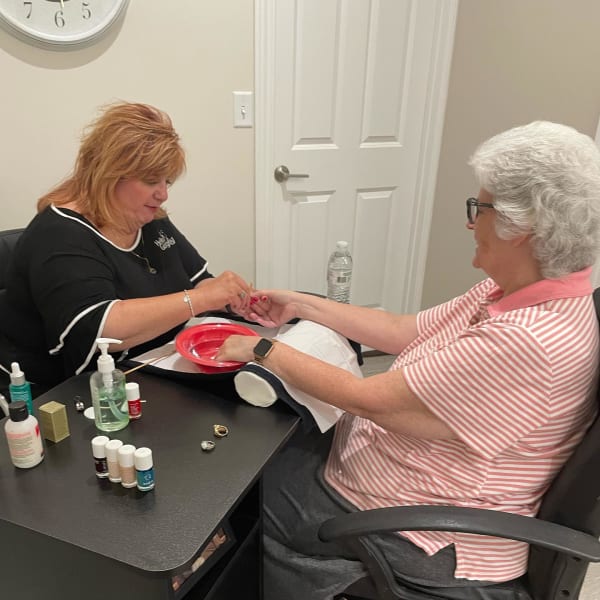
Cancer treatment can create very specific challenges for your guest when it comes to hair, skin, and also nails. Here are some tips for working with your salon client who is going through cancer treatment to help you provide a relaxing, enjoyable, and also safe experience.