






The Beauty Pro Book Club: 4 Reads to Inspire Growth and Success
Four publications for beauty industry professionals to enhance their leadership skills, financial awareness, professional growth, and joy!
by Anne Moratto


 MENU
MENU SEARCH
Salons have always been centered around a beauty philosophy — but what happens when salons extend that outlook to include Mother Earth? As green salons pop up all over the country, find out what this trend means to you.


WHY GO GREEN?Salon owners and industry experts point out the perks they’ve seen.
CHEERS TO YOUR HEALTH. Using low-toxic options for building materials and products creates a healthier, happier environment for both techs and clients.
WIDEN YOUR ALLURE. Green salons appeal to the eco-conscious crowd and to clients who are chemically sensitive, in addition to salon regulars.
ONE OF A KIND. Falling into this niche creates more marketing opportunities for a salon, including functioning as a hook for publicity efforts.
THE SPICE OF LIFE. Add to the variety of your product offerings. Give clients the option of either traditional products or eco-friendly ones.
THE GROWTH OF GREEN
Eco-consciousness is going mainstream. Here’s what it may mean for your future.
The environmentally friendly movement — more casually known as the “green” movement — is sprouting all over. Hybrid cars are showing up on highways, Wal-Mart is upping its organic food selection, and Al Gore’s movie about global warming An Inconvenient Truth was viewed by audiences worldwide.
In the beauty industry, Spa Finder Inc. identified “green” as one of its Top Trends to Watch for 2007. “We’re starting to see more spas either going green or doing small things to incorporate green elements, like water or energy conservation,” says Melisse Gelula, Spa Finder’s Luxury Spa Finder Magazine beauty and home spa design editor. “I’m definitely seeing that in day-to-day consciousness the green element is there much more than it’s ever been before. We think this trend is just going to continue.”
What does this mean for you? Very possibly that you, or one of your nearby competitors, has begun incorporating an eco-friendly consciousness into the salon. From using organic products in services to designing a green interior to instituting a recycling policy, green has arrived in the salon industry in a big way.
SHOUT IT OUT
Once your salon has decided to go green, here are some tried-and-true methods of letting your clients — and the world at large — know.
THE GRAND TOUR. Give new clients a walk-through of your facility. Focus not only on services, but also on the salon’s eco-consciousness.
ON THE WEB. Educate potential clients about your salon’s environmental commitment by devoting a page of your website to the salon’s green features.
PAMPHLETS AND BROCHURES. Create a companion brochure to the service menu. This take-home piece should outline the salon’s environmental commitment.
STAFF EDUCATION. Make sure all employees understand your salon’s green stance and can answer clients’ questions.
WHAT’S IN A NAME. Consider incorporating your green commitment into your salon name. For example, Viridis salon in Kirkland, Wash., was named after the Latin word for green, and a New York City salon is named “Priti Organic Spa.” Logos are also a great place to spread the word about how green you are.
WORD OF MOUTH. Partner with other green businesses in your community to spread the word about each other. Offer referral discounts to clients who tell their friends about your salon’s eco-consciousness.
WHERE TO START
If you’re thinking about opening your own eco-conscious salon, here are some resources to help you on your way.
GO TO THE PROS. Talk to green contractors, designers, and materials experts. There’s a growing number of builders who specialize in sustainable design.
GIFT OF GAB. Join networking groups that focus on environmental issues. The friends you make there can probably recommend green builders, products, and other useful resources.
VOICE OF EXPERIENCE. Read about what other salons have done to be more environmentally friendly. Talk to the owners if you can.
LOCAL GOVERNMENT. Make use of your city’s resources. Your city may have an ecology department or green commerce policies.
TAKE CLASSES. Attend a trade show about being green, such as Greenbuild or All Things Organic.
TALKING THE TALK
Keep this glossary of acronyms handy, so you can decode the green-related alphabet soup.
EPA — U.S. Environmental Protection Agency; the government agency that leads the nation’s environmental science, research, education, and assessment efforts. It develops and enforces regulations, offers financial assistance, performs research, sponsors voluntary partnerships and programs, and furthers environmental education.
FSC — Forest Stewardship Council; an international network that promotes responsible management of forests. FSC-accredited certification bodies award Forest Management certificates and Chain of Custody certificates.
LEED — Leadership in Energy and Environmental Design; a rating system that independently certifies a building as environmentally friendly. Projects are awarded Certified, Silver, Gold, or Platinum certification depending on the number of credits they achieve.
LOHAS — Lifestyles of Health and Sustainability; refers to the market segment focused on the environment, health and fitness, personal development, sustainable living, and social justice.
OTA — Organic Trade Association; a business association for the North American organic industry. It presents the All Things Organic Conference and Trade Show.
ReDO — Reuse Development Organization; an international nonprofit organization that promotes reuse as a way to manage surplus and discarded materials. It provides education, training, and technical assistance to start up and operate reuse programs.
USGBC — U.S. Green Building Council; a nonprofit organization that wants to “transform the building marketplace to sustainability.” It administers the independent green building certification system known as “LEED,” as well as hosts the Greenbuild International Conference & Expo and other educational offerings.
VOC — volatile organic compounds; found in substances such as paint, VOCs contribute to smog production and are frequently identified as a health hazard. Many building products that strive to be environmentally friendly purposely contain no or low VOCs.
GREEN GALLERY
Salons all over the country are going eco-chic. Check out these four success stories for inspiration.
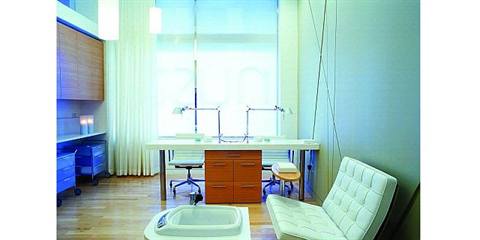
Owner: Elizabeth Snowdon; Designer: Envision Design (contractor: Davis Construction)
What makes the salon green: Awarded the prestigious LEED (Leadership in Energy and Environmental Design) Gold Certification, the spa boasts a feature wall that is made from the salvaged wood of a former barn, carpeting with more than 50% recycled content, energy efficient HVAC system and lighting, and eco-friendly product lines; its printed materials use eco-friendly paper and ink.
Why: Snowden says, “There were a couple of reasons: environmental awareness; health issues, such as the quality of air in the salon; and a strategic business decision, so the salon could fit into a unique niche. Some people think there’s some sort of aesthetic compromise when you build green, but we’re trying to show you don’t have to compromise. You can get any look you’re going for — whether hip or elegant — sustainably.”
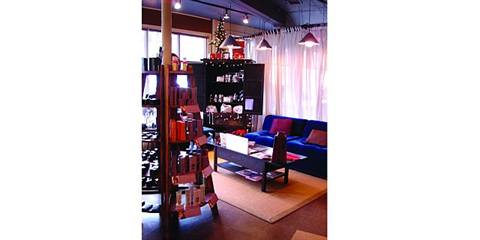
Owner: Carrie Malia; Designer: Cool Designs
What makes the salon green: Viridis features recycled glass countertops, recycled paper window shades, cork floors, natural lighting, 100% wool fabrics, low-VOC (volatile organic compounds) paint, formaldehyde-free veneer, and stations made of pressed sunflower seeds and soybean resin. The salon does natural nails only.
Why: Malia says, “I had been working in the salon for about 18 years and was getting sick from the job, but I didn’t want to give up what I was doing. I started looking into healthier building strategies, including working with an engineer to create a better ventilation system. It really started for my own health, but then I realized it could help so many other people as well.”

Owner: Kim D’Amato; Designer: Self-designed by D’Amato
What makes the salon green: Priti uses 100% organic products in its services, making sure to avoid parabens, formaldehyde, DBP, toluene, and acetone. (Its nail polish remover is soy-based.) It incorporates flowers, fruits, herbs, and organic essential oils into services and offers clients biodegradable slippers.
Why: D’Amato says, “I felt there wasn’t really a salon where I could feel safe having services while pregnant. So basically I put together a spa thinking about what would make me happy. Also, I believe in aromatherapy, so I incorporated organic essential oils as well.”

Owners: Maria and Gary Sigman; Designer: Solterra Studios (materials consultant: Stone Prairie Studios)
What makes the salon green: Inspired by Aveda founder Horst Rechelbacher, a pioneer in the green beauty industry, the salon boasts recycled poly-vinyl flooring with an underlayment of post-consumer tire rubber, fabrics made from recycled soda bottles, paint with no- to low-VOCs, and a reception desk made of compressed bits of bamboo. It primarily uses botanical and organic products.
Why: Maria Sigman says, “We try to lead a green personal lifestyle, so the salon became an extension of how we live. Also, it offsets some of the toxic chemicals we have to use in nail, hair, and body services.”
Four publications for beauty industry professionals to enhance their leadership skills, financial awareness, professional growth, and joy!
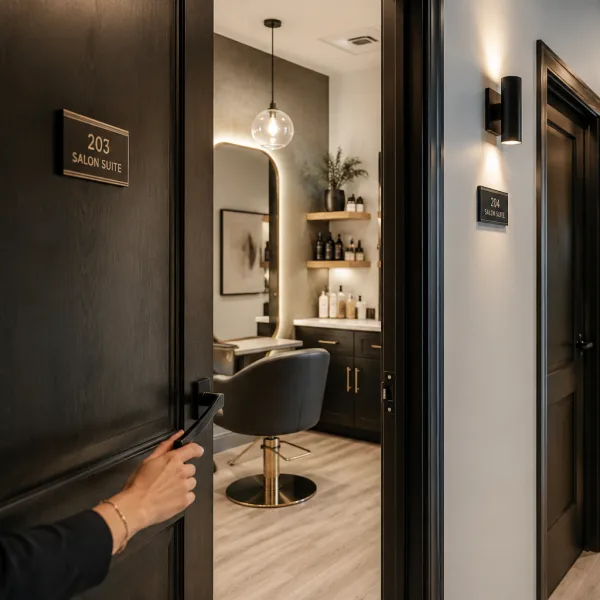
The most successful salon suites balance personality, function, and comfort. Megan Communale of My Salon Suite shares her best advice for designing a space that supports your business goals and leaves a lasting impression on every guest.

Square data shows that regular customers tip 11% higher and are shared across 32% of businesses in the same ZIP code, driving thousands of dollars in additional revenue per connection.
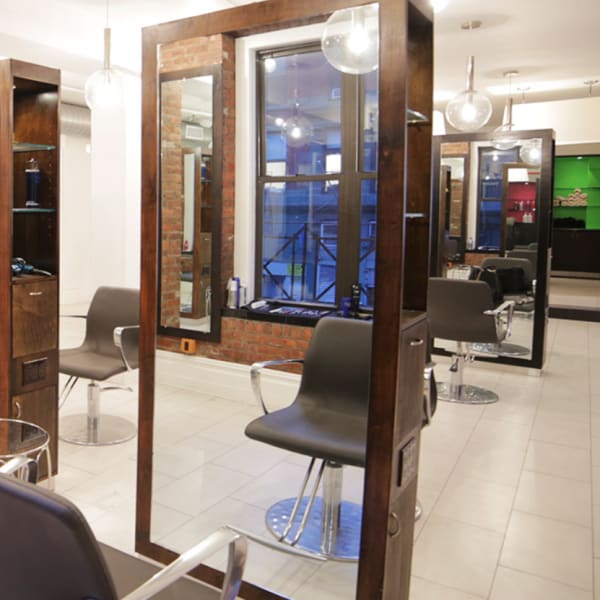
When Bowie Lau and Jeffrey Ching opened JBW Jeffrey Ching Salon in 2011, they weren’t just launching another luxury hair destination—they were building a business rooted in passion, artistry, and thoughtful growth.
Sponsored by Amex

Inside the Systems That Power an Elevated Salon Experience From seamless online booking to a team-first culture, J Gold Salon in Atlanta offers more than great hair—it delivers consistent, high-touch service with the help of partners like Boulevard and American Express.
Sponsored by Amex

Want to grow your career as a beauty professional? K18 Sales Manager Sabrina Sanborn shares advice on networking, mentorship, and self-advocacy—from attending hair shows to finding the right guidance to reach your goals.

A combination of clear policies, effective communication, and strong client relationships has helped me create a more reliable and efficient booking system.
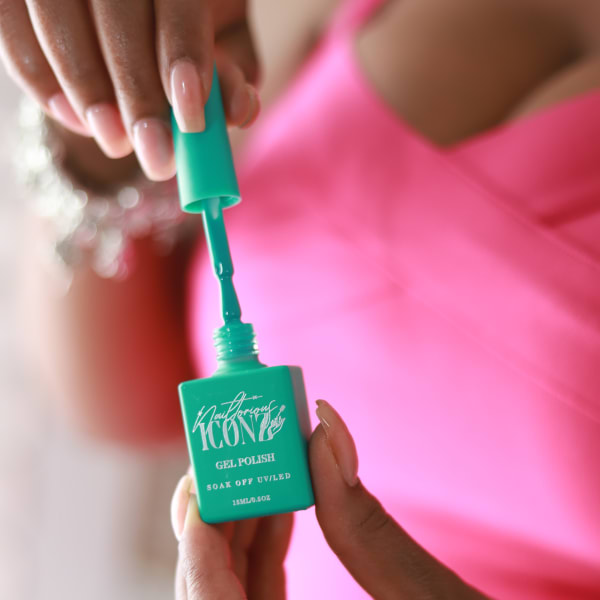
Founded by Cleveland serial entrepreneur Shaura Rodgers, Nailtorious has grown to include a nail supply megastore, training facilities, and retail line for nail techs.

This period after the holidays can bring on a huge lull for hairstylists. We asked Cosmo Prof's team of professionals to offer their best advice on how to deal with the January-February slow period.
Key highlights include a push toward inclusive spaces for all abilities, an emphasis on maximizing livable square footage, and a continued love for modern farmhouse exteriors.

The busy holiday season is here, and with it comes jam-packed days, last-minute client requests and booming retail sales. For many salon owners, the highlight of the season is Small Business Saturday® (SBS). This year on Saturday, November 30, consumers can take their shopping into the small businesses in their communities.
Sponsored by Amex

Want to become savvy about your personal finances, but don't quite know where to start? Anna Manukyan identifies six important concepts for building a strong financial foundation.
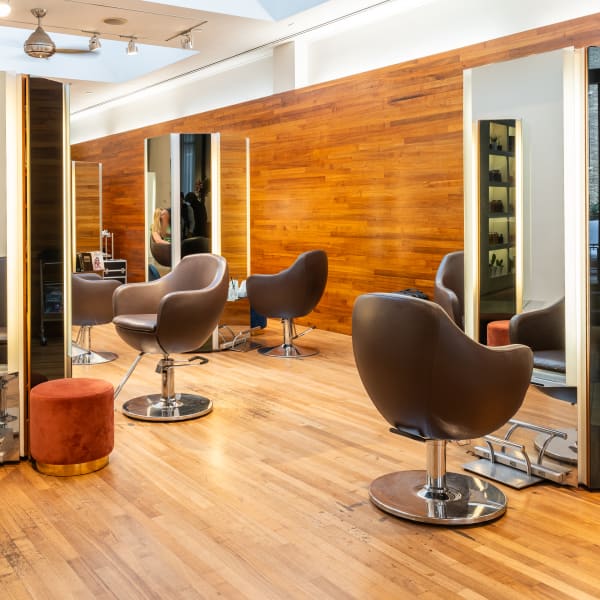
Salon owner Nuri Yurt had a dream of owning a salon on New York City’s Madison Avenue. "Through perseverance, hard work and stellar customer service, he and partner John Kaygisiz founded Toka Salon in 2007.
Sponsored by Amex

This guide is your one-stop shop for a plethora of technology tools, software and services created to keep your salon or spa thriving.

Anna Manukyan shares a breakdown of what different types of financial accounts should be used for.

Vagaro has consistently been at the forefront of salon software technology, helping businesses be more efficient, create more effective communication, and even improve company culture. Now, Connect by Vagaro, the platform’s two-way communication capability, and Vagaro’s new generative AI tools are giving owners new opportunities to grow and expand.
Sponsored by Vagaro

Young Nails' Greg, Habib, and Tracey discuss whether getting too close to clients can damage your business.