





The Beauty Pro Book Club: 4 Reads to Inspire Growth and Success
Four publications for beauty industry professionals to enhance their leadership skills, financial awareness, professional growth, and joy!
by Anne Moratto


 MENU
MENU SEARCH
Sticks and stones may break your bones, but words can put your salon out of business. Maybe you can’t put an end to salon gossip, but you can take steps to keep talk positive and defuse negative situations before they get worse.
When Ann (who asked that we not use her full name or salon name), expanded and remodeled her Florida salon a few years ago, she expressed her appreciation for her staff’s hard work by carving out space for a break room, complete with a microwave, comfortable chairs, and a couch.
The staff responded enthusiastically, but within two months Ann noticed a subtle change in the salon atmosphere. Volunteers to sweep floors and do other tasks during down time dwindled. Even more telling, she says, is that conversations stopped when she entered the room.
More than a month later, a long-time trusted employee reluctantly admitted that employees had been comparing commission structures and speculating on the salon’s retail profits. Some people were griping that Ann was making “big money” at their expense.
“I had to laugh,” Ann says wryly. “If only they knew.” After overhead expenses, payroll, and educational expenses, Ann says she realized a 3% profit the previous year – which barely covered the down payment on the remodel.
Realizing she faced an imminent walkout, Ann called a staff meeting and shared the salon’s cash flow and profit-and-loss statements. At the same time, she expressed disappointment that some staff members had felt more comfortable discussing her business behind her back than to her face.
Ann promised her staff she would be more forthcoming about the business and her future plans, and in return asked them to voice their complaints and concerns to her rather than to each other. Her staff quickly rallied, but Ann never completely regained her trust in them. When the salon’s two pedicure rooms became consistently booked three weeks in advance, she privately was relieved when the staff agreed to convert the break room to a three-station pedicure area.
Every salon owner you ask can share a horror story or two (and some even more) about business and personal crises caused by salon gossip. From losing valued employees to mortally offending long-time clients, words can hurt you.
So how do you stop the talk? You can’t, says Tim Hatcher, associate professor of human resource development at the University of Louisville (Ky.). Nor should you even try. According to Hatcher, gossip is as necessary as it is inevitable in the workplace – especially when that place is a salon.
“Gossip is a major part of the informal communication system that is especially strong in salons,” he explains. “It serves as a socializing agent for new employees and helps them learn the ropes. It also helps them figure out what’s important on the job, who has power and why, and which behaviors are acceptable and which are not.”
Gossip helps people influence others and to cast themselves and their friends in a good light. It also can help build partnerships and alliances. But there’s no denying that gossip has a dark side. Rumor mongering and gossip spurred by personal vendettas can whirl through a salon like a tornado, and cause almost as much damage, albeit to emotions rather than physical property.
“Negative gossip can kill a person’s reputation and career without them even knowing why,” Hatcher asserts. “It can set up a win-lose environment that breeds contempt, accusations, and vicious rumors, all of which can be the death knell for productivity and defeat any attempts at building a positive, nurturing workplace.”
Good or bad, gossip is in the salon to stay. “The salon environment encourages gossip even with people who have little taste for it,” Hatcher says. “So we have to look at gossip as good or bad, positive or negative, and better understand how we can influence which one we end up with.”
Accentuate the Positive
According to Hatcher, so-called “good” gossip weaves a social fabric strong enough in many salons to withstand wear and tear of time. “When gossip is good, it binds us together and helps us communicate and do our jobs better,” he says. The occasional rumor or juicy story can charge up any environment. And as long as the story – and accompanying mood – is positive, Hatcher is all for spreading the word.
Just keep the words nice. Creating a positive salon environment starts at the top. Staff and clients will follow the owner’s lead, so if you can’t say anything nice, then say nothing at all. “When managers gossip it can have a worse effect because of their position of power and authority over people,” Hatcher says. “Negative gossip can come across as a threat, while gossip more positive in nature can be perceived as a boost to their career or reputation.”
But by no means try to conceal or deceive staff about the business or your future plans. Salon staff interprets no news as bad news. If you appear evasive or ambiguous, the explanations they dream up may be worse than the truth. By the same token, don’t feel obligated to share all. If overhead is exceeding revenue, you might simply let staff members know that expenses are too high and that you welcome their suggestions as you explore ways to cut back.
Downplay the Negative
As painful and harmful as it is to be the topic of gossip, some people feel compelled to give as good as they get. To keep yourself and your staff out of harm’s way, declare the salon environment a neutral zone with clear-cut policies and procedures for handling conflict.
Randy Currie, owner of Currie Hair, Skin and Nails in West Chester, Pa., and 2001 AVA Salon of the Year winner, addresses negative gossip in the spa’s policies and procedures manual.
Currie trains employees to resolve personality conflicts with the individuals involved and to save work-related issues for the monthly meeting, where the entire group troubleshoots the problem and agrees on a solution.
This approach doesn’t work for everyone, however, including Antoine Salamé, president and CEO of Christie Adam Salons & Day Spas located in northern Virginia. “People had questions and issues that had no relevance to the establishment,” he says of his previous attempts at “clear the air” meetings. “They would stand up and tear up each other and the management.”
He’s since adopted an open-door policy whereby employees are welcome to voice complaints and concerns to himself or a manager – as long as it’s work-related. “I end any conversation with an employee about another co-worker the moment it takes a personal turn.” he says. “I ask whether it has anything to do with their focus or their presence in the salon, then I exit the conversation.” Unless the complaint is about another employee gossiping – and even then Salamé waits until he has a few complaints before he approaches that employee.
Deborah Perrin, owner of Deborah’s Day Spa in Tulsa, Okla., takes the middle road, inviting employees to voice their concerns and complaints to voice their concerns and complaints to her privately. She then addresses the issue herself at the next staff meeting.
Stop It at the Source
Even with all of these precautions, backstabbing and snipping will occur. Arm yourself and your staff members with effective strategies to stop gossip right at the source. You can often stop a gossiper in her tracks by gently questioning her credibility. Hatcher advocates a simple, straightforward response: “That sounds pretty far-fetched. Is there any proof?”
Even as they spread rumors, gossipers know they’re on shaky moral and ethical ground. When confronted with a negative rumor about another person, Hatcher says to simply reply, “Gee, I’d hate to hear that about me or my best friend, wouldn’t you?” Some rumors may even warrant a more direct approach, such as, “I won’t believe that until I hear it from her.”
If you hear of gossip after the fact, act quickly and decisively. “But you can’t deal with it when you’re angry,” cautions Currie. He starts by asking the gossiper to consider how she would feel if she were the one being talked about. “Personalize the situation and show her the consequences,” he advises.
Perrin agrees. She believes that maturity plays a significant role in salon gossip. “Those who have been in the industry longer have learned how it can come back on you,” she says. Discreetly ask more experienced staff members to mentor younger employees and share the benefits of their experience. “I have employees who will take a young person out and have a great talk with her. Sometimes she simply didn’t understand who she’s hurting.”
Salamé also prefers a positive approach, explaining that the gossiper is often a valued, long-time employee who’s fallen in a rut. He finds it effective to express disappointment in the employee’s actins while asking for her help.
If you can’t afford to lose the employee, Salamé advises constant and clear communication. “Spend one-on-one time with the person on a regular basis,” he advises. “Usually you’ll learn the person is unhappy about something. Fix it, make sure she knows it’s fixed and then talk to her about what else is on her mind.”
While most of the burden initially rests on the owner’s shoulders, Salamé says most employees respond positively to the effort by working harder to solve the problem themselves.
If the individual doesn’t respond and clients and coworkers are feeling the effects, recognize that your salon can’t afford for her to stay, no matter how full her book. And that’s a fact.
Four publications for beauty industry professionals to enhance their leadership skills, financial awareness, professional growth, and joy!
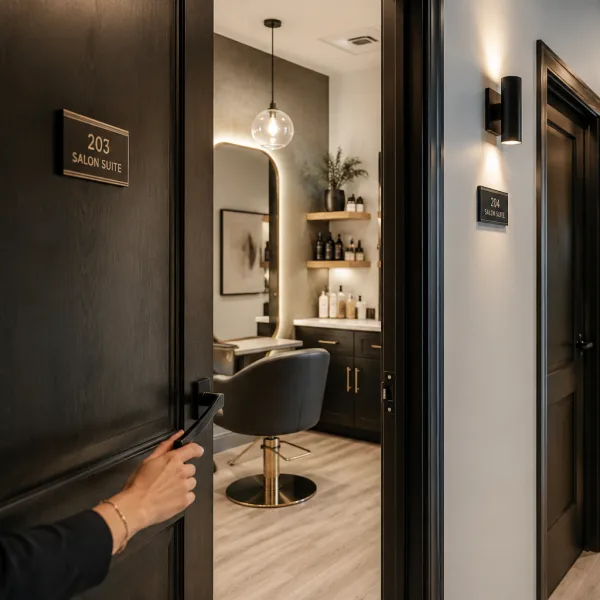
The most successful salon suites balance personality, function, and comfort. Megan Communale of My Salon Suite shares her best advice for designing a space that supports your business goals and leaves a lasting impression on every guest.

Square data shows that regular customers tip 11% higher and are shared across 32% of businesses in the same ZIP code, driving thousands of dollars in additional revenue per connection.
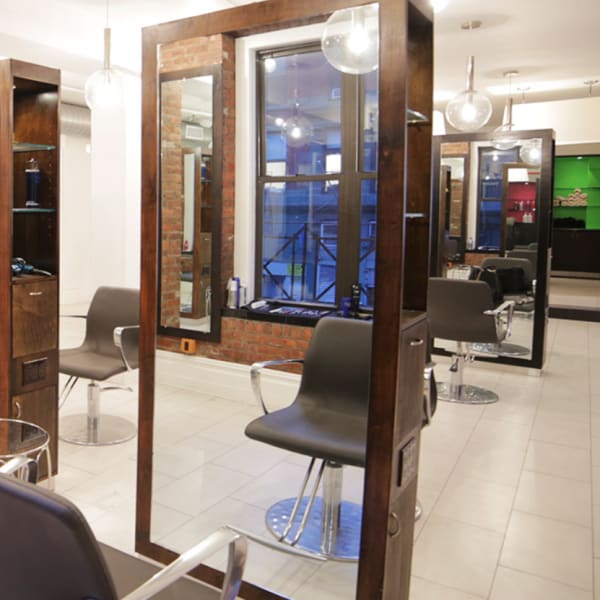
When Bowie Lau and Jeffrey Ching opened JBW Jeffrey Ching Salon in 2011, they weren’t just launching another luxury hair destination—they were building a business rooted in passion, artistry, and thoughtful growth.
Sponsored by Amex

Inside the Systems That Power an Elevated Salon Experience From seamless online booking to a team-first culture, J Gold Salon in Atlanta offers more than great hair—it delivers consistent, high-touch service with the help of partners like Boulevard and American Express.
Sponsored by Amex

Want to grow your career as a beauty professional? K18 Sales Manager Sabrina Sanborn shares advice on networking, mentorship, and self-advocacy—from attending hair shows to finding the right guidance to reach your goals.

A combination of clear policies, effective communication, and strong client relationships has helped me create a more reliable and efficient booking system.
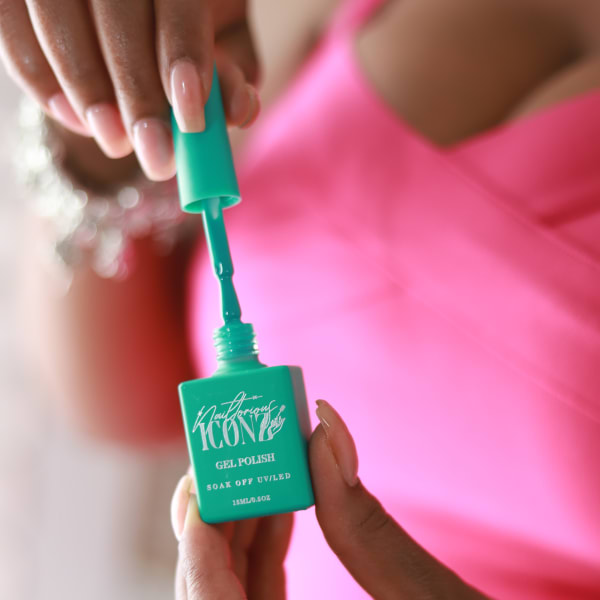
Founded by Cleveland serial entrepreneur Shaura Rodgers, Nailtorious has grown to include a nail supply megastore, training facilities, and retail line for nail techs.

This period after the holidays can bring on a huge lull for hairstylists. We asked Cosmo Prof's team of professionals to offer their best advice on how to deal with the January-February slow period.

Key highlights include a push toward inclusive spaces for all abilities, an emphasis on maximizing livable square footage, and a continued love for modern farmhouse exteriors.
The busy holiday season is here, and with it comes jam-packed days, last-minute client requests and booming retail sales. For many salon owners, the highlight of the season is Small Business Saturday® (SBS). This year on Saturday, November 30, consumers can take their shopping into the small businesses in their communities.
Sponsored by Amex

Want to become savvy about your personal finances, but don't quite know where to start? Anna Manukyan identifies six important concepts for building a strong financial foundation.
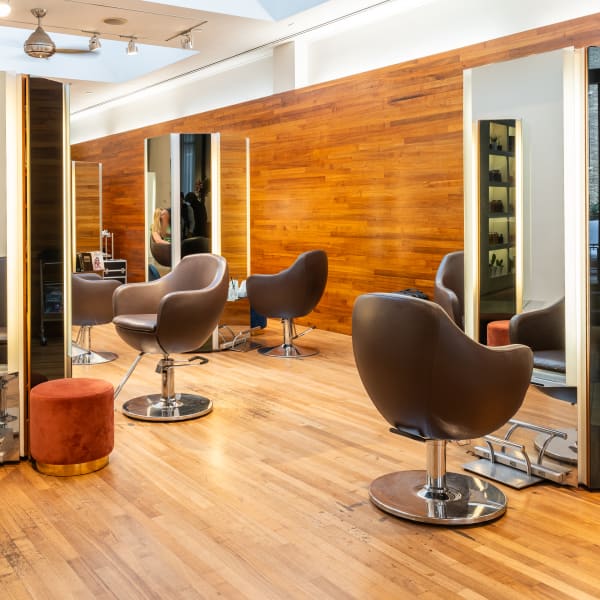
Salon owner Nuri Yurt had a dream of owning a salon on New York City’s Madison Avenue. "Through perseverance, hard work and stellar customer service, he and partner John Kaygisiz founded Toka Salon in 2007.
Sponsored by Amex

This guide is your one-stop shop for a plethora of technology tools, software and services created to keep your salon or spa thriving.

Anna Manukyan shares a breakdown of what different types of financial accounts should be used for.

Vagaro has consistently been at the forefront of salon software technology, helping businesses be more efficient, create more effective communication, and even improve company culture. Now, Connect by Vagaro, the platform’s two-way communication capability, and Vagaro’s new generative AI tools are giving owners new opportunities to grow and expand.
Sponsored by Vagaro

Young Nails' Greg, Habib, and Tracey discuss whether getting too close to clients can damage your business.