





The Beauty Pro Book Club: 4 Reads to Inspire Growth and Success
Four publications for beauty industry professionals to enhance their leadership skills, financial awareness, professional growth, and joy!
by Anne Moratto


 MENU
MENU SEARCH
During the NAILS Roundtable Breakfast in Las Vegas, nail techs, salon owners, manufacturers, and educators took a frank look at the state of the industry and discussed the challenges facing nails today. Echoing concerns as old the industry, education and sanitation proved to be the hot topics.
Just as the Las Vegas hair and Nail Conference was kicking off this past May, in a room high above the show floor, a group of industry professionals gathered to share insights on the state of the nail industry. Led by NAILS publisher Cyndy Drummey, the group identified and discussed challenges that plaque the industry.
While identified problem ranged from a lack of summer awareness of the industry, a lack of basic business skills amongst techs and salon owners, continuing problems with sanitation, a poor industry image, difficulties in building a clientele, and unrealistic expectations amongst techs entering the industry - the issues of poor education and continuing education and a lack pf proper industry-wide sanitation topped the list of industry challenges.
“Nails techs come out of schools completely unprepared,” said Debbie Doerrlamm, NAILS’ Internet correspondent and founder of the industry website BeautyTech.com.
Darlene Feric, and AVA Nail tech of the Year finalist, manufacturer’s educator, and salon owner based out of Antioch, Ill., agreed. “As manufacturer’s educators, we go into schools to educate students about our products and end up having to teach the basics as well,” Feric said. “Many teachers are qualified to teach nails.”
The problem, many agreed, is the practice of teaching to the test. “The curriculum itself needs to be revamped,” said Doerrlamm. “It needs to be more focused on becoming a tech and a businessperson - not just to help students pass a state exam.” consequently, nail techs are graduating from cosmetology school often lacking technical and business skills.
One solution offered by the round table group is the implementation of apprenticeship programs, either at the state or on an individual level. Maisie Dunbar, a salon owner and an AVA Nail Tech of the Year Finalist from Silver Spring, MD., has instituted her own apprenticeship and assistance training program in her salon. “I work with three students for three months to teach them the standards and practices of my salon,” she said. “They see how a salon works and I choose and pay for their continuing education.”
Creating her own program has allowed Dunbar to groom students for an easy transition into the salon as employees. “As salon owners we have to take control of the industry and find ways to benefit our business in the long run.”
Other techs place the responsibility for creating successful apprenticeship programs with each state. Mary Metscaviz, a salon owner and manufacturer’s educator and AVA Nail Tech of the Year finalist from Graysake, Ill., sees room for improvement in state apprenticeship programs.
“Illinois has an apprenticeship program, but salon owners have little incentive for participating because they don’t get paid,” she said. “As an educator and an owner it has to be worth my time to do it.” Taking the time to independently teach a nail student technical and business skills may not be feasible for smaller salons that lack established training programs or salons that cannot spare the resources or man-hours to accomplish the task.
Taking a different tack, David Miller, founder of Luxe Nails in Libertyville, Ill., offered the suggestion that an allegiance between nail techs and manufacturers be formed in order to impress upon schools the importance of teaching business skills to students.
“It all comes down to education at the school level,” offered Miller.
“Salon owner need to learn how to run their business, how to determine profits margins,” said Dunbar. Doerrlamm agreed, noting that business-type questions dominate the topic of discussions on BeautyTech.com chats and message boards.
Another such problem is poor sanitation practices among many techs within the industry. “Sanitation needs to start at the bottom,” said Drummey. “Wash your hands, make your clients wash their hands. Clean your foot bath. Consumers are aware if your salon is not clean.”
Techs voiced strong opinions on the subject. Feric suggested, “By law, every owner should have to take a sanitation class every year. Every salon should be checked every two years by an inspector - I have been doing nails for 15 years and have never been checked.” Dunbar agreed, nothing, “Owners have to lead by example.”
Things are getting better, however. “Discount salons are improving; they are raising their standards,” noted Drummey. A good way to promote higher levels of sanitation in salons is by educating clients. “We have to make sure clients know they are coming to a tech who is continuing her education,” said Metscaviz. Patti Blanusa of Creative Bail Design agreed, “It all comes down to consumer awareness. It needs to start at each salon.”
Pooling of resources also appealed to the group. “The Association of Electric File Manufacturers is a great example of people working together to set up industry-wide standards,” said Drummey. “They changed the way the industry views the electric file and rehabilitated its reputation.”
“Each person can make a difference by setting goals and reaching them,” said Feric. “We need to work at the state level, we need to motivate people who want to change the industry.”
Drummey may have said it best when she noted, “More and more great things are being done by smaller and smaller groups of people.”
Four publications for beauty industry professionals to enhance their leadership skills, financial awareness, professional growth, and joy!
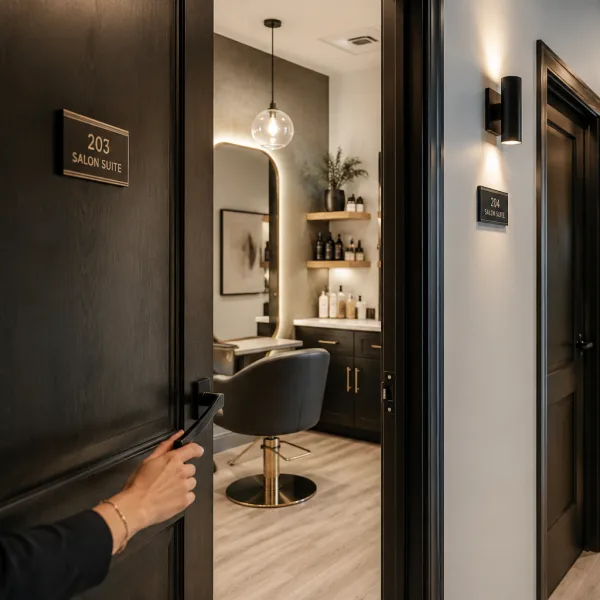
The most successful salon suites balance personality, function, and comfort. Megan Communale of My Salon Suite shares her best advice for designing a space that supports your business goals and leaves a lasting impression on every guest.

Square data shows that regular customers tip 11% higher and are shared across 32% of businesses in the same ZIP code, driving thousands of dollars in additional revenue per connection.

When Bowie Lau and Jeffrey Ching opened JBW Jeffrey Ching Salon in 2011, they weren’t just launching another luxury hair destination—they were building a business rooted in passion, artistry, and thoughtful growth.
Sponsored by Amex

Inside the Systems That Power an Elevated Salon Experience From seamless online booking to a team-first culture, J Gold Salon in Atlanta offers more than great hair—it delivers consistent, high-touch service with the help of partners like Boulevard and American Express.
Sponsored by Amex

Want to grow your career as a beauty professional? K18 Sales Manager Sabrina Sanborn shares advice on networking, mentorship, and self-advocacy—from attending hair shows to finding the right guidance to reach your goals.

A combination of clear policies, effective communication, and strong client relationships has helped me create a more reliable and efficient booking system.
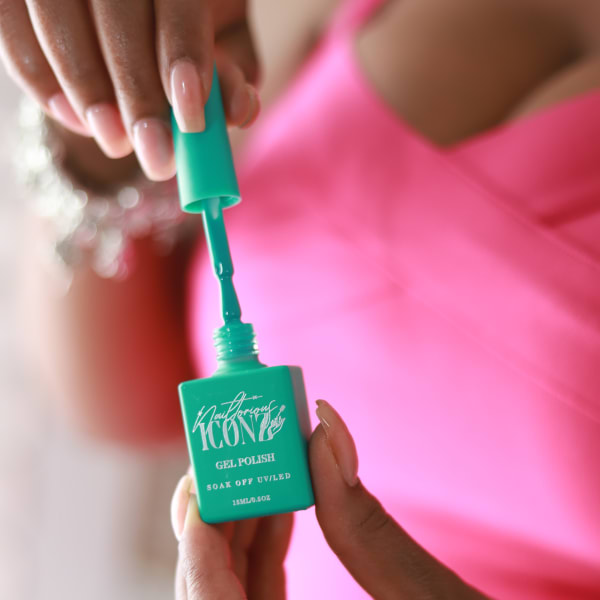
Founded by Cleveland serial entrepreneur Shaura Rodgers, Nailtorious has grown to include a nail supply megastore, training facilities, and retail line for nail techs.

This period after the holidays can bring on a huge lull for hairstylists. We asked Cosmo Prof's team of professionals to offer their best advice on how to deal with the January-February slow period.

Key highlights include a push toward inclusive spaces for all abilities, an emphasis on maximizing livable square footage, and a continued love for modern farmhouse exteriors.

The busy holiday season is here, and with it comes jam-packed days, last-minute client requests and booming retail sales. For many salon owners, the highlight of the season is Small Business Saturday® (SBS). This year on Saturday, November 30, consumers can take their shopping into the small businesses in their communities.
Sponsored by Amex

Want to become savvy about your personal finances, but don't quite know where to start? Anna Manukyan identifies six important concepts for building a strong financial foundation.
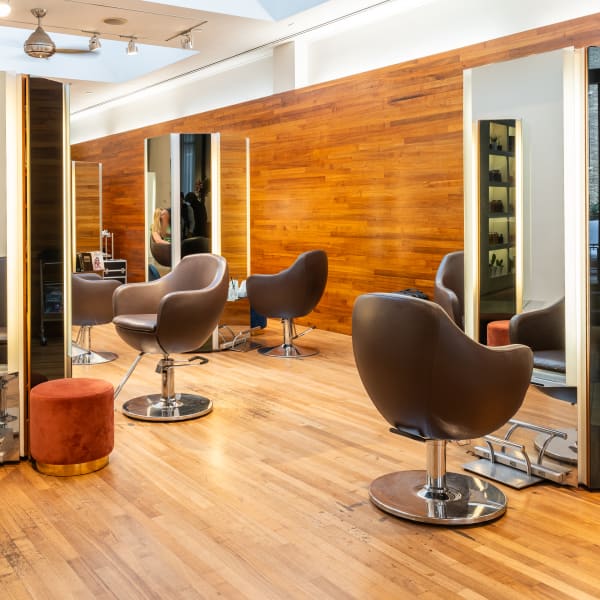
Salon owner Nuri Yurt had a dream of owning a salon on New York City’s Madison Avenue. "Through perseverance, hard work and stellar customer service, he and partner John Kaygisiz founded Toka Salon in 2007.
Sponsored by Amex

This guide is your one-stop shop for a plethora of technology tools, software and services created to keep your salon or spa thriving.

Anna Manukyan shares a breakdown of what different types of financial accounts should be used for.

Vagaro has consistently been at the forefront of salon software technology, helping businesses be more efficient, create more effective communication, and even improve company culture. Now, Connect by Vagaro, the platform’s two-way communication capability, and Vagaro’s new generative AI tools are giving owners new opportunities to grow and expand.
Sponsored by Vagaro

Young Nails' Greg, Habib, and Tracey discuss whether getting too close to clients can damage your business.