





The Beauty Pro Book Club: 4 Reads to Inspire Growth and Success
Four publications for beauty industry professionals to enhance their leadership skills, financial awareness, professional growth, and joy!
by Anne Moratto


 MENU
MENU SEARCH
Illinois nail technicians overcome legislative indifference and a governor’s veto to see a licensing bill enacted.
Two down, four to go. As of the first of this year, nail technicians in two more states — Virginia and Illinois — are now required to have a professional license to practice nail care. With the passage of licensing bills in these two states, it leaves only New York, Nebraska, Alaska, and Connecticut without licensing requirements. Perhaps the organizers of the movements in those states will be inspired by the efforts of several Chicago-based nail technicians who not only brought licensing up for vote in their state legislature, but even garnered enough votes to override a governor’s veto.
The original Illinois licensing bill (Senate bill #1,054) was introduced three years ago by Senator Emil Jones, but the success of the bill this year was due largely to the personal commitments of several individuals — Patricia Johnson-Rambo, Baileys nail program director, Joanna Nykiel, NailsChicago chairman, and NailsChicago Committee members Sheila Cohen, Darla Giese, Margaret Howell, and Maggie Boyd. Nykiel also credits Victory Beauty Supply for their help in mailing informational fliers to Illinois technicians, who were urged to contact their legislators to support the bill. Several Victory representatives even accompanied Nykiel and Johnson-Rambo to the state capital during the legislative override session and offered “tremendous support,” says Nykiel.
Doug Schoon, president of Chemical Awareness Training Service, also provided the group with a letter detailing important industry issues, which proved very helpful when they went before the legislature.
Although the road to licensure was successful, it was also long and tiring. Says Nykiel, “It took persistence, loss of sleep, letters, phone calls, and trips to Springfield. You have to see their faces, they have to see your face. You have to go to their offices, meet with them and their secretaries. We learned that to communicate with these lawmakers, you have to communicate in bold and in two short sentences.” Nykiel and Johnson-Rambo quickly discovered how to deal with busy lawmakers. On their drive up to the state capital, they stuffed Chinese food takeout boxes with small gifts for the legislators’ secretaries.
What follows is an account of the Illinois licensing campaign.
April 10, 1991. Now called bill #407, the bill has its first reading and is assigned to a Senate subcommittee. On April 23, the subcommittee meets with the nail technicians group, led by spokesperson Johnson-Rambo. What was of paramount importance to the legislators was the grandfather clause and the possibility that citizens of their state would lose their jobs. (Licensing proponents in New York faced similar concerns with their legislature.)
The proposed grandfather clause at that time would have allowed practicing technicians who had two years’ experience or 200 accredited educational hours to be licensed automatically under the new law. The clause would also have required technicians to show that 50% of their income was earned from nail care, either by presenting a 1099 or W-2 form or Schedule C. However, once the bill was ushered out of the subcommittee, a less stringent grandfather clause was required by the senators.
To bolster their case about the potential damage that had been done by unlicensed (and untrained) technicians, the technicians had to provide documentation of a real-life salon client who had been injured as a result of bad service. (Although the senators were concerned about potential lawsuits, the issue was not sanitation, said Nykiel.)
Nykiel found a case of a client who had sued her nail technician and the manufacturer of the product she used. Although the technician blamed the product for the clients injury (who was treated for a fungal infection), the technician still had applied acrylic over the bad nail.
Johnson-Rambo brought graphic pictures of diseased nails, a letter from a podiatrist, and photos of nail disorders and diseases. Nykiel brought information on the lawsuit and a letter from a podiatrist.
May 22. The bill passes out of the subcommittee by a favorable margin of 57-2, then moves to the House, where it is sponsored by Representative Phil Novak. Once in the House the bill picks up more supporters, among them Representatives DeLeo, Steczo, and Parke.
May 30. Representative Black requests a fiscal note, a document that outlines the cost of licensing to the state, from the Illinois Department of Professional Regulation (headed by chief fiscal officer David Boyer).
June 19. The fiscal note is filed. The department estimated that there were 950 nail technicians in the state of Illinois, and figured that the administration costs of licensing would create a deficit of $83,000 over a four-year period, and start-up costs would run around $52,000. Later this information was amended when Johnson- Rambo met with Boyer and pointed out that the test technicians would be required to take had already been established in the cosmetology act. This knocked $50,000 off the note. (“The Department of Professional Regulation opposed the bill because they didn’t want any more paperwork,” said Nykiel.)
Boyer agreed to submit a second fiscal note to the House to reflect the revised start-up costs. The note also showed that the official estimate of 950 technicians in Illinois was well under estimates from other sources, and a compromise figure of 2,000 was reached (although Johnson-Rambo estimates that Illinois has 7,000 technicians).
The revised numbers shed a new light on the issue, and now means that the state might realize a potential income of $7,100, with start-up costs of only $4,700.
June 26. With the third reading, the bill leaves the House with a vote of 74-40 in favor of licensing.
June 29. The bill goes back to the Senate for concurrence of the House amendments. The amended grandfather clause now requires technicians to have one year full-time or two years* part-time experience and eliminates the need to submit financial documentation of income.
July 26. The final licensing bill is sent to Governor Jim Edgar.
September 13. Governor Edgar vetoes the bill based on the Department of Licensing’s documentation that says the state will face tremendous deficit. (Interestingly, the governor vetoed eight different licensure bills during this session and only the nail licensure bill eventually passed.)
October 23. Legislators go into an override session. A vote of 37-18 (3/5 vote) of the Senate is needed to override the Governor’s veto. By one vote, the bill passes in the Senate.
November 6. “The Republicans were not in favor of the bill,” says ?Nykiel. “After some of the Republication representatives spoke against the bill, we lost some of the original votes.” A debate raged, with the vote rising and falling. A roll call vote is finally called. The House votes 71-37 in favor, exactly the number of votes needed to override the governor’s veto.
November 13. Illinois licensing bill passes.
January 1, 1992. Illinois licensing bill goes into effect.
Practicing Illinois nail technicians and individuals wishing to become a nail technician should contact one of the following associations immediately for an information packet on the new licensing requirements. Although the state does not yet have all the documentation for the grandfather clause, it is setting up a file with the names of technicians who request information and will notify them when the materials are available.
Four publications for beauty industry professionals to enhance their leadership skills, financial awareness, professional growth, and joy!
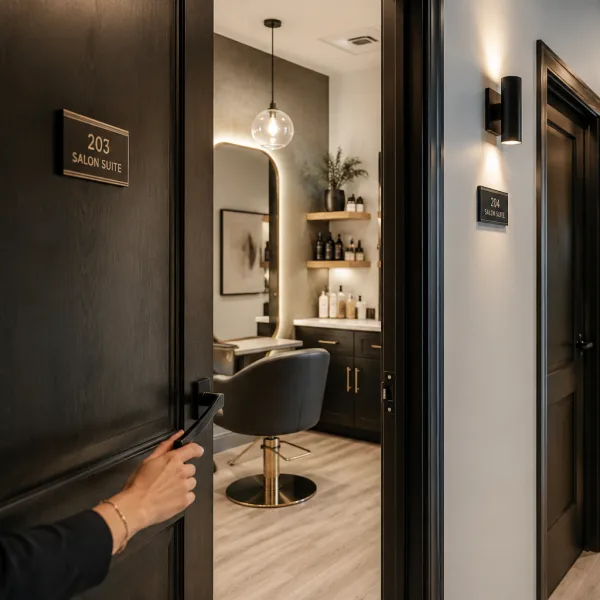
The most successful salon suites balance personality, function, and comfort. Megan Communale of My Salon Suite shares her best advice for designing a space that supports your business goals and leaves a lasting impression on every guest.

Square data shows that regular customers tip 11% higher and are shared across 32% of businesses in the same ZIP code, driving thousands of dollars in additional revenue per connection.

When Bowie Lau and Jeffrey Ching opened JBW Jeffrey Ching Salon in 2011, they weren’t just launching another luxury hair destination—they were building a business rooted in passion, artistry, and thoughtful growth.
Sponsored by Amex
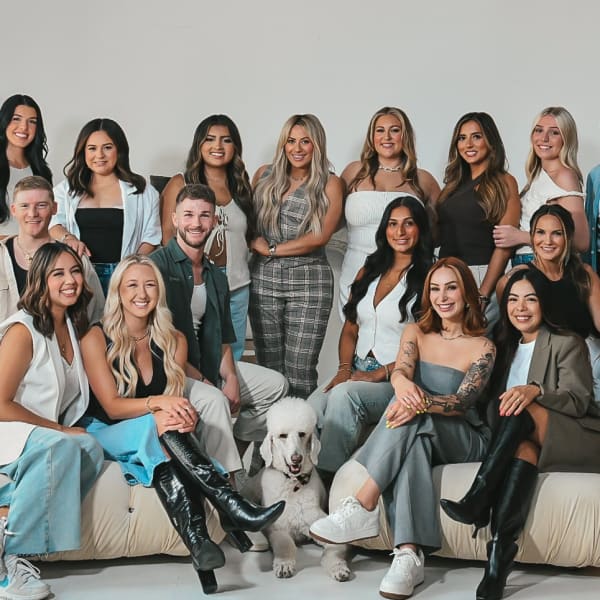
Inside the Systems That Power an Elevated Salon Experience From seamless online booking to a team-first culture, J Gold Salon in Atlanta offers more than great hair—it delivers consistent, high-touch service with the help of partners like Boulevard and American Express.
Sponsored by Amex

Want to grow your career as a beauty professional? K18 Sales Manager Sabrina Sanborn shares advice on networking, mentorship, and self-advocacy—from attending hair shows to finding the right guidance to reach your goals.
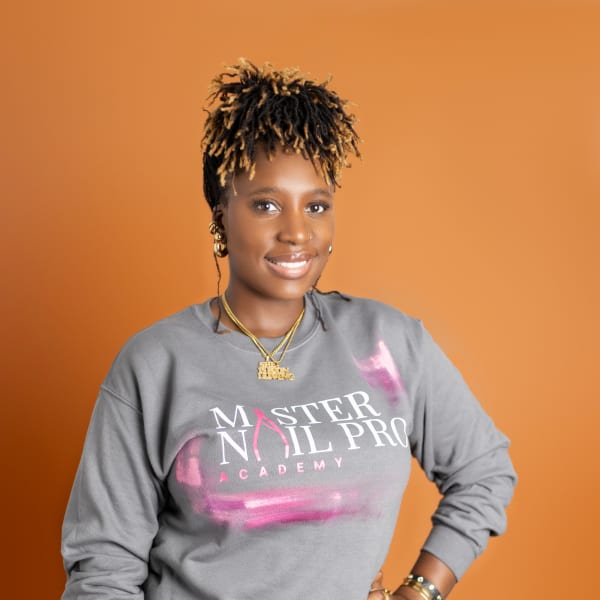
A combination of clear policies, effective communication, and strong client relationships has helped me create a more reliable and efficient booking system.
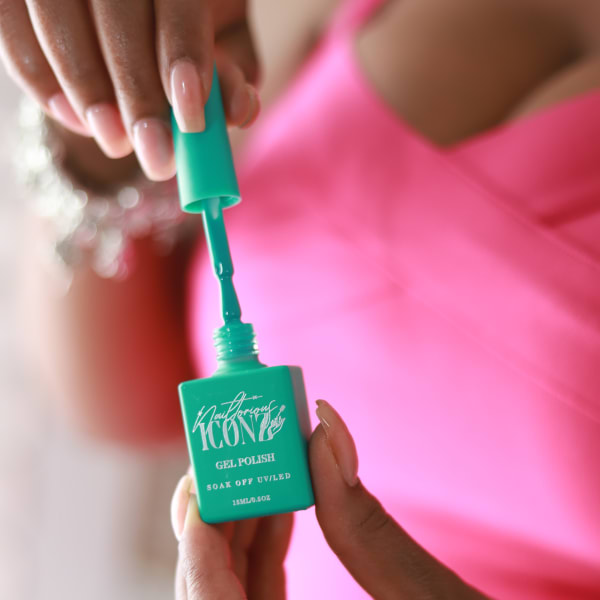
Founded by Cleveland serial entrepreneur Shaura Rodgers, Nailtorious has grown to include a nail supply megastore, training facilities, and retail line for nail techs.

This period after the holidays can bring on a huge lull for hairstylists. We asked Cosmo Prof's team of professionals to offer their best advice on how to deal with the January-February slow period.

Key highlights include a push toward inclusive spaces for all abilities, an emphasis on maximizing livable square footage, and a continued love for modern farmhouse exteriors.
The busy holiday season is here, and with it comes jam-packed days, last-minute client requests and booming retail sales. For many salon owners, the highlight of the season is Small Business Saturday® (SBS). This year on Saturday, November 30, consumers can take their shopping into the small businesses in their communities.
Sponsored by Amex

Want to become savvy about your personal finances, but don't quite know where to start? Anna Manukyan identifies six important concepts for building a strong financial foundation.
Salon owner Nuri Yurt had a dream of owning a salon on New York City’s Madison Avenue. "Through perseverance, hard work and stellar customer service, he and partner John Kaygisiz founded Toka Salon in 2007.
Sponsored by Amex

This guide is your one-stop shop for a plethora of technology tools, software and services created to keep your salon or spa thriving.

Anna Manukyan shares a breakdown of what different types of financial accounts should be used for.

Vagaro has consistently been at the forefront of salon software technology, helping businesses be more efficient, create more effective communication, and even improve company culture. Now, Connect by Vagaro, the platform’s two-way communication capability, and Vagaro’s new generative AI tools are giving owners new opportunities to grow and expand.
Sponsored by Vagaro
Young Nails' Greg, Habib, and Tracey discuss whether getting too close to clients can damage your business.