






The Beauty Pro Book Club: 4 Reads to Inspire Growth and Success
Four publications for beauty industry professionals to enhance their leadership skills, financial awareness, professional growth, and joy!
by Anne Moratto


 MENU
MENU SEARCH
Frustrations with nail product distribution have led to manufacturers to refocus on the "little guy."


My editor’s note a few months ago about how difficult buying nail products has become for nail technicians struck a nerve. And not only with nail technicians. I heard from as many manufacturers as I did nail technicians after it was published. It seems nail technicians aren’t the only ones frustrated by the state of nail product distribution. In the early days of the nail business, nail product makers didn’t have a lot of choices about how to get their products into the market. They usually took advantage of any opportunity that came down the pike, often spending weekends at trade shows, or selling products direct to customers via an 800 number, utilizing small distributors or beauty stores, all the while knocking on the doors of the big or growing nail distributors trying to get their products considered.
Over time, as the major distributors saw the nail business grow, they started making some shelf room in their stores for more and more nail products (marketers and dealers alike agree that stores are where nail techs do their primary shopping). And eventually, thanks especially to the efforts of the nail companies that helped train (and incentivize) distributors about nails, nail care was a profitable area for many dealers. As nail product manufacturers grew, they focused their energies on the bigger distributors, sometimes eliminating the smaller ones. It was a business necessity.
But as the distributors themselves grew, and started buying up the little distributors, all but the dominant manufacturers found their shelf-space getting squeezed out. Distributors who once threw open their shelves to nail products were now limiting their nail options to only the most basic and well-known products. Many product makers who were once selective about who could and couldn’t distribute their products are now reconsidering restrictive territory boundaries. Many distributor-loyal manufacturers are offering their products direct to salons in areas where they have no distribution.
That’s where we are now: Nail techs are back where they started years ago, using whatever sources are available to get all the products they need.
But here’s the opportunity — and it’s one for both nail techs and manufacturers. The little guys are back in power! Nail distributors focusing on nails only are experiencing a resurgence. Nail techs themselves are opting to become minidealers, distributing their favorite brands in a small territory and making a nice supplemental income. Manufacturers who once were straightjacketed by their distributor contracts are now expanding their distribution. We’ve heard plenty of manufacturers tell us they’re emphasizing their business with “the little guys,” the mom-and-pop beauty suppliers who have a few stores and focus on nail technicians.
I’m sure the criticism of distributors will earn me more hate mail, and I’ll follow up in this space at a later date with the dealer’s perspective.
Four publications for beauty industry professionals to enhance their leadership skills, financial awareness, professional growth, and joy!
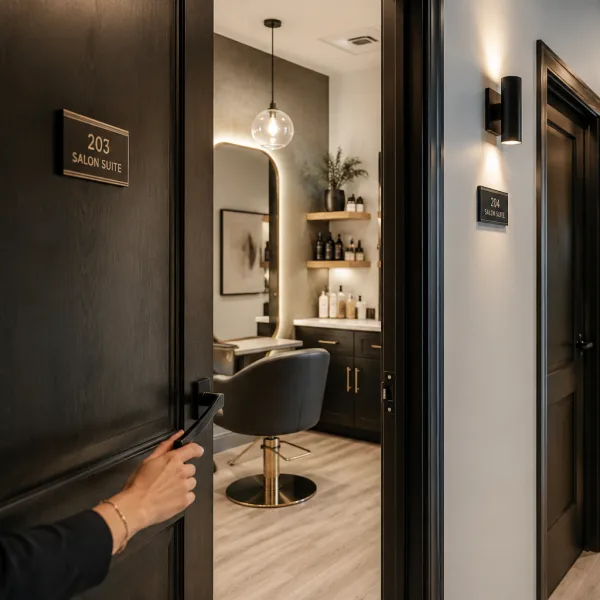
The most successful salon suites balance personality, function, and comfort. Megan Communale of My Salon Suite shares her best advice for designing a space that supports your business goals and leaves a lasting impression on every guest.
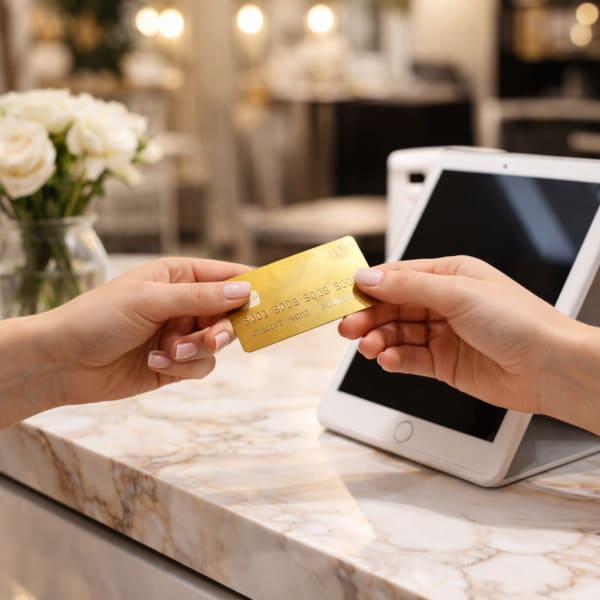
Square data shows that regular customers tip 11% higher and are shared across 32% of businesses in the same ZIP code, driving thousands of dollars in additional revenue per connection.

When Bowie Lau and Jeffrey Ching opened JBW Jeffrey Ching Salon in 2011, they weren’t just launching another luxury hair destination—they were building a business rooted in passion, artistry, and thoughtful growth.
Sponsored by Amex

Inside the Systems That Power an Elevated Salon Experience From seamless online booking to a team-first culture, J Gold Salon in Atlanta offers more than great hair—it delivers consistent, high-touch service with the help of partners like Boulevard and American Express.
Sponsored by Amex

Want to grow your career as a beauty professional? K18 Sales Manager Sabrina Sanborn shares advice on networking, mentorship, and self-advocacy—from attending hair shows to finding the right guidance to reach your goals.

A combination of clear policies, effective communication, and strong client relationships has helped me create a more reliable and efficient booking system.
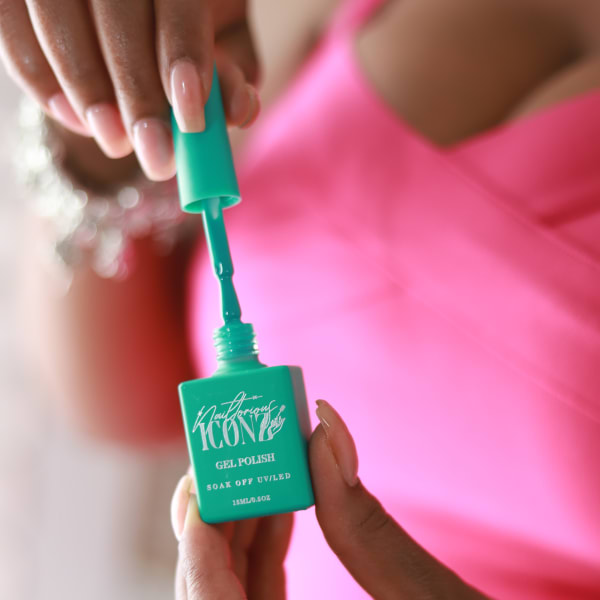
Founded by Cleveland serial entrepreneur Shaura Rodgers, Nailtorious has grown to include a nail supply megastore, training facilities, and retail line for nail techs.

This period after the holidays can bring on a huge lull for hairstylists. We asked Cosmo Prof's team of professionals to offer their best advice on how to deal with the January-February slow period.

Key highlights include a push toward inclusive spaces for all abilities, an emphasis on maximizing livable square footage, and a continued love for modern farmhouse exteriors.

The busy holiday season is here, and with it comes jam-packed days, last-minute client requests and booming retail sales. For many salon owners, the highlight of the season is Small Business Saturday® (SBS). This year on Saturday, November 30, consumers can take their shopping into the small businesses in their communities.
Sponsored by Amex

Want to become savvy about your personal finances, but don't quite know where to start? Anna Manukyan identifies six important concepts for building a strong financial foundation.
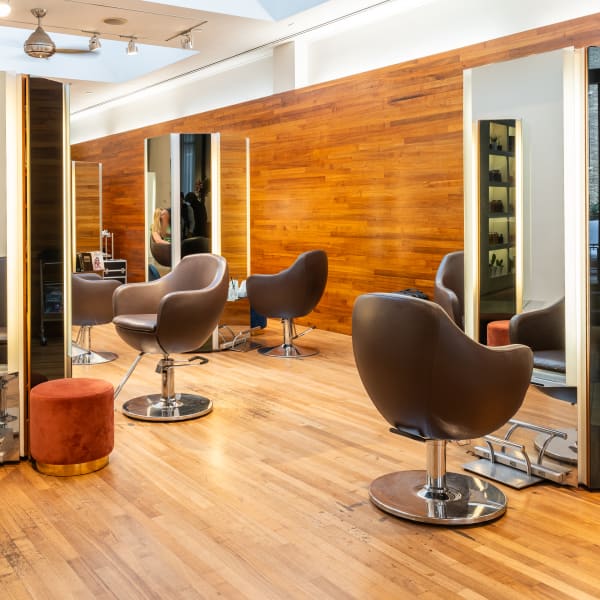
Salon owner Nuri Yurt had a dream of owning a salon on New York City’s Madison Avenue. "Through perseverance, hard work and stellar customer service, he and partner John Kaygisiz founded Toka Salon in 2007.
Sponsored by Amex

This guide is your one-stop shop for a plethora of technology tools, software and services created to keep your salon or spa thriving.

Anna Manukyan shares a breakdown of what different types of financial accounts should be used for.

Vagaro has consistently been at the forefront of salon software technology, helping businesses be more efficient, create more effective communication, and even improve company culture. Now, Connect by Vagaro, the platform’s two-way communication capability, and Vagaro’s new generative AI tools are giving owners new opportunities to grow and expand.
Sponsored by Vagaro

Young Nails' Greg, Habib, and Tracey discuss whether getting too close to clients can damage your business.