






The Beauty Pro Book Club: 4 Reads to Inspire Growth and Success
Four publications for beauty industry professionals to enhance their leadership skills, financial awareness, professional growth, and joy!
by Anne Moratto


 MENU
MENU SEARCH
There’s good news and bad news in this year’s income study: nail technicians’ average weekly income from services dropped by $15, but retail commissions and employment benefits are on the rise.


When NAILS did the nail industry’s first-ever salary survey in 1992, we focused on the ways nail technicians could increase their income. Our study found that nail technicians earn more money if they are licensed and if they continue their education and stay in the business longer. This year’s study goes further and also looks at the non-monetary benefits that nail technicians earn. We found that although nail technicians’ earning power seems to have dropped, many nail technicians are now receiving the same kinds of employer-paid benefits that many workers in the corporate world enjoy. We also discovered that retail commissions, for those who receive them, can add up to substantial extra income.
The survey also showed that monetary considerations are a factor in determining whether you want to be employee or an independent contractor. For many nail professionals, booth rental has meant maximum earning potential. Our study indicates that booth renters do indeed earn more than employees, but employees earn the lion’s share of the benefits.
In analyzing this data, our editors wondered what factors contributed to the drop in income, and what the drop means to the industry as a whole. Of course, the stagnation of service prices, as reported in NAILS 1993 Fact Book, is a big contributor to the downturn. We know from a study now underway by NAILS editors that it is due to a perceived lack of earning power, as well as the struggle to establish a clientele, that many nail technicians leave the business altogether.
So many factors affect income that one should not use these survey figures except as a yardstick to determine whether her income is within the industry average for her experience, age, working situation, and geographic area (among still other factors).
The good news for nail technicians is that although a successful nail career takes time to build, and a weekly paycheck can be subject to booth rental, supply costs, and self-payment for important benefits, a nail career can be rewarding, long-lasting, and profitable.
COMPENSATION STRUCTURE (all respondents)
Percentage of booth renters | 33.5% |
Average weekly booth rental | $83.43 |
Percentage paid on commission | 39.1% |
Average commission | 53.6% |
Average weekly commission amount | $228.01 |
Percentage receiving a salary | 20.4% |
Average weekly salary | $252.17 |
Percentage who accepts tips | 93.8% |
Average weekly tip income | $60.63 |
Percentage who receive retail commission/bonus | 38.6% |
Average retail commission | 18.5% |
Average weekly retail commission amount | $74.95 |
Average monthly salon retail income | $777.51 |
Average number of clients serviced weekly | 30.7 |
Average hours worked/week | 35.1 |
Average amount spent on supplies/month | $136.24 |
Average weekly income (service income only) | $329.92 |
Average hourly rate | $9.79 |
Average income per client | $11.60 |
BENEFITS RECEIVED (all respondents):
Scheduling flexibility | 58.2% |
Discounts on services | 50.3% |
Discounts on products | 45.5% |
Retail commission | 38.6% |
Salon provides products | 35.6% |
Unpaid products | 32.6% |
Free business cards | 29.6% |
Paid vacation | 17.4% |
Birthdays off | 15.9% |
Self-paid medial | 15.2% |
Maternity leave | 14.6% |
Education reimbursement | 11.0% |
Bonuses for sales goals | 8.9% |
Reimbursement for show expenses | 8.2% |
Paid holidays | 7.4% |
Paid time for shows | 7.1% |
Company-paid medical | 5.4% |
Retirement benefits | 3.4% |
Your earning power as a professional nail technician is indicated in more ways than the paycheck you cash each week. Depending on your experience and the salon you work in, your commission ranges anywhere from a high of 75% to a low of 20%. For an industrious professional who does everything she can to bring in new business, there’s a lot of control to be had over your financial situation. The weekly income figures here are for service income only.
The 35-hour work week, which is average for nail technicians, is below the average for corporate America.
Nail technicians can always supplement their income with extras such as tips and retail commissions. 93.8% of nail technicians accept tips, and 36.6% receive retail commissions or bonuses.
Benefits offered by your employer save you money. Although the top benefit offered to nail technicians is scheduling flexibility, 50.3% of our respondents receive discounts on services for themselves, 45.5% receive discounts on supplies, and a lucky few of you are getting paid medical insurance and retirement plans.
COMPARISON OF EMPLOYEES AND BOOTH RENTERS | EMPLOYEES | BOOTH RENTERS |
Average weekly booth rental | N/A | $81.50 |
% receiving commission | 84.9% | 9.4% |
Average weekly commission % | 52.2% | 53.5% |
Average weekly commission amount | $217.00 | $227.59 |
% receiving a salary | 33.5% | 4.7% |
Average weekly salary | $172.96 | $280.38 |
% of technicians who accept tips | 96.3% | 97.3% |
Average weekly tip income | $66.50 | $58.58 |
% receiving bonus or commission on retail | 57.0% | 32.2% |
Average commission percentage on retail | 14.5% | 20.6% |
Average weekly commission amount on retail | $157.16 | $20.62 |
Percentage working at more than one location | 11.0% | 6.0% |
Average hours worked per week | 31.01 | 35.82 |
Average income per hour (service income only) | $8.20 | $9.37 |
Average income per client | $10.34 | $13.98 |
Average weekly income (service income only) | $254.41 | $335.61 |
Booth rental is an employment option exercised by 33.5% of nail technicians. It is an attractive option because it offers flexibility and, most booth renters say, greater financial opportunity. Our study shows that although the average weekly income for booth renters is actually higher than for employees by ($81), employees earn more benefits and work slightly shorter weeks (31 hours compared with 36). The key to deciding which option works best for you is to weigh all the factors and not just look at the bottom line.
In our 1992 compensation study, male nail technicians out-earned female technicians by a few dollars, a point we made with some chagrin. However, this year’s study shows that women, who represent the majority of the nail industry’s practitioners, earn more than men. Interestingly, though, men do average more in tips than women do.
Not surprisingly, and consistent with past studies, wages for nail technicians increase as they move up in skill and title. We’ve said it before, we’ll say it again: The more you learn, the more you earn.
EARNINGS BY CONTINUING EDUCATION
(NUMBER OF CLASSES AND SHOWS ATTENTED PER YEAR)
0-1 show | 2-3 shows | 4-5 shows | 6+ shows | 0-2 classes | 3-5 classes | 6+ classes | |
average hourly income (service income only) | $9.25 | $9.42 | $10.87 | $11.21 | $9.11 | $10.07 | $10.54 |
Average weekly income (excludes retail income) | $307.01 | $336.23 | $438.95 | $494.35 | $305.67 | $361.55 | $444.49 |
The rule holds true in nearly every business: stick around and you’ll begin to see a difference in your paycheck. The survey showed a stair-step of earning ability with every year business (although not necessarily by every year in life: older nail technicians earn slightly less than their younger counterparts).
Four publications for beauty industry professionals to enhance their leadership skills, financial awareness, professional growth, and joy!
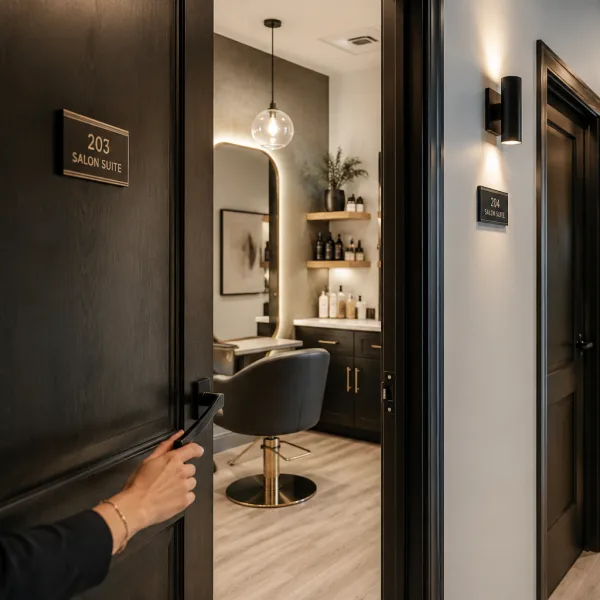
The most successful salon suites balance personality, function, and comfort. Megan Communale of My Salon Suite shares her best advice for designing a space that supports your business goals and leaves a lasting impression on every guest.

Square data shows that regular customers tip 11% higher and are shared across 32% of businesses in the same ZIP code, driving thousands of dollars in additional revenue per connection.

When Bowie Lau and Jeffrey Ching opened JBW Jeffrey Ching Salon in 2011, they weren’t just launching another luxury hair destination—they were building a business rooted in passion, artistry, and thoughtful growth.
Sponsored by Amex

Inside the Systems That Power an Elevated Salon Experience From seamless online booking to a team-first culture, J Gold Salon in Atlanta offers more than great hair—it delivers consistent, high-touch service with the help of partners like Boulevard and American Express.
Sponsored by Amex

Want to grow your career as a beauty professional? K18 Sales Manager Sabrina Sanborn shares advice on networking, mentorship, and self-advocacy—from attending hair shows to finding the right guidance to reach your goals.

A combination of clear policies, effective communication, and strong client relationships has helped me create a more reliable and efficient booking system.
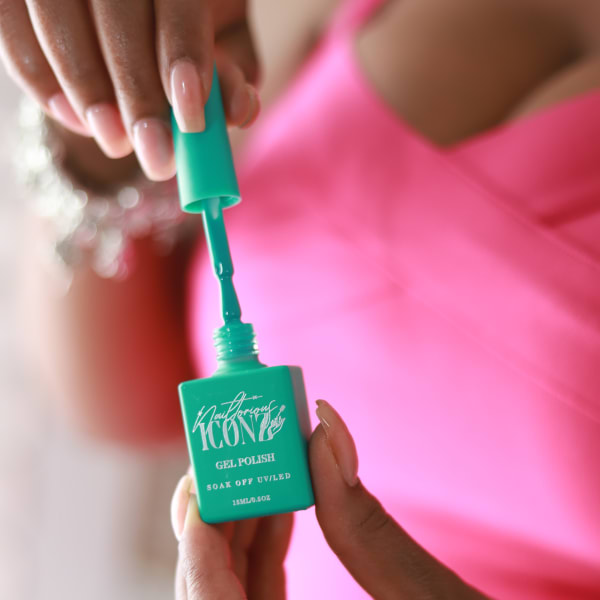
Founded by Cleveland serial entrepreneur Shaura Rodgers, Nailtorious has grown to include a nail supply megastore, training facilities, and retail line for nail techs.

This period after the holidays can bring on a huge lull for hairstylists. We asked Cosmo Prof's team of professionals to offer their best advice on how to deal with the January-February slow period.

Key highlights include a push toward inclusive spaces for all abilities, an emphasis on maximizing livable square footage, and a continued love for modern farmhouse exteriors.

The busy holiday season is here, and with it comes jam-packed days, last-minute client requests and booming retail sales. For many salon owners, the highlight of the season is Small Business Saturday® (SBS). This year on Saturday, November 30, consumers can take their shopping into the small businesses in their communities.
Sponsored by Amex

Want to become savvy about your personal finances, but don't quite know where to start? Anna Manukyan identifies six important concepts for building a strong financial foundation.
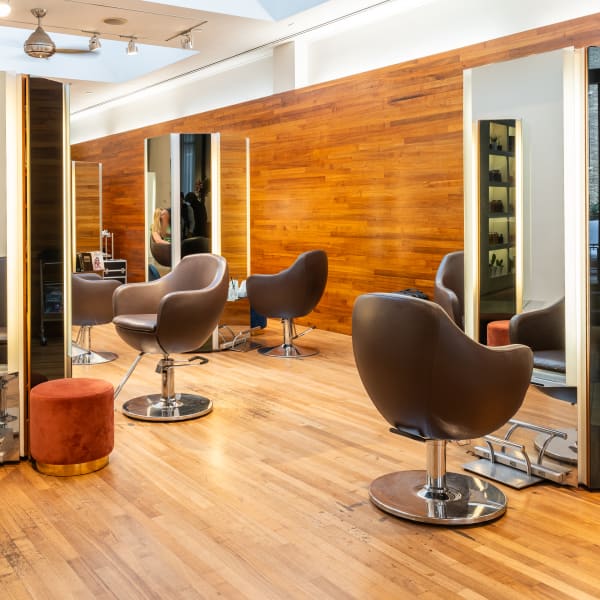
Salon owner Nuri Yurt had a dream of owning a salon on New York City’s Madison Avenue. "Through perseverance, hard work and stellar customer service, he and partner John Kaygisiz founded Toka Salon in 2007.
Sponsored by Amex

This guide is your one-stop shop for a plethora of technology tools, software and services created to keep your salon or spa thriving.

Anna Manukyan shares a breakdown of what different types of financial accounts should be used for.

Vagaro has consistently been at the forefront of salon software technology, helping businesses be more efficient, create more effective communication, and even improve company culture. Now, Connect by Vagaro, the platform’s two-way communication capability, and Vagaro’s new generative AI tools are giving owners new opportunities to grow and expand.
Sponsored by Vagaro

Young Nails' Greg, Habib, and Tracey discuss whether getting too close to clients can damage your business.