




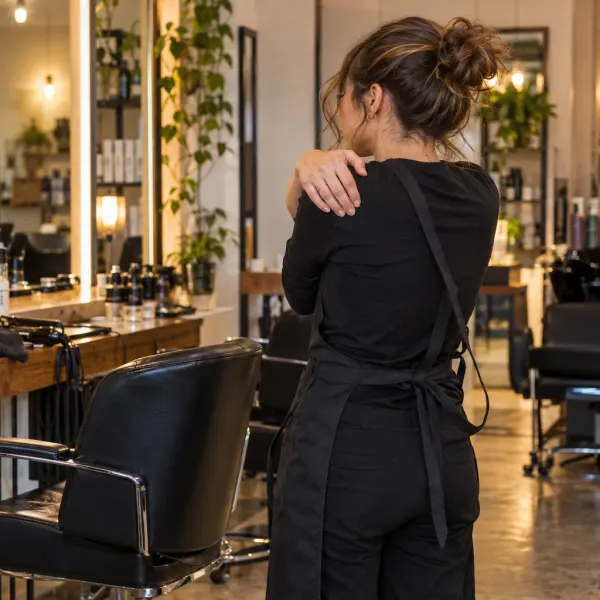
Why Salon Work Makes Your Body Ache & What You Can Do to Feel Better
We learn some simple moves and strategies to keep the blood pumping through the muscles and limit posture problems from The Balanced Beauty Pro
by Anne Moratto


 MENU
MENU SEARCH
Culture Ambassador for Sam Villa, Founder of The Journeyist and mBIT Coach/Trainer Andrew Carruthers discusses easy ways for us to get reacquainted with ourselves.

Andrew Carruthers is a Culture Ambassador for Sam Villa, Founder of The Journeyist, and an mBIT Coach/Trainer.
I’ve coached many hairdressers, salon owners, coaches, and educators over the past 13 years and I’d have to say the most common element we address together is a sense of being disconnected from themselves. I’d guess that most of you are not surprised by this. We live in a world that constantly draws our attention to the external environment and we have chosen a career path that requires that we prioritize others needs for most of our day. Combine this with a busy life that doesn’t seem to leave much space for activities/practices dedicated to ourselves, and we have a pretty obvious formula for that sense of disconnection.
The good news is that we haven’t been truly disconnected, we’ve just been distracted. We can’t actually remove ourselves from our being…it’s always there with us! We have just had our focus diverted to elements outside of us. And to continue the good news, there are simple ways to bring that awareness inward again so that we can feel into our body and once again trust our innate wisdom.
At this point, you may be thinking… “If one more person tells me I need to meditate, I’m gonna freak out.” Well, as much as meditation can have incredible health and mental benefits, many of the ways that people have been taught to meditate just don’t work for a lot of folks out there. So, no I’m not going to tell you to meditate.
The easiest, fastest, and most readily available resource for reconnecting to ourselves is something you are currently already doing unconsciously… breathing! Don’t make this complicated either. Give this a shot right now:
Bring your awareness to your breath by counting how many seconds long your inhale and exhale are. Don’t try to change anything right now just count what is natural. Do this for 5 or 6 breaths.
Now, make your inhale and exhale equal to whatever was longer. So, if your inhale was 3 seconds and the exhale was 4, make both 4 seconds.
If possible, breath in and out through the nose and make the breath as easy and gentle as possible while counting that even pace in and out. Continue for 5 or 6 more breaths like this.
Even after that very short exercise, I’m willing to bet that you feel a bit more present in your body and possibly a bit calmer as well. This is a great example of how quickly the breath works as a tool for connection. The studies show that even after a few minutes of a breathing pattern like this, the nervous system can stay much more settled for an hour or more. And guess what… you just meditated! Single point meditation is simply just drawing awareness to a single element which helps to reign in the busy nature of our human mind.
Ready for one more quick practice?
What if I told you that you had at least 3 brains? Before you write this off as crazy talk, consider the last time you said something like, “My heart is telling me” -or- “I have a gut feeling”? This isn’t just woo-woo fairy dust! Medical research has absolutely proven that we have the same structures in the heart and the lining of the gut that exist in the head brain. You have the same number of neurons in your enteric system (gut) as a cat does in their cephalic brain (head
brain). Mind blown, right?
Try this:
Take about 5 or 6 breaths as we did in the last experiment. Take gentle easy breaths with an even count on the inhale and exhale.
Bring your awareness to the space in your chest that you feel is your “heart center”. For the next few breaths, just keep your focus here and notice any physical sensation that exists.
Because the heart intelligence is around connection, compassion, love, empathy, and values (to name a few) … see if you can generate that feeling in the heart space over the next few breaths.
Notice anything that comes forward for you as you do this without needing to make sense of it. Sometimes people get words, phrases, emotions, or even colors and patterns as they focus on the heart brain.
Next bring awareness deep into your belly and do the same thing. Continue your breathing with an even pace in and out while simply taking notice to the physical sensations in this area.
The gut intelligence is all about safety, sense of truth, sense of self, and motivation. So, can you connect to your recognition of truth, authenticity, or motivation here?
The gut can be quite subtle at first so if this one isn’t as easy to connect to, don’t worry…it will come.
Again, just notice anything that happens as you allow your awareness and curiosity to be directed towards the gut brain.
Typically, as I take people through this for the first time, they notice more of a presence within their body and often a recognition that they have a lot more wisdom inside than they give themselves credit for. We have become very accustomed to looking outside of ourselves for answers/direction. We have also become overly reliant on the head brain as our only internal source of intelligence.
As you just experienced, it doesn’t have to take hours of sitting on a cushion in silence with candles and incense to bring us back to ourselves. A few moments of breathing and checking in with our body’s multiple intelligences can quickly interrupt the distractions of the external world and bring us back into presence with what is true within all of us.
Here is my suggestion… play with this throughout the next week or so. Set a reminder on your phone or watch that reminds you to do a few moments of the balanced breathing exercise and check in with the heart and gut intelligences. Allow it to be easy, quick, and curious! Like many of my clients and those who have gone through my classes, you may create some new habits that keep you more connected to your inner wisdom.
Originally posted on Modern Salon
We learn some simple moves and strategies to keep the blood pumping through the muscles and limit posture problems from The Balanced Beauty Pro
Uncured gel polish and microscopic e-file dust contain active acrylates that penetrate the skin, triggering permanent contact dermatitis. Learn the chemistry behind these irritants and how to protect your clients and yourself.
What actually counts as 'source capture' under nail salon ventilation code, and what doesn't (even if it feels like it should).
Sponsored by Aerovex Systems
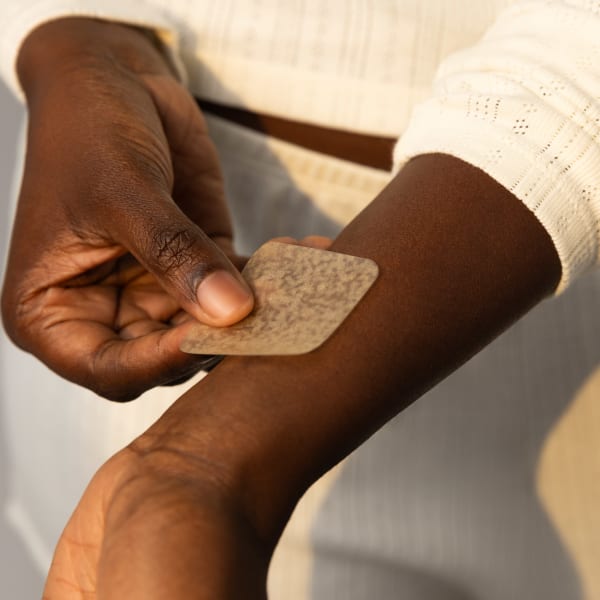
The Good Patch is a leading wearable wellness patch brand, offering wellness and skincare patches that support everyday needs including energy, sleep, relaxation and more.
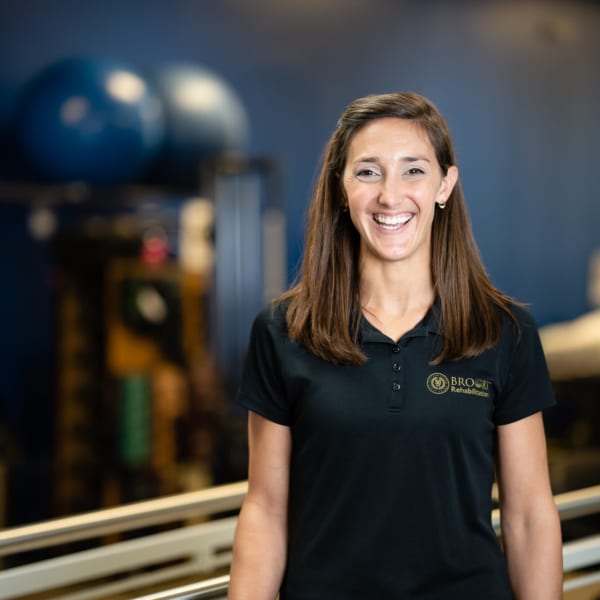
Orthopedic PT reveals three daily exercises plus ergonomic advice that can help salon professionals avoid the aches and injuries caused by standing, bending and repetitive overhead work.

From breaking free of external validation to creating joy-based goals, discover a more sustainable and fulfilling path to success.
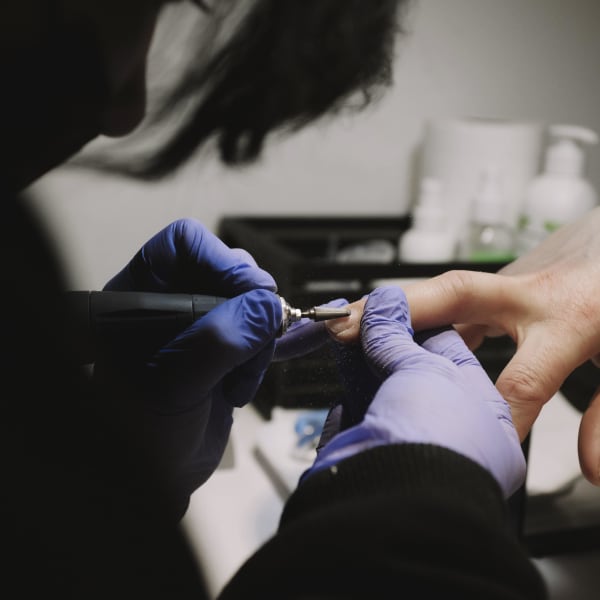
From acrylic monomers to airborne bio-dust, the air inside a nail salon carries risks most professionals never see coming. Aerovex Systems reveals the source-capture and room-purification strategies that are setting a new standard for salon safety.
Sponsored by Aerovex Systems
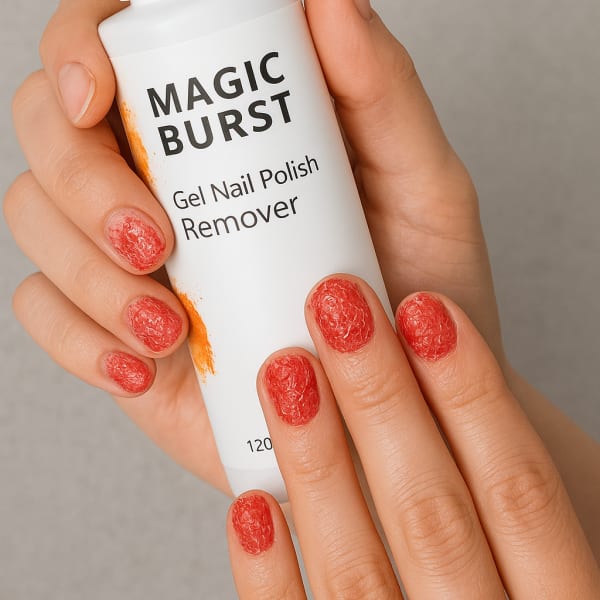
Products marketed as 'magic' or 'burst' gel removers may contain methylene chloride, a federally banned, highly toxic chemical.
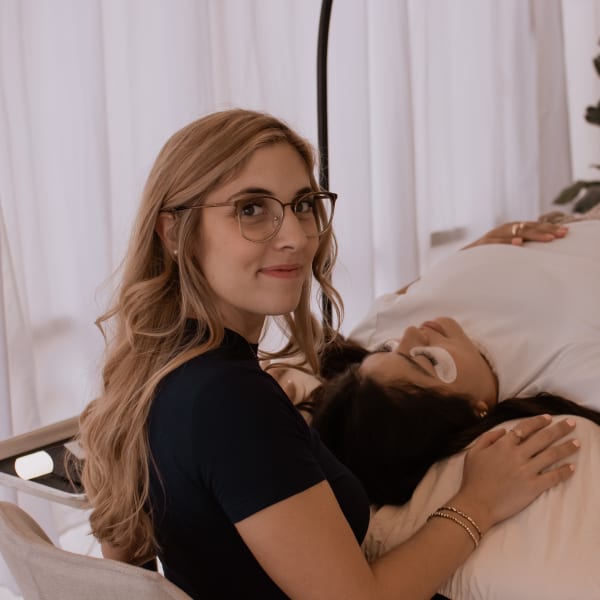
Working in beauty doesn’t have to hurt. Learn how Somatic Movement helps hairstylists, lash artists, and other beauty pros release tension, improve posture, and extend their careers.
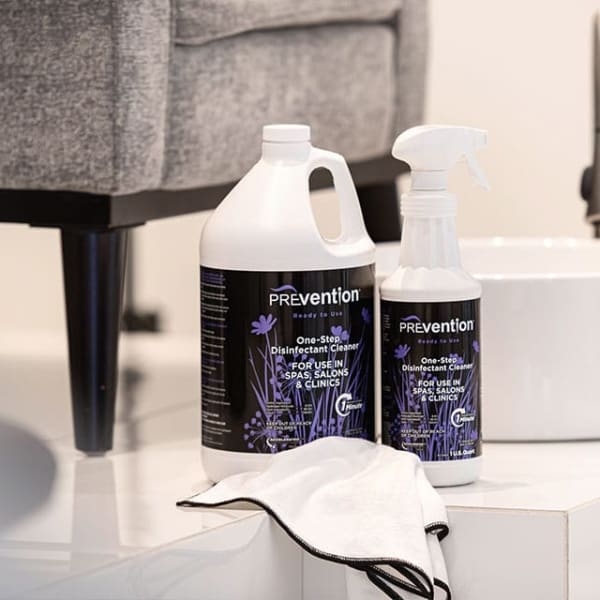
As a spa or salon professional, your clients expect more than just beauty—they expect safety, hygiene, and peace of mind. Fungal infections like Athlete’s Foot and Nail Fungus are more common than you think, especially in environments where tools and footbaths are reused without proper sanitation. This blog covers how to stop these issues before they start, using proven infection prevention strategies for salons and spas.
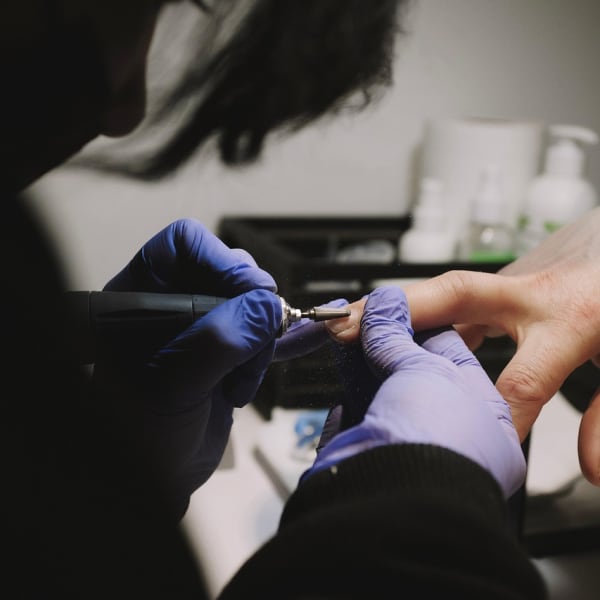
A federal initiative aimed at studying chemical exposure in nail salons has ended due to staffing and budget changes. Here’s what the project set out to do—and what its conclusion means for salon professionals.
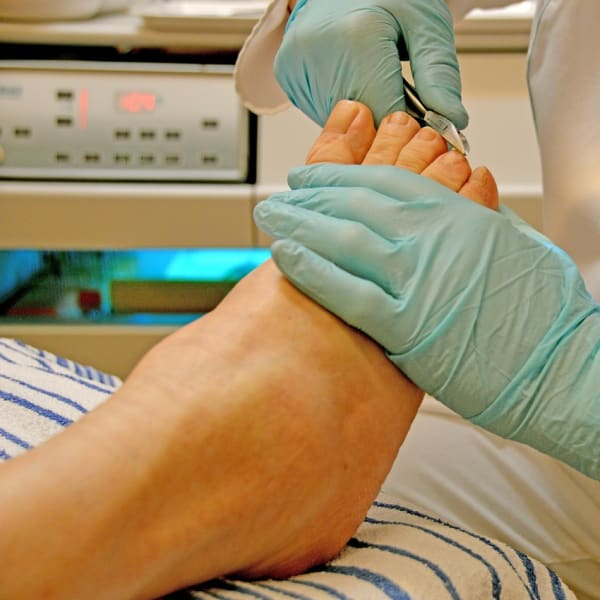
For many people, a pedicure is a relaxing beauty ritual. But what most don’t realize is that this simple service, if done without proper hygiene and sanitation, can cause serious infections and long-term health issues.
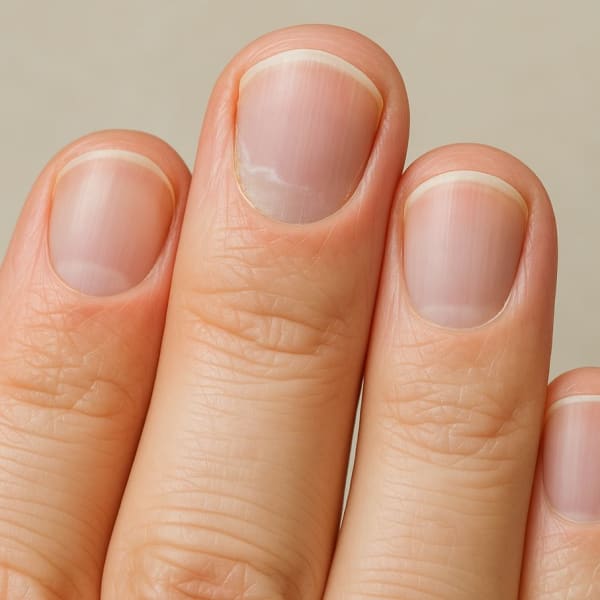
Onycholysis is the separation of the nail plate from the nail bed. While it may look painful, it typically isn’t—at least not at first. But without proper care, this common nail disorder can lead to infections, deformities, and long-term damage.

Mckenzie Kool, Psychologist, MC, RPsych provides us with guidance on what may or not be helpful in speaking with someone who has suffered a significant loss.
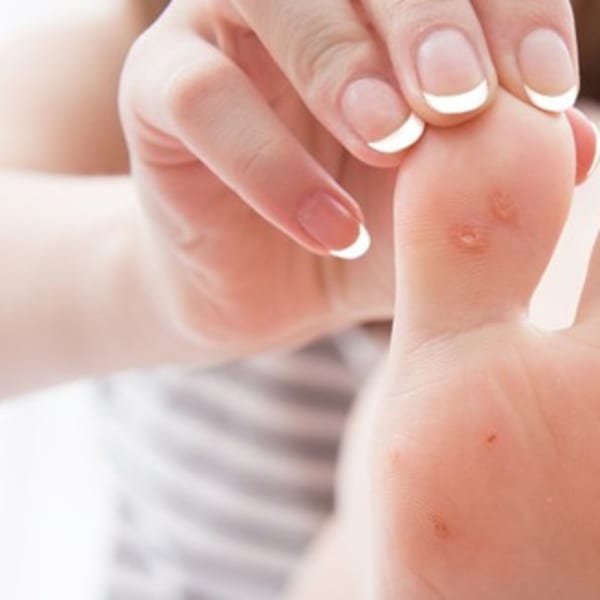
Clients come to you to feel their best—not leave with a viral souvenir. Warts and cold sores can spread fast in busy salons, but a few smart habits make all the difference. Let’s talk about what’s really lurking in your salon (and how to kick it to the curb).

As Earth Day approaches, The Green Beauty Community Foundation and the Green Spa Network invite beauty pros to step forward and embrace sustainability through the Green Pledge--a powerful initiative designed by and for beauty industry leaders.

Don’t cancel Valentine’s Day altogether, urges Jill Palmquist. Instead, think of it as a (frilly, flowery, Champagne-bubbly) wake-up call to fall deeply in love with your own life.