





The Beauty Pro Book Club: 4 Reads to Inspire Growth and Success
Four publications for beauty industry professionals to enhance their leadership skills, financial awareness, professional growth, and joy!
by Anne Moratto

 MENU
MENU SEARCH
Adding makeup to your salon could be a perfect business enhancement. The secret lies in pricing and marketing your new line just right.
Sometimes you do something as an afterthought that turns out in to a preplanned stroke of genius. Such was the case years ago when I decided to offer clients makeup lessons and applications in my salon. This service, combined with an extensive cosmetic retail area, would create another revenue stream; and if it didn’t work, we wouldn’t be out too much money. To say I was pleasantly surprised at the acceptance by clients would be a gross understatement – I was flabbergasted!
This was in 1976 and our average ticket for makeup consultations during the first two weeks came to $115. At eight clients a day, this impacted nicely on our bottom line! Today, makeup is offered as a retail item 34% of all salons that sell retail products, and it is one of the top 10 best-selling retail items according to NAILS 1994 Fact Book. It would be nice to say that I had conducted extensive marketing surveys and had carefully studied reams of data before making the decision to offer makeup in my salon, but the truth is it was more of a casual decision that turned out to be a huge and pleasant surprise.
Our success wasn’t entirely by luck. I had been exposed to the promise of makeup retailing four years before, when the salon I worked for sent me to a wonderful, advanced three-day Redken school that unlocked the mysteries of contouring (in my personal opinion the most valuable “secret” in makeup application) and other bits of valuable knowledge about makeup basics. I came back to the salon full of lofty goals and high expectations for how much money I was going to generate for the salon and myself by starting a makeup retail and consultation center. However, the dream failed to materialize.
The problem was not the top-quality makeup line we used and offered for retail at the salon where I was employed as a hairstylist, nor the superb training I had absorbed. We simply didn’t present the concept in the right way, at least for our market. Looking back through the veil of experience, I see now what our marketing strategy was doomed to failure from the beginning.
What we did was offer makeup lesson for free. We reasoned that we would make our money on the makeup these customers who had given the free lesson would then purchase. For my offering lessons, I was to receive half of the markup which was 50% of the wholesale cost), and then 10% of all other sales.
It didn’t quite work out the way we planned.
Our average ticket was around $7. I would spend an hour on a makeup application and lesson and then pocket the munificent sum of $1.75. Even in 1972 that wasn’t a lot of money.
When I attempted makeup the second time, in my own salon, I decided not to repeat what had been a horrible experience. Win or lose, I made the decision to make a big deal of the service. So we offered our consultations at $35, which the client could then apply toward the purchase of cosmetics.
We hit the jackpot – with essentially the same ingredients as my previous attempt.
A comfortable cosmetics line was offered, as was the basic consultation. The only difference was that we increased the cost. Oh, there was one other difference. Instead of me conducting the consultations, I hired a woman who had never before worked outside of the home and whom the cosmetics company had trained at its own expense. This was a woman who had the slightest professional experience in hair, makeup, or nails. The company we used provided excellent training, but the point is that our technician had no experience in selling or even applying makeup professionally, but was able to be trained quickly and expertly.
BUILDING A RETAIL CENTER OF YOUR OWN
Stacie Halpern, director of aesthetics for Matrix Essentials, offers some advice on pricing a makeup consultation. “We recommend offering makeup consultations as one of the salon’s regular services with an established fee. During the month that makeup is first offered in the salon the service [perhaps an abbreviated session] should be given free to all clients. After that, the salon can charge for the service or offer it free with a minimum cosmetics purchase.”
This is an excellent way to introduce clients to your new service. The price you charge depends on your estimate of your market. In your advertising of your market. In your advertising, you may state that for the first month consultations will be free, as an introduction, and thereafter there will be a charge that can be applied to a purchase.
There are some basic factors you will need to consider. First, how do you determine the space required to house the display and for working? Halpern says, “An attractive and profitable retail center can be set up in a relatively small space. Al that’s needed is a screened-off area large enough for a client stool with back and foot rests, a lighted makeup mirror, and a convenient work surface such as a shelf or a roll-around cart. The salon should also set aside one area for displaying retail products.”
In both my own experiences, we found that very little space is required for an efficient and attractive area. In my own salon, located at the time in a racquetball club, we had a limited area to begin with only 800 square feet, and our makeup area used perhaps 50 square feet of that. If possible, create you makeup areas in a spot that’s highly visible to clients. This will stimulate conversation about the new service and, consequently, will stimulated sales. It is a mistake to hide the makeup center in a closed room, off the general flow of traffic. If that is the only area available, you should consider leaving the door open so clients can see what is going on. If you have client who is reticent about having her face “exposed,” you can close the door for privacy for that client; but I’ve learned that most clients don’t mind in the least. After all, they are in a beauty salon with a bunch of other people with wet hair and perm rods in their hair!
Selecting a cosmetics line is obviously of great importance to your success, it is recommended that you first become an expert on the subject of makeup itself. Comparison shop and read consumer and trade magazines. Get various manufacturers’ literature and study it.
“Ideally,” says Halpern, “a manufacturer should offer a complete, high quality line of fashion cosmetics in a wide range of colors. Check to ensure that the manufacturer supports salon marketing and merchandising programs with seasonal color introductions and ongoing client specials such as gifts-with-purchase and other sales generators. The manufacturer should also offer selling tools such as a color analysis program, attractive displays, posters, and point-of-purchase aids. And, finally, the integrity of the cosmetics line should be supported by a strong anti-diversion policy.”
WANTED: MAKEUP EXPERT AND EFFECTIVE MARKETING
Should you use your present staff or hire a cosmetics sales professional? The answer to this question, Halpern feels, depends on such factors as the size of the salon, the budget available for salary and the salon’s business plan for makeup. She says, “For salons with sufficient traffic, a full-time cosmetics professional has excellent selling skills and can, therefore, be expected to earn her own way. If the salon decides to use present staff, it is important that one person be made responsible for the success of the program including day-to-day sales, promotions, merchandising, and inventory control.”
We might add, as in the case of any skilled position in the salon, that there be someone in training who can take over in the event the primary makeup artist becomes ill or decides to leave your employ.
Moving your clients from nail care to makeup while they are in the salon is crucial to your success. Halpern suggest that there are many ways to achieve this. “After a client has had a manicure, apply the lipstick that matches her nail polish and offer a special price on the lipstick with the purchase of the nail polish. Give a sample packet of foundation when the client has a manicure service or purchase a nail polish. Periodically offer a makeup consultation free when the client has a manicure. Give a free eye shadow or mascara when a client has both a manicure and a pedicure.”
What are the average tickets you can expect, competing with department stores? Again, this depends on how well you market and how good your sales strategy is, but I think salons can expect to sell the client two to three products for a retail ticket of $35.
Again, this is an average based on national figures. Your own salon may be able to greatly exceed this figure, as ours did way back in the 1970s.
Our personal experience was that once we highlighted the service, client acceptance skyrocketed. When the salon treated it with respect, our clients did likewise.
What many of us may not realize is that we know more about makeup that the average woman, just on the basis of our cosmetology school training. Add to that the education and training a quality professional makeup manufacturer provides, and you or the person you select to be the makeup artist has infinitely more knowledge than most, if not all of your clientele.
And many, many clients are looking for help with their makeup. Just check out the makeup counter at your local department stores, or the places in the mall that specialize in makeup and nearly always there are customers either getting makeup consultations or purchasing products.
One of the great things about makeup is that it is a market very similar to nails. The fashion are always changing, creating new markets and marketing opportunities. It is an exciting field.
Marketing ideas abound. If a client tells you her family has an appointment to get a family photo, offer to do the entire family has an appointment to get a family photo, offer to do the entire family’s makeup prior to the shoot. Special occasions such as proms offer unique marketing opportunities. You could even contact local photography studios and inform them of your services for their clients.
However you approach your makeup venture, keep in mind that as in any other fashion field, the “times they are a’changin” as crooner Bob Dylan says, and you will need to seek out and learn new idea and techniques as they appear. With quality education and a quality product, your success in makeup is on the horizon.
Four publications for beauty industry professionals to enhance their leadership skills, financial awareness, professional growth, and joy!
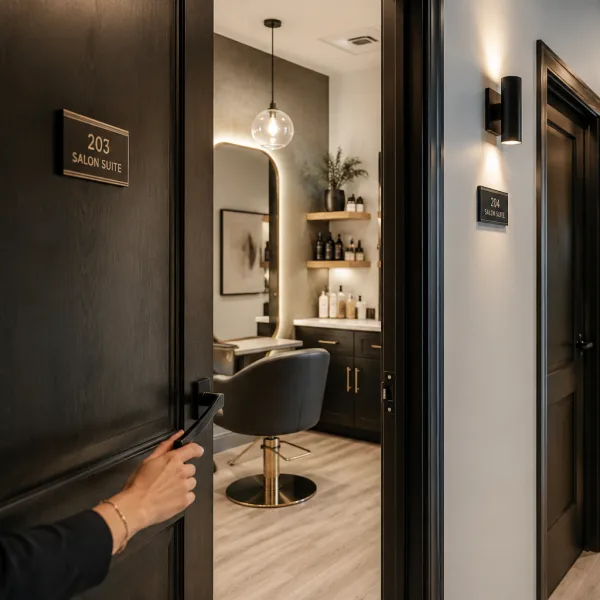
The most successful salon suites balance personality, function, and comfort. Megan Communale of My Salon Suite shares her best advice for designing a space that supports your business goals and leaves a lasting impression on every guest.
Square data shows that regular customers tip 11% higher and are shared across 32% of businesses in the same ZIP code, driving thousands of dollars in additional revenue per connection.
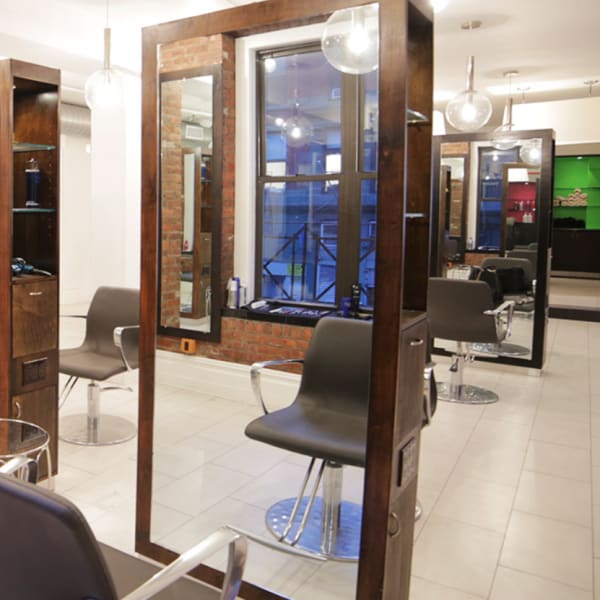
When Bowie Lau and Jeffrey Ching opened JBW Jeffrey Ching Salon in 2011, they weren’t just launching another luxury hair destination—they were building a business rooted in passion, artistry, and thoughtful growth.
Sponsored by Amex
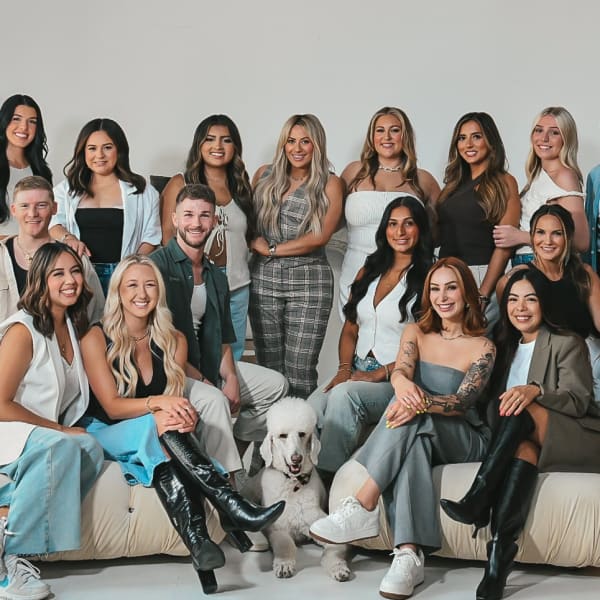
Inside the Systems That Power an Elevated Salon Experience From seamless online booking to a team-first culture, J Gold Salon in Atlanta offers more than great hair—it delivers consistent, high-touch service with the help of partners like Boulevard and American Express.
Sponsored by Amex

Want to grow your career as a beauty professional? K18 Sales Manager Sabrina Sanborn shares advice on networking, mentorship, and self-advocacy—from attending hair shows to finding the right guidance to reach your goals.

A combination of clear policies, effective communication, and strong client relationships has helped me create a more reliable and efficient booking system.
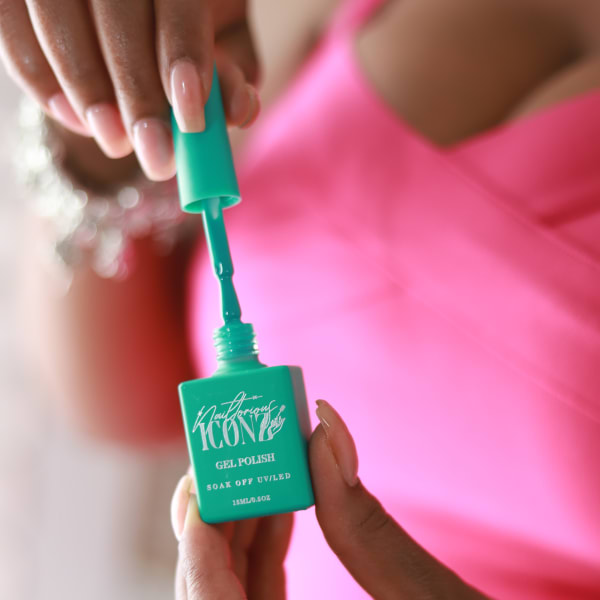
Founded by Cleveland serial entrepreneur Shaura Rodgers, Nailtorious has grown to include a nail supply megastore, training facilities, and retail line for nail techs.

This period after the holidays can bring on a huge lull for hairstylists. We asked Cosmo Prof's team of professionals to offer their best advice on how to deal with the January-February slow period.

Key highlights include a push toward inclusive spaces for all abilities, an emphasis on maximizing livable square footage, and a continued love for modern farmhouse exteriors.
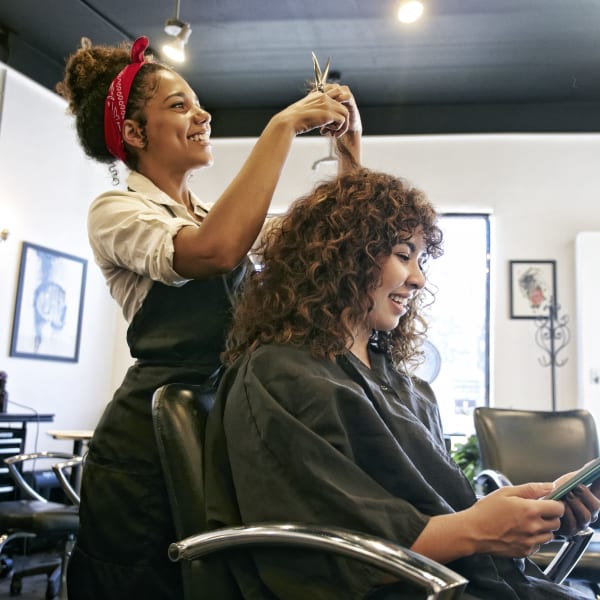
The busy holiday season is here, and with it comes jam-packed days, last-minute client requests and booming retail sales. For many salon owners, the highlight of the season is Small Business Saturday® (SBS). This year on Saturday, November 30, consumers can take their shopping into the small businesses in their communities.
Sponsored by Amex
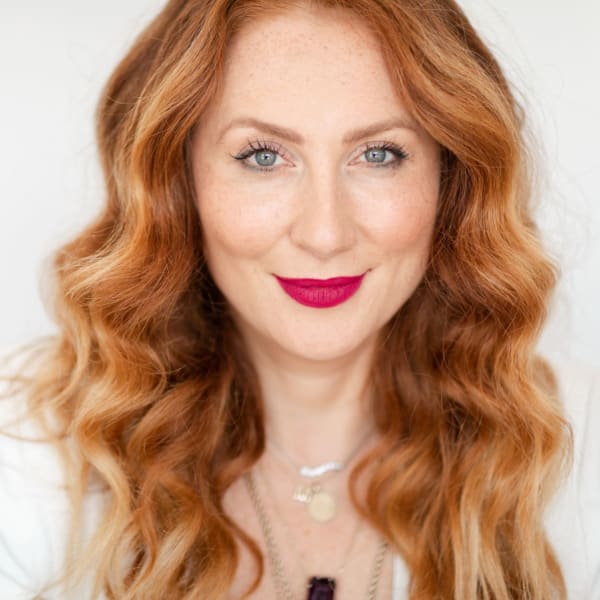
Want to become savvy about your personal finances, but don't quite know where to start? Anna Manukyan identifies six important concepts for building a strong financial foundation.
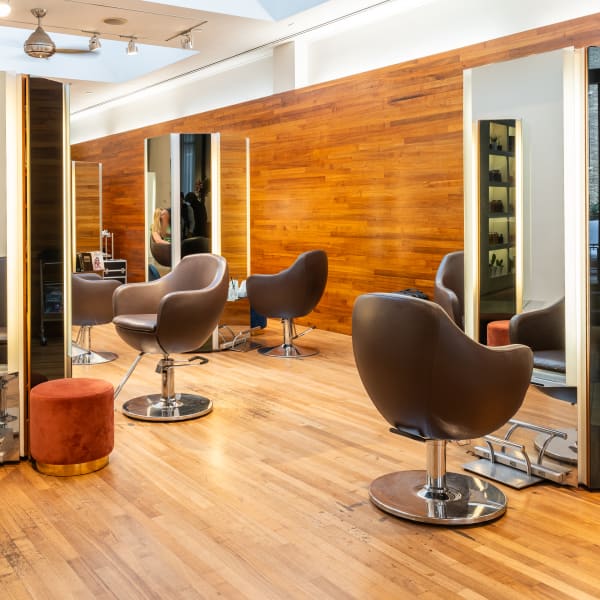
Salon owner Nuri Yurt had a dream of owning a salon on New York City’s Madison Avenue. "Through perseverance, hard work and stellar customer service, he and partner John Kaygisiz founded Toka Salon in 2007.
Sponsored by Amex

This guide is your one-stop shop for a plethora of technology tools, software and services created to keep your salon or spa thriving.
Anna Manukyan shares a breakdown of what different types of financial accounts should be used for.

Vagaro has consistently been at the forefront of salon software technology, helping businesses be more efficient, create more effective communication, and even improve company culture. Now, Connect by Vagaro, the platform’s two-way communication capability, and Vagaro’s new generative AI tools are giving owners new opportunities to grow and expand.
Sponsored by Vagaro

Young Nails' Greg, Habib, and Tracey discuss whether getting too close to clients can damage your business.