




The Beauty Pro Book Club: 4 Reads to Inspire Growth and Success
Four publications for beauty industry professionals to enhance their leadership skills, financial awareness, professional growth, and joy!
by Anne Moratto

 MENU
MENU SEARCH
Piercing and tattooing are all the rage with the hip members of Generation X and the practices are gaining wider acceptance with the suit-and-tie set. Should salon owners get in on the act?
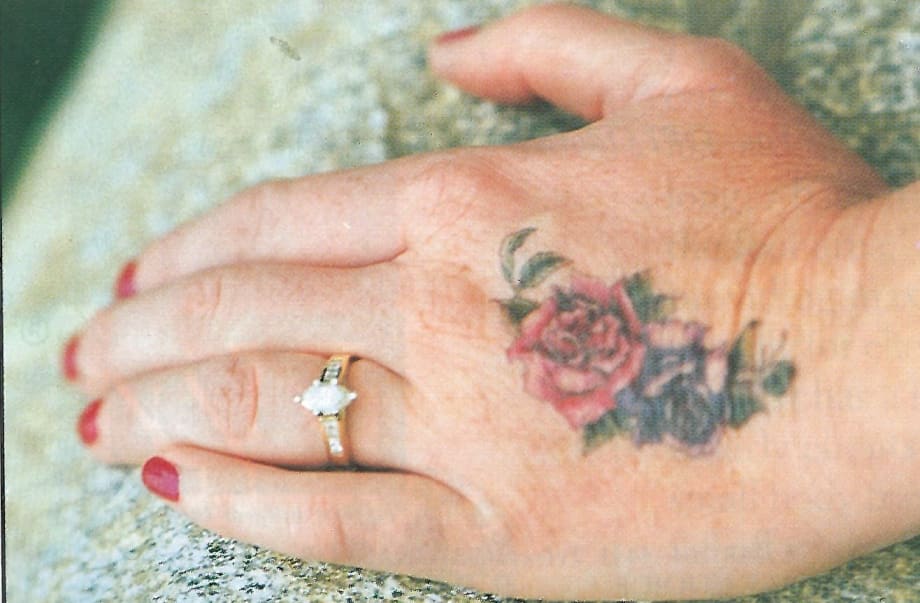
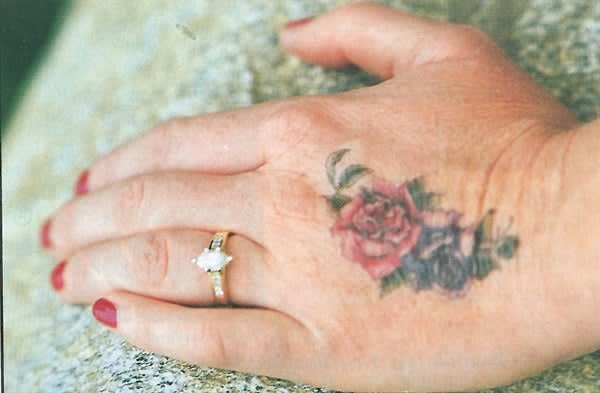
From the gym to the dance floor, trendy folks are sporting piercings---and not just on the earlobe--- and tattoos. Some call this activity body art; some call it self-mutilation. Whatever your term, what is behind this new trend? Is it a spiritual outlet, a cult ritual, a desire to shock or provoke others, a return to tribalism or primitivism, or a form of pain as therapy (or pain as pleasure, as many practitioners assert)? Or is it merely another trend, whose followers mimic fashion models, rock stars, and alternative cultures?
Whatever the reason, business is growing for tattoo artists, professional body piercers, and temporary tattoo manufacturers. Styles of tattoos and piercings vary widely. Some people want simple ear piercings, others want nose rings, navel rings, even bones or pieces of wood pierced through the skin. Some tattoos are biker style; others look like body art or body painting. Still others mimic a primitive or “aboriginal” look.
Getting into Piercing
Don’t start piercing anything until you’ve checked on your state board’s licensing requirements and had sufficient training. You need to purchase high-quality equipment and practice, practice, practice, because if done improperly, body piercing can be dangerous.
Gauntlet, a Los Angeles-based national chain of body piercing studios, provides training for body piercing. A company representative says that training in body piercing takes from six to nine months, eight hours a day. You must purchase an autoclave sterilizing unit in addition to the piercing tools, and you need to learn basic human anatomy and first aid.
Mall jewelry stores that do piercing agree there’s a risk when you incorrectly perform body piercing. These stores don’t pierce any area but the lobe of the ear, and they never pierce cartilage. They generally use a piercing gun (a method scorned by experienced body piercers). For piercing the more sensitive areas of the body, reputable body piercers will direct customers to have a doctor perform the piercing. Piercing parlors can be found at swap meets, boardwalks, and rock concerts. But since the practice is unlicensed in most states, it’s up to the customer to check out the practitioner and assure herself all safety and sanitation procedures are followed.
Tattooing: Cosmetic and Paramedical
Some states have no licensing requirement for tattooing; others, California for instance, require a tattooing license. In some states, such as New York, the practice is outlawed. New Jersey and Florida allow tattooing only if it is performed under the guidance of a physician. A license to tattoo, in states that require a license, allows practitioners to do permanent makeup as well. For instance, in Texas a tattoo license is called a derma pigmentation license and allows practitioners to do tattoos and permanent makeup.
Letti Lynn, national certification chairperson for the Aestheticians International Association (Dallas, Texas), says the association provides certification for derma pigmentation (known as permanent cosmetics).
Lynn stresses that the most important thing tattooing students need to know is how to use the equipment properly and how to sterilize it. For instance, just because a needle on a pigment suction machine is disposable doesn’t mean the machine is totally sanitary. “The needle is disposable, but the machine sucks up blood past the needle,” says Lynn.
Surprisingly, tattooing and scarification(intentional scarring of the skin) are performed more often for legitimate paramedical purposes than for frivolous or purely cosmetic purposes. Says Lynn, “Permanent cosmeticians will make an additional scar on face-lift patients so that you only see what looks like a hairline instead of a face-lift scar. Or we will scar the breast to make it look like it has a normal nipple.”
If you are interested in taking up cosmetic tattooing or body piercing, first find out your state’s licensing requirements: then read up on the subject as much as possible and talk to as many professionals as you can. Piercing Fans International Quarterly is a trade magazine that reviews various piercing methods: Modern Primitives: Tattoos, Piercing, Sacrification is a book that details a historical perspective on body modification.
Temporary Tattoos: More Variety than Ever Before
Put off by tattooing and piercing? How about temporary tattoos? No longer the messy jobs found in Cracker Jack boxes, some temporary tattoos look very much like the real thing. Some companies make tattoo designs that look nothing like a tattoo, but more like body painting. And some companies provide temporary tattooing kits that include stencils and body paints so you can exercise your artistic skills for a custom design.
Many people want the radical look a tattoo can give, but don’t want to commit to the permanent of a real tattoo. Or they want to see how they’d look with a tattoo before they commit to a real one. Barbra Streisand, Naomi Campbell, Sigourney Weaver and Winona Ryder have all been seen wearing temporary tattoos. These tattoos have been mentioned in People and Mademoiselle.
Tattoos generally fall into categories of styles: biker(these look like real tattoos), oriental (flowers, butterflies, hearts, and cupids primitive ( Celtic aboriginal designs) , and ornamental (jewelry and novelty).
Milk & Honey Temporary Tattoos makes temporary tattoos that look like the real thing. These are available at outlets, including Salt Beauty Supply, Liberty House stores and Spencer Gifts or you can call the company for a color catalog and samples. Jerome Ruth sell Cosmetics and Le Max World make upbeat, nonthreatening tattoos (heart, cupids, rose, and butterflies). Le Max’s tattoos have gold-leaf accents.
J’attoo, a Los Angeles-area temporary tattoo company, makes ornamental tattoos. Designed by makeup artists and costume designers, the company’s tattoos have been won on fashion showroom floors and sold at Macy’s, Bullocks, Nordstrom, and Fred Segal. Designed to be a fashion accessory, the decals are highly wrought, intricate, interesting, and even humorous. One of Játtoo’s decals looks like a zipper. Another looks like a daisy chain. The company also makes tattoos that resemble jewelry and watches. For $5, the company will send a sample selection of decals with instructions.
Tattoos can make an interesting add-on service to a natural manicure: You can apply a small daisy to the ring finger or a chain of daisies around the wrist. Packets of transfer tattoos come four or five to a sheet and retail for $3-$5 a sheet. The tattoos are applied with water or alcohol. The emblems last from two to six days and are removed with baby oil or alcohol.
Temptu Marketing provides kits for paint-on tattoos. These allow more variety and a wider range of styles and colors, and let you use your creative skills. For $50 you get a “starter salon special” that includes body paint, setting talc, stencils, and detailed instructions for basic designs. For those who have experience in painting, such as nail artists, the company recommends the “full professional setup,” which costs more but includes file systems, flash cards, a Lucite workstation, glitter, and six assortments of stencil transfers, each containing 50-150 designs.
Four publications for beauty industry professionals to enhance their leadership skills, financial awareness, professional growth, and joy!
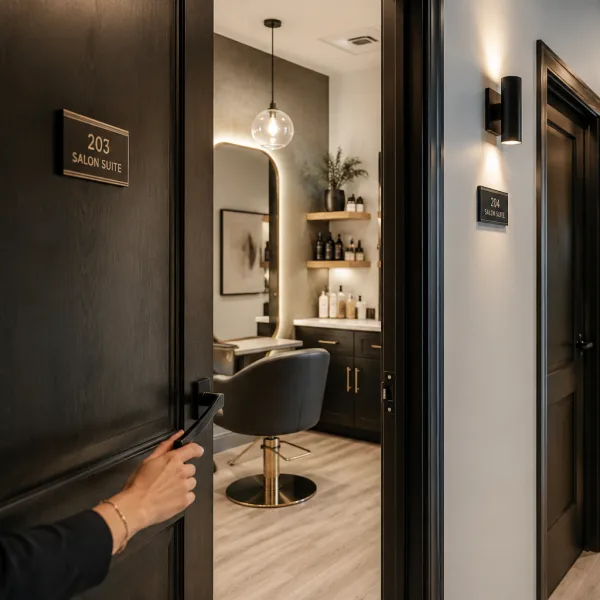
The most successful salon suites balance personality, function, and comfort. Megan Communale of My Salon Suite shares her best advice for designing a space that supports your business goals and leaves a lasting impression on every guest.
Square data shows that regular customers tip 11% higher and are shared across 32% of businesses in the same ZIP code, driving thousands of dollars in additional revenue per connection.
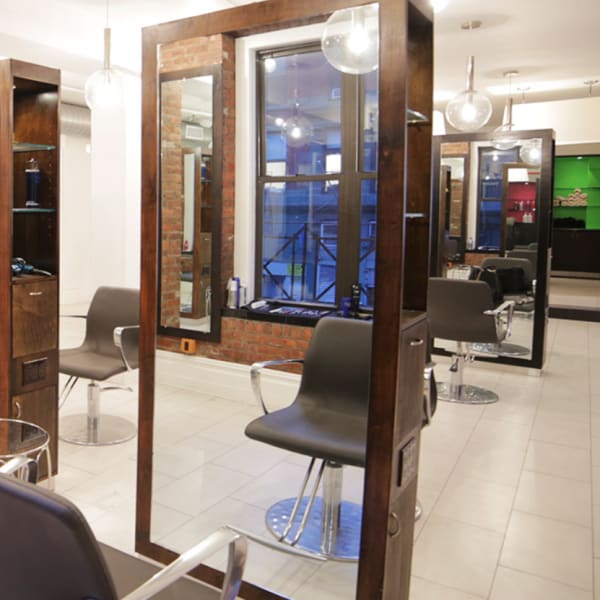
When Bowie Lau and Jeffrey Ching opened JBW Jeffrey Ching Salon in 2011, they weren’t just launching another luxury hair destination—they were building a business rooted in passion, artistry, and thoughtful growth.
Sponsored by Amex
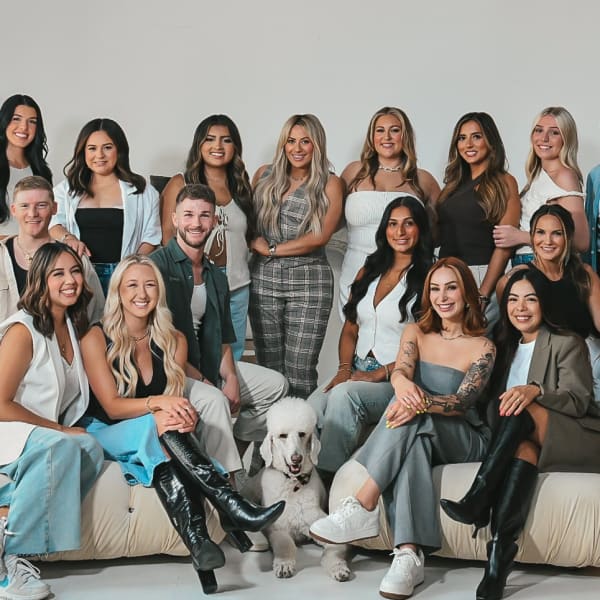
Inside the Systems That Power an Elevated Salon Experience From seamless online booking to a team-first culture, J Gold Salon in Atlanta offers more than great hair—it delivers consistent, high-touch service with the help of partners like Boulevard and American Express.
Sponsored by Amex

Want to grow your career as a beauty professional? K18 Sales Manager Sabrina Sanborn shares advice on networking, mentorship, and self-advocacy—from attending hair shows to finding the right guidance to reach your goals.
A combination of clear policies, effective communication, and strong client relationships has helped me create a more reliable and efficient booking system.
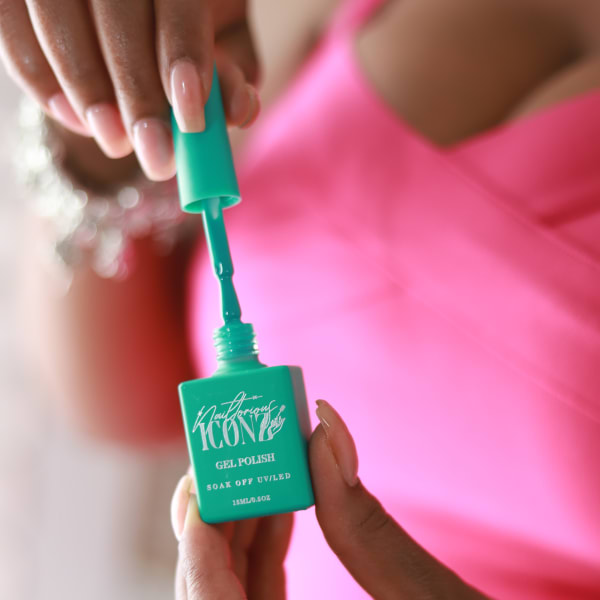
Founded by Cleveland serial entrepreneur Shaura Rodgers, Nailtorious has grown to include a nail supply megastore, training facilities, and retail line for nail techs.
This period after the holidays can bring on a huge lull for hairstylists. We asked Cosmo Prof's team of professionals to offer their best advice on how to deal with the January-February slow period.

Key highlights include a push toward inclusive spaces for all abilities, an emphasis on maximizing livable square footage, and a continued love for modern farmhouse exteriors.
The busy holiday season is here, and with it comes jam-packed days, last-minute client requests and booming retail sales. For many salon owners, the highlight of the season is Small Business Saturday® (SBS). This year on Saturday, November 30, consumers can take their shopping into the small businesses in their communities.
Sponsored by Amex

Want to become savvy about your personal finances, but don't quite know where to start? Anna Manukyan identifies six important concepts for building a strong financial foundation.
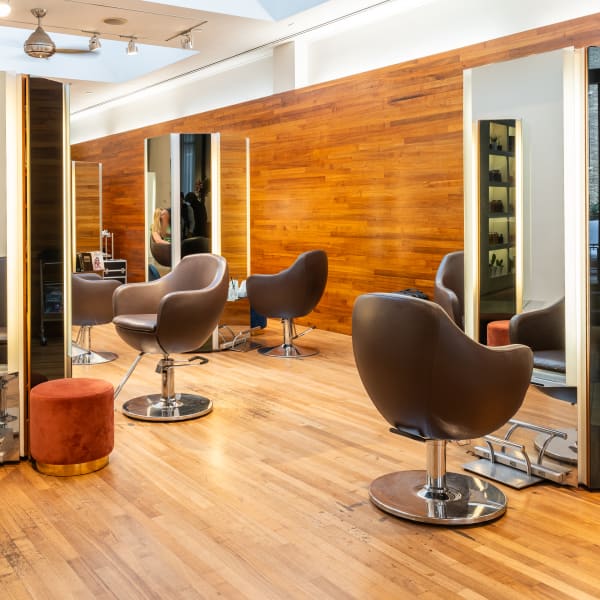
Salon owner Nuri Yurt had a dream of owning a salon on New York City’s Madison Avenue. "Through perseverance, hard work and stellar customer service, he and partner John Kaygisiz founded Toka Salon in 2007.
Sponsored by Amex

This guide is your one-stop shop for a plethora of technology tools, software and services created to keep your salon or spa thriving.
Anna Manukyan shares a breakdown of what different types of financial accounts should be used for.

Vagaro has consistently been at the forefront of salon software technology, helping businesses be more efficient, create more effective communication, and even improve company culture. Now, Connect by Vagaro, the platform’s two-way communication capability, and Vagaro’s new generative AI tools are giving owners new opportunities to grow and expand.
Sponsored by Vagaro
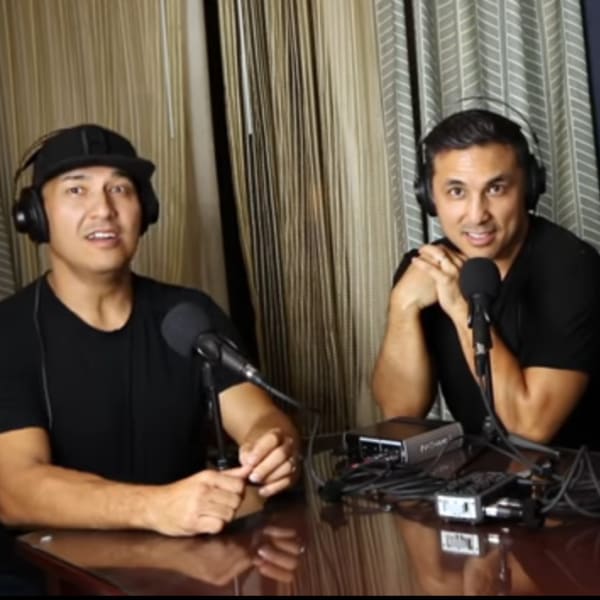
Young Nails' Greg, Habib, and Tracey discuss whether getting too close to clients can damage your business.