





The Beauty Pro Book Club: 4 Reads to Inspire Growth and Success
Four publications for beauty industry professionals to enhance their leadership skills, financial awareness, professional growth, and joy!
by Anne Moratto


 MENU
MENU SEARCH
Master stylist and Sam Villa Artistic Team Member Jesse Linares shares habits he wishes he had started at the beginning of his career.

Jesse Linares is a master stylist and a member of the Sam Villa Artistic Team.
Anyone who’s done hair for a long time will have stories to tell and wisdom to share. Each year we experience refines our approach, techniques, and expectations - the stylist we were at the beginning is not who we are today!
For myself, wisdom has been hard learned. After nineteen years at the chair, most of my best salon practices are the result of a previous disaster that firmly demonstrated to me a NEED for change. Insofar as I have experienced success as a hairdresser, I have also endured crushing defeats that cost me money, clients, or opportunity (sometimes all at once!). I’m kind of a slow learner (lol). Over time, however, I have learned that a successful day in the salon is largely about managing risk, maximizing our effectiveness, and appearing professional whenever possible. It’s about handling matters before they become “issues,” thereby enabling us to give our complete focus to the guest and the experience we’re providing. The following advice is what I call my “greatest hits” - lessons I’ve learned the hard way (repeatedly).
Arriving 15-30 minutes prior to your shift gives you ample time to forecast your day, check inventory, and clean your workstation. For those of us who can’t arrive early, these things can also be done at the end of the day’s shift in preparation for the next. It’s beneficial to check salon color and retail inventory before zero hour. Discovering that an essential color is unavailable in the moment we’re mixing is never fun. Finding out we’re out of the hairspray we just convinced our guest to buy can be embarrassing - as we fumble for something else to recommend. Being aware in advance of inventory shortages can save us in the moment - it allows time for color reformulation, or to find an alternate product for that guest who needs it today.
It’s proven that feeling prepared reduces stress and the sense of distraction at work. When working with chemicals, hot tools, and sharp objects on peoples’ heads, being focused matters!
It’s said you can know a worker by their tools. Having a clean, organized workstation and tools is a MUST in today’s salon environment. People are rightly sensitive about cleanliness and sanitation protocols, especially around cold and flu season. Regardless, it just looks professional to be tidy and to have a workspace and equipment that are sanitized and presentable. As the old axiom says: In the salon, we never know who’s looking.
It’s also responsible to have all your own tools; it pays to be ready for anything without having to borrow someone else’s equipment. The borrower seems unprepared in the moment, and the lender must worry about their gear. Having backup equipment, especially shears, is critical. If a shear is not performing, or has been dropped, it should not be used again until it is maintained by a trustworthy sharpener (this usually means the manufacturer). Any damage to the blade will be exacerbated by continued use, so it’s necessary to have spare scissors to use while the other is repaired.
Every job stresses the body in some way. Doing hair creates unique challenges for the body that often result in repetitive stress injuries over time. While it may seem impossible to cram anything further to think about into the salon day, good posture, exercise, and ergonomics should be considered. Improper posture at the chair can overwork the neck, shoulders, and back - accelerating arthritis and disc degeneration. How we position ourselves (as well as how we position our guests) can extend our career. Or shorten it.
On top of regular exercise, it never hurts to see a physical therapist from time to time. These doctors specialize in movement, and they can aid in identifying the source of pain (it’s not always where it hurts!) and recommend exercises to solve specific issues.
It can be difficult to make the decision to change your salon schedule or to increase pricing - and when to do it. Business model schematics and metrics can be overwhelming, and their predictions sometimes just don’t seem to fit in our world. There are many methods for analyzing our work on paper; it’s hard to know which is best. Viewing one’s work performed as a “tangible good” can eliminate a lot of confusion. Tangible goods are subject to rules of supply and demand, meaning, when an object (or, in our case, TIME) is in short supply, its price often increases. If we apply this simple rule to our work, the decision when to make changes becomes easier. What a hairdresser truly sells is TIME. When that time is all taken up - and there is none to be offered - a schedule change or price increase becomes necessary to disrupt the process. This will hopefully cause us to lose some guests which gives us back time to offer, and the cycle begins again.
Regardless of our experience, training, or expertise, our salon schedule speaks for itself. Filling the time we offer at work is the best way to handle most issues stylists say they experience on the job: boredom, anxiety, gossip, personality conflicts, etc.…
When our books are full for weeks, and guests are upset with us because they can’t get a reservation, there is little time for such worries.
Originally posted on Modern Salon
Four publications for beauty industry professionals to enhance their leadership skills, financial awareness, professional growth, and joy!
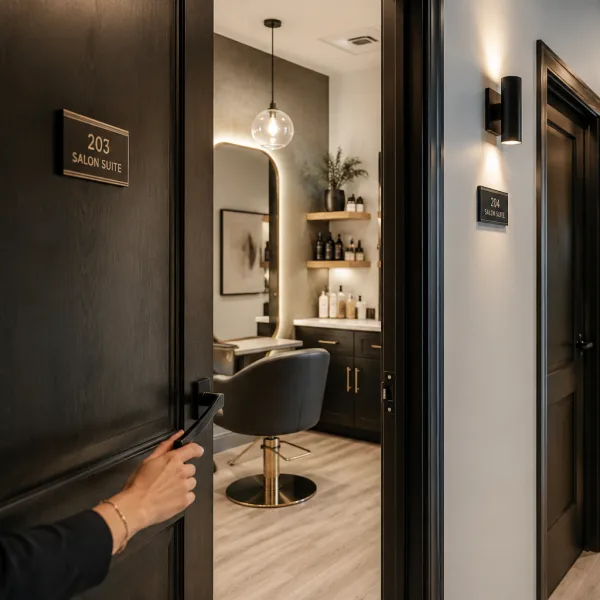
The most successful salon suites balance personality, function, and comfort. Megan Communale of My Salon Suite shares her best advice for designing a space that supports your business goals and leaves a lasting impression on every guest.
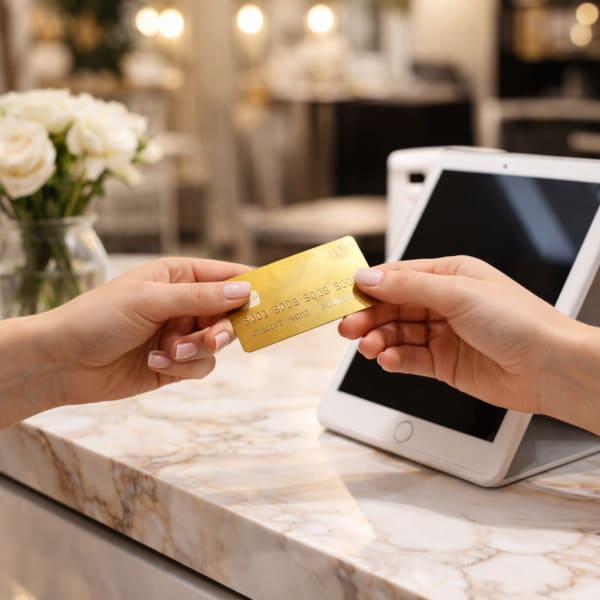
Square data shows that regular customers tip 11% higher and are shared across 32% of businesses in the same ZIP code, driving thousands of dollars in additional revenue per connection.
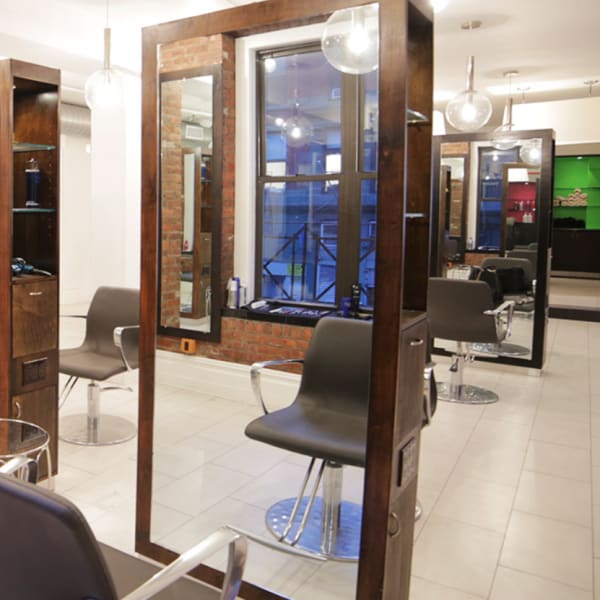
When Bowie Lau and Jeffrey Ching opened JBW Jeffrey Ching Salon in 2011, they weren’t just launching another luxury hair destination—they were building a business rooted in passion, artistry, and thoughtful growth.
Sponsored by Amex

Inside the Systems That Power an Elevated Salon Experience From seamless online booking to a team-first culture, J Gold Salon in Atlanta offers more than great hair—it delivers consistent, high-touch service with the help of partners like Boulevard and American Express.
Sponsored by Amex

Want to grow your career as a beauty professional? K18 Sales Manager Sabrina Sanborn shares advice on networking, mentorship, and self-advocacy—from attending hair shows to finding the right guidance to reach your goals.

A combination of clear policies, effective communication, and strong client relationships has helped me create a more reliable and efficient booking system.
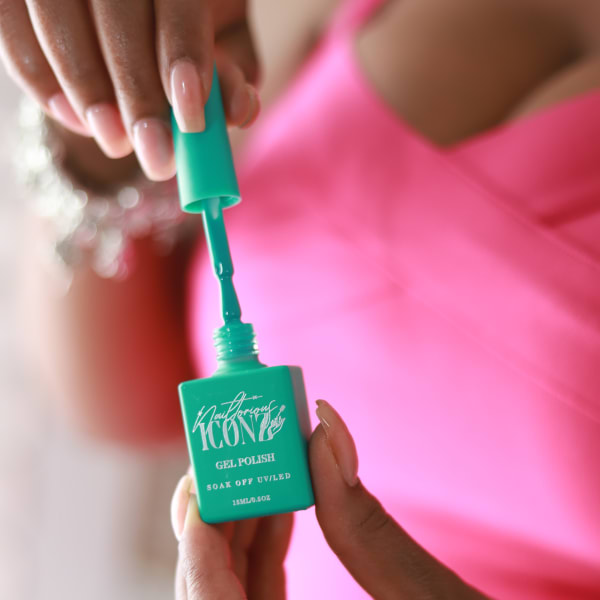
Founded by Cleveland serial entrepreneur Shaura Rodgers, Nailtorious has grown to include a nail supply megastore, training facilities, and retail line for nail techs.

This period after the holidays can bring on a huge lull for hairstylists. We asked Cosmo Prof's team of professionals to offer their best advice on how to deal with the January-February slow period.

Key highlights include a push toward inclusive spaces for all abilities, an emphasis on maximizing livable square footage, and a continued love for modern farmhouse exteriors.

The busy holiday season is here, and with it comes jam-packed days, last-minute client requests and booming retail sales. For many salon owners, the highlight of the season is Small Business Saturday® (SBS). This year on Saturday, November 30, consumers can take their shopping into the small businesses in their communities.
Sponsored by Amex

Want to become savvy about your personal finances, but don't quite know where to start? Anna Manukyan identifies six important concepts for building a strong financial foundation.
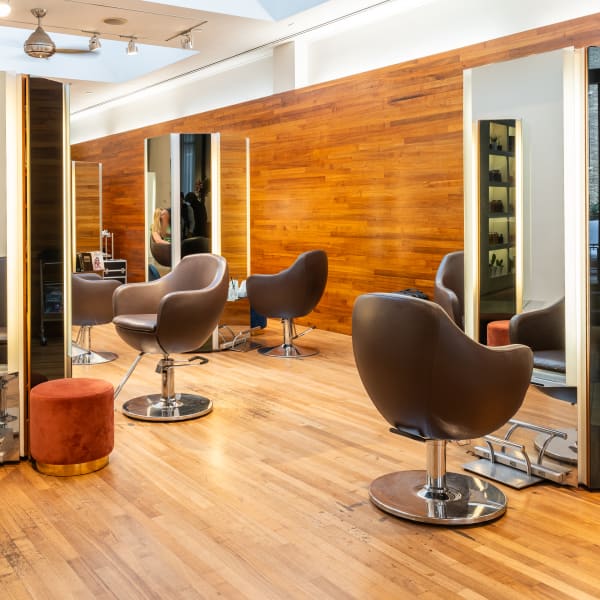
Salon owner Nuri Yurt had a dream of owning a salon on New York City’s Madison Avenue. "Through perseverance, hard work and stellar customer service, he and partner John Kaygisiz founded Toka Salon in 2007.
Sponsored by Amex

This guide is your one-stop shop for a plethora of technology tools, software and services created to keep your salon or spa thriving.

Anna Manukyan shares a breakdown of what different types of financial accounts should be used for.

Vagaro has consistently been at the forefront of salon software technology, helping businesses be more efficient, create more effective communication, and even improve company culture. Now, Connect by Vagaro, the platform’s two-way communication capability, and Vagaro’s new generative AI tools are giving owners new opportunities to grow and expand.
Sponsored by Vagaro

Young Nails' Greg, Habib, and Tracey discuss whether getting too close to clients can damage your business.