




The Nail Salon Ventilation Code Every Owner Should Know
What actually counts as 'source capture' under nail salon ventilation code, and what doesn't (even if it feels like it should).
Sponsored by Aerovex Systems

 MENU
MENU SEARCH
Although eczema cannot be cured, there are ways to relieve the itchiness and rash associated with this chronic skin condition. Avoiding triggers such as hot water and sunburn can help prevent an outbreak of eczema.

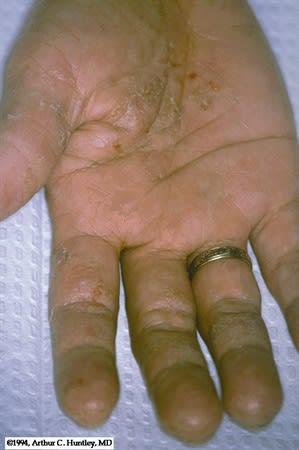
Eczema (˘ek’-s -m )
n. A noncontagious inflammation of the skin, characterized mainly by redness, itching, and the outbreak of lesions.
What It Is
If your client complains of unbearable itching on her hands, feet, or other part of her body, she may be suffering from eczema. Eczema is a chronic skin condition that causes itchy, rash-covered skin. In most sufferers, the severity of the condition tends to increase and decrease in cycles.
Eczema often runs in families. It’s not unusual for eczema sufferers to also have asthma and/or hay fever, which are also inherited. Eczema generally develops in children by the age of five and often worsens during growth spurts, especially during puberty. In most cases, eczema will subside and often disappear by the early 20s. But it’s estimated that 50% of people with eczema will suffer from it to some degree throughout their lives.
Although eczema can develop anywhere on the body, it’s most commonly found on the face, scalp, hands, and areas where the skin folds, such as behind the knees, under the arms, and in the creases of the elbows.
Eczema of the proximal nail fold can result in irregular ridges on the surface of the nail plate. As the eczema heals and the cuticle re-attaches and becomes healthy, the nail plate will begin to grow smooth again.
Symptoms
Eczema sufferers usually have dry, flaky, red rash-covered itchy skin. If left untreated, eczema can become infected and develop into crusty scabs and blisters that are itchy, painful, and oozing. The oozing occurs when people scratch the rash-covered skin, leaving it raw and open to bacterial infection.
Causes
Although its exact cause is not known, eczema is believed to be an allergic trait that is acquired at birth.
What is known are the triggers for this condition. Soaps and body cleansers — especially those that are strong or highly scented — harsh laundry detergents; irritating clothing — especially wool and acrylics — hot water; sunburn; cold, dry conditions; and hot, humid conditions can all trigger an outbreak of eczema. Other factors, such as animal hair and dander, dust, cleaning solvents, and emotional stress, can also trigger an outbreak.
How to Treat It
While there is no known cure for eczema, the symptoms can be reduced. Applying emollients to keep the skin moist and well-lubricated throughout the day is important, but it’s especially important after washing, bathing, or swimming. Products should contain mineral oil or petroleum jelly, and be applied immediately after drying off.
Along with avoiding as many triggers as possible, there are several treatments for eczema. Applying creams and lotions with tar and coal tar extracts and bathing with oatmeal-based products will help keep initial-stage eczema from flaring to a more serious stage. If the condition does worsen, treatments can be prescribed.
Corticosteroids are topical steroid ointments and creams that are often effective at clearing up or reducing severe eczema. The lower-strength varieties, which can be found over the counter, can be safely used for months at a time. Higher-strength topical steroids can be prescribed by a doctor for short periods of time.
Oral antihistamines can help alleviate the itching and help prevent the scratching that further inflames the eczema.
Some nail technicians may not feel comfortable working on clients with eczema because the skin can overreact to any mild trauma.
However, you can do services on clients between outbreaks. Advise clients with foot eczema to keep their feet cool and dry and to wear cotton socks. For clients with hand eczema, advise them to wear rich moisturizing creams to keep their hands softened. They might also want to wear gloves to do housework or at any time their hands will be in contact with chemicals or other irritants.
Considerations for Nail Techs
Skin with eczema is sensitive and should be treated gently. Even exposure to plain water is irritating to hand eczema. Avoid using exfoliants on clients with eczema. Also try to avoid fragrances, irritating ingredients such as glycolic acid, retinol, and any detergents.
Bland emollients are soothing. Water-based lotions are not as helpful as heavy creams and greasy ointments. The water in lotions evaporates, leaving the skin nearly as dry as before.
Since oatmeal-based products can be soothing to eczema sufferers, think about offering a manicure or pedicure with an oatmeal soak, lotion, or mask.
What actually counts as 'source capture' under nail salon ventilation code, and what doesn't (even if it feels like it should).
Sponsored by Aerovex Systems
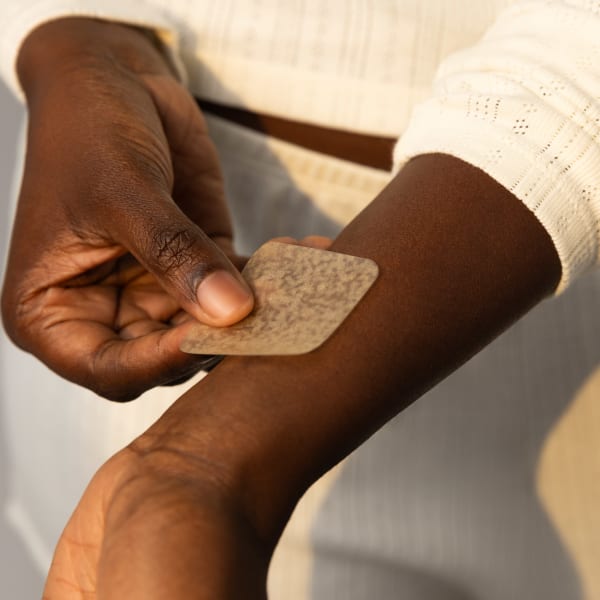
The Good Patch is a leading wearable wellness patch brand, offering wellness and skincare patches that support everyday needs including energy, sleep, relaxation and more.

Orthopedic PT reveals three daily exercises plus ergonomic advice that can help salon professionals avoid the aches and injuries caused by standing, bending and repetitive overhead work.

From breaking free of external validation to creating joy-based goals, discover a more sustainable and fulfilling path to success.
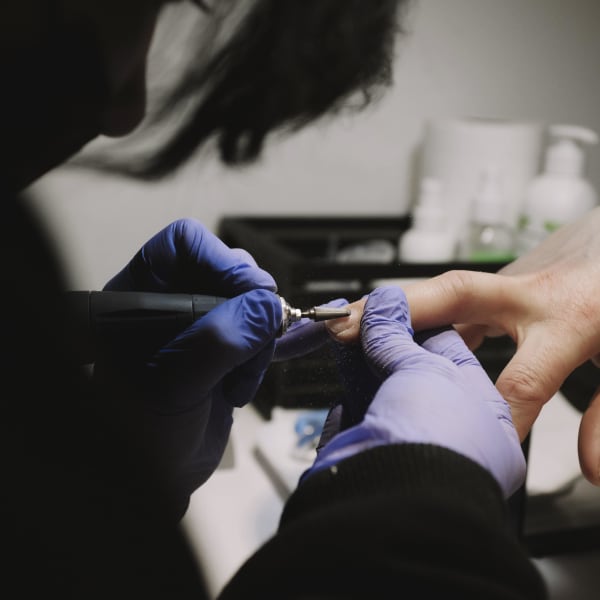
From acrylic monomers to airborne bio-dust, the air inside a nail salon carries risks most professionals never see coming. Aerovex Systems reveals the source-capture and room-purification strategies that are setting a new standard for salon safety.
Sponsored by Aerovex Systems
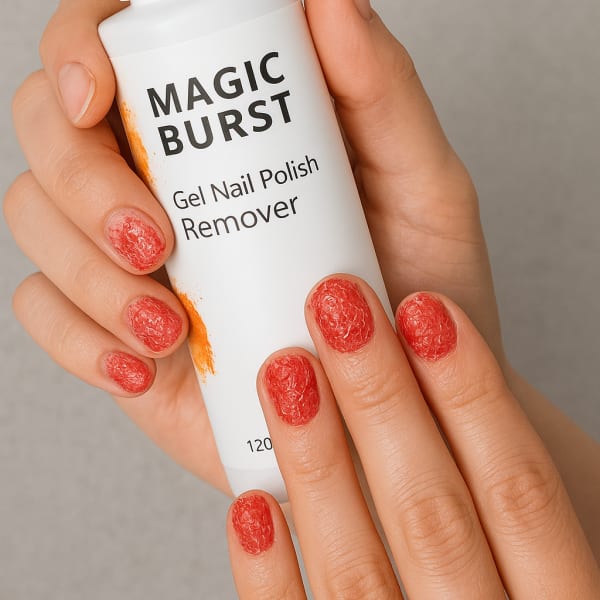
Products marketed as 'magic' or 'burst' gel removers may contain methylene chloride, a federally banned, highly toxic chemical.
Working in beauty doesn’t have to hurt. Learn how Somatic Movement helps hairstylists, lash artists, and other beauty pros release tension, improve posture, and extend their careers.
As a spa or salon professional, your clients expect more than just beauty—they expect safety, hygiene, and peace of mind. Fungal infections like Athlete’s Foot and Nail Fungus are more common than you think, especially in environments where tools and footbaths are reused without proper sanitation. This blog covers how to stop these issues before they start, using proven infection prevention strategies for salons and spas.
A federal initiative aimed at studying chemical exposure in nail salons has ended due to staffing and budget changes. Here’s what the project set out to do—and what its conclusion means for salon professionals.
For many people, a pedicure is a relaxing beauty ritual. But what most don’t realize is that this simple service, if done without proper hygiene and sanitation, can cause serious infections and long-term health issues.
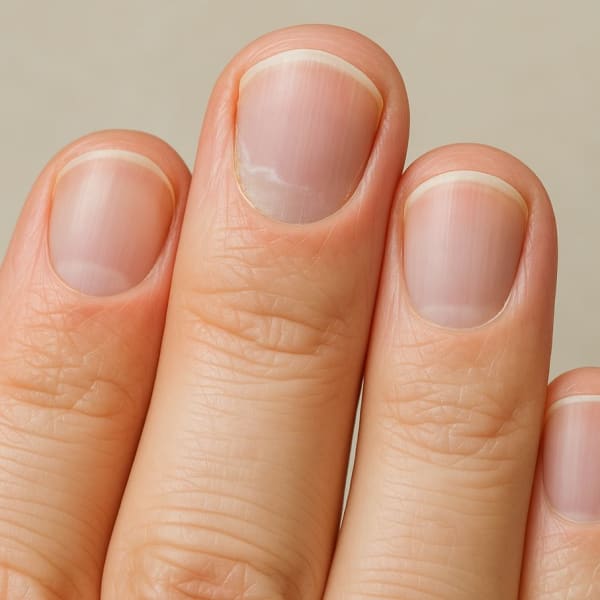
Onycholysis is the separation of the nail plate from the nail bed. While it may look painful, it typically isn’t—at least not at first. But without proper care, this common nail disorder can lead to infections, deformities, and long-term damage.

Mckenzie Kool, Psychologist, MC, RPsych provides us with guidance on what may or not be helpful in speaking with someone who has suffered a significant loss.
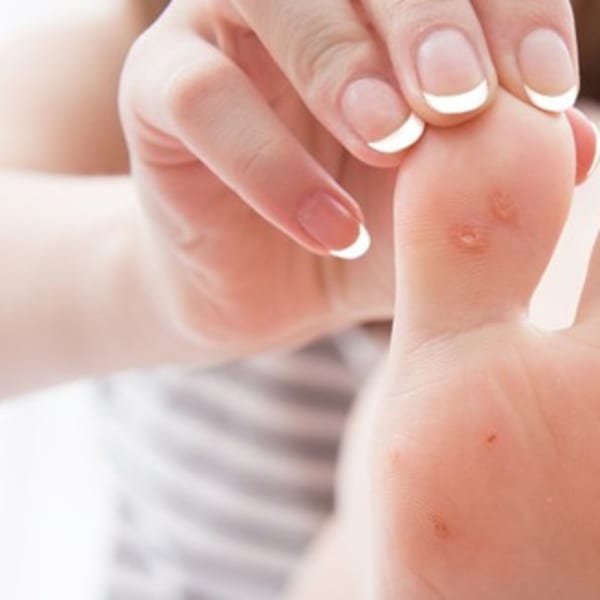
Clients come to you to feel their best—not leave with a viral souvenir. Warts and cold sores can spread fast in busy salons, but a few smart habits make all the difference. Let’s talk about what’s really lurking in your salon (and how to kick it to the curb).

As Earth Day approaches, The Green Beauty Community Foundation and the Green Spa Network invite beauty pros to step forward and embrace sustainability through the Green Pledge--a powerful initiative designed by and for beauty industry leaders.

Don’t cancel Valentine’s Day altogether, urges Jill Palmquist. Instead, think of it as a (frilly, flowery, Champagne-bubbly) wake-up call to fall deeply in love with your own life.

Life coach and Culture Ambassador of Sam Villa, Andrew Carruthers, outlines how to tell if your burnout is temporary - or if it's time to make a bigger career change.
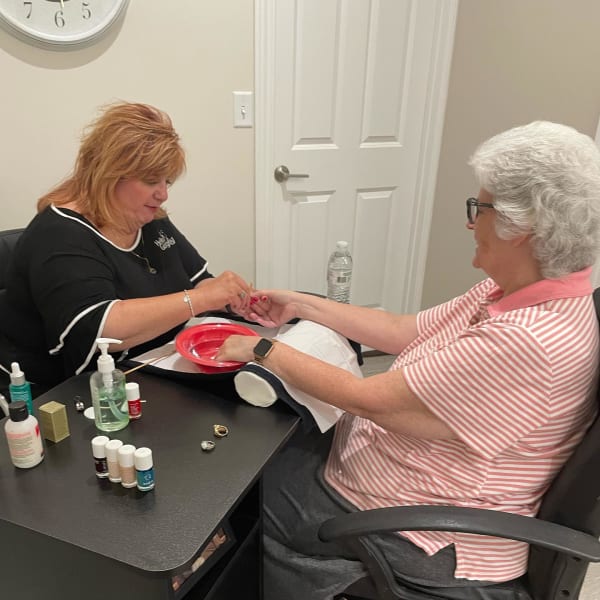
Cancer treatment can create very specific challenges for your guest when it comes to hair, skin, and also nails. Here are some tips for working with your salon client who is going through cancer treatment to help you provide a relaxing, enjoyable, and also safe experience.