6 Ways Self-Love Will Help You Crush Your Goals
From breaking free of external validation to creating joy-based goals, discover a more sustainable and fulfilling path to success.
Also, a reminder not to get any other vaccinations at the same time as receiving your COVID vaccination.

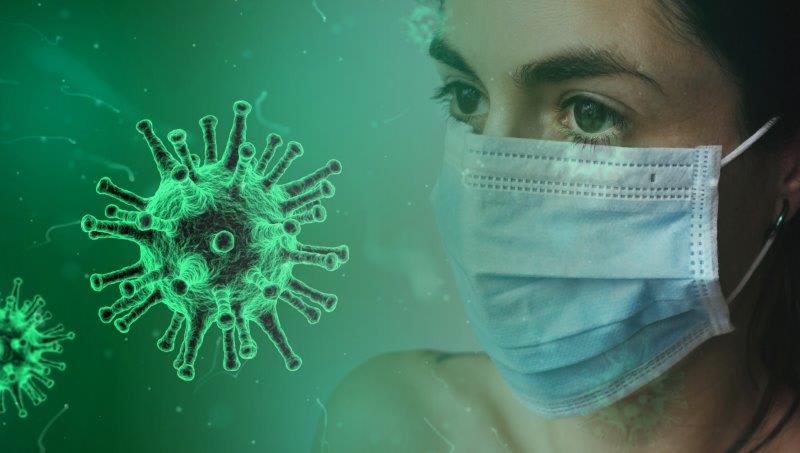
Just as rumors circulated in the early days of the COVID-19 pandemic, now we hear of ways people can prevent side-effects or ward them off, pre-vaccine.
But the Centers for Disease Control and Prevention (CDC) offers these considerations for taking medications before getting vaccinated.
Also, a reminder not to get any other vaccinations at the same time as receiving your COVID vaccination.
Considerations for taking medication before getting vaccinated
For most people, it is not recommended to avoid, discontinue, or delay medications for underlying medical conditions around the time of COVID-19 vaccination. However, your healthcare provider should talk to you about what is currently known and not known about the effectiveness of getting a COVID-19 vaccine when taking medications that suppress the immune system.
It is not recommended you take over-the-counter medicine – such as ibuprofen, aspirin, or acetaminophen – before vaccination for the purpose of trying to prevent vaccine-related side effects. It is not known how these medications might affect how well the vaccine works. However, if you take these medications regularly for other reasons, you should keep taking them before you get vaccinated. It is also not recommended to take antihistamines before getting a COVID-19 vaccine to try to prevent allergic reactions.
If you have questions about medications that you are taking, talk to your doctor or your vaccination provider.
Don’t get a COVID-19 vaccine at the same time as other vaccines
Wait at least 14 days after your COVID-19 vaccine before getting any other vaccine, including a flu or shingles vaccine. Or if you have recently received any other vaccine first, wait at least 14 days before getting your COVID-19 vaccine.
However, if you do get a COVID-19 vaccine within 14 days of another vaccine, you do not need to be revaccinated with either vaccine. You should still complete both vaccine series on schedule.
When we have more data on the safety and effectiveness of COVID-19 vaccines given at the same time as other vaccines, CDC may update this recommendation.

Originally posted on Modern Salon

From breaking free of external validation to creating joy-based goals, discover a more sustainable and fulfilling path to success.

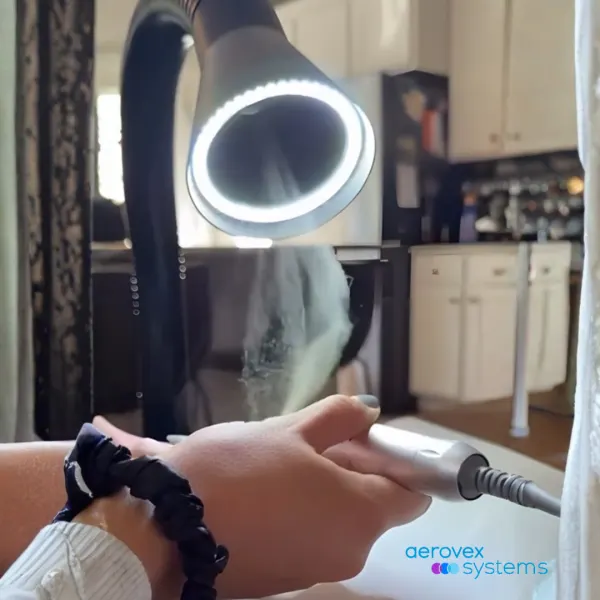
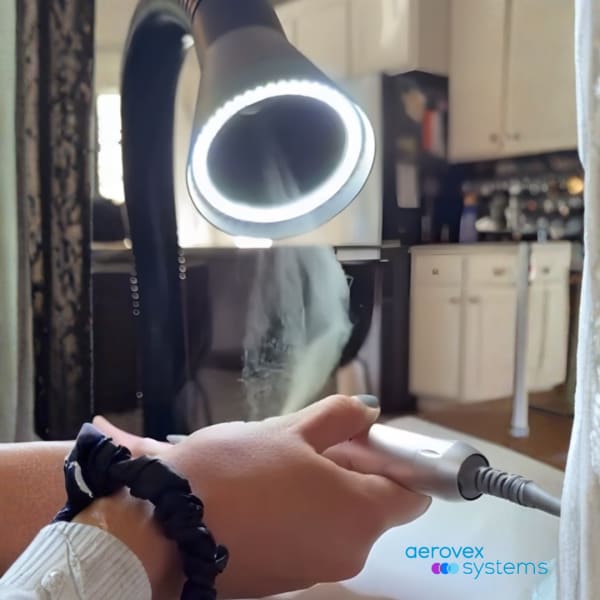
From acrylic monomers to airborne bio-dust, the air inside a nail salon carries risks most professionals never see coming. Aerovex Systems reveals the source-capture and room-purification strategies that are setting a new standard for salon safety.
Sponsored by Aerovex Systems

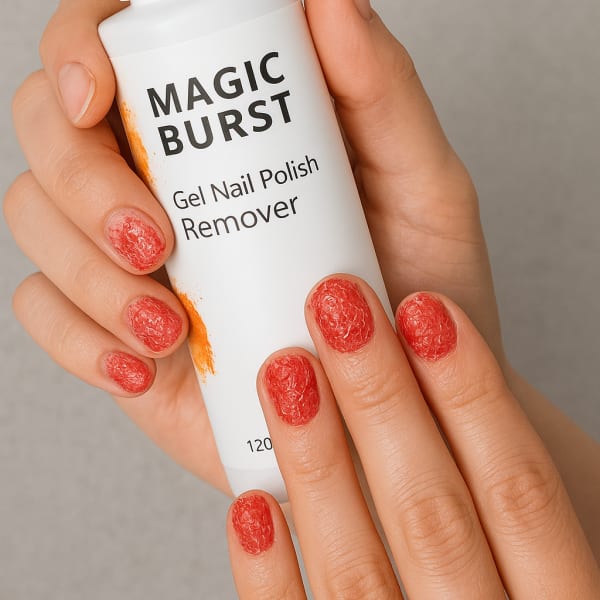
Products marketed as 'magic' or 'burst' gel removers may contain methylene chloride, a federally banned, highly toxic chemical.

Working in beauty doesn’t have to hurt. Learn how Somatic Movement helps hairstylists, lash artists, and other beauty pros release tension, improve posture, and extend their careers.

As a spa or salon professional, your clients expect more than just beauty—they expect safety, hygiene, and peace of mind. Fungal infections like Athlete’s Foot and Nail Fungus are more common than you think, especially in environments where tools and footbaths are reused without proper sanitation. This blog covers how to stop these issues before they start, using proven infection prevention strategies for salons and spas.

A federal initiative aimed at studying chemical exposure in nail salons has ended due to staffing and budget changes. Here’s what the project set out to do—and what its conclusion means for salon professionals.

For many people, a pedicure is a relaxing beauty ritual. But what most don’t realize is that this simple service, if done without proper hygiene and sanitation, can cause serious infections and long-term health issues.

Onycholysis is the separation of the nail plate from the nail bed. While it may look painful, it typically isn’t—at least not at first. But without proper care, this common nail disorder can lead to infections, deformities, and long-term damage.

Mckenzie Kool, Psychologist, MC, RPsych provides us with guidance on what may or not be helpful in speaking with someone who has suffered a significant loss.

Clients come to you to feel their best—not leave with a viral souvenir. Warts and cold sores can spread fast in busy salons, but a few smart habits make all the difference. Let’s talk about what’s really lurking in your salon (and how to kick it to the curb).