In our hyper-connected world, fear around COVID-19 (coronavirus) can feel overwhelming. We can learn everything that is going on, second to second, at every corner of the world, and our feeds are flooded with information—panic can set in. And if you’re feeling that way, you’re not alone.
After we’ve all taken some deep breaths (deep breathing can reset your nervous system and take you from fight or flight to rest and digest), consider these points below.
These excellent strategies are from the American Foundation for Suicide Prevention. For the full article, visit them here.
PUT THINGS IN PERSPECTIVE and GET OUTSIDE
If you are struggling, here are some things you can do to take care of your mental health in the face of uncertainty:
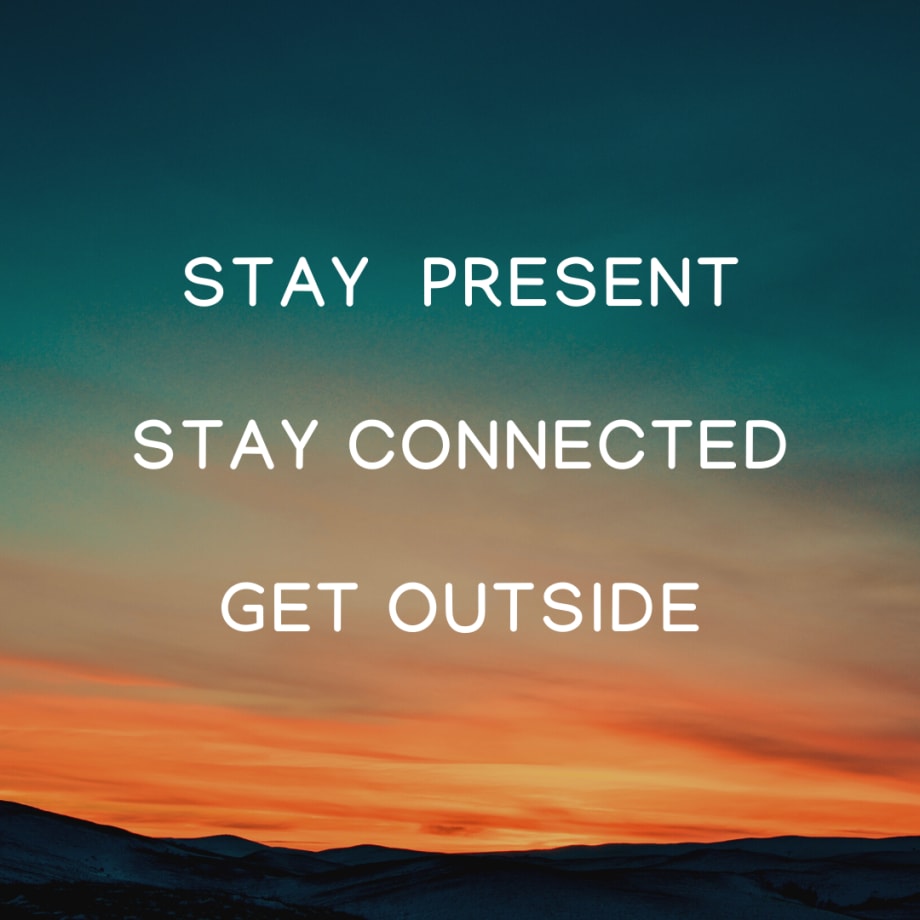
Separate what is in your control from what is not. There are things you can do, and it’s helpful to focus on those. Wash your hands. Remind others to wash theirs. Take your vitamins. Limit your consumption of news (Do you really need to know what is happening on a cruise ship you aren’t on?).
Do what helps you feel a sense of safety. This will be different for everyone, and it’s important not to compare yourself to others. It’s ok if you’ve decided what makes you feel safe is to limit attendance of large social events, but make sure you separate when you are isolating based on potential for sickness versus isolating because it’s part of depression.
Get outside in nature–even if you are avoiding crowds. If the sun is shining, you'll get your dose of vitamin D, and it will feel good to both get some fresh air. Exercise also helps both your physical and mental health.
Challenge yourself to stay in the present. Perhaps your worry is compounding—you are not only thinking about what is currently happening, but also projecting into the future. When you find yourself worrying about something that hasn’t happened, gently bring yourself back to the present moment. Notice the sights, sounds, tastes and other sensory experiences in your immediate moment and name them. Engaging in mindfulness activities is one way to help stay grounded when things feel beyond your control.
Stay connected and reach out if you need more support. Talk to trusted friends about what you are feeling. If you are feeling particularly anxious or if you are struggling with your mental health, it’s ok to reach out to a mental health professional for support. You don’t have to be alone with your worry and it can be comforting to share what you are experiencing with those trained to help.
If you’re feeling alone and struggling, you can also reach out to The Crisis Text Line by texting TALK to 741741 or National Suicide Prevention Lifeline at 1-800-273-TALK.
BREATH and MOVE
We asked yoga teacher and beauty professional, Dev Rice, for some suggestions you can implement almost anywhere. "In times of stress, it's even more important to train ourselves to focus and function in the present moment," Rice says. "Absolutely, the first thing to go to is your breath. The simple act of a counted breath can be very centering."
Find a place away from the action...the break room, the bathroom, somewhere outside is even better.
Bring awareness to the breath, and then begin counted breaths, slow steady inhales to a count of 5 - 8 on the inhale AND the exhale.
Usually five rounds is a good goal, but you can add more if needed. It never hurts to breath.
"As far as postures, any twisting pose will help ‘wring out’ the body. Try a simple seated pose, it can be done anywhere and will also help to center," Rice continues.
Sit with crossed legs, inhale the arms above the head, exhale and twist to the right, bringing the left hand to the right thigh and the right hand behind the back.
Take a few rounds of breath here and then inhale arms above the head, switch the cross of the legs and move in the opposite direction.
For times of stress, forward folds, seated and/or separate leg standing are calming and, to bring your concentration in on the present moment, balancing postures are great. I'd recommend Vrksasana, or tree pose. This can be done anywhere.
To start, bring the feet together, shift the weight to the left foot, lift and bend the right leg bringing the sole of the right foot to the inside of the thigh or calf.
Hold for a few rounds of breath and then shift.
"By taking care of yourselves first, you'll better be able to be there for others. Breathe, Twist, Fold and Balance."