In this month’s column, Dr. Stern discusses complications and concerns surrounding nail-biting, along with several effective treatment options — including gel manicures.
by Dana Stern, M.D.
March 27, 2018
Although the exact cause of onychophagia is unknown, there are studies that show a possible genetic relationship.
5 min to read
Although the exact cause of onychophagia is unknown, there are studies that show a possible genetic relationship.
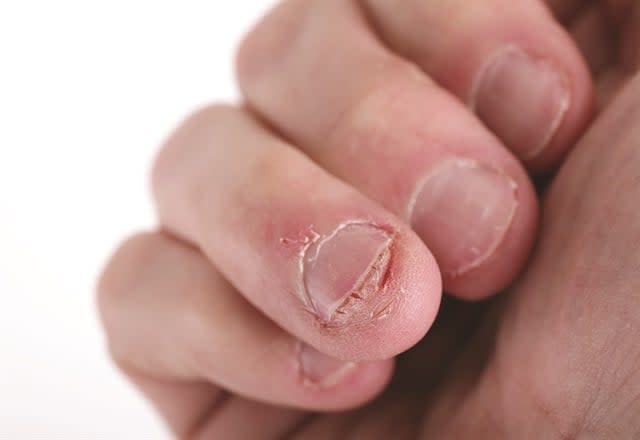
Onychophagia (nail-biting) is a common disorder affecting 20%–30% of the general population. However, its prevalence is likely underestimated, as patients are often embarrassed to seek help from physicians. It is not difficult to spot a nail-biter. Clinically, the nail will appear abnormally short and uneven. Cuticles may be absent or ragged and nail folds may be in varying stages of healing. Splinter hemorrhages (longitudinal thin black lines that look like splinters) are often present within the nail plate.
Although the exact cause of onychophagia is currently unknown, there are studies that show a possible genetic relationship. There is also a possible association between nail-biting and certain psychiatric disorders — such as anxiety and obsessive-compulsive disorder — however these studies have shown conflicting results. Nail-biting has also been associated with boredom or a lull in activity.
Ad Loading...
Beyond resulting in unattractive nails, nail-biting can also lead to a host of health-related concerns and complications.
Complications Related to Nail-Biting
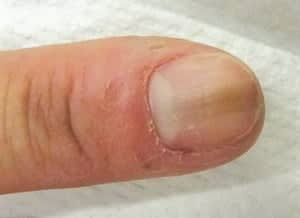
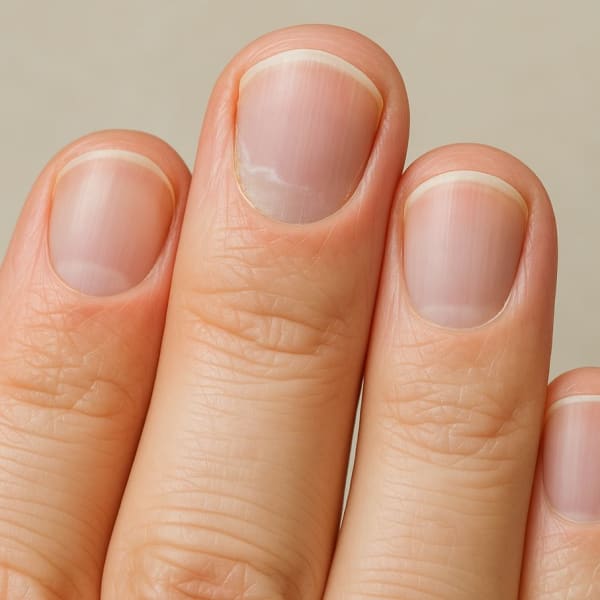
Longitudinal melanonychia (lengthwise pigmented bands in the nail) can occur from inadvertent stimulation of the melanocytes (melanin-producing cells) that reside in the lunula (half-moon region) of the nail. Those who bite or tear at hangnails near the cuticle are at risk for this clinical scenario. These pigmented stripes are almost always benign and do not pose a risk for nail melanoma; however, they are often cosmetically concerning to those who develop them.
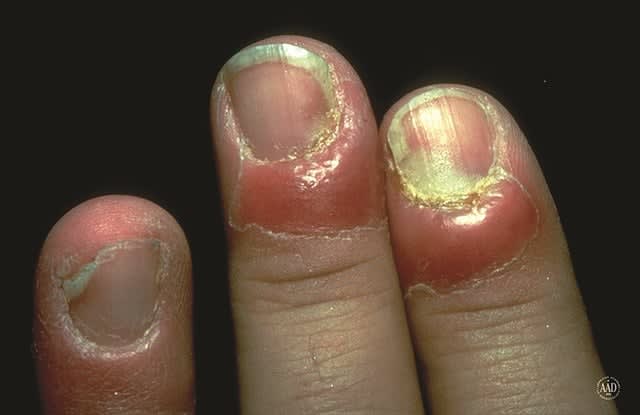
Paronychia is an infection of the nail fold that occurs from compromise to the cuticle.
Paronychia is another concern associated with nail-biting. Paronychia is an infection of the nail fold that occurs when the cuticle is compromised. Disruption of the cuticle barrier can create an entry point for organisms to penetrate the nail unit. If bacteria enter, there will be pain, swelling, and purulent buildup that needs to be expressed, cultured, and treated by a physician. Alternatively, yeast organisms that are easily transferred from the mouth can take up residence and cause swelling and redness around the nail, eventually affecting the nail’s appearance. The nail may become bumpy with white patches and undulations.
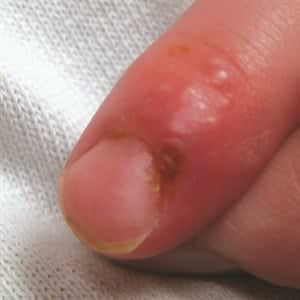
When herpes virus of the mouth transfers to the finger, red blister-like vesicles may appear on the finger. Photo courtesy of James Heilman, M.D.
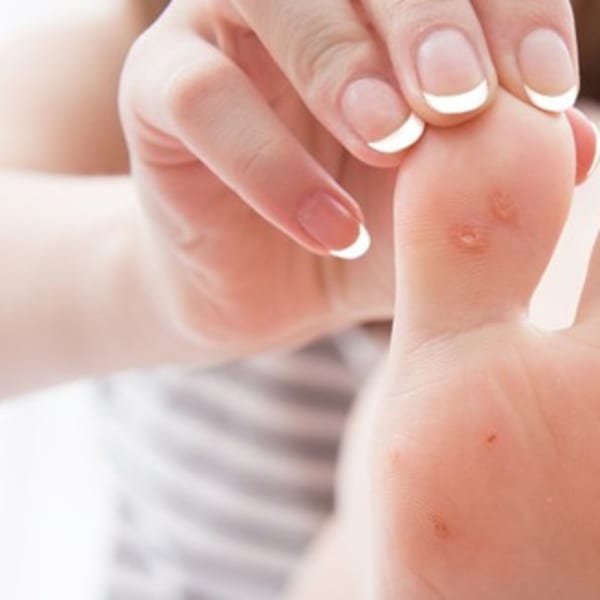
Herpetic whitlow is another nail-biting related negative outcome. When herpes virus of the mouth transfers to the finger, red blister-like vesicles may appear on the finger. This contagious infection is often extremely painful. Note that other viruses, such as warts, can spread this way as well.
Ad Loading...
Dental complications can also occur from nail-biting. According to the American Dental Association, children or adults who bite their nails could crack, chip, or wear down their front teeth from the stress caused by biting.
Let’s not forget the common cold! While exposing your fingers to the bacteria in the oral cavity is not ideal, spreading viruses and bacteria from your hands to your mouth can cause common infections like colds and viruses.
Treatment Methods
The good news is that there are many successful approaches to the treatment of bitten nails. Discussing habits can be a sensitive undertaking and one that may be best handled by a medical professional. When there is a psychological component, such as severe anxiety or obsessive-compulsive tendencies, the client should be treated by a therapist and/or a psychiatrist.
Habit reversal is a method of habit cessation that encompasses awareness of the nail-biting activity, recognition of warning signs, and development of a distracting competing response such as a stress ball, fidget cube or spinner, or rubber band. While this may sound straightforward, many nail-biters are not fully aware of when they are most prone to biting. For this reason, I have my patients keep a diary for several days in order to try to better understand behavioral patterns, triggers, and high-risk times and environments so that they can have a competing response in the ready.
Ad Loading...
Melanonychia can result from biting or tearing at hangnails near the cuticle.
Bitter nail lacquers contain the unpleasant-tasting compounds denatonium benzoate and sucrose octaacetate, and are available over the counter. The lacquer is applied to the nails in an effort to create a very undesirable taste when bitten. If nail-biting is a common issue in your salon, consider offering these products to your clients.
Some nail-biters find that utilizing a non-removable reminder such as a wristband can serve as a prompt to stop biting the nails. I had one patient who bit his nails when he was in his car stuck in traffic. He put a photo of his kids on the dashboard to remind himself that he didn’t want his kids to develop the same habit and it was highly beneficial for him.
Nail technicians have one of the most effective nail-biting cessation methods at their fingertips — gel manicures! For patients who don’t have any active infections and for whom the appearance of their nails is a priority, I often discuss the idea of getting serial gel manicures. Gels are advantageous because they can’t easily be picked off and are long-lasting. Additionally, when clients take the effort to make an appointment, and spend the time and money, they are often highly invested and motivated to achieve a successful result. Usually, if a patient can refrain from biting for 12 consecutive weeks, they have effectively overcome the habit.
Today we are all living in a “hand-held world” where we are attached to our mobile devices at all times. Now more than ever, the focus is on the hand and nails. Nail-biters can feel frustrated, embarrassed, ashamed, and overwhelmed by their habit. Astute physicians and nail technicians can provide many effective tools and resources for these clients.
References: Pacan P, Grzesiak M, Reich A, et al. Onychophagia and onychotillomania: prevalence, clinical picture and comorbidities. Acta Derm-Venereol.2014;94:67– www.ada.org
Ad Loading...
Dr. Dana Stern
Dermatologists treat skin, hair, and nails. I am a board-certified dermatologist and I specialize in the treatment of nail disorders including nail infections, inflammatory diseases of the nail, cosmetic issues related to the nail, cancers of the nail, and sports-related nail injuries.
Uncured gel polish and microscopic e-file dust contain active acrylates that penetrate the skin, triggering permanent contact dermatitis. Learn the chemistry behind these irritants and how to protect your clients and yourself.
The Good Patch is a leading wearable wellness patch brand, offering wellness and skincare patches that support everyday needs including energy, sleep, relaxation and more.
Orthopedic PT reveals three daily exercises plus ergonomic advice that can help salon professionals avoid the aches and injuries caused by standing, bending and repetitive overhead work.
From acrylic monomers to airborne bio-dust, the air inside a nail salon carries risks most professionals never see coming. Aerovex Systems reveals the source-capture and room-purification strategies that are setting a new standard for salon safety.
Working in beauty doesn’t have to hurt. Learn how Somatic Movement helps hairstylists, lash artists, and other beauty pros release tension, improve posture, and extend their careers.
As a spa or salon professional, your clients expect more than just beauty—they expect safety, hygiene, and peace of mind. Fungal infections like Athlete’s Foot and Nail Fungus are more common than you think, especially in environments where tools and footbaths are reused without proper sanitation. This blog covers how to stop these issues before they start, using proven infection prevention strategies for salons and spas.
A federal initiative aimed at studying chemical exposure in nail salons has ended due to staffing and budget changes. Here’s what the project set out to do—and what its conclusion means for salon professionals.
For many people, a pedicure is a relaxing beauty ritual. But what most don’t realize is that this simple service, if done without proper hygiene and sanitation, can cause serious infections and long-term health issues.
Onycholysis is the separation of the nail plate from the nail bed. While it may look painful, it typically isn’t—at least not at first. But without proper care, this common nail disorder can lead to infections, deformities, and long-term damage.
Mckenzie Kool, Psychologist, MC, RPsych provides us with guidance on what may or not be helpful in speaking with someone who has suffered a significant loss.
Clients come to you to feel their best—not leave with a viral souvenir. Warts and cold sores can spread fast in busy salons, but a few smart habits make all the difference. Let’s talk about what’s really lurking in your salon (and how to kick it to the curb).
As Earth Day approaches, The Green Beauty Community Foundation and the Green Spa Network invite beauty pros to step forward and embrace sustainability through the Green Pledge--a powerful initiative designed by and for beauty industry leaders.
Don’t cancel Valentine’s Day altogether, urges Jill Palmquist. Instead, think of it as a (frilly, flowery, Champagne-bubbly) wake-up call to fall deeply in love with your own life.
Life coach and Culture Ambassador of Sam Villa, Andrew Carruthers, outlines how to tell if your burnout is temporary - or if it's time to make a bigger career change.