A Day in the Life of a Nail Expert: Nails and Chemotherapy
In this month’s column, Dr. Stern discusses the effects of chemotherapy on the nail and the precautions you should take if a client has cancer.
by Dr. Dana Stern
July 11, 2016
Dr. Dana Stern
5 min to read
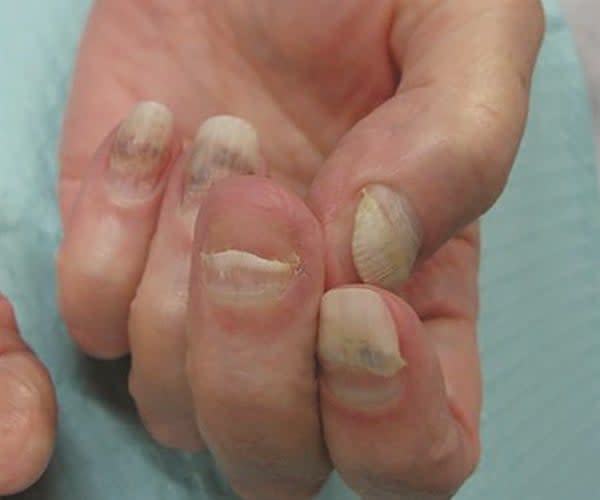
When you think about the side effects of chemotherapy, hair loss and nausea are probably what first come to mind. While we are so fortunate to have an incredible arsenal of life-saving chemotherapeutic options, the side effects can pose considerable challenges for patients. Many are unaware that chemotherapy agents can also adversely affect the nails.
Chemotherapy-induced hemorrhagic onycholysis
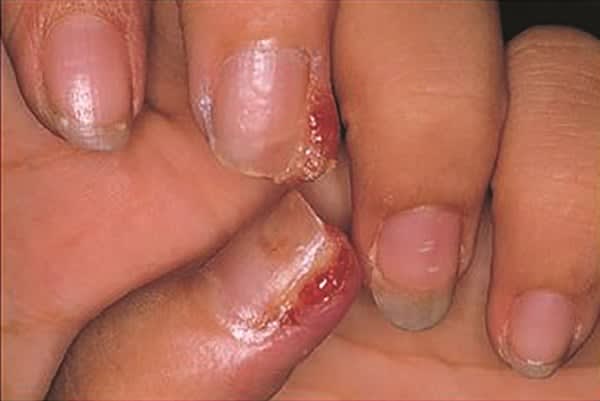
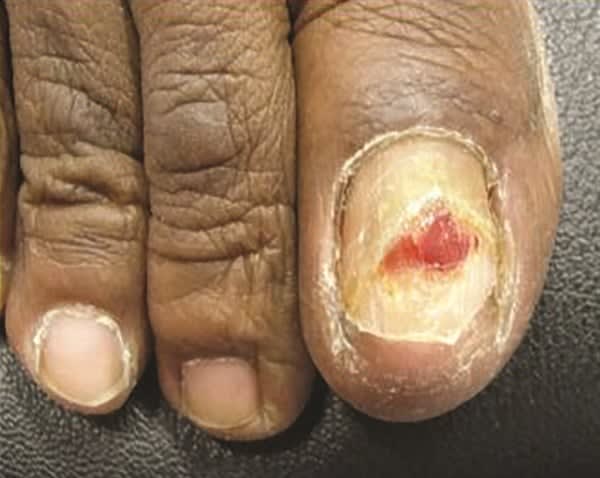
Epidermal growth factor receptor (EGFR) inhibitors are a common class of chemotherapy drugs that can cause painful growths called pyogenic granulomas next to the nail (periungual) or under the nail within the nail bed (subungual). These growths have a prominent blood supply and tend to bleed easily, and they can be challenging to treat. I have had success surgically removing these growths for my patients who have suffered with this side effect. This class of chemotherapy drug can also cause paronychias (inflammation, pain, swelling, and drainage surrounding the nail fold). Paronychias can be treated with drainage, antibiotics, and soaks such as the over-the-counter brand Domeboro. This preparation has astringent and antibacterial properties. Other side effects include painful openings at the fingertips (fissures) as well as brittle nails.
Ad Loading...
There are a couple of prescription brittle nail treatments on the market. These nail lacquers are formulated to address fragile, brittle, or split nails. Genadur, a water-soluble nail lacquer, contains Hydroxypropyl-chitosan (HPCH) which penetrates intercellular spaces and nail surface ridges, providing physical support and creating a barrier against external agents. Another prescription option in this category is Nuvail, a polyuria-urethane protective barrier, which creates a stable yet flexible molecular structure within the nail plate and maintains moisture balance by preventing water absorption.
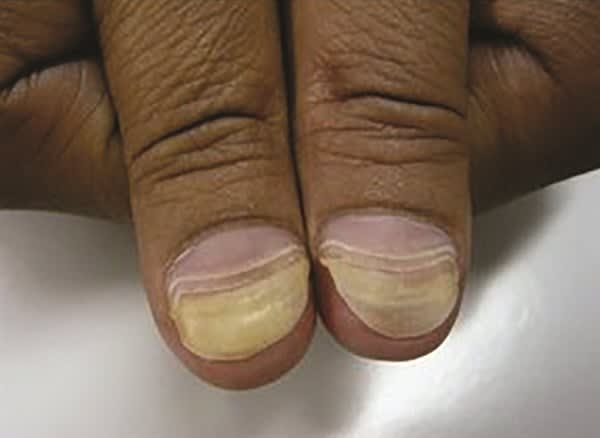
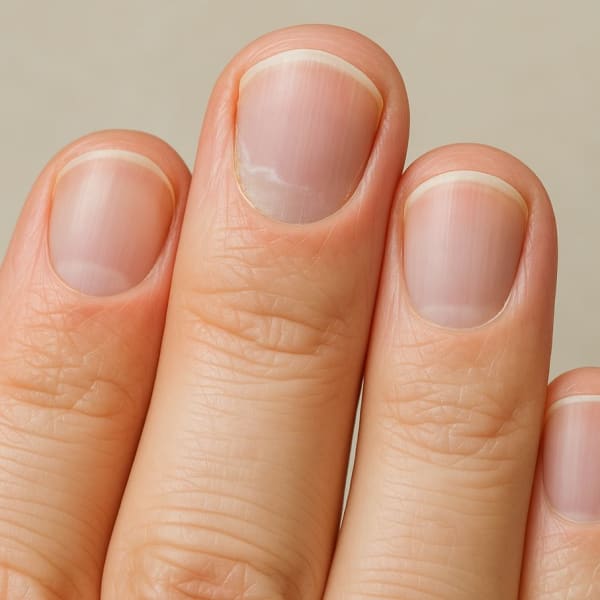
Chemotherapy-induced onycholysis
Another common chemotherapy class are the Taxanes. Often used to treat breast cancer among other malignancies, these medications can cause separation of the nail plate from the underlying nail bed (onycholysis) as well as a specific type of onycholysis where the underlying nail bed bleeds and is painful (hemorrhagic onycholysis). This side effect can be very uncomfortable for patients. Treatment includes keeping the nails short to prevent organisms, chemicals, moisture, and debris from entering under the nail. Yeast is the most common culprit and often a prescription topical antifungal agent is warranted. A compromised barrier can also predispose patients with onycholysis to infection, especially if they are immunosuppressed. When there is nail plate separation, it is important to avoid exposure to excessive moisture as well as chemicals. Gloves with wet work are advisable and avoidance of nail cosmetics during the treatment period is essential. Nail polish remover can be especially irritating to the underlying nail bed and can delay healing and re-adhesion of the nail to the nail bed.
Are there ways to avoid these unwanted side effects? Cryotherapy is a relatively new treatment approach originally used to prevent hair loss during chemotherapy and now more and more commonly being used to prevent adverse effects from chemotherapy that affect the nail. Cold temperature applied to the hands before, during, and after chemotherapy reduce the incidence of chemotherapy-induced nail side effects. This effect is due to the fact that cold temperatures cause constriction of the blood supply in the fingers (vasoconstriction), which reduces the amount of drug reaching the nails, preventing toxicity at the nails. Additionally, while undergoing treatment, it is advisable to keep the nails short and to avoid cutting the cuticles. Your clients can maintain cuticle health with regular application of their favorite cuticle cream or oil.
Chemotherapy-induced pyogenic granuloma of the nail bed
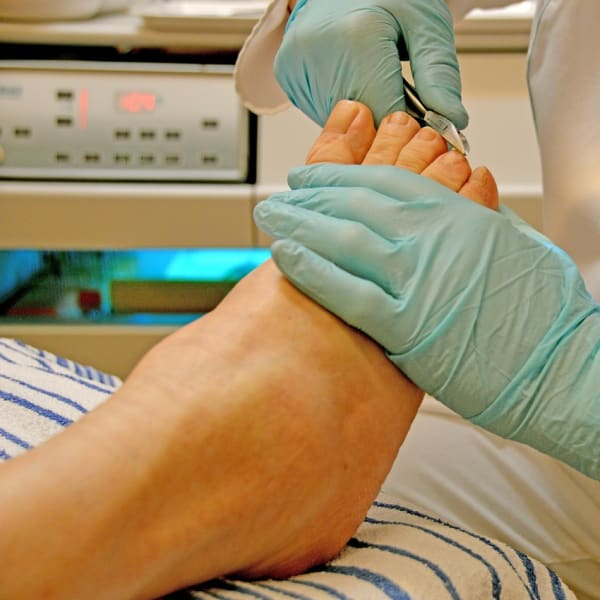
If you have a client who is a cancer patient and is fortunate enough to not be experiencing nail-related side effects from chemotherapy, you may be wondering if there are any special precautions you should take with regard to her nail care. First and foremost, your client should absolutely continue to enjoy a regular and well-deserved manicure and pedicure. A professional nail service can be therapeutic as it gives the patient a break and lets her pamper herself. Even 30 minutes can be a sort of zen-like salvation from the stress of being ill. However, cancer patients do not have fully intact immune systems and can be more prone to infection as a consequence. It is therefore imperative to take certain extra precautions when providing services for them at the salon:
1. Do not perform services on a client who has an open wound or active infection in the area the service focuses on, as this could put her at risk for developing a skin or nail infection.
Ad Loading...
2. Don’t use whirlpool foot baths. Instead soak feet in a clean plastic, porcelain, or stainless steel basin or opt for a dry pedicure.
3. Don’t use credo blades.
4. Avoid aggressive cuticle removal, both mechanically with cuticle nippers and chemically with topical cuticle removers. The cuticle is the nail’s natural protective seal. It is an amazing anatomical structure that prevents infection from entering the nail unit.
5. As always, it’s essential that tools are sanitized and disinfected properly.
Dr. Dana Stern
Dermatologists treat skin, hair, and nails. I am a board-certified dermatologist and one of the country’s only nail specialists. My practice is entirely focused on the treatment of nail disorders including nail infections, inflammatory diseases of the nail, cosmetic issues related to the nail, cancers of the nail, nail surgery, and sports-related nail injuries. I also see many nail issues that are related to medications, especially chemotherapy agents.
Uncured gel polish and microscopic e-file dust contain active acrylates that penetrate the skin, triggering permanent contact dermatitis. Learn the chemistry behind these irritants and how to protect your clients and yourself.
The Good Patch is a leading wearable wellness patch brand, offering wellness and skincare patches that support everyday needs including energy, sleep, relaxation and more.
Orthopedic PT reveals three daily exercises plus ergonomic advice that can help salon professionals avoid the aches and injuries caused by standing, bending and repetitive overhead work.
From acrylic monomers to airborne bio-dust, the air inside a nail salon carries risks most professionals never see coming. Aerovex Systems reveals the source-capture and room-purification strategies that are setting a new standard for salon safety.
Working in beauty doesn’t have to hurt. Learn how Somatic Movement helps hairstylists, lash artists, and other beauty pros release tension, improve posture, and extend their careers.
As a spa or salon professional, your clients expect more than just beauty—they expect safety, hygiene, and peace of mind. Fungal infections like Athlete’s Foot and Nail Fungus are more common than you think, especially in environments where tools and footbaths are reused without proper sanitation. This blog covers how to stop these issues before they start, using proven infection prevention strategies for salons and spas.
A federal initiative aimed at studying chemical exposure in nail salons has ended due to staffing and budget changes. Here’s what the project set out to do—and what its conclusion means for salon professionals.
For many people, a pedicure is a relaxing beauty ritual. But what most don’t realize is that this simple service, if done without proper hygiene and sanitation, can cause serious infections and long-term health issues.
Onycholysis is the separation of the nail plate from the nail bed. While it may look painful, it typically isn’t—at least not at first. But without proper care, this common nail disorder can lead to infections, deformities, and long-term damage.
Mckenzie Kool, Psychologist, MC, RPsych provides us with guidance on what may or not be helpful in speaking with someone who has suffered a significant loss.
Clients come to you to feel their best—not leave with a viral souvenir. Warts and cold sores can spread fast in busy salons, but a few smart habits make all the difference. Let’s talk about what’s really lurking in your salon (and how to kick it to the curb).
As Earth Day approaches, The Green Beauty Community Foundation and the Green Spa Network invite beauty pros to step forward and embrace sustainability through the Green Pledge--a powerful initiative designed by and for beauty industry leaders.
Don’t cancel Valentine’s Day altogether, urges Jill Palmquist. Instead, think of it as a (frilly, flowery, Champagne-bubbly) wake-up call to fall deeply in love with your own life.
Life coach and Culture Ambassador of Sam Villa, Andrew Carruthers, outlines how to tell if your burnout is temporary - or if it's time to make a bigger career change.