A Day in the Life of a Nail Expert: Why Hand-Washing Is So Important at the Salon
Dr. Stern discusses when to wash, how to wash, and who should wash, as well as addressing the role of hand sanitizers and gloves in infection prevention.
*Editor's Note: This article was first published April 2020.
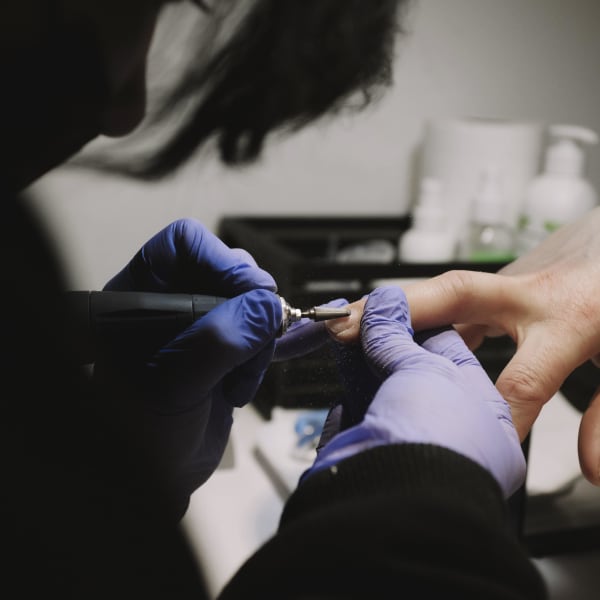
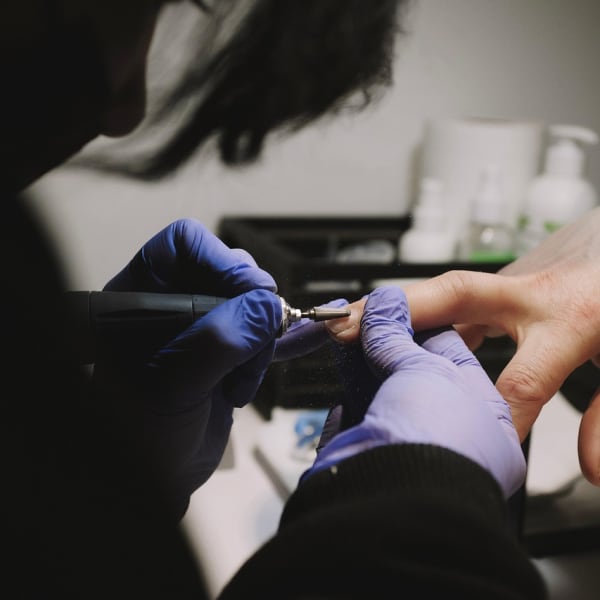
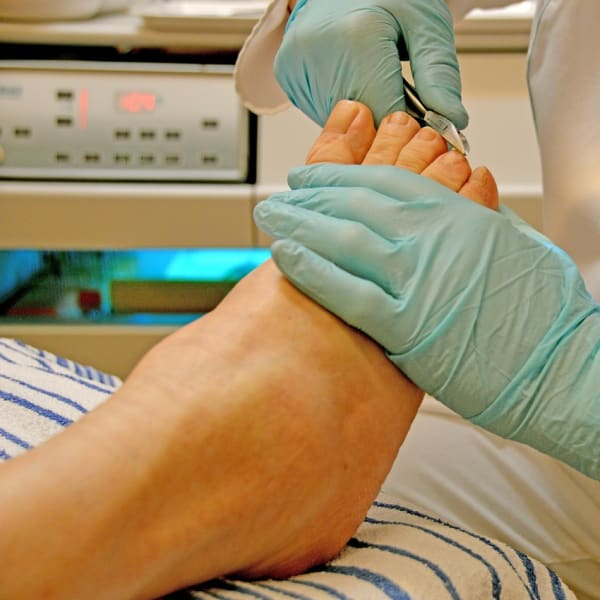
At some point we will all be back to our normal routines. Clients will happily return to their weekly scheduled manicures and salons will be open and buzzing. While hand washing has been a major topic during the COVID-19 epidemic, hand washing in the framework of the nail salon is extremely critical for both the health of the salon worker and the salon customer and yet there are a lot of misconceptions and inconsistencies with regard to how hand washing is implemented within the salon setting. There is also a lot of cross over between the typical clinical healthcare setting and the nail salon yet hand washing is not emphasized in the salon like it is in the clinic. Both the nail salon and the clinic setting provide services to the general public and so a customer with an active infection can easily enter the salon environment just as a sick patient visits the clinic. Salon services often require extremely close contact between technician and client. In fact, some may argue that there is closer contact in the salon where hands and feet are treated and massaged, often for long periods of time, than there is in most clinical settings where gowns, gloves and masks are often donned and encounters are brief.
When to Wash?
In the clinical setting, health care providers are taught to wash hands in the following scenarios when they are administering care. These are all also extremely important in the nail salon setting when providing nail care services.
Ad Loading...
Before patient (or customer) contact
Before donning gloves
When moving from a contaminated to a non-contaminated body site during patient care
After patient contact
After removing gloves
After touching inanimate objects in the patient or client’s vicinity
How to Wash?
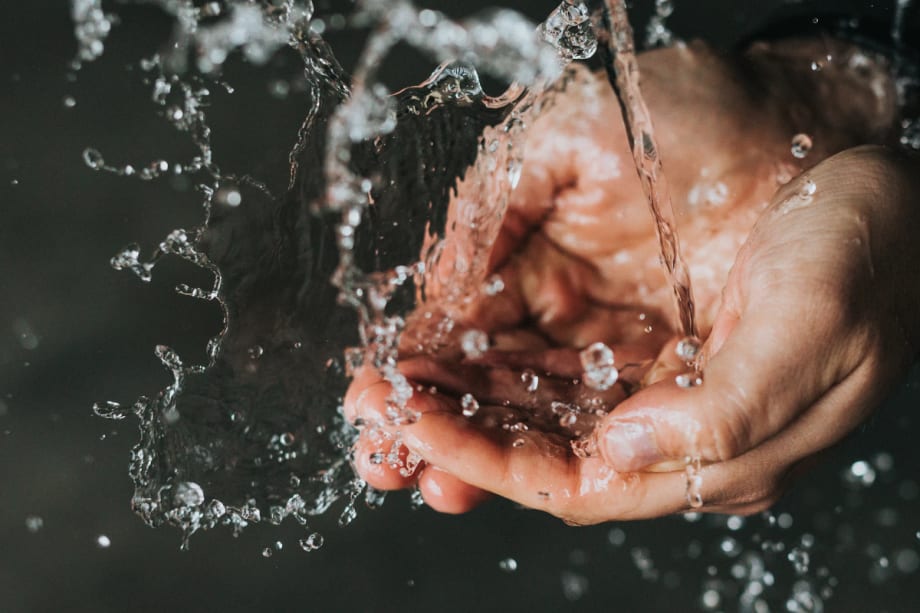
We have all been washing our hands since our preschool teachers and caregivers first taught us, but the technique makes all the difference when it comes to effective infection control. Begin by wetting hands with warm water. Then apply soap and vigorously rub hands together for at least 15 seconds, covering all surfaces of hands and fingers. Rinse hands thoroughly with water and dry with a paper towel. Paper towels have been shown to be more sanitary than air blowers. Use the paper towel to then turn off the faucet.
When to Use Soap and Water Instead of Hand Sanitizer
Alcohol-based hand sanitizers are an excellent and extremely effective hand hygiene tool that should be readily and clearly available in all salons. The CDC recommends the use of alcohol-based hand sanitizers over hand-washing in most day-to-day situations except:
When hands are visibly dirty or soiled
Before eating
After using the restroom
In the clinic setting hand-washing is preferred to alcohol-based hand sanitizers when there has been proven exposure to certain specific infections (Anthrax, for example).
Hand sanitizers offer an advantage throughout the day because they are efficient and often easily available. If a salon has a limited number of sinks, it is clear why sanitizers would be advantageous. When using hand sanitizers, apply the hand sanitizer to the hands, between the fingers, on the backs of hands, and up the wrists until hands are dry. This usually takes 15 seconds.
Ad Loading...
What About Clients?
Nail salon customers should be encouraged to wash their hands with soap and water both before and after all salon services. If a client has pathogens on the fingernails that are not properly removed before salon services, they can become trapped under product or enhancements resulting in infection.
Many nail techs believe that the nails absorb moisture when clients wash their hands and that this compromises nail polish and enhancement adhesion and therefore hand-washing is discouraged. This is not accurate information. The reality is that a long pre-manicure nail soak is significantly more damaging to adhesion than 15 seconds of essential hand-washing. Consider explaining to clients that the oils left on hands and nails affect the way products perform, and that hand-washing helps to “degrease” or prime the nails, getting them ready for optimal beautification. Customers can wash hands after checking into the salon, while waiting for a service, or they can be escorted by their nail professional who will also be hand-washing prior to the service. You may want to have hand-washing reminder signs at sinks and hand sanitizer dispensers.
Where Do Gloves Fit In?
Gloves have become ubiquitous in the salon setting. This is a potentially important and effective means of both infection and allergy prevention in the salon if gloves are being incorporated properly. Gloves must be changed between clients. Gloves must be removed promptly after use and before touching non-contaminated items such as a counter, phone, or keyboard. Hands must be properly cleaned after removal.
According to the CDC, hand-washing is the most important infection control intervention and is therefore essential to incorporate correctly into the salon setting for the benefit of both the salon worker and customer.
Dr. Dana Stern
Dermatologists treat skin, hair, and nails. I am a board-certified dermatologist and I specialize in the treatment of nail disorders including nail infections, inflammatory diseases of the nail, cosmetic issues related to the nail, cancers of the nail, and sports-related nail injuries. I also perform surgery on the nail including biopsies and excisions.
Uncured gel polish and microscopic e-file dust contain active acrylates that penetrate the skin, triggering permanent contact dermatitis. Learn the chemistry behind these irritants and how to protect your clients and yourself.
The Good Patch is a leading wearable wellness patch brand, offering wellness and skincare patches that support everyday needs including energy, sleep, relaxation and more.
Orthopedic PT reveals three daily exercises plus ergonomic advice that can help salon professionals avoid the aches and injuries caused by standing, bending and repetitive overhead work.
From acrylic monomers to airborne bio-dust, the air inside a nail salon carries risks most professionals never see coming. Aerovex Systems reveals the source-capture and room-purification strategies that are setting a new standard for salon safety.
Working in beauty doesn’t have to hurt. Learn how Somatic Movement helps hairstylists, lash artists, and other beauty pros release tension, improve posture, and extend their careers.
As a spa or salon professional, your clients expect more than just beauty—they expect safety, hygiene, and peace of mind. Fungal infections like Athlete’s Foot and Nail Fungus are more common than you think, especially in environments where tools and footbaths are reused without proper sanitation. This blog covers how to stop these issues before they start, using proven infection prevention strategies for salons and spas.
A federal initiative aimed at studying chemical exposure in nail salons has ended due to staffing and budget changes. Here’s what the project set out to do—and what its conclusion means for salon professionals.
For many people, a pedicure is a relaxing beauty ritual. But what most don’t realize is that this simple service, if done without proper hygiene and sanitation, can cause serious infections and long-term health issues.
Onycholysis is the separation of the nail plate from the nail bed. While it may look painful, it typically isn’t—at least not at first. But without proper care, this common nail disorder can lead to infections, deformities, and long-term damage.
Mckenzie Kool, Psychologist, MC, RPsych provides us with guidance on what may or not be helpful in speaking with someone who has suffered a significant loss.
Clients come to you to feel their best—not leave with a viral souvenir. Warts and cold sores can spread fast in busy salons, but a few smart habits make all the difference. Let’s talk about what’s really lurking in your salon (and how to kick it to the curb).
As Earth Day approaches, The Green Beauty Community Foundation and the Green Spa Network invite beauty pros to step forward and embrace sustainability through the Green Pledge--a powerful initiative designed by and for beauty industry leaders.
Don’t cancel Valentine’s Day altogether, urges Jill Palmquist. Instead, think of it as a (frilly, flowery, Champagne-bubbly) wake-up call to fall deeply in love with your own life.
Life coach and Culture Ambassador of Sam Villa, Andrew Carruthers, outlines how to tell if your burnout is temporary - or if it's time to make a bigger career change.