While cancer patients can benefit greatly from receiving nail services, chemotherapy and radiation can cause serious side effects that you as a nail tech need to be aware of. Read on to learn more about how to provide safe, skillful, compassionate nail services to your clients who are battling cancer.
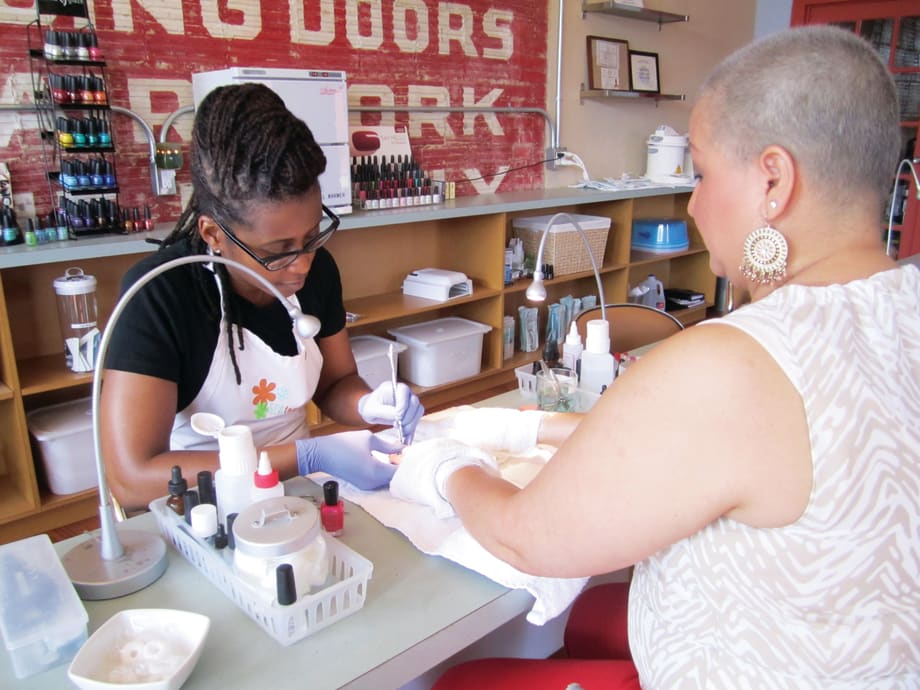
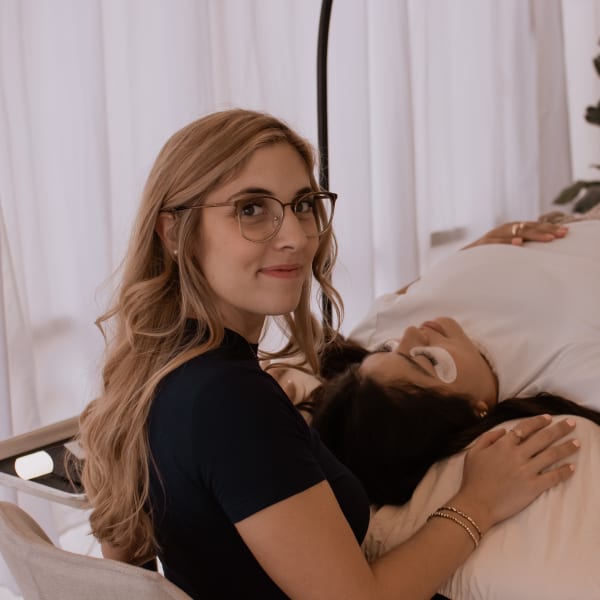
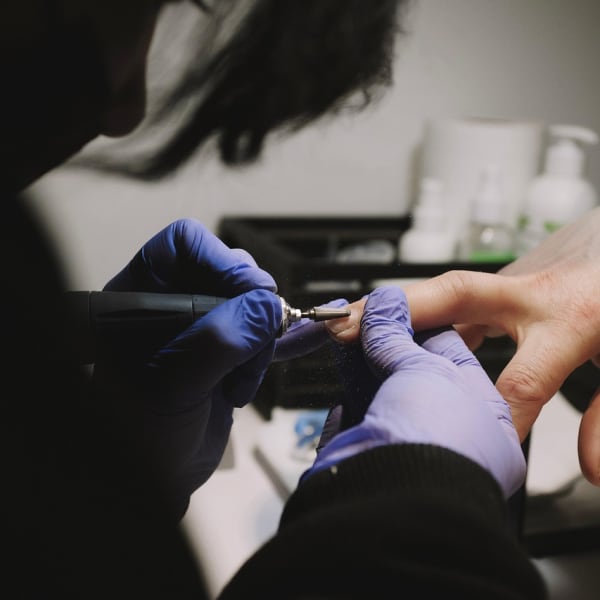
“I admit, and have even been told, that I can be a bit anal when it comes to keeping my salon nice and clean. Sanitation was high on my priority list even before I started working with at-risk clients,” says SPAtaneity LLC founder Missy Malone, shown here performing a manicure on a client with cancer.
4 min to read
“I admit, and have even been told, that I can be a bit anal when it comes to keeping my salon nice and clean. Sanitation was high on my priority list even before I started working with at-risk clients,” says SPAtaneity LLC founder Missy Malone, shown here performing a manicure on a client with cancer.
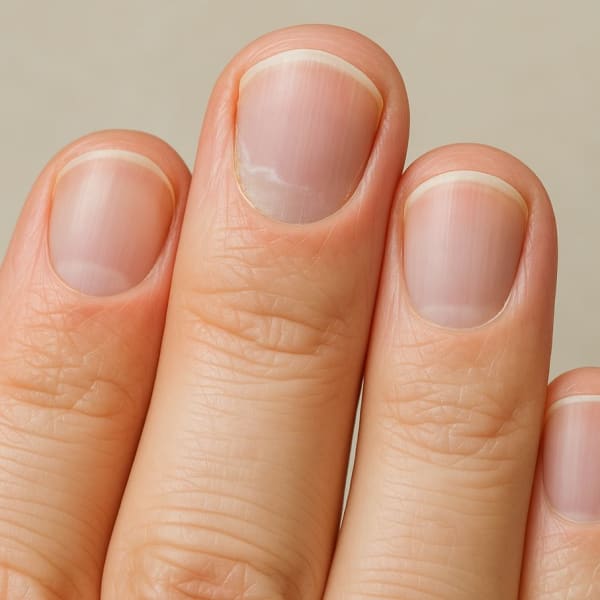
> CHEMOTHERAPY/RADIATION-RELATED NAIL CHANGES: Cancer treatments and drugs can cause brittle, grooved, or sensitive nails. The most common nail change is hyperpigmentation or skin darkening under the nail. Other changes include horizontal depressions of the nail plate called Beau’s lines, white horizontal discoloration involving the entire nail plate called Mee’s lines, and white horizontal discoloration involving only part of the nail called leukonychia. Onycholysis, where the nail separates or loosens from the nail bed, and onychodystrophy, a malformation of the nail, can also occur. Once the cancer treatment has ceased and the nails grow out, they should return to normal. Trim, file, and clean the nails as long as they haven’t lifted off the nail bed — lifted nails can become a site for bacteria to enter — but avoid artificial nails for a few months until the natural nails have returned to normal. Acrylic nails especially can trap bacteria in the space between the acrylic and the natural nail.
Ad Loading...
> CHEMO-INDUCED PERIPHERAL NEUROPATHY: Ask your client if she is experiencing any numbness, burning, or tingling in the feet or legs, as this may indicate she has suffered damage to peripheral nerves as a result of chemotherapy. Just as a diabetic suffering from peripheral neuropathy must be treated with extra care, a cancer patient must be monitored for symptoms, as chemo-induced peripheral neuropathy could leave her vulnerable to burns from friction or water that’s too hot, or the inability to feel pain from nicks or cuts.
> HAND-FOOT SYNDROME: Several types of chemotherapy drugs can cause a condition called hand-foot syndrome, also known as palmar-plantar erythrodysesthesia. According to Mórag Currin, founder of Touch for Cancer Online, the soles of the feet can become red, tender, dry, and even peel, as a result of exposure to heat and friction. This condition can resemble severe sunburn and is sometimes accompanied by numbness or tingling sensations. Be sure to use a highly emollient product and massage gently to avoid too much friction and heat that could exacerbate the condition.
> BLEEDING/INFECTIONS: Always ask your client if she has approval from her doctor to receive nail services before proceeding. A March 2013 Houston Chronicle story quotes Dr. Philip Salem of Salem Oncology Centre in the Texas Medical Center: “When platelet counts drop below a certain level, the patient becomes very prone to bleeding, sometimes to a level where you cannot allow pedicures at all,” Salem says. “The decision of doing something as seemingly simple as a pedicure has to be done jointly with a doctor to ensure the patient’s safety.”
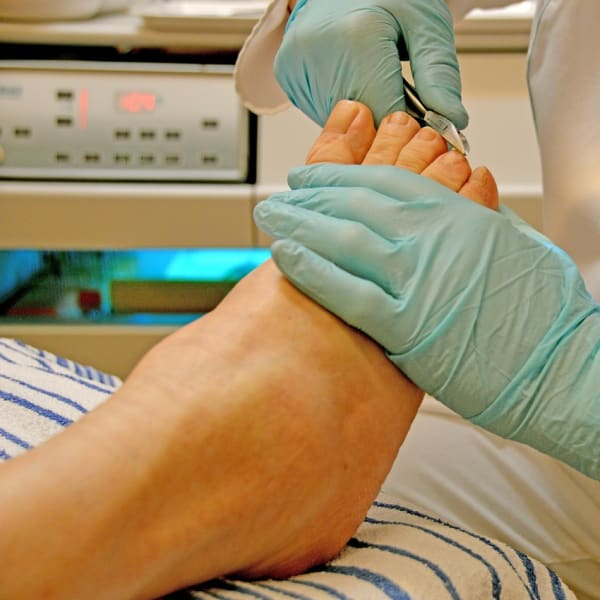
Additionally, people undergoing chemotherapy and other cancer treatments are more prone to all types of bacterial, fungal, and viral infections. Because of your client’s compromised immune system, take extra precautions to prevent infection. Always wear gloves, and never nip or cut cuticles. Instead, push cuticles back and file nails gently. Reassure your client that all of your implements are sanitized, disinfected, and/or single-use.
THE CANCER PATIENT’S RX Here are some things to keep in mind when performing nail services on a cancer patient: > Chemotherapy and radiation may cause your client to become hyper-sensitive to certain products and aromas. Avoid products with alpha-hydroxy or beta-hydroxy acids, and use three-free nail products. Encourage your client to keep her nails simple and natural while she is going through treatment. “Your client’s medical practitioners may require that her nails are not polished,” says Andrew Flanagan, a nail tech at The Spa Magnolia in Victoria, B.C., Canada, who specializes in aesthetic services for oncology patients. “Practitioners need to monitor the nail bed, so a nice nail buffing may be all that you can do.”
Ad Loading...
> Treat your client with extra care and compassion. Remember that your service can be a wonderful respite from medical treatments. “Patients spend a lot of their time in hospitals and clinics with doctors or nurses who are always focused on their illness,” says Flanagan. “Salon outings for cancer patients can be a very social event. Often, cancer patients love to have the opportunity to talk about anything except their illness — and some of them are not shy! Before every service, take a minute to gather yourself and be ready for the unexpected; you will feel very rewarded in the end.”
Read more about providing nail services to cancer patients here.
Uncured gel polish and microscopic e-file dust contain active acrylates that penetrate the skin, triggering permanent contact dermatitis. Learn the chemistry behind these irritants and how to protect your clients and yourself.
The Good Patch is a leading wearable wellness patch brand, offering wellness and skincare patches that support everyday needs including energy, sleep, relaxation and more.
Orthopedic PT reveals three daily exercises plus ergonomic advice that can help salon professionals avoid the aches and injuries caused by standing, bending and repetitive overhead work.
From acrylic monomers to airborne bio-dust, the air inside a nail salon carries risks most professionals never see coming. Aerovex Systems reveals the source-capture and room-purification strategies that are setting a new standard for salon safety.
Working in beauty doesn’t have to hurt. Learn how Somatic Movement helps hairstylists, lash artists, and other beauty pros release tension, improve posture, and extend their careers.
As a spa or salon professional, your clients expect more than just beauty—they expect safety, hygiene, and peace of mind. Fungal infections like Athlete’s Foot and Nail Fungus are more common than you think, especially in environments where tools and footbaths are reused without proper sanitation. This blog covers how to stop these issues before they start, using proven infection prevention strategies for salons and spas.
A federal initiative aimed at studying chemical exposure in nail salons has ended due to staffing and budget changes. Here’s what the project set out to do—and what its conclusion means for salon professionals.
For many people, a pedicure is a relaxing beauty ritual. But what most don’t realize is that this simple service, if done without proper hygiene and sanitation, can cause serious infections and long-term health issues.
Onycholysis is the separation of the nail plate from the nail bed. While it may look painful, it typically isn’t—at least not at first. But without proper care, this common nail disorder can lead to infections, deformities, and long-term damage.
Mckenzie Kool, Psychologist, MC, RPsych provides us with guidance on what may or not be helpful in speaking with someone who has suffered a significant loss.
Clients come to you to feel their best—not leave with a viral souvenir. Warts and cold sores can spread fast in busy salons, but a few smart habits make all the difference. Let’s talk about what’s really lurking in your salon (and how to kick it to the curb).
As Earth Day approaches, The Green Beauty Community Foundation and the Green Spa Network invite beauty pros to step forward and embrace sustainability through the Green Pledge--a powerful initiative designed by and for beauty industry leaders.
Don’t cancel Valentine’s Day altogether, urges Jill Palmquist. Instead, think of it as a (frilly, flowery, Champagne-bubbly) wake-up call to fall deeply in love with your own life.
Life coach and Culture Ambassador of Sam Villa, Andrew Carruthers, outlines how to tell if your burnout is temporary - or if it's time to make a bigger career change.