A new way of looking at the problem of salon-related allergies and contact dermatitis can reduce the likelihood of suffering from a condition that could end your career.
“If you develop an allergy to the ingredients used in the salon, you will likely have a life-long allergy,” says Dr. Patricia Norris.
She should know. Norris is an assistant professor of dermatology at the Oregon Health and Sciences University, the director of the Contact Dermatitis Clinic, and a dermatologist at Norris Dermatology in Portland, Ore. She specializes in occupational dermatology, training residents and medical students as she treats patients in the clinic and office.
Ad Loading...
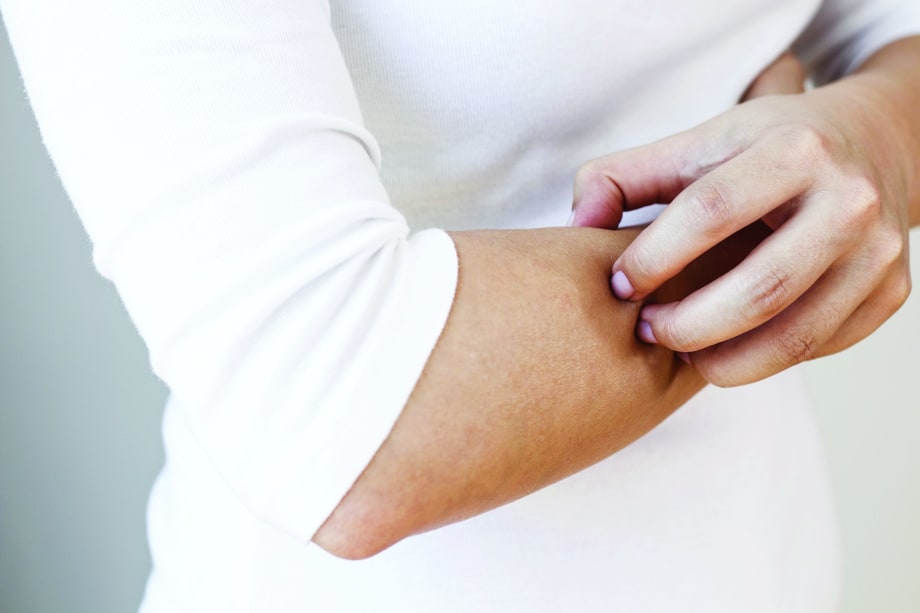
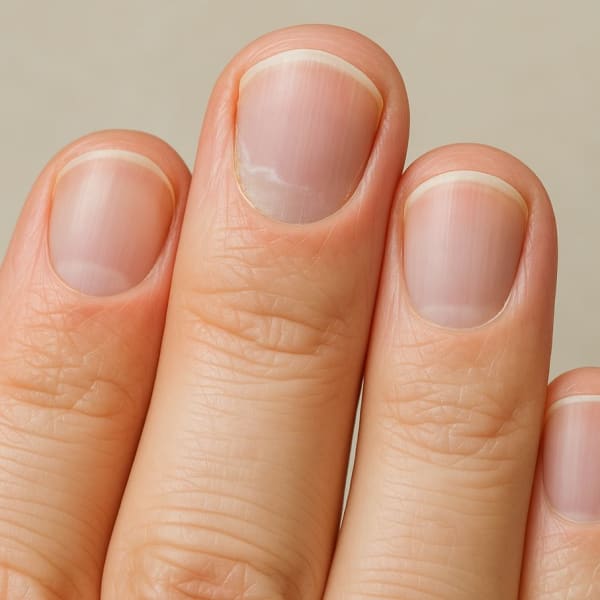
You don’t believe it, right? Maybe you can point to a time when you, or a tech you know, had an “allergic” reaction, but by switching products, you were able to prevent flare-ups. In actuality, you may not have been dealing with an allergy at all. Redness, scaling, bumps, and swelling are signs of both allergic contact dermatitis and irritant contact dermatitis, two different conditions that can produce rashes that look the same.
A full-blown allergy is not common, while an irritation to chemicals is very common and happens to many people. So while you thought you had “cleared up your allergic reaction,” it’s more likely you were dealing with an irritation. When you reduced your exposure, your skin cleared up. If you become truly allergic to an ingredient, you’ll be allergic for the rest of your life.
Often, when a tech experiences a skin irritation, she assumes it’s an unfortunate — but natural — consequence of working with allergens. In an effort to save her career, she will try switching products, wearing gloves, investing in better ventilation, or wearing a mask.
But these techniques aren’t necessarily effective when it comes to reducing exposure, which is the cause of the reaction.
If It’s to Be, It’s Up to Me
Ad Loading...
Because techs are exposed to known allergens for multiple hours day in and day out, they need to understand the chemicals they are working with and be proactive about proper handling and protection to take precautions long before an irritation or allergy develops.
No one likes to hear this, but the fault is almost always with the nail tech who is working with misguided information, says Doug Schoon, chemist, author, and founder of Schoon Scientific, LLC. That puts nail techs in the driver’s seat.
We’ve heard the bad news: There is no way to un-do an allergy. But there is good news: It’s likely an irritation, not an allergy, and by understanding what went wrong and changing work habits, techs can work smarter, reduce exposure, and clear up the condition — or prevent a reaction from ever happening at all.
Confirm the Culprit
At the first sign of a reaction, schedule an appointment with a dermatologist right away so you have accurate information on how to proceed. Many rashes look alike, so you want to be sure you have the correct diagnosis. Don’t just assume you know the source of the problem. For example, soap, hand sanitizer, and disinfectants are common irritants in the salon. Also, washing hands frequently without fully drying them can cause rashes on the hands. Another reason to consult a doctor early is that over time an initial rash exposed to other irritants can morph into more complex skin problems.
Ad Loading...
“The symptoms of an allergy to nail salon products will be weepy water blisters, redness, swelling, and scaling on the hands or eyes,” explains Norris. Techs have known for years that an allergy often presents first in the eyes, and may have assumed it’s because we rub our eyes so often during the day. Not true. “Often the eyes are involved first because the dust in the air lands on the eyelids and sticks. You open and close your eyes for hours allowing the monomer to sit on this thin skin where sweat accumulates,” Norris says.
Talk with your dermatologist about patch testing for allergies to chemicals that touch the skin. (See sidebar.) A patch test indicates whether or not you are allergic to a family of chemicals, such as methacrylate and acrylates, for example. Since methacrylate and acrylates are so similar in their chemical structure, a reaction to one means you may be allergic to several others. “However, don’t ever make the assumption an allergy is from acrylates,” says Norris. “It could be from exposure to other salon products, including essential oils, preservatives or fragrances in lotions and creams, or even from chemicals used in your skin care products at home.”
New Perspective
The dermatologist may recommend a topical ointment to calm the condition, but that won’t alleviate a recurring problem if the reaction is from the way you’re handling the product. Some work habits will need to change in order to protect yourself and reduce your exposure. The list below is a good gauge for safe work habits even if you’re a tech who hasn’t yet experienced a problem.
Cure the product properly. If you remember one thing from this article, let it be this: Regular exposure to uncured or improperly cured product is a top reason for product sensitivity. Improperly cured and under-cured product can be the result of using incorrect UV/LED nail lamps, applying product too thick, or rushing through a service and reducing the cure time under the lamp.
Ad Loading...
Product also cures incorrectly when techs use improper liquid-to-powder ratios or the incorrect polymer powder. Remember how allergies may show up first around the eyes or on the backs on the hands? “If the product was properly cured, this would not happen,” says Schoon.
Schoon also voices a concern about instructional videos on YouTube where educators demo a technique on clients whose eponychiums glisten from monomer on their skin. Product should never touch the skin — particularly in videos that other techs use as an educational resource.
Understand the chemistry. Both Schoon and Norris voiced their concern about nail techs who do not understand the chemistry behind the products they use. “I asked a nail tech if there were acrylates in the gel-polish she was applying,” says Norris. When the tech said no, Norris asked to see the product label. Sure enough, they were listed.
Schoon says techs have a misconception that gel-polish or UV gel is safer to use than liquid and powder. “But UV gels are often more likely to cause a reaction because many techs don’t properly cure them or even understand how they cure,” Schoon explains.
Switching from liquid and powder to a UV gel system — or vice versa — may have short-term, apparently positive, effects. “But it doesn’t fix the problem,” says Schoon. “It’s likely techs will develop a reaction to the new system as well if they repeat the same mistakes.”
Ad Loading...
Choose the right nail light. Schoon cautions techs from believing a universal lamp exists that effectively cures all gels. A generic light may harden the UV gel, but that doesn’t mean the product has cured. “UV gel will harden even though it is only 50% cured,” explains Schoon. Choose a manufacturer who has the entire system, including the correct light to use with their UV gel and gel-polish.
Don’t mix manufacturers. Please don’t think you are more clever than a chemist. Every powder doesn’t work well with every liquid. If the liquid you mix with the powder produces a product ball that is too wet, it will not only fail to cure correctly, it’s likely to run and make direct contact with your (or your client’s) skin. “Some manufacturers sell only monomer or only polymer. This is a problem,” says Schoon. “If a company sells powder without a liquid, choose a different company.”
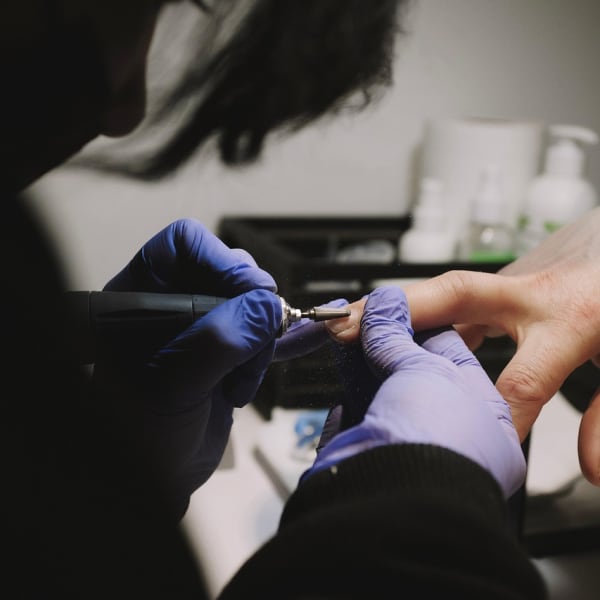
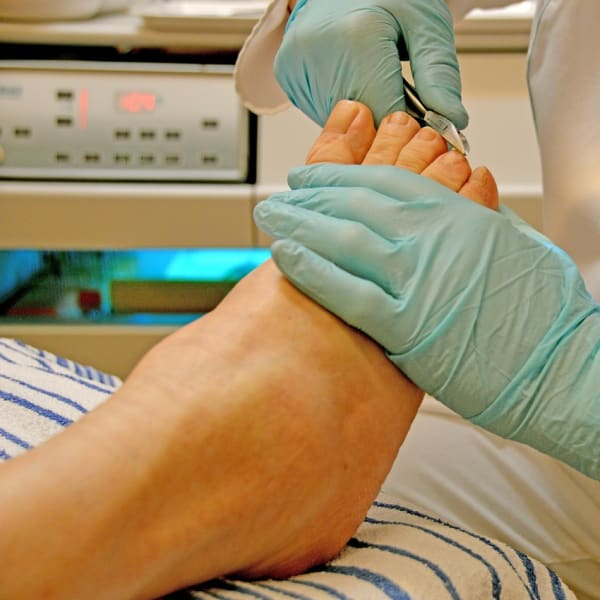
Get some gloves. Gloves can effectively cut down on your exposure to allergens and pathogens like bacteria. Unfortunately, gloves do not offer long-term protection from exposure to all nail ingredients, since some of these ingredients can penetrate through gloves. Your best bet is to use disposable nitrile gloves. This protects from exposure while avoiding a reaction to the latex found in rubber gloves. Because they are disposable, the very small amount of product that may penetrate the glove won’t sit on your hands for any length of time.
Clean your bulbs. Do you have a schedule you follow to change the UV or LED lights at the appropriate time? Do you regularly check to make sure the bulbs are clean and free from dirt and dust? If not, this can interfere with the product curing correctly.
Looking Ahead
Ad Loading...
With the explosion of nail salons and the availability of fast-setting gel-polish, more techs are working with products without a firm understanding of safe practices. “The product used in UV gel nails is just a different type of acrylic,” says Norris. “Now that these products are available over the counter to the general public, I suspect we’ll see an increase in allergies.”
Licensed professionals can use this situation to differentiate themselves from the masses. It begins by raising the standard in the salon, understanding the chemistry behind our products, and practicing safe work habits.
A whole new generation of clients is coming through the doors with little-to-no information on potential risks from the allergens we use. It’s our job to educate them, and to protect both them and ourselves from developing an irritation — or an allergy — as a result of the products we love.
Patch (Not Scratch)
Working with a dermatologist to uncover the cause of a skin reaction will require some detective work. It’s important to get the correct test based on your symptoms. A scratch test is what we often refer to when we say someone was “tested for allergies.” During a scratch test, an allergen is placed on the skin, then the practitioner pricks the skin with a pin so the allergen penetrates it. Within a very short time, an allergist is able to identify a reaction as the body responds with swelling, redness, etc.
A scratch test determines the source of an allergic reaction that’s causing runny eyes and nose from environmental factors, such as dust and pollen. A scratch test does not determine the source of a rash on the skin, so this is not the test you need to determine the cause of skin irritation.
Ad Loading...
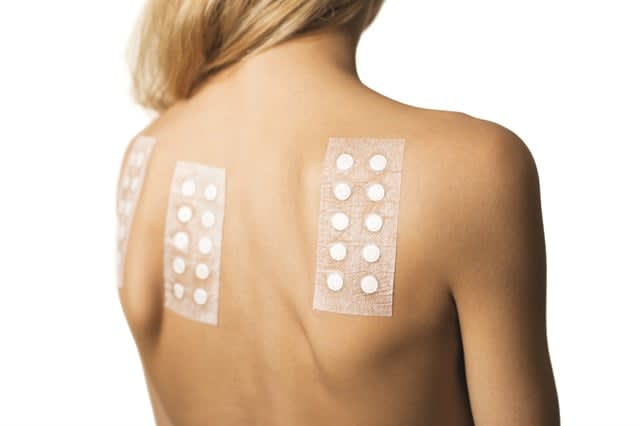
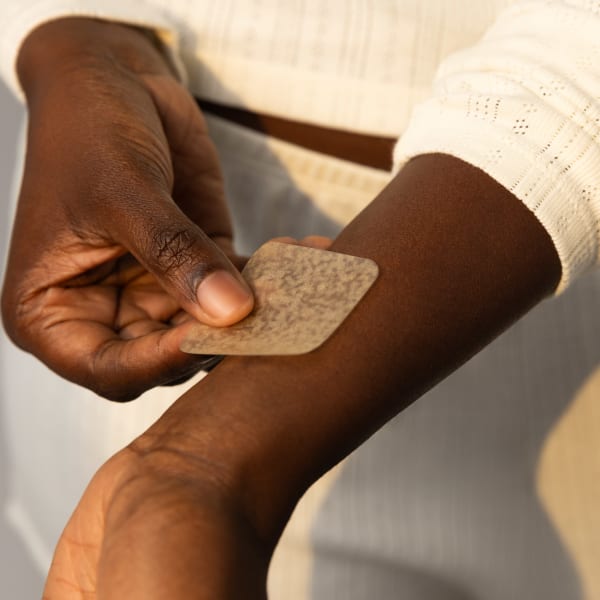
A patch test, on the other hand, is used to determine what is causing a rash or reaction on the skin. In this test, possible allergens are taped to the skin and remain there for 48 hours. The dermatologist will review the results in three to four days.
Patch testing may be the only way to determine whether an allergy to something at the workplace exists. For this reason, a patch test with a dermatologist who is familiar with occupational chemical exposures is often the better choice if you experience an irritation or suspect an allergy.
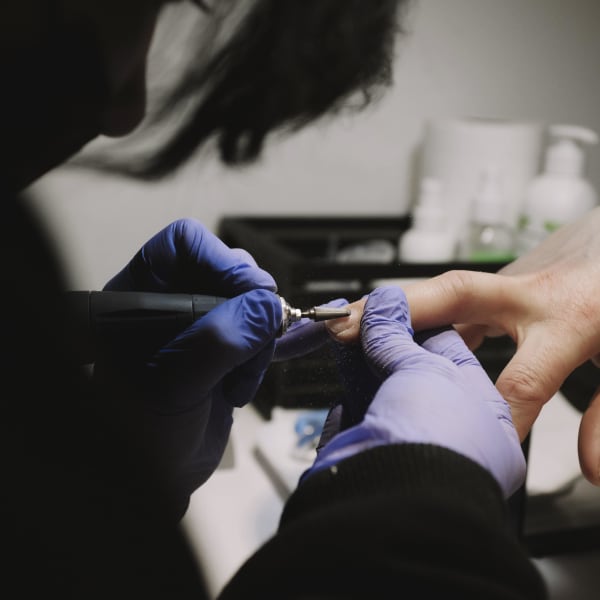
Uncured gel polish and microscopic e-file dust contain active acrylates that penetrate the skin, triggering permanent contact dermatitis. Learn the chemistry behind these irritants and how to protect your clients and yourself.
The Good Patch is a leading wearable wellness patch brand, offering wellness and skincare patches that support everyday needs including energy, sleep, relaxation and more.
Orthopedic PT reveals three daily exercises plus ergonomic advice that can help salon professionals avoid the aches and injuries caused by standing, bending and repetitive overhead work.
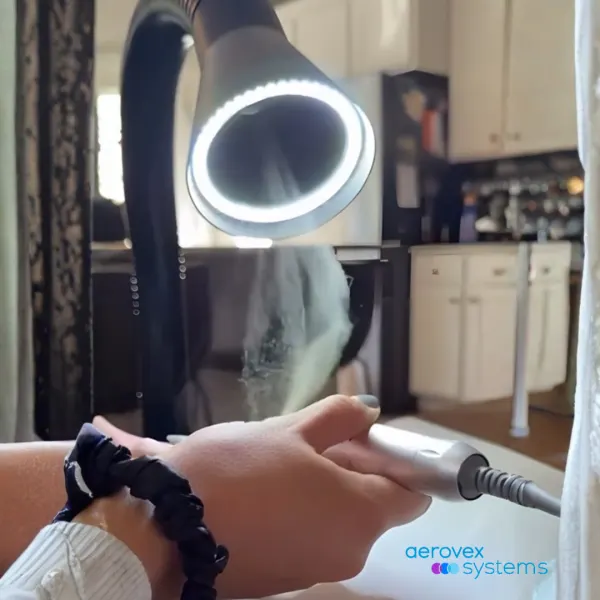
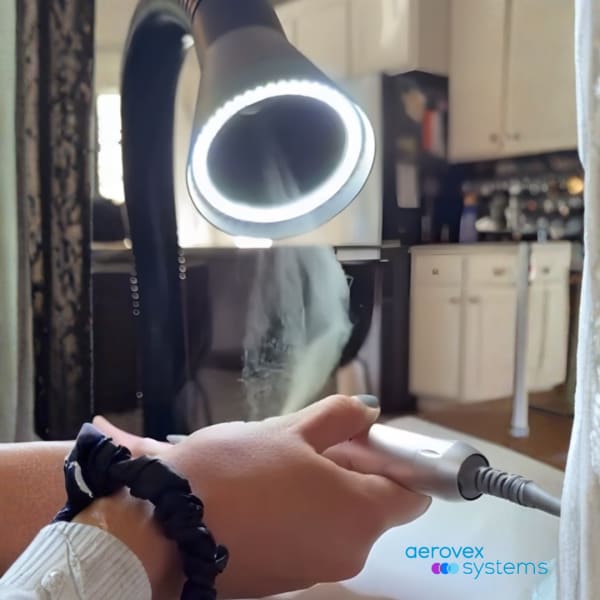
From acrylic monomers to airborne bio-dust, the air inside a nail salon carries risks most professionals never see coming. Aerovex Systems reveals the source-capture and room-purification strategies that are setting a new standard for salon safety.
Working in beauty doesn’t have to hurt. Learn how Somatic Movement helps hairstylists, lash artists, and other beauty pros release tension, improve posture, and extend their careers.
As a spa or salon professional, your clients expect more than just beauty—they expect safety, hygiene, and peace of mind. Fungal infections like Athlete’s Foot and Nail Fungus are more common than you think, especially in environments where tools and footbaths are reused without proper sanitation. This blog covers how to stop these issues before they start, using proven infection prevention strategies for salons and spas.
A federal initiative aimed at studying chemical exposure in nail salons has ended due to staffing and budget changes. Here’s what the project set out to do—and what its conclusion means for salon professionals.
For many people, a pedicure is a relaxing beauty ritual. But what most don’t realize is that this simple service, if done without proper hygiene and sanitation, can cause serious infections and long-term health issues.
Onycholysis is the separation of the nail plate from the nail bed. While it may look painful, it typically isn’t—at least not at first. But without proper care, this common nail disorder can lead to infections, deformities, and long-term damage.
Mckenzie Kool, Psychologist, MC, RPsych provides us with guidance on what may or not be helpful in speaking with someone who has suffered a significant loss.
Clients come to you to feel their best—not leave with a viral souvenir. Warts and cold sores can spread fast in busy salons, but a few smart habits make all the difference. Let’s talk about what’s really lurking in your salon (and how to kick it to the curb).
As Earth Day approaches, The Green Beauty Community Foundation and the Green Spa Network invite beauty pros to step forward and embrace sustainability through the Green Pledge--a powerful initiative designed by and for beauty industry leaders.
Don’t cancel Valentine’s Day altogether, urges Jill Palmquist. Instead, think of it as a (frilly, flowery, Champagne-bubbly) wake-up call to fall deeply in love with your own life.
Life coach and Culture Ambassador of Sam Villa, Andrew Carruthers, outlines how to tell if your burnout is temporary - or if it's time to make a bigger career change.