Nail technicians are screaming, “We want our MSDS!” these days as often as today’s teenagers scream, “We want our MTV!” In a recent NAILS survey, we discovered that only 32% of nail technicians have Material Safety Data Sheets for the products they use. This low figure is disturbing not only because nail technicians are required to have the sheets available, but because there is so much valuable information contained in them to help technicians work safely.
The MSDS is an informational sheet provided by the original manufacturer of a product, If contains technical information on the product, such as its flammability, proper storage and handling, signs and symptoms of overexposure, what to do in case of an accident, phone numbers to call in emergencies, and much more vital information for safe product handling.
Ad Loading...
You are supposed to receive an MSDS the first time you purchase a particular product. If you buy product through a distributor, the distributor is responsible for providing you the MSDS. The law requires that salons have the sheets on the premises during normal working hours, and that employees have access to them. Not complying with this could garner an employer a citation from OSHA. Worse than a citation, however, is being ignorant of how to work properly with potentially hazardous products.
If, for whatever reason, you do not have the MSDS, a simple letter to your distributor should be all you need to do to collect them. Write a short, very businesslike letter to your distributor saying that you are a professional nail technician, what state you work in, and provide a list of the products (and who manufactures them) that you need MSDS for. You may note in your letter that you are requesting these forms in compliance with the OSHA Hazard Communication Standard, Close your letter with a gentle nudge by saying, “I appreciate your prompt response.” If you handwrite this letter, make sure it is absolutely clear (you don’t want your request to get filed away because no one could read it). Sign the letter with your full name, salon name, and address. Keep a copy of the letter for your files. You will need a copy of this correspondence if your salon is inspected by OSHA and you are not able to produce the MSDS.
Send the letter to your distributor. You can reasonably expect to hear back within 30 days. If you don’t receive any response, you can try another letter, or you can send the same letter to the individual manufacturer. You should be able to get all the information you need with a simple letter. However, if you receive no response to your second request within another two to three weeks, follow up directly with a phone call. As always, a polite and professional approach is the most effective. Keep notes in your files on when you called and who you talked to.
When you have all your MSDS, file them in a notebook so you can reach them quickly and easily. A good filing system might organize the sheets by manufacturer in alphabetical order or by type of product (all polishes together, for example).
I’d like to see next year’s survey show a huge jump in the number of technicians who have MSDS for every product.
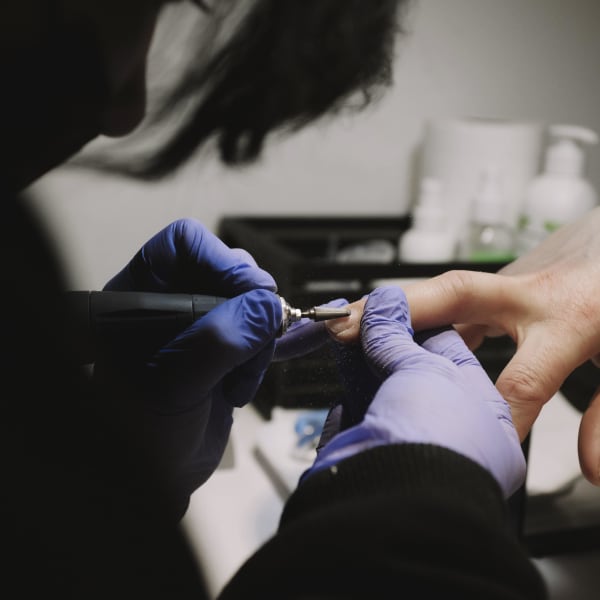
Uncured gel polish and microscopic e-file dust contain active acrylates that penetrate the skin, triggering permanent contact dermatitis. Learn the chemistry behind these irritants and how to protect your clients and yourself.
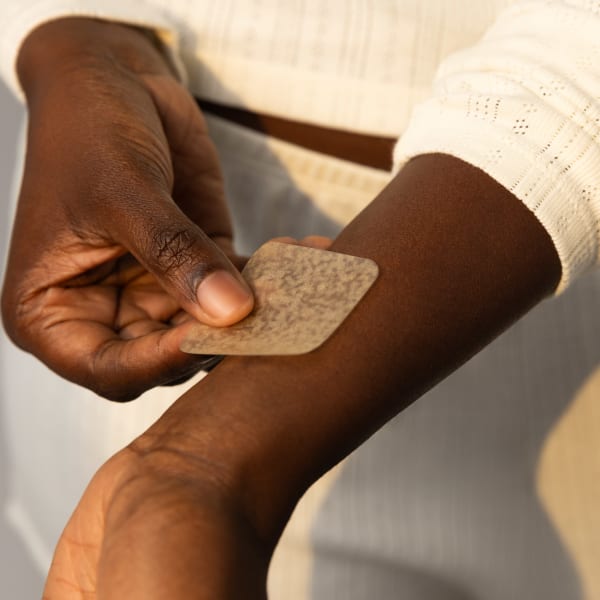
The Good Patch is a leading wearable wellness patch brand, offering wellness and skincare patches that support everyday needs including energy, sleep, relaxation and more.
Orthopedic PT reveals three daily exercises plus ergonomic advice that can help salon professionals avoid the aches and injuries caused by standing, bending and repetitive overhead work.
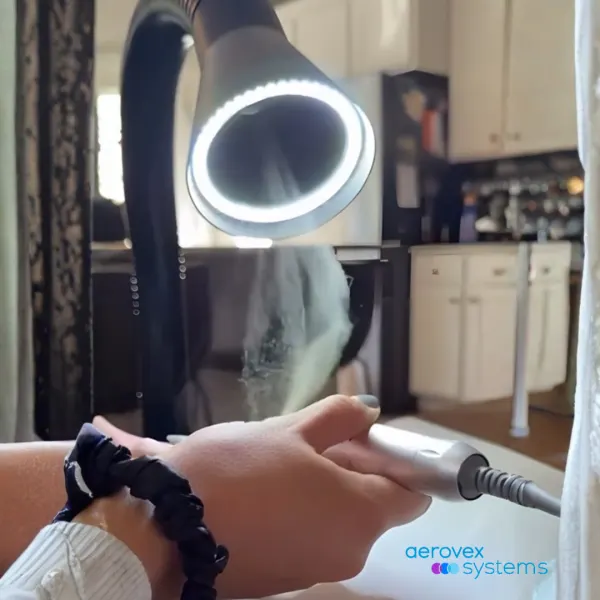
From acrylic monomers to airborne bio-dust, the air inside a nail salon carries risks most professionals never see coming. Aerovex Systems reveals the source-capture and room-purification strategies that are setting a new standard for salon safety.
Working in beauty doesn’t have to hurt. Learn how Somatic Movement helps hairstylists, lash artists, and other beauty pros release tension, improve posture, and extend their careers.
As a spa or salon professional, your clients expect more than just beauty—they expect safety, hygiene, and peace of mind. Fungal infections like Athlete’s Foot and Nail Fungus are more common than you think, especially in environments where tools and footbaths are reused without proper sanitation. This blog covers how to stop these issues before they start, using proven infection prevention strategies for salons and spas.
A federal initiative aimed at studying chemical exposure in nail salons has ended due to staffing and budget changes. Here’s what the project set out to do—and what its conclusion means for salon professionals.
For many people, a pedicure is a relaxing beauty ritual. But what most don’t realize is that this simple service, if done without proper hygiene and sanitation, can cause serious infections and long-term health issues.
Onycholysis is the separation of the nail plate from the nail bed. While it may look painful, it typically isn’t—at least not at first. But without proper care, this common nail disorder can lead to infections, deformities, and long-term damage.
Mckenzie Kool, Psychologist, MC, RPsych provides us with guidance on what may or not be helpful in speaking with someone who has suffered a significant loss.
Clients come to you to feel their best—not leave with a viral souvenir. Warts and cold sores can spread fast in busy salons, but a few smart habits make all the difference. Let’s talk about what’s really lurking in your salon (and how to kick it to the curb).
As Earth Day approaches, The Green Beauty Community Foundation and the Green Spa Network invite beauty pros to step forward and embrace sustainability through the Green Pledge--a powerful initiative designed by and for beauty industry leaders.
Don’t cancel Valentine’s Day altogether, urges Jill Palmquist. Instead, think of it as a (frilly, flowery, Champagne-bubbly) wake-up call to fall deeply in love with your own life.
Life coach and Culture Ambassador of Sam Villa, Andrew Carruthers, outlines how to tell if your burnout is temporary - or if it's time to make a bigger career change.