Imagine walking into a dentist’s waiting room and seeing ripped chairs and magazines strewn all over the place. What would you think if you were greeted by a nurse with sticky hands or soiled clothing?
by Lisa baget, NAILS contributing writer
February 1, 1991
7 min to read
There is not much difference between a dentist and a nail technician when it comes to sanitation. Both work clients on a daily basis and have to be extremely cautious about spreading germs and disease. Both have to pay special attention to their personal hygiene and to the cleanliness of their work area and instruments.
Imagine walking into a dentist’s waiting room and seeing ripped chairs and magazines strewn all over the place. What would you think if you were greeted by a nurse with sticky hands or soiled clothing? Would you have any confidence in a dentist whose examination room had a dirty floor, stained walls, or instruments lying in dis-array on a soiled towel or coffee-spattered tabletop? Wouldn’t you feel uncomfortable? Wouldn’t you doubt this person’s professional ability?
Ad Loading...
Besides your clients’ health, you’ve got your own health to consider. If you’re not properly sanitizing your work area and implements, you’re creating an unhealthy environment for yourself as well. A client only visits a salon an average of once every two weeks, but technicians work with many different people each day – all of whom carry an array of potentially harmful germs.
While the majority of salons do follow proper sanitary procedures, there are still some nail technicians who fail to adhere to strict standards of cleanliness. They use products inappropriate or ineffective for annihilating harmful bacteria. Or they use isopropyl alcohol as an all-purpose cleaner, saying it’s simpler and cheaper. They fail to wash their hands between clients, rationalizing, “I was so busy, I forgot”-then wonder why they’re constantly coming down with colds.
When it comes to health (yours and your client’s), there are no excuses. More and more states are adopting sanitation standards, and cutting corners could lead to the closing of your salon doors for good. Why take a chance with your health and business when establishing a daily hygienic routine is so easy? All it takes is a few hours of research and organization to ensure that the salon is a healthy environment. A small investment of time pays royally when clients respond by putting their nail care, as well as their dollars, in your capable hands.
HOW TO BEGIN
Skin, hair, clothing, implements, workstations, and other working tools are prime targets for germs that can cause health problems in the salon. But fortunately, there are a number of products that attack these invisible enemies.
Ad Loading...
Finding the right product is not always easy. Most companies claim their solutions are the best, yet all products are not created equal. That’s why it’s important to make sure that everything you’re currently using is the most effective for your salon’s needs.
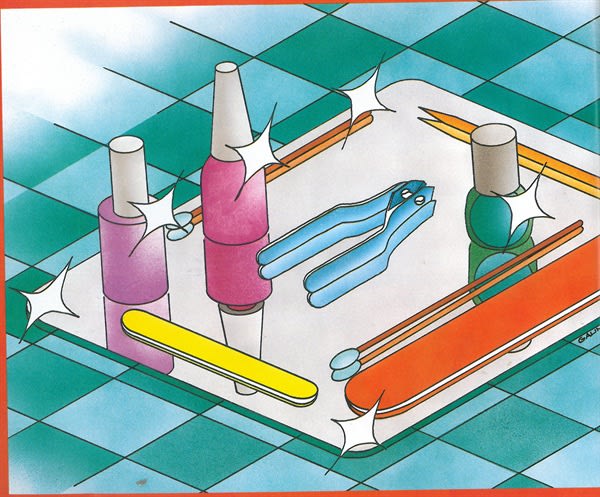
Start by doing an inventory of the disinfectants, sterilizers, soaps, and surgical scrubs you currently use. This is also a good time to take stock of other sanitary products such as latex gloves, masks, safety glasses, towels, and wastebaskets lined with plastic bags.
Read each product’s label and product information. What ingredients are listed? Are you using the product correctly? Is it strong enough to kill bacteria and germs?
If you’re unsure about what you’re using, or you want to switch brands, do some research. A company may claim that its product kills the HIV virus and all bacteria within five minutes, but don’t take their word for it.
Contact your state cosmetology board and ask for recommendations. State boards may not endorse specific brands, but they will tell you what sanitizing /disinfecting agents work well. You can also contact your state board or local health agency to confirm product claims. Call manufacturers and ask for documentation to back up their claims. Speak to company representatives, and don’t be afraid to ask for detailed answers to your questions. If you’re still unsure, contact a chemist in your area.
Ad Loading...
Make sure a product does what you want it to do. For instance, a company might claim that is product disinfects implements in 10 minutes, but if it doesn’t also state that it won’t rust instruments immersed in it all day, don’t assume that it won’t harm the instruments. Pick up the phone and ask. If a company isn’t willing to send you documentation to back up its claims, seems uneasy, or avoids answering your questions, you probably shouldn’t do business with that company.
Read all the instructions carefully once you purchase a product. Follow recommendations as to usage, shelf life, storage, and product mixing. Label and date all jars containing chemicals and keep them in a cool, dry place away from where food or drinks are consumed.
PUT ON A SHOW
Once you’ve chosen the right products, it’s easy to organize a daily sanitation routine. Haven’t you ever gone to the dentist on a busy day and sat in the chair while the dental technician rushed around replacing old linens with fresh ones, laying out a clean set of instruments, and placing a protective collar around your neck? Doesn’t it make you feel safer when you see all the care they take to ensure germs aren’t being passed from one patient to another? Don’t hesitate to put on a show of your own.
If it’s busy day and your appointments are backed up, don’t keep a client sitting in the waiting area. instead, chat with her while you wipe down your work area and prepare for her service.
Ad Loading...
ESTABLISH A DAILY REGIMEN
Cleanliness begins with finding a reliable, through cleaning service for your salon. Floors and bathrooms should be immaculate, garbage cans clean and lined with fresh bags, and fresh linens should be stacked in a closed closet. Walking into a clean, fresh-smelling environment is as important to you as it is to your clients.
Create a plan for your technicians to follow from the moment they walk through the door. In some salons, owners like their employees to leave their stations in a work-ready state, with everything they need laid out and ready for the first client of the day. Other salon owners prefer their technicians to strip their tabletops at the end of each day and start fresh in the morning. Some states allow no choice, because they require all disinfected implements to be stored in clearly marked closed containers.
Either way, the day should begin with a daily check of supplies. Technicians should have a clean tumbler or decanter filled with fresh disinfectant for soaking implements; a full bottle of disinfectant for washing tables; a sufficient amount of disposable paper towels for wiping the work area and other purposes; plenty of paper files and other disposable tools; clean finger bowls and foot baths; a sufficient supply of latex gloves and face masks; two covered wastebaskets lined with garbage bags (one for soiled towels and other reusable items, and another for dispensers and extra bottles of surgical scrub located at the sink area; along with a full rack of paper towels for you and your clients to wipe their hands.
When the first client of the day comes in, the technician should wash her hands and direct the client to the sink to wash hers. After prepping, the client should return to the sink to use a brush and surgical scrub before proceeding.
Ad Loading...
At the end of each service, the technician should wash her hands thoroughly, then clear the work-bench and wash it down with a disinfectant until it’s as clean sat down. Go back to the sink to wash your hands one more time, and you’re ready for the next service to begin.
Follow the same routine until the last client leaves for the day. Then, after thoroughly cleaning your work area, put on a pair of rubber gloves and remove all metal implements from the disinfecting solution. Scrub them down with soap and water, dry them thoroughly, and place them in a sterilizing solution. Once sterilized, always place instruments in a closed container.
Try not to leave the salon until it is properly sanitized for the following day. If you or other technicians have an emergency or problem getting to work, you can relax knowing everything is in order.
Once your salon has established a smooth-running sanitation routine, you might want to put it in writing as a standard policy for new employees to follow.
TAKE SANITATION SERIOUSLY
Ad Loading...
When a new client comes in take the time to explain your sanitation procedures. Show her the sink area and explain how you’d like her to wash her hands before she sits down, and to use a surgical scrub after being prepped. Show her how to use the surgical scrub and brush on her nails, and explain why you want her to use it. Clients will be impressed by your presentation, knowledge, and considerate attention to their health.
With the right products and a little organization, you’ll find salon sanitation is a snap. And it’s a part of the job that your clients will recognize and reward.
Uncured gel polish and microscopic e-file dust contain active acrylates that penetrate the skin, triggering permanent contact dermatitis. Learn the chemistry behind these irritants and how to protect your clients and yourself.
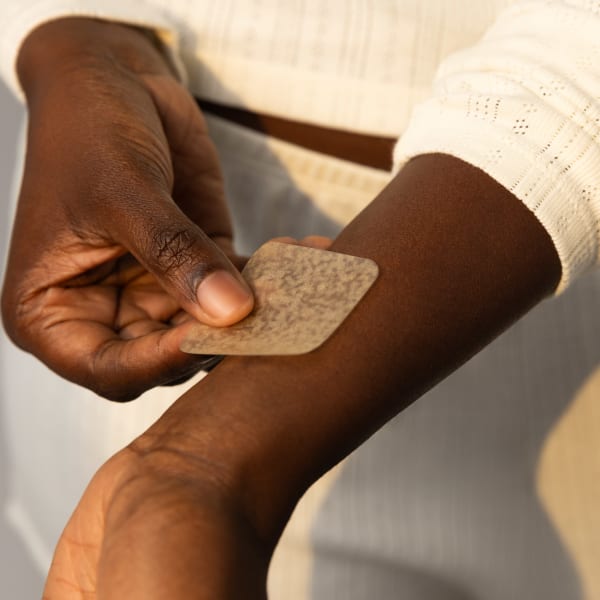
The Good Patch is a leading wearable wellness patch brand, offering wellness and skincare patches that support everyday needs including energy, sleep, relaxation and more.
Orthopedic PT reveals three daily exercises plus ergonomic advice that can help salon professionals avoid the aches and injuries caused by standing, bending and repetitive overhead work.
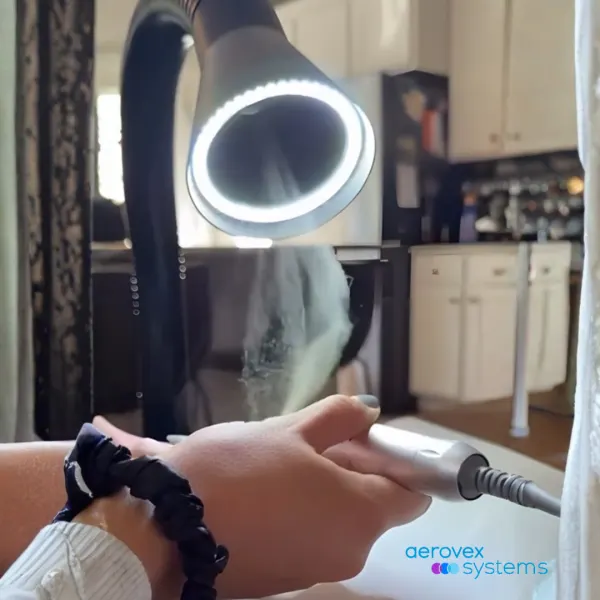
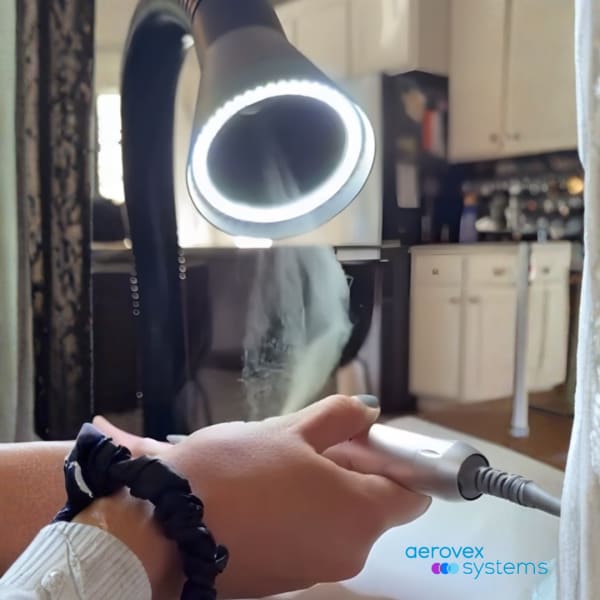
From acrylic monomers to airborne bio-dust, the air inside a nail salon carries risks most professionals never see coming. Aerovex Systems reveals the source-capture and room-purification strategies that are setting a new standard for salon safety.
Working in beauty doesn’t have to hurt. Learn how Somatic Movement helps hairstylists, lash artists, and other beauty pros release tension, improve posture, and extend their careers.
As a spa or salon professional, your clients expect more than just beauty—they expect safety, hygiene, and peace of mind. Fungal infections like Athlete’s Foot and Nail Fungus are more common than you think, especially in environments where tools and footbaths are reused without proper sanitation. This blog covers how to stop these issues before they start, using proven infection prevention strategies for salons and spas.
A federal initiative aimed at studying chemical exposure in nail salons has ended due to staffing and budget changes. Here’s what the project set out to do—and what its conclusion means for salon professionals.
For many people, a pedicure is a relaxing beauty ritual. But what most don’t realize is that this simple service, if done without proper hygiene and sanitation, can cause serious infections and long-term health issues.
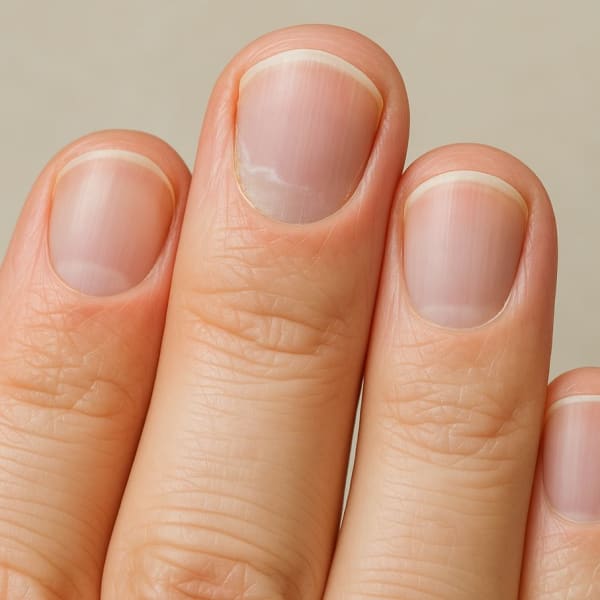
Onycholysis is the separation of the nail plate from the nail bed. While it may look painful, it typically isn’t—at least not at first. But without proper care, this common nail disorder can lead to infections, deformities, and long-term damage.
Mckenzie Kool, Psychologist, MC, RPsych provides us with guidance on what may or not be helpful in speaking with someone who has suffered a significant loss.
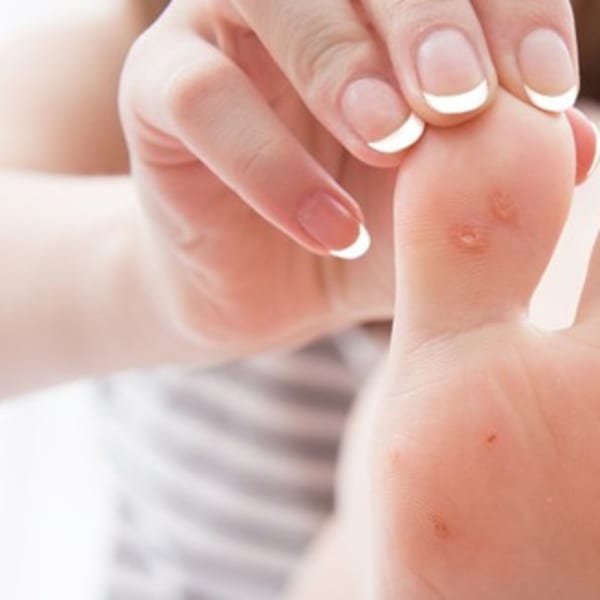
Clients come to you to feel their best—not leave with a viral souvenir. Warts and cold sores can spread fast in busy salons, but a few smart habits make all the difference. Let’s talk about what’s really lurking in your salon (and how to kick it to the curb).
As Earth Day approaches, The Green Beauty Community Foundation and the Green Spa Network invite beauty pros to step forward and embrace sustainability through the Green Pledge--a powerful initiative designed by and for beauty industry leaders.
Don’t cancel Valentine’s Day altogether, urges Jill Palmquist. Instead, think of it as a (frilly, flowery, Champagne-bubbly) wake-up call to fall deeply in love with your own life.
Life coach and Culture Ambassador of Sam Villa, Andrew Carruthers, outlines how to tell if your burnout is temporary - or if it's time to make a bigger career change.