As the leading cause of death in the United States, heart disease is something we should all be concerned about. Because nail technology is a relatively sedentary job, it’s important to learn the risk factors and make sure you’re taking proper preventive measures to protect your heart health.
Expert Opinion: An estimated 17.3 million people die of cardiovascular diseases every year. According to WebMD, the leading cause of death in the U.S. is heart disease such as coronary heart disease, heart attack, congestive heart failure, and congenital heart disease. Furthermore, heart disease is the leading cause of death for women over 40, and once a woman reaches menopause, the risk for heart disease increases dramatically. The risk is even higher when combined with other risk factors such as diabetes; smoking; high blood pressure and high cholesterol; obesity; a sedentary lifestyle; hereditary factors; inflammatory diseases; and pregnancy issues such as preeclampsia, high blood pressure, and gestational diabetes.
Fortunately, there are many things you can do to decrease your risk of developing heart disease. First, it’s important to have your blood cholesterol levels checked annually. Good numbers are less than 200, borderline is 200-239, and high levels are 240 or more. If your levels are a little high, know that you’re not alone — more than 30% of Americans have the same problem — but it’s vital not to ignore it. Too much cholesterol can clog your arteries and slow blood flow. This can lead to dangerous blood clots and put you at risk for serious heart disease, heart attack, and stroke. Medications can help to lower your cholesterol, but it’s still necessary to adjust your lifestyle to keep cholesterol under control. In fact, you can slow the rate of, stop, or even reverse the narrowing of arteries, even after it has begun, by incorporating careful lifestyle modifications. You can reduce total and LDL (“bad”) cholesterol, lower blood pressure, lower blood sugar, and reduce body weight by adopting a heart-healthy nutrition strategy.
Tips for Heart Health: > Increase your intake of vegetables, fruits, whole grains, and legumes. > Avoid cholesterol intake. Choose healthier fats, such as olive oil, avocados, and nuts. > Avoid red meat, which is high in fat and cholesterol. > Avoid/limit simple carbohydrates (white bread, soda, sugar, sweets, alcohol). > Reduce sodium intake. > Exercise at least three times a week. Walk as much as possible every day. > Avoid stress. Do yoga, deep breathing, or meditation to aid in relaxation.
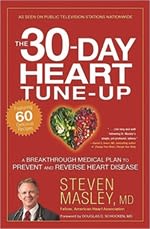
Suggested Reading:The 30-Day Heart Tune-Up by Steven Masley, MD This step-by-step program will help you tune up your heart, increase your energy, and shrink your waistline. You will decrease arterial plaque, improve circulation, and strengthen your heartbeat with tools such as nutrition, supplements, exercise that strengthens the heart and arteries, and stress management. The plan includes 60 delicious recipes to help you jump-start your heart-healthy diet.
Ad Loading...
NAILS 10k-a-Day Walking Challenge Get out of your chair and onto your feet, nail techs! Take NAILS’ 31-day walking challenge and start 2016 on the right foot. Devote the month of January to jump-starting a fitter you and share your results with NAILS readers in our April 2016 issue. Whatever your fitness goals — to lose weight, feel better, and/or improve your overall health — walking is a simple, inexpensive, and effective way to do it.
Rules: 1. Starting on January 1, 2016, use a pedometer to keep track of your daily steps for one month. You can purchase an inexpensive pedometer or download a free smartphone app such as Pacer.
2. Your goal is 10,000 steps per day. You can break this up into segments — just aim for 10,000 steps total.
3. Email us a summary of your month by February 15, 2016. Tell us about your personal goals and what you achieved during the challenge. We love photos too!
Staring January 1, check NAILS social media pages for weekly encouragement, tips, and fun fitness facts.
Let’s get moving! (That includes us here at NAILS.)
Uncured gel polish and microscopic e-file dust contain active acrylates that penetrate the skin, triggering permanent contact dermatitis. Learn the chemistry behind these irritants and how to protect your clients and yourself.
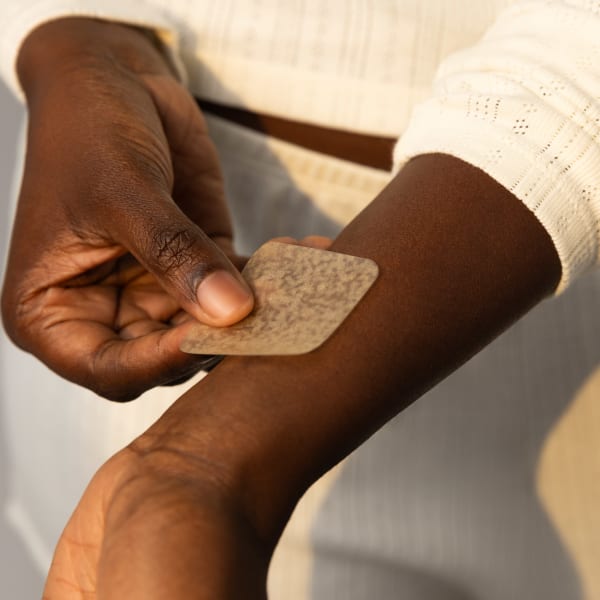
The Good Patch is a leading wearable wellness patch brand, offering wellness and skincare patches that support everyday needs including energy, sleep, relaxation and more.
Orthopedic PT reveals three daily exercises plus ergonomic advice that can help salon professionals avoid the aches and injuries caused by standing, bending and repetitive overhead work.
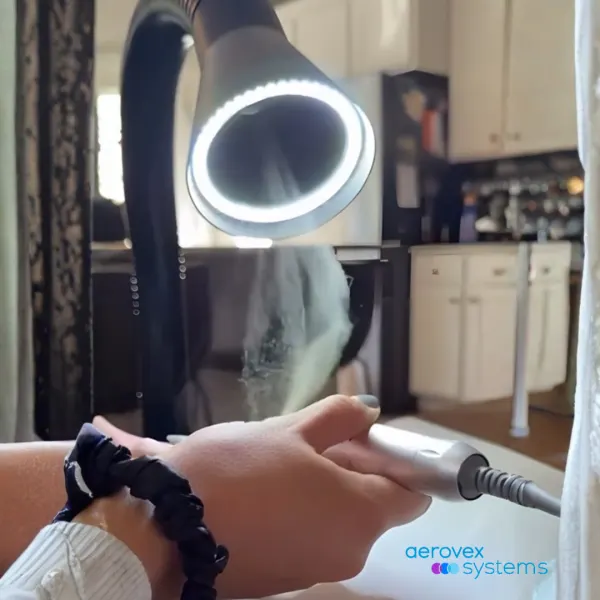
From acrylic monomers to airborne bio-dust, the air inside a nail salon carries risks most professionals never see coming. Aerovex Systems reveals the source-capture and room-purification strategies that are setting a new standard for salon safety.
Working in beauty doesn’t have to hurt. Learn how Somatic Movement helps hairstylists, lash artists, and other beauty pros release tension, improve posture, and extend their careers.
As a spa or salon professional, your clients expect more than just beauty—they expect safety, hygiene, and peace of mind. Fungal infections like Athlete’s Foot and Nail Fungus are more common than you think, especially in environments where tools and footbaths are reused without proper sanitation. This blog covers how to stop these issues before they start, using proven infection prevention strategies for salons and spas.
A federal initiative aimed at studying chemical exposure in nail salons has ended due to staffing and budget changes. Here’s what the project set out to do—and what its conclusion means for salon professionals.
For many people, a pedicure is a relaxing beauty ritual. But what most don’t realize is that this simple service, if done without proper hygiene and sanitation, can cause serious infections and long-term health issues.
Onycholysis is the separation of the nail plate from the nail bed. While it may look painful, it typically isn’t—at least not at first. But without proper care, this common nail disorder can lead to infections, deformities, and long-term damage.
Mckenzie Kool, Psychologist, MC, RPsych provides us with guidance on what may or not be helpful in speaking with someone who has suffered a significant loss.
Clients come to you to feel their best—not leave with a viral souvenir. Warts and cold sores can spread fast in busy salons, but a few smart habits make all the difference. Let’s talk about what’s really lurking in your salon (and how to kick it to the curb).
As Earth Day approaches, The Green Beauty Community Foundation and the Green Spa Network invite beauty pros to step forward and embrace sustainability through the Green Pledge--a powerful initiative designed by and for beauty industry leaders.
Don’t cancel Valentine’s Day altogether, urges Jill Palmquist. Instead, think of it as a (frilly, flowery, Champagne-bubbly) wake-up call to fall deeply in love with your own life.
Life coach and Culture Ambassador of Sam Villa, Andrew Carruthers, outlines how to tell if your burnout is temporary - or if it's time to make a bigger career change.